
आला शंकरनारायण मंदिर
आला, जि. त्रिशूर
Ala Sankaranarayana Temple
Ala, Dist. Thrissur
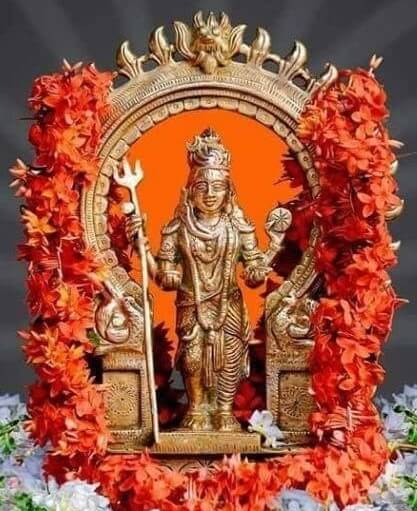 Ala Sankaranarayana Temple, historically known as the Dheshikalaya Temple, is situated at Ala near Kodungallur in Thrissur district. The temple was established in accordance with the ideals and spiritual principles of Sree Narayana Guru, one of the foremost figures of Kerala’s social renaissance. The principal deity is worshipped in the Sankaranarayana form, representing the divine unity of Lord Shiva and Lord Vishnu. The Dheshikalaya Temple is also regarded as an important centre in Kerala for the performance of ancestral rites, particularly Pitru Tarpanam.
The temple is traditionally dated to 1927 and was established in accordance with the ideals, spiritual vision and religious principles of Sree Narayana Guru, one of the most revered figures of Kerala’s social renaissance. According to the temple’s own historical record, the temple was consecrated by Sree Narayana Guru himself. Subsequently, revered disciples of the Guru, including Koru Asan, Pappi Santhi and Thilakan Santhi, studied and taught Vedic and Tantric traditions at this sacred centre. Their disciples have continued to preserve and transmit these traditions, imparting instruction in Vedic and Tantric rituals at the temple.
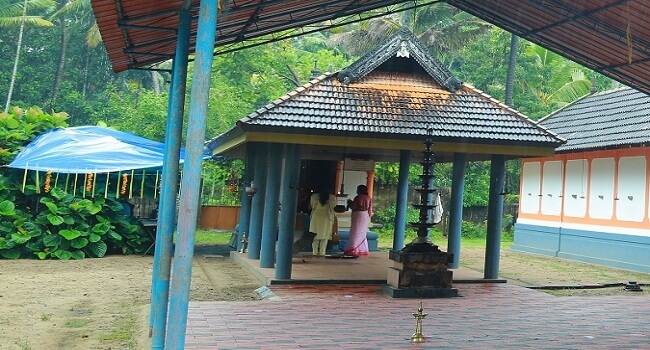 The history of the sacred site, however, is believed to predate the establishment of the temple in its present form. According to tradition, a revered yogi who had renounced all worldly attachments once lived in a small cave nearby and worshipped at this sacred place. He is believed to have been a devotee of Lord Subrahmanya, Dandaayudhapani, the wielder of the divine spear. This ancient association is reflected in the special prominence accorded to Lord Subrahmanya during temple festivals and other important observances, despite Sankaranarayana being the principal deity. The name Desikālaya is traditionally associated with this yogi, referring to the place where the Desika, a revered spiritual preceptor,
  performed his worship. In the course of time, the sacred site evolved into a temple and inspired by the spiritual and social renaissance led by Sree Narayana Gurudeva, emerged as a centre of worship and Vedic and Tantric learning.
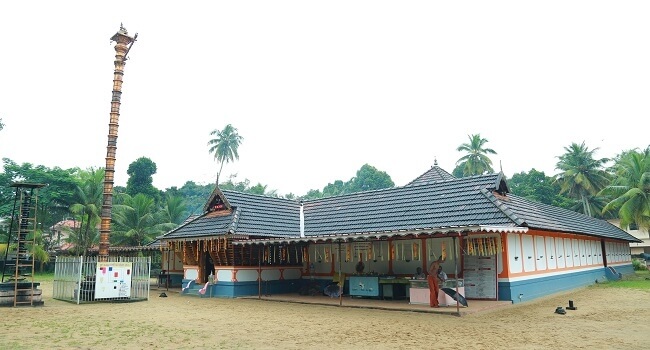
The Ala Sankaranarayana Temple follows the traditional architectural character of Kerala temples, defined by its sloping tiled roofs, extensive timber craftsmanship, spacious courtyards and interconnected shrine structures. The temple is approached through an open courtyard, 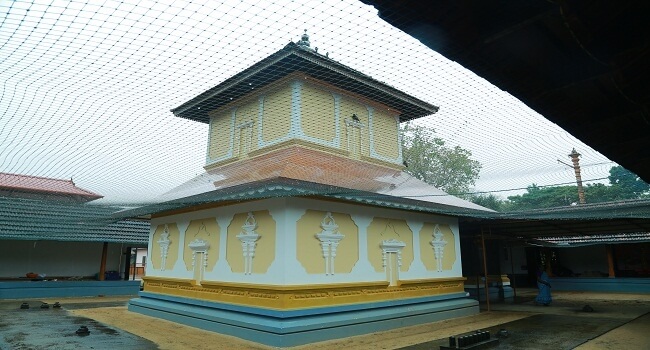 where the tall Dwajasthambam (flagstaff) stands prominently on the central axis facing the main shrine. The principal structures feature traditional timber work, particularly in the entrance pavilion, which is adorned with an elaborately decorated gable and curved wooden supports. Long tiled roofs, simple plastered walls and covered passages surround the central shrine, creating a harmonious and sheltered temple precinct. At the heart of the complex stands the Sreekovil (sanctum sanctorum) of Sankaranarayana. Its elevated form, crowned by a tiled roof and embellished with traditional ornamental details, gives it prominence within the temple complex.
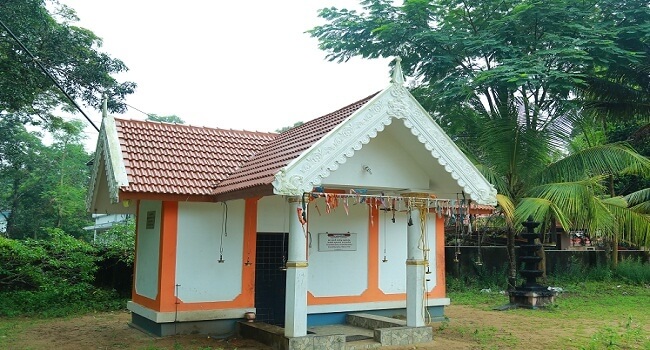 The sanctum is enclosed by the Chuttambalam, forming the principal sacred space of the temple.
The presiding deity, Sankaranarayana, represents the harmonious unity of Lord Shiva and Lord Vishnu in a single divine form. The temple’s seeveli bimbam, or processional image, depicts the deity standing upright and adorned with an elaborate crown, traditional ornaments and a Naga-like ornament around the neck. The icon bears characteristic attributes associated with both Shaiva and Vaishnava traditions, most prominently the trishula and chakra. 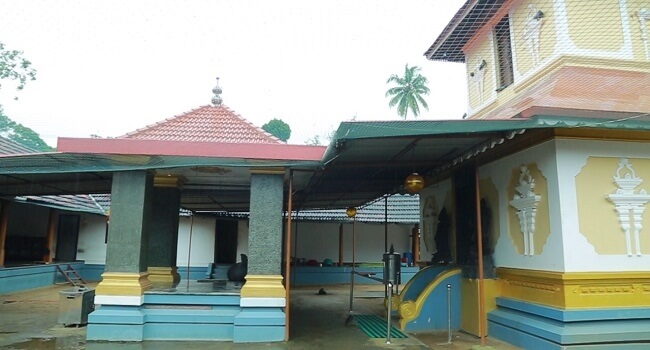 These iconographic features visually express the theological unity of Shiva and Vishnu that lies at the heart of Sankaranarayana worship.
The complex also contains important sub-shrines, including that of Lord Subrahmanya, with a decorated entrance and a deepastambha in front. Other sacred structures, including the Moolasthanam, are situated within the precinct, while a traditional stone Nandi is also preserved within the temple complex. The combination of timber, masonry, tiled roofs and open courtyards gives the temple its distinctive Kerala architectural character.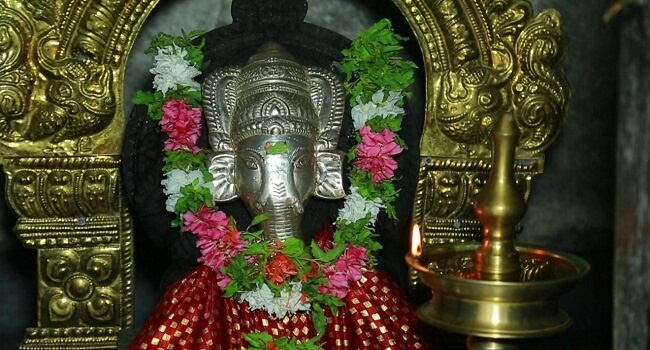
The principal annual festival begins with the Kodiyettu (flag-hoisting ceremony) on the Karthika day of the Malayalam month of Meenam. The Pooyam festival in Makaram and Shashti in Thulam are also celebrated on a grand scale. Desikālaya is particularly revered for Pitru Tarpanam and ancestral offerings. Devotees from different parts of Kerala visit the temple to perform Pitru Bali, especially on Vavu days and other auspicious occasions.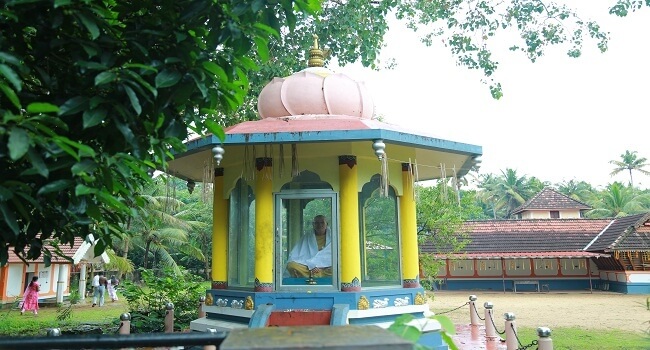 Elaborate Bali Tarpanam ceremonies are also conducted during the Malayalam months of Kumbham, Karkidakam and Thulam.
As the principal deity is Sankaranarayana, offerings associated with both the Shaiva and Vaishnava traditions are performed. Pushpanjali, Neyvilakku (ghee lamp), Enna Vilakku (oil lamp), Palpayasam and Trimadhuram are among the offerings made to the principal deity. Dhara and Shankhabhishekam are also performed as important ritual offerings.
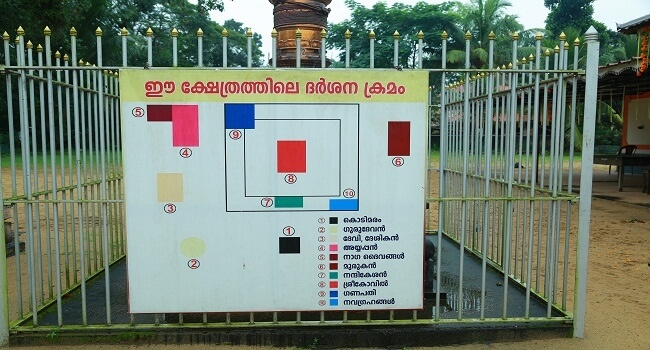 Among the sub-deities, Ganapathihomam, Karukamala and Appam are offered to Lord Ganesha; Panchamritham, milk abhishekam and lemon garlands are offered to Lord Subrahmanya; and Elluthiri and Neyyabhishekam are offered to Lord Ayyappa. During the Mandala season, Sabarimala pilgrims traditionally visit the temple and offer Elluthiri. Special observances are held on important occasions such as Maha Shivaratri, marked by special pujas and abhishekams and Ashtami Rohini (Sree Krishna Jayanti), when special offerings including Palpayasam and Pushpanjali are made.
The temple’s daily rituals begin at 5.30 am with Nada Thurappu, the opening of the sanctum doors for the first viewing (Nirmalya Darshan). The sanctum is closed at 11.00 am for the afternoon recess. The temple reopens at 5.30 pm for the evening session, followed by Deeparadhana at 6.15 pm, the auspicious lamp-lighting ceremony. The day’s final ritual, Athazha Pooja, is performed at 7.15 pm, after which the temple closes at 7.30 pm.
Key highlights:
- Located 3.5 km from Kodungalloor town.
- About 24 km from Irinjalakkuda Railway Station.
- KSRTC and local bus services are available.
- Dedicated parking is available for private vehicles.
- Accommodation and dining facilities are available nearby.
आल्हा शंकरनारायण मंदिर
अला, जिला. त्रिशूर
मंदिरे
Temples
मंदिर
મંદિરો
கோவில்கள்
దేవాలయాలు
ക്ഷേത്രങ്ങൾ
ದೇವಾಲಯಗಳು
মন্দিরসমূহ
ਮੰਦਿਰ
-
पम्बुमेक्कट्टू मना वडमा, जि. त्रिशूर
अधिक माहितीPambumekkattu Mana Vadama, Dist. Thrissur
View Detailsपम्बुमेक्कट्टु मन वडामा, जिला. त्रिशूर
विवरण देखेंPambumekkattu Mana Vadama, Dist. Thrissur
વિગત જુઓPambumekkattu Mana Vadama, Dist. Thrissur
விவரங்களைக் காண்கPambumekkattu Mana Vadama, Dist. Thrissur
వివరాలను చూడండిPambumekkattu Mana Vadama, Dist. Thrissur
വിശദാംശങ്ങൾ കാണുകPambumekkattu Mana Vadama, Dist. Thrissur
ವಿವರಗಳನ್ನು ವೀಕ್ಷಿಸಿPambumekkattu Mana Vadama, Dist. Thrissur
বিস্তারিত দেখুনPambumekkattu Mana Vadama, Dist. Thrissur
ਵੇਰਵੇ ਦੇਖੋ -
श्री कूडलमणिक्यम मंदिर इरिंजलक्कुडा, जि. त्रिशूर
अधिक माहितीSree Koodalmanikyam Temple Irinjalakkuda, Dist. Thrissur
View Detailsश्री कुडलमानिक्यम मंदिर इरिंजलाक्कुडा, जिला. त्रिशूर
विवरण देखेंSree Koodalmanikyam Temple Irinjalakkuda, Dist. Thrissur
વિગત જુઓSree Koodalmanikyam Temple Irinjalakkuda, Dist. Thrissur
விவரங்களைக் காண்கSree Koodalmanikyam Temple Irinjalakkuda, Dist. Thrissur
వివరాలను చూడండిSree Koodalmanikyam Temple Irinjalakkuda, Dist. Thrissur
വിശദാംശങ്ങൾ കാണുകSree Koodalmanikyam Temple Irinjalakkuda, Dist. Thrissur
ವಿವರಗಳನ್ನು ವೀಕ್ಷಿಸಿSree Koodalmanikyam Temple Irinjalakkuda, Dist. Thrissur
বিস্তারিত দেখুনSree Koodalmanikyam Temple Irinjalakkuda, Dist. Thrissur
ਵੇਰਵੇ ਦੇਖੋ -
पायम्मल श्री शत्रुघ्न मंदिर पायम्मल, जि. त्रिशूर
अधिक माहितीPayammal Sree Shatrughna Temple Payammal, Dist. Thrissur
View Detailsपयम्मल श्री शत्रुघ्न मंदिर पयम्मल, जिला. त्रिशूर
विवरण देखेंPayammal Sree Shatrughna Temple Payammal, Dist. Thrissur
વિગત જુઓPayammal Sree Shatrughna Temple Payammal, Dist. Thrissur
விவரங்களைக் காண்கPayammal Sree Shatrughna Temple Payammal, Dist. Thrissur
వివరాలను చూడండిPayammal Sree Shatrughna Temple Payammal, Dist. Thrissur
വിശദാംശങ്ങൾ കാണുകPayammal Sree Shatrughna Temple Payammal, Dist. Thrissur
ವಿವರಗಳನ್ನು ವೀಕ್ಷಿಸಿPayammal Sree Shatrughna Temple Payammal, Dist. Thrissur
বিস্তারিত দেখুনPayammal Sree Shatrughna Temple Payammal, Dist. Thrissur
ਵੇਰਵੇ ਦੇਖੋ