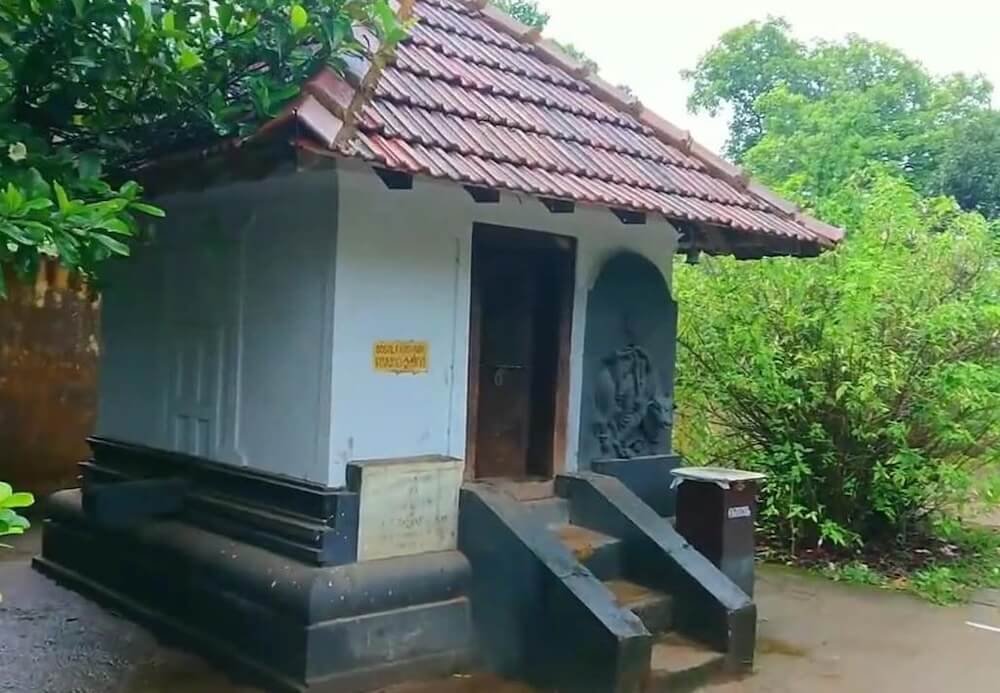
थ्रिशलेरी श्री महादेवाचे मंदिर
थ्रिशलेरी, मानंतवाडी, जि. वायनाड.
Thrishilery Sree Mahadeva Temple
Thrishilery, Mananthavady, Dist. Wayanad.
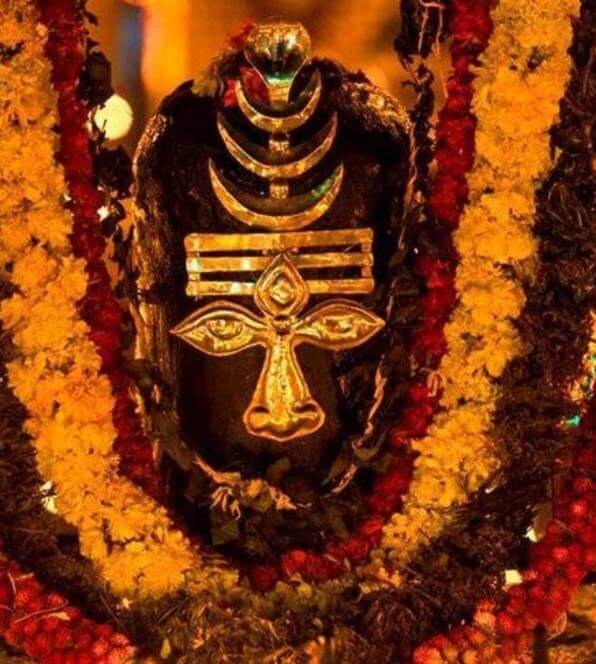 Thrissilery Mahadeva Temple, located at Thirunelly near Mananthavady in Wayanad district, is one of the ancient Shiva temples in Kerala. Lord Shiva is the main deity, facing west. The temple is one of the 108 Shiva temples in Kerala and has a close connection with the Thirunelly Mahavishnu Temple. Bali Tharpanam for the departed is performed here throughout the year.
The temple is more than 1,000 years old. It was built in its present form during the rule of the Chera kings and the Mushika dynasty, who ruled North Malabar and Wayanad. The Thrissilery Temple has a history from the same period as the nearby Thirunelly Temple. At one time, the King of Coorg attempted to renovate the temple, but Vellattiri Raja, who was the temple’s hereditary owner at the time, opposed the work and the construction was stopped halfway. Evidence of this can still be seen at the temple. The area also had importance in the military movements of Pazhassi Raja, who fought against the British from Wayanad. The Tourism Department has included the temple as part of the Pazhassi Circuit. 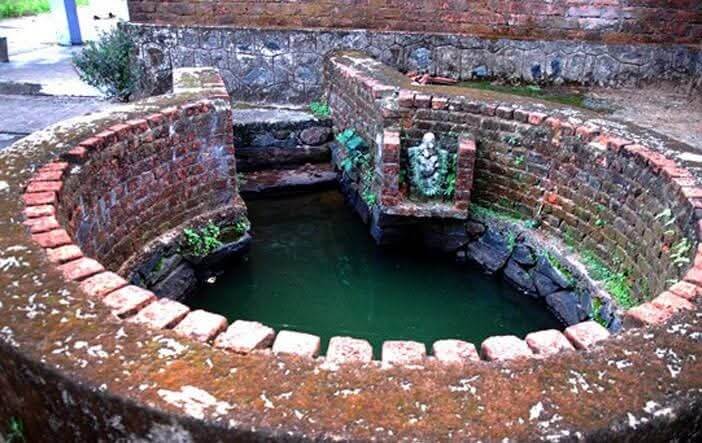 In earlier times, the temple was under the supervision of the Kottayam (Malabar) royal family or Chirakkal Kovilakam and was later managed by local Ooralans (trustees). Under the Malabar Hindu Religious and Charitable Endowments Act, the temple later came fully under the Devaswom Board.
The Jaladurga shrine in the middle of the temple pond is believed to have been installed by Parashurama. Devotees believe that the water in the pond never dries up because water from the sacred Papanashini River at Thirunelly flows underground and reaches the temple pond. Thrissilery Mahadeva Temple has a close traditional connection with the Thirunelly Mahavishnu Temple.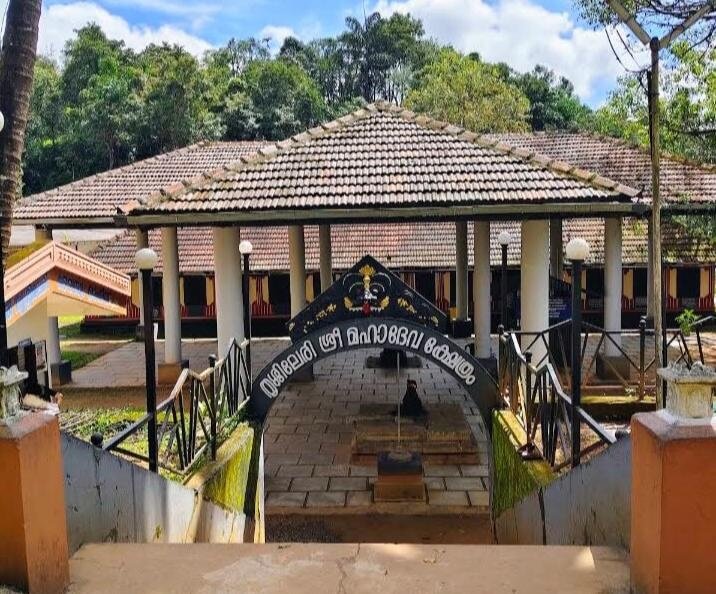 It is believed that those who perform Bali Tharpanam at Thirunelly should come to Thrissilery and offer a Vilwa Mala and a lamp to Lord Shiva for the departed to attain complete liberation. One legend says that the name ‘Thrissilery’ comes from the words ‘Thiru-Chilanti-Yeri’. According to this legend, when a sage was meditating here, spiders spun webs around his body and Lord Shiva appeared here, pleased with his devotion. Another belief is that the name comes from ‘Thiru-Shirass-Yeri’, meaning the sacred head of Lord Shiva.
As you approach the temple, you can see a simple entrance gate in the traditional Kerala architectural style and a large compound wall made of granite. Large granite pillars cut in a cubic style can be seen along the outer wall of the temple. The famous Jaladurga temple pond is located just outside the Nalambalam, close to the temple. In the middle of the pond, 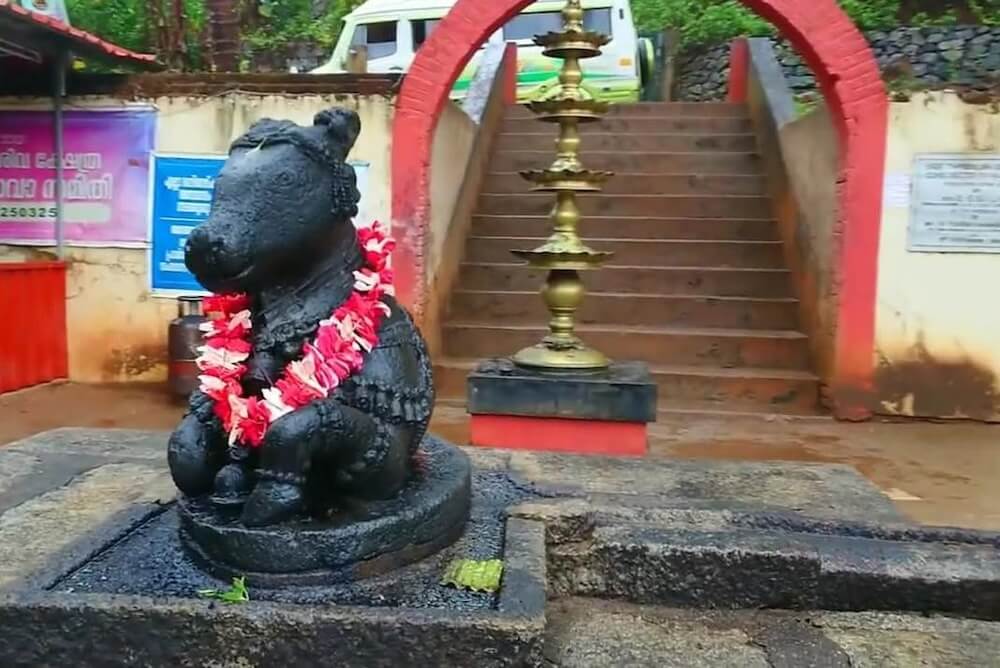 the Jaladurga deity is enshrined in a small Sreekovil surrounded by water. After entering through the main gate, there is a Balikkalpura with a large Bali stone. In front of it, inside the Nalambalam, is a Namaskara Mandapam supported by granite pillars.
The main Sreekovil is built in the traditional Kerala architectural style, with a square plan and a double-roofed, two-tiered structure. The lower level is made entirely of granite, while the upper level and roof are made of laterite stone and wood. The roof is covered with copper sheets. Beautiful wooden carvings depicting scenes from the Ramayana and Mahabharata can be seen on the front of the Sreekovil and its rafters. 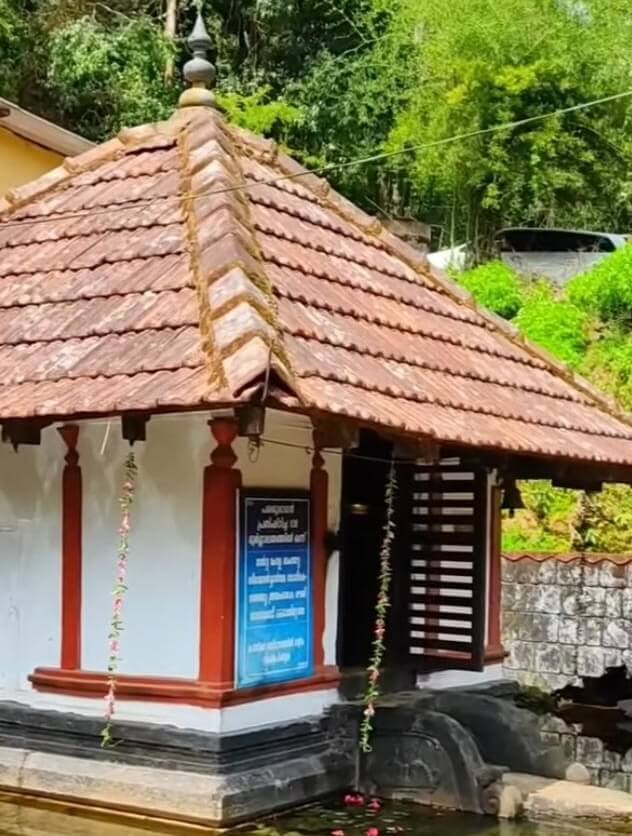 The granite steps leading to the Sreekovil, known as Sopana, feature yali figures and other carvings. Lord Shiva is the main deity and the Shiva Lingam inside the Sreekovil is Swayambhu, meaning self-manifested. Worship is offered here in the Sadashiva form of Lord Shiva. As the Lingam is a naturally formed stone, it has special archaeological and spiritual significance. Lord Ganapathi is installed in the south-western corner of the main Nalambalam, facing east. Outside the Nalambalam, in the south-western area, Lord Vanashastha is enshrined on an open granite platform without a roof. Bhagavathi is worshipped on a separate platform in the north-western area.
The main annual festival of the temple is the seven-day Kodiyettutsavam held in the Malayalam month of Meenam (March–April). Special poojas, Sree Bhootha Bali, Pallivetta and Aarattu are held during the festival, along with traditional and folk art performances of Wayanad. Thulam Puthari is observed in the Malayalam month of Thulam (October–November). On this occasion, farmers in Wayanad offer the first harvested rice to the deity. Puthari rice Nivedyam and Annadanam are the main observances of the day. Mahashivaratri is also observed in the Malayalam month of Kumbham (February–March). The temple remains open throughout the night, with Yama Poojas, Laksharchana and Akhanda Namajapam. 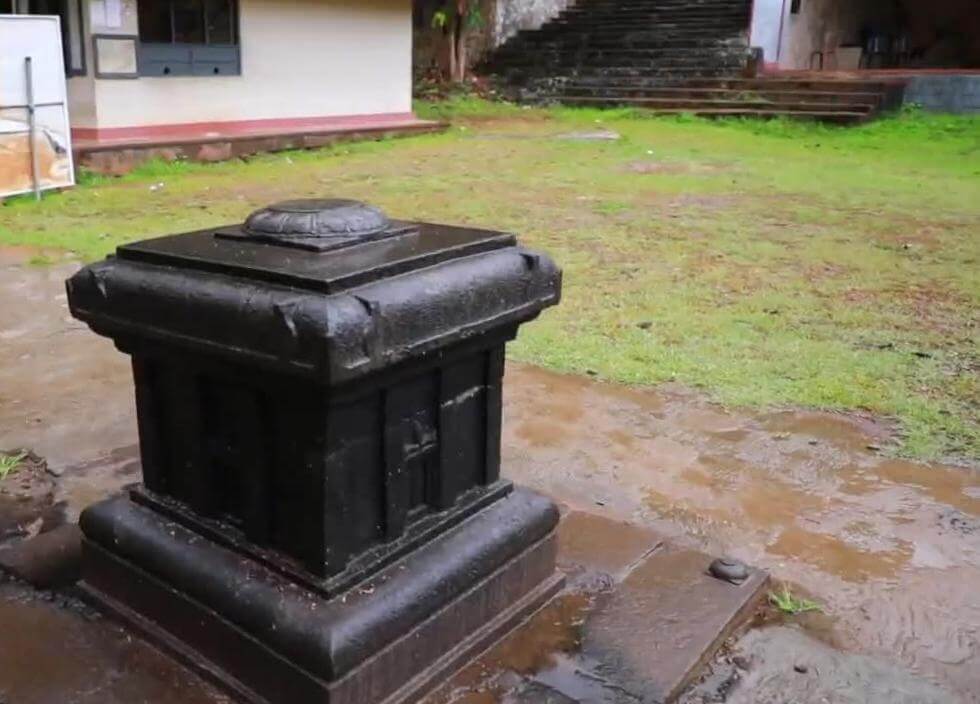 On Karkidaka Vavu, devotees perform Bali Tharpanam at Papanashini in Thirunelly and then come to Thrissilery to offer Vilwa Mala and lamps for the liberation of their ancestors. During the Mandala-Makaravilakku season, from Vrischikam 1 to Dhanu 11, special lamp poojas and offerings are made to Lord Vanashastha. Special poojas and offerings to Lord Shiva are also performed on Pradosha days every month.
The main offerings at the temple include Vilwa Mala, Dhara, ancestral poojas and Pinvilakku. Vilwa Mala is a major offering to Lord Shiva. Devotees offer it at Thrissilery after performing Bali Tharpanam at Thirunelly for the liberation of their ancestors. Dhara involves continuously pouring water or ghee over the Shiva Lingam and is performed for mental well-being and relief from ailments.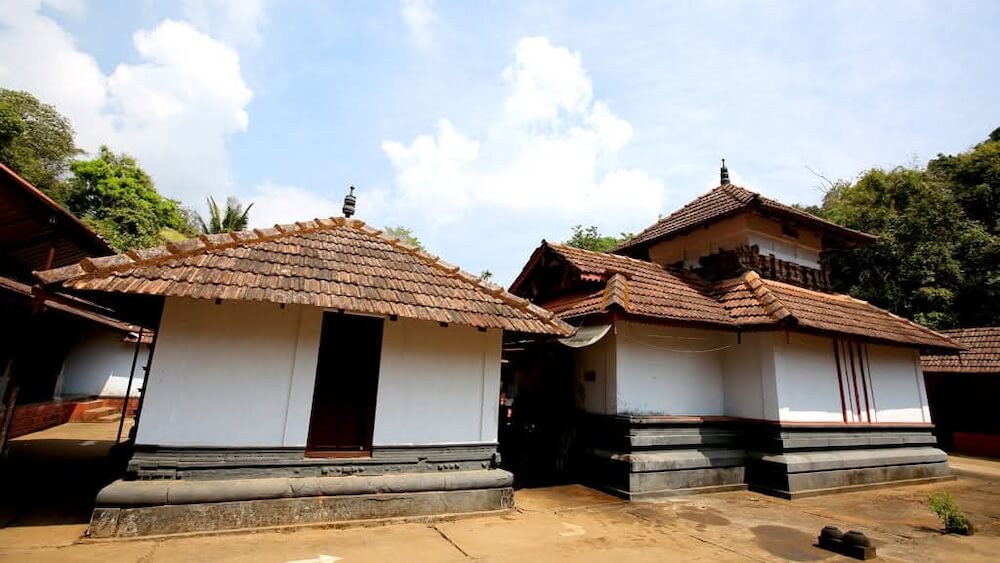 Special prayers and poojas are performed to remove ancestral doshas. Pinvilakku is a lamp lit behind the Sreekovil in the form of Goddess Parvathi and is offered for marital success and to find a suitable partner. Breaking a coconut before Goddess Jaladurga is a major offering, performed to remove obstacles and negative influences. Kootupayasam Nivedyam and Lalitha Sahasranama Archana are also performed for the Goddess. Ganapathi Homam is offered to Kanni Moola Ganapathi to remove obstacles, while Neerajanam, involving the lighting of sesame wicks, is offered to Lord Vanashastha to remove the effects of Shani dosha.
The temple is open every day from 05:30 AM, beginning with Nirmalya Darshan. This is followed by Abhishekam using water and ghee. After sunrise, Malar Nivedyam and Usha Pooja are performed. Ucha Pooja and Nivedyam are held from 11:30 AM to 12:00 PM, after which the temple closes at around 12:30 PM. The temple reopens at 05:00 PM for evening darshan. Deeparadhana is performed from 06:30 PM until sunset. Athazha Pooja and Nivedyam are held at 07:15 PM. After Athazha Pooja, Thrippuka is performed and the temple closes at around 07:30 PM. Pooja timings may change on special days and during festival periods.
Key highlight :-
- Located 8 km from Mananthavady and 34 km from Kalpetta.
- The nearest railway station is Thalassery, about 80 km away.
- KSRTC and local bus facilities are available to the temple from Mananthavady.
- Private vehicles can be parked in the temple’s parking area.
- Accommodation and food facilities are available in the nearby towns.
- Contact number +91 4935294038, +91 9544258559.