
पट्टुपुरक्कावू देवी मंदिर
त्रिक्काकारा, कक्कनड, जि. एर्नाकुलम.
Pattupurakkavu Devi Temple
Thrikkakara, Kakkanad, Dist. Ernakulam.
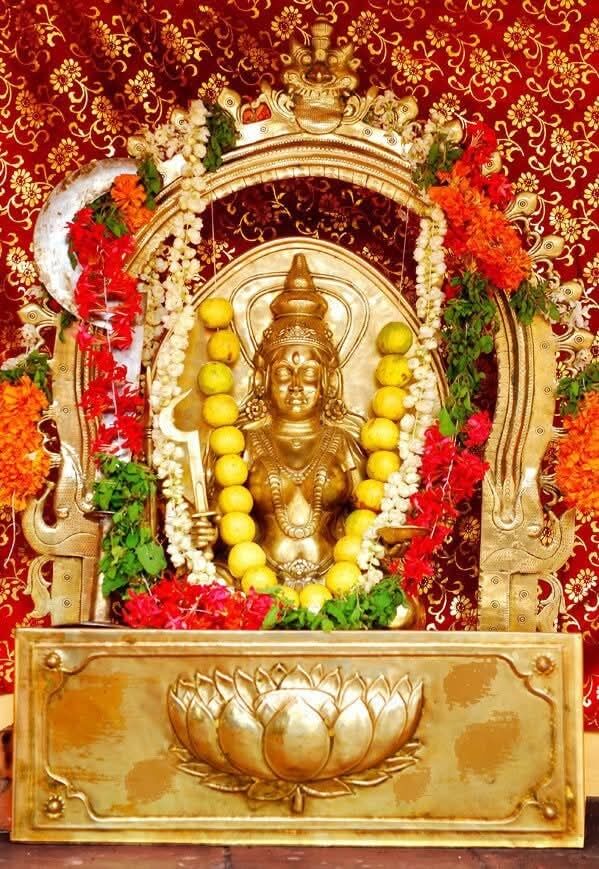 Kakkanad Major Pattupurakkal Sree Bhagavathi Temple, also known as Pattupurakkavu Devi Temple, is a well-known Hindu temple located at Kakkanad, the administrative headquarters of Ernakulam district. The temple is managed by the Travancore Devaswom Board and has Major Temple status. Goddess Bhagavathi is the main deity, while Lord Shiva, Lord Ayyappa (Dharma Sastha) and Lord Ganesha are also worshipped here. The temple is an important centre of worship and attracts many devotees throughout the year.
Historically, although Kakkanad was located near the border of the Kingdom of Cochin, the area was once under the rule of the Kingdom of Travancore. During the royal period, the temple was under the direct supervision and administration of the Travancore rulers. After the formation of the Travancore Devaswom Board, the administration of the temple was transferred to the Board. Considering the temple’s income, the large number of devotees and the importance of its rituals, the Board granted it the status of a Major Temple. The temple, with its ancient Sreekovil (sanctum sanctorum) and Nalambalam (inner courtyard), has undergone significant renovation and development as Kakkanad grew into one of Kerala’s major IT and administrative centres. With the support of devotees, several modern facilities, including a large auditorium, were added to the temple complex in later years.
According to local belief, this area was once covered with forests and open land. 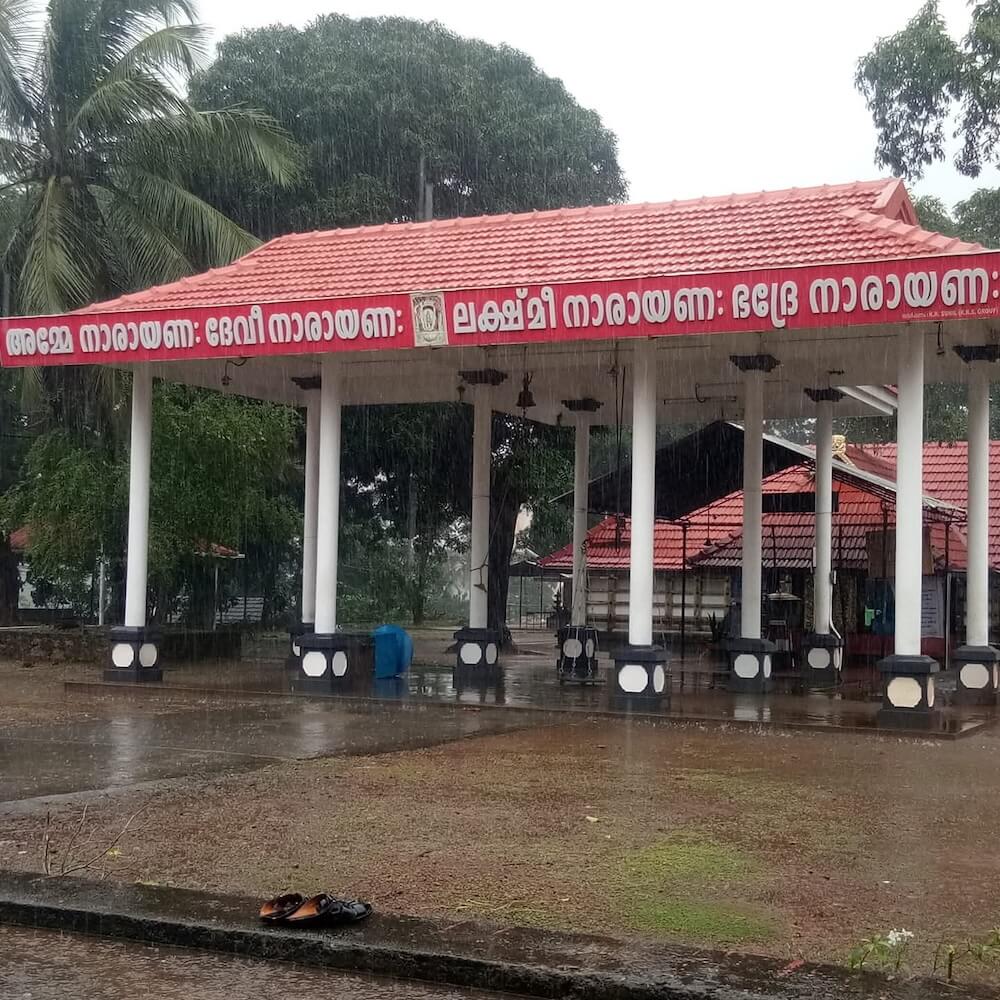 The presiding deity is believed to have been installed as Kaattu Bhadrakali (Vanadurga) to protect the local people from wild animals and contagious diseases. Some local traditions also believe that a part of the divine presence of Kodungallur Bhagavathi was invoked here through Thottam Pattu. However, there is no clear historical or Puranic evidence to support this belief. In earlier times, special structures where Thottam Pattu and Kalamezhuthum Paattum were performed to worship the Goddess in sacred groves and Bhadrakali temples were known as Pattupuras. It is believed that this temple came to be known as Pattupurakkal or Pattupurakkavu because it had an important Pattupura where these rituals were traditionally performed.
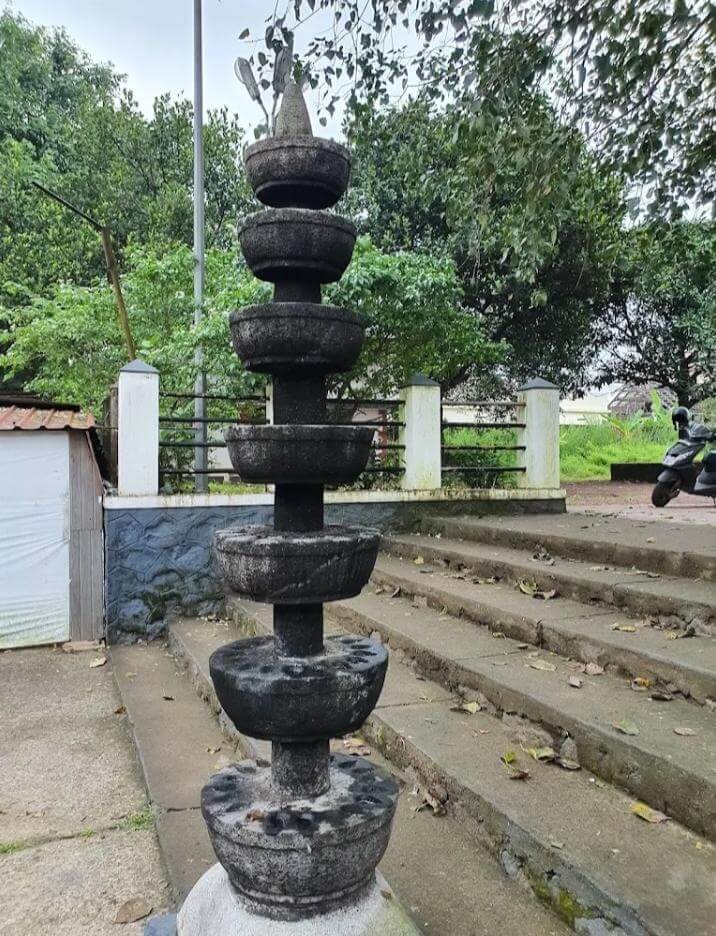
A welcome arch marks the entrance to the temple from the main road. Inside the temple courtyard stands a large elephant shelter, which is used to accommodate elephants and conduct traditional performances during festivals. Nearby, in front of the Nalambalam, is the main Balikkal (sacrificial stone), which is associated with the temple’s ritual practices. 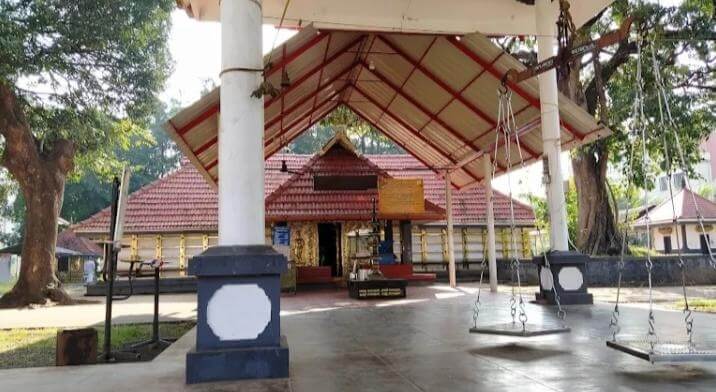 A modern auditorium within the temple complex is also visible from this area. Passing through the large wooden entrance gate, visitors can see traditional lamp stands on both sides. Inside, the spacious Nalambalam (inner courtyard), with its stone-paved circumambulatory path, surrounds the main Sreekovil (sanctum sanctorum). Directly in front of the Sreekovil is the Namaskara Mandapam, where the priests perform temple rituals and chant sacred mantras.
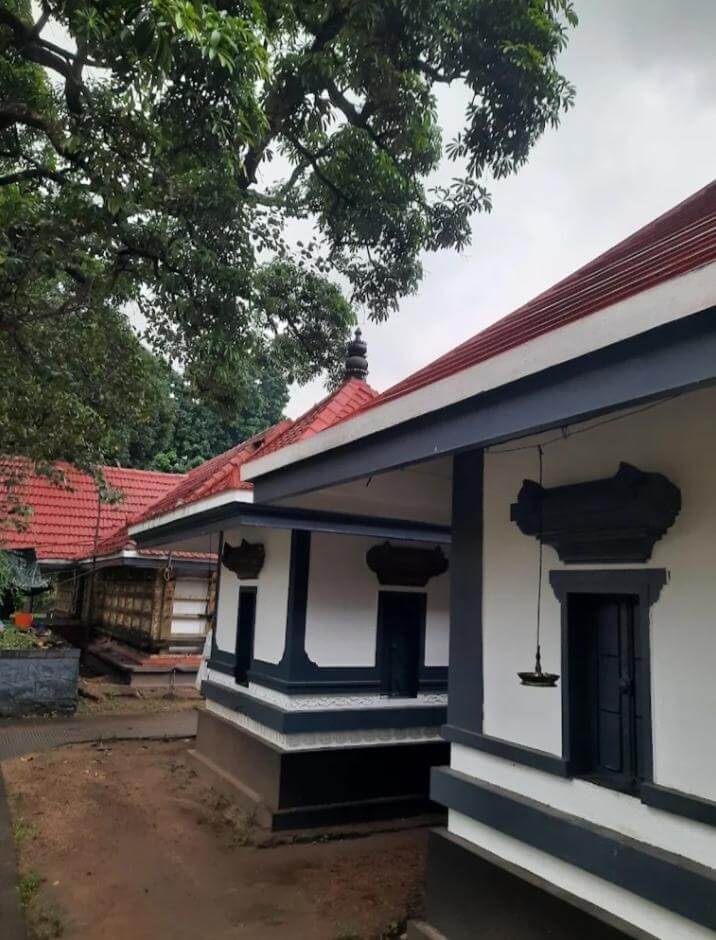
The Sreekovil (sanctum sanctorum) of the temple is built in the traditional Kerala style with a square plan. 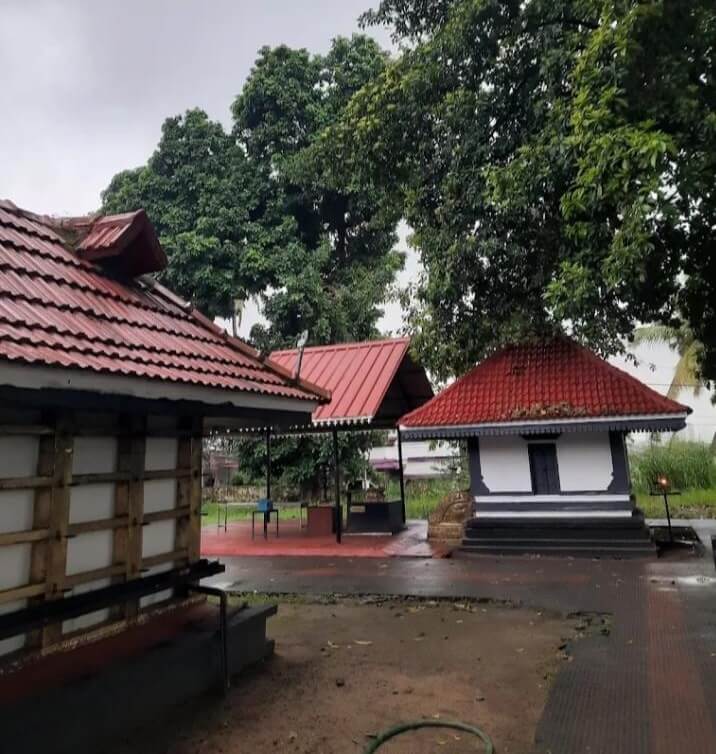 It features a sloping roof, plastered stone walls, a timber upper structure and a roof covered with clay tiles and copper sheets. The black stone steps leading to the sanctum have carved designs on both sides. A wooden gable on the front of the roof provides ventilation and natural light. The main deity is Goddess Bhagavathi (Bhadrakali), enshrined in the sanctum as a finely carved black stone idol. As the temple follows the traditional Kavu heritage, the Goddess is worshipped both as the fierce Kaattu Bhadrakali (Vanadurga) and as the peaceful form of Goddess Durga. Oil lamps remain lit before the deity and during Deeparadhana and other poojas, the idol is adorned with silk garments and gold ornaments. The pedestal (Adhishtana) of the idol is also made of black stone and has been built according to the traditional principles of Kerala temple architecture and Thachu Shastra.
In addition to the main Sreekovil, the temple has shrines dedicated to Lord Ganesha, Lord Shiva, Lord Dharma Sastha (Lord Ayyappa) and the Naga deities. The shrine of Lord Ganesha is located in the south-west corner (Kannimoola), facing east. 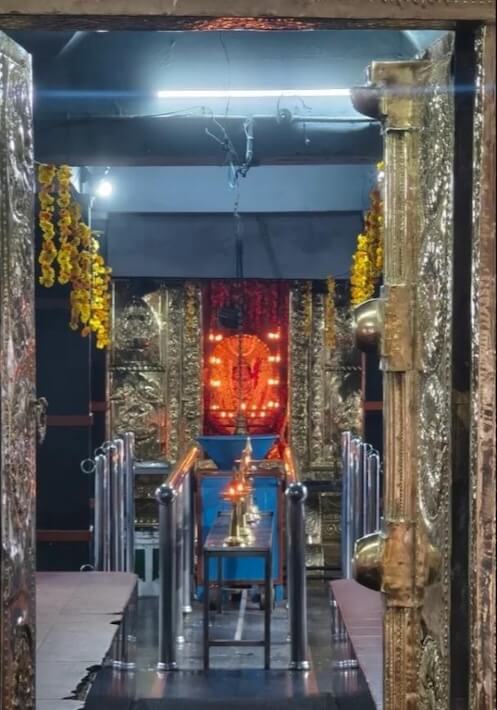 The shrine of Lord Shiva stands to the north-west of the main Sreekovil. The shrine of Lord Dharma Sastha is situated in the south-west part of the temple complex. The Naga deities are enshrined at the Nagathara in the north-east corner of the temple grounds.
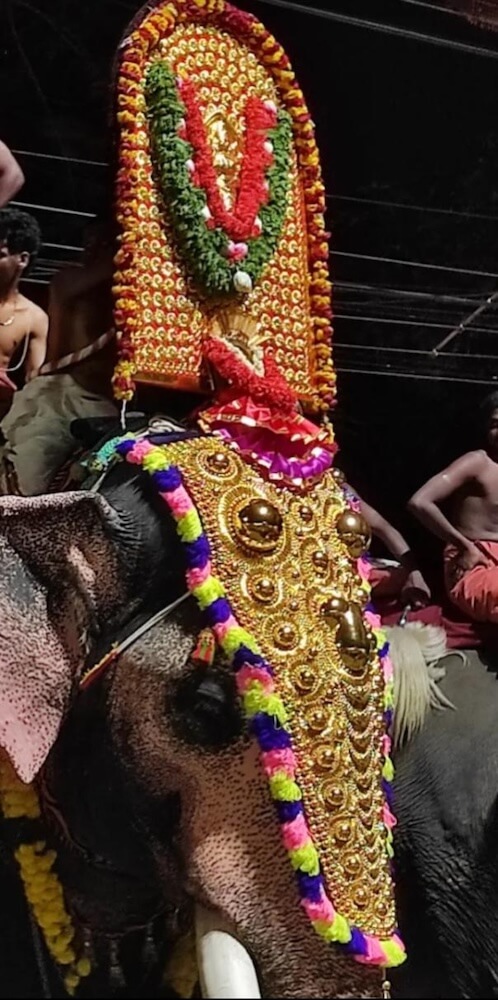
The temple’s main annual festival is a 12-day celebration that begins with the Pongala ceremony during the Malayalam month of Meenam (March–April). Every evening during the festival, a ceremonial procession of the Goddess, carrying the Thidambu, takes place along with Thalappoli and the accompaniment of traditional Chenda Melam. On Bharani, the final day of the festival, the famous Pakal Pooram is held. A grand procession featuring Ammankudam, Kumbhakkudam, Theyyam, Mayilattam, Kavadiyattam, Chenda Melam and Thalappoli, with the Thidambu of the Goddess carried on a caparisoned elephant, arrives at the temple. This is followed by Maha Annadanam (community feast), while the traditional ritual art of Mudiyettu is performed at night. The festival concludes around midnight with the Valiya Guruthi Tharpanam ritual. The temple also observes special poojas and ceremonies during the Mandala season in the month of Vrischikam, Navaratri, Thrikarthika and Ayilyam.
The main offerings at the temple include Guruthi Pooja, Rakthapushpanjali, Kadumpayasam, Payasam Nivedyam, Chuttuvilakku, Niramala and the offering of silk garments (Pattupudava) to the Goddess.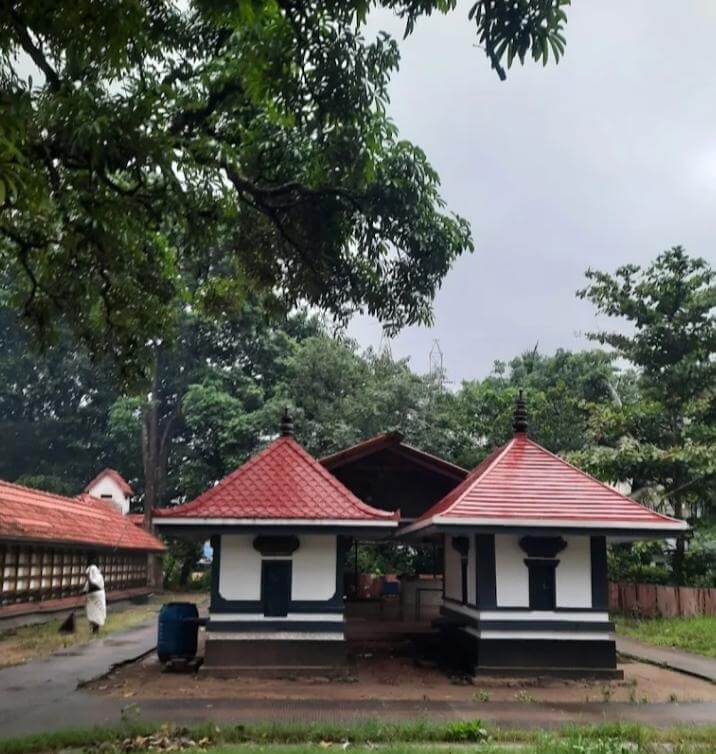 Devotees perform these offerings seeking protection from enemies, freedom from fear, good health, the fulfilment of wishes, prosperity, family well-being, peace of mind and marital blessings. Offerings are also made to the subsidiary deities, including Ganapathi Homam, Appam Nivedyam, Dhara, Koovalam Mala, Ellu Vilakku, Neerajanam and Noorum Palum. These are performed for the removal of obstacles, good health, long life, relief from the effects of Shani and remedies for Naga Dosha.
The temple opens every day at 05:00 AM and the daily rituals begin with Nirmalya Darshanam. This is followed by Abhishekam and Malar Nivedyam at 05:30 AM, Usha Pooja at 06:00 AM, Ethrithu Pooja at 08:30 AM and Ucha Pooja at 10:00 AM, after which the temple closes at 10:30 AM. The temple reopens at 05:00 PM. Deeparadhana is performed at 06:30 PM, followed by Athazha Pooja at 07:30 PM. The temple closes for the day at 08:00 PM after Thrippuka. During special occasions such as the Bharani festival in the Malayalam month of Meenam, the Mandala season, Navaratri and Thrikarthika, the pooja and temple opening hours may vary.
Key highlight :-
- Located 7 km from Edappally, 9 km from Tripunithura and 15 km from Aluva.
- The nearest railway stations are Ernakulam Town Railway Station, about 9 km away and Aluva
- Railway Station, about 14 km away.
- KSRTC and local bus services are available to the temple from Aluva and Ernakulam.
- Private vehicles can be parked in the temple’s designated parking area.
- Accommodation and food facilities are available in the nearby towns.
पत्तुपुरक्कवु देवी मंदिर
थ्रिक्काकारा, कक्कानाड, जिला। एर्नाकुलम.
मंदिरे
Temples
मंदिर
મંદિરો
கோவில்கள்
దేవాలయాలు
ക്ഷേത്രങ്ങൾ
ದೇವಾಲಯಗಳು
মন্দিরসমূহ
ਮੰਦਿਰ
-
श्री लक्ष्मी नारायण मंदिर कुंबलम, जि. एर्नाकुलम.
अधिक माहितीSree Lakshmi Narayana Temple Kumbalam, Dist. Ernakulam.
View Detailsश्री लक्ष्मी नारायण मंदिर कुम्बलम, जिला. एर्नाकुलम.
विवरण देखेंSree Lakshmi Narayana Temple Kumbalam, Dist. Ernakulam.
વિગત જુઓSree Lakshmi Narayana Temple Kumbalam, Dist. Ernakulam.
விவரங்களைக் காண்கSree Lakshmi Narayana Temple Kumbalam, Dist. Ernakulam.
వివరాలను చూడండిSree Lakshmi Narayana Temple Kumbalam, Dist. Ernakulam.
വിശദാംശങ്ങൾ കാണുകSree Lakshmi Narayana Temple Kumbalam, Dist. Ernakulam.
ವಿವರಗಳನ್ನು ವೀಕ್ಷಿಸಿSree Lakshmi Narayana Temple Kumbalam, Dist. Ernakulam.
বিস্তারিত দেখুনSree Lakshmi Narayana Temple Kumbalam, Dist. Ernakulam.
ਵੇਰਵੇ ਦੇਖੋ -
कोचीन थिरुमाला देवस्वोम मंदिर चेरलाई, मत्तनचेरी, जि. एर्नाकुलम.
अधिक माहितीCochin Thirumala Devaswom Temple Cherlai, Mattancherry, Dist. Ernakulam.
View Detailsकोचीन थिरुमाला देवास्वोम मंदिर चेरलाई, मट्टनचेरी, जिला। एर्नाकुलम.
विवरण देखेंCochin Thirumala Devaswom Temple Cherlai, Mattancherry, Dist. Ernakulam.
વિગત જુઓCochin Thirumala Devaswom Temple Cherlai, Mattancherry, Dist. Ernakulam.
விவரங்களைக் காண்கCochin Thirumala Devaswom Temple Cherlai, Mattancherry, Dist. Ernakulam.
వివరాలను చూడండిCochin Thirumala Devaswom Temple Cherlai, Mattancherry, Dist. Ernakulam.
വിശദാംശങ്ങൾ കാണുകCochin Thirumala Devaswom Temple Cherlai, Mattancherry, Dist. Ernakulam.
ವಿವರಗಳನ್ನು ವೀಕ್ಷಿಸಿCochin Thirumala Devaswom Temple Cherlai, Mattancherry, Dist. Ernakulam.
বিস্তারিত দেখুনCochin Thirumala Devaswom Temple Cherlai, Mattancherry, Dist. Ernakulam.
ਵੇਰਵੇ ਦੇਖੋ -
पझूर पेरुमथ्रिककोविल महादेवाचे मंदिर पझूर, पिरावोम, जि. एर्नाकुलम.
अधिक माहितीPazhoor Perumthrikkovil Mahadeva Temple Pazhoor, Piravom, Diist. Ernakulam.
View Detailsपज़हूर पेरुमथ्रिककोविल महादेव मंदिर पज़हूर, पिरावोम, जिला। एर्नाकुलम.
विवरण देखेंPazhoor Perumthrikkovil Mahadeva Temple Pazhoor, Piravom, Diist. Ernakulam.
વિગત જુઓPazhoor Perumthrikkovil Mahadeva Temple Pazhoor, Piravom, Diist. Ernakulam.
விவரங்களைக் காண்கPazhoor Perumthrikkovil Mahadeva Temple Pazhoor, Piravom, Diist. Ernakulam.
వివరాలను చూడండిPazhoor Perumthrikkovil Mahadeva Temple Pazhoor, Piravom, Diist. Ernakulam.
വിശദാംശങ്ങൾ കാണുകPazhoor Perumthrikkovil Mahadeva Temple Pazhoor, Piravom, Diist. Ernakulam.
ವಿವರಗಳನ್ನು ವೀಕ್ಷಿಸಿPazhoor Perumthrikkovil Mahadeva Temple Pazhoor, Piravom, Diist. Ernakulam.
বিস্তারিত দেখুনPazhoor Perumthrikkovil Mahadeva Temple Pazhoor, Piravom, Diist. Ernakulam.
ਵੇਰਵੇ ਦੇਖੋ