
कट्टुवत्तूर शिव मंदिर
देशमंगलम, जि. त्रिशूर.
Kattuvattur Shiva Temple
Desamangalam, Dist. Thrissur.
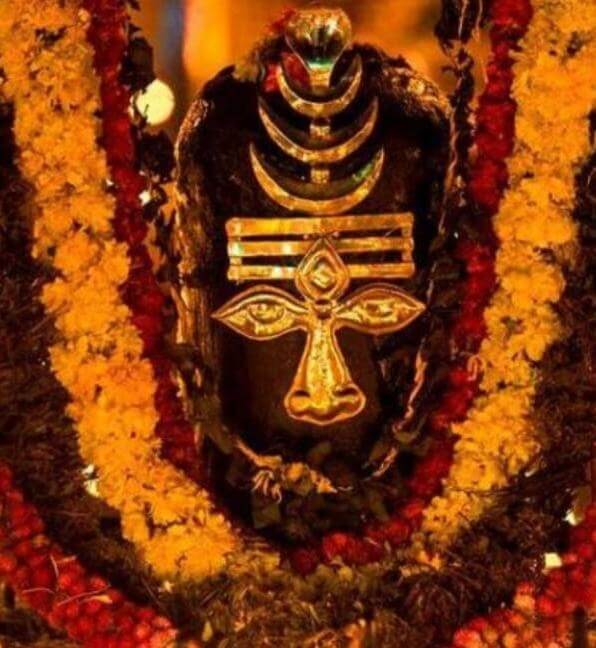 Kattuvattur Shiva Temple is an ancient Hindu temple located at Desamangalam in the Thrissur district of Kerala. Lord Shiva is the main deity worshipped here. Set amidst a peaceful rural landscape and shaded by a large banyan tree, the temple is well known for its historical importance and traditional Kerala temple architecture. For centuries, it has remained an important place of worship for the local community and continues to preserve the region’s religious traditions and cultural heritage.
This temple is believed to be around 800 to 1,000 years old, based on the available historical and architectural evidence. Historians estimate that it was built between the 10th and 12th centuries AD. There are no inscriptions or historical records that clearly identify the king or individual who built it. However, it is believed to have been established under the patronage of the rulers of the former Nedunganad Kingdom, the local rulers of the Talappilly region, or influential local feudal chiefs of that period. One of its most important historical features is its circular sanctum (Vatta Sreekovil), a distinctive element of medieval Kerala temple architecture. 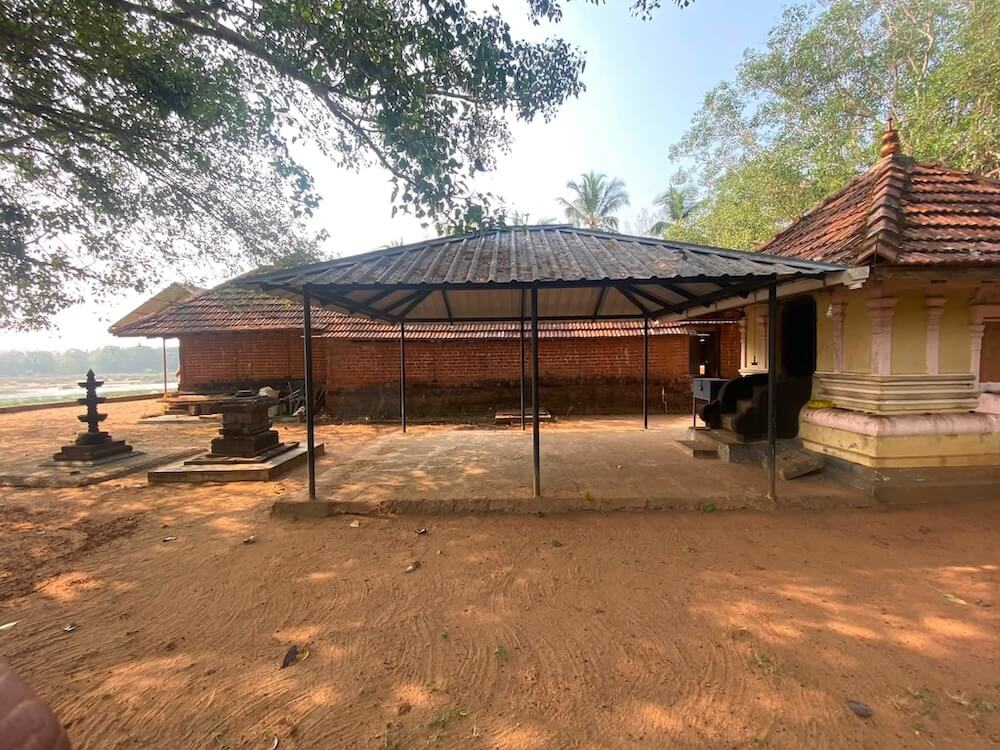 Circular sanctums were widely built during the 10th and 11th centuries AD. Historically, the temple is believed to have been under the supervision of the Desamangalam Mana or local Ooralan committees. Today, it is administered by the Malabar Devaswom Board.
According to local belief, the Shiva Linga in this temple was consecrated by Parasurama, as in many other ancient Shiva temples in Kerala. Some devotees also believe that it is one of the 108 Shiva temples established by him. There is also a local legend about the origin of the temple’s name. It is believed that the name Kattuvattur is derived from the words ‘Katta’, meaning bundles of grass and ‘Vattur’, meaning a circular place or circular sanctum. 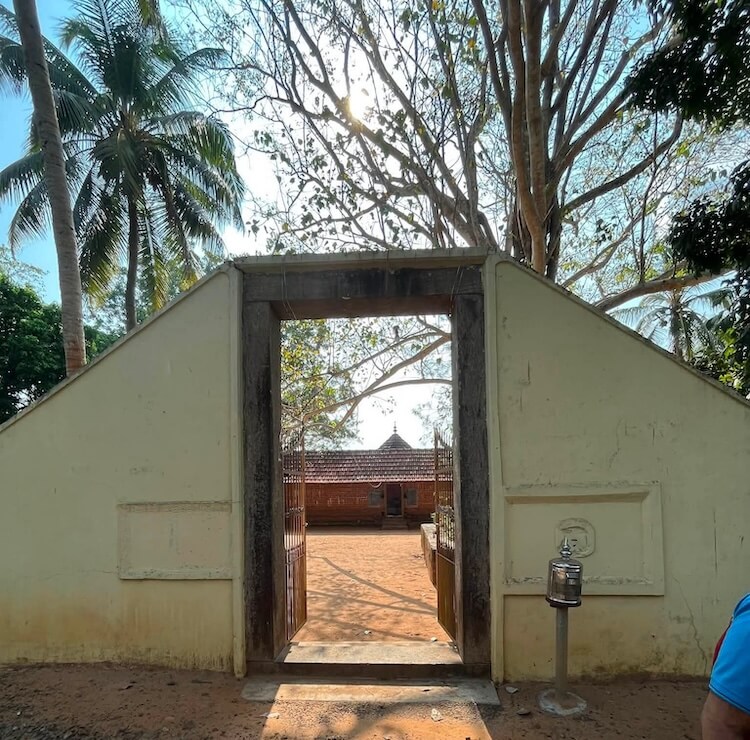 According to local tradition, the area and the temple came to be known by this name after a divine presence was experienced at a circular site where bundles of grass were once stored.
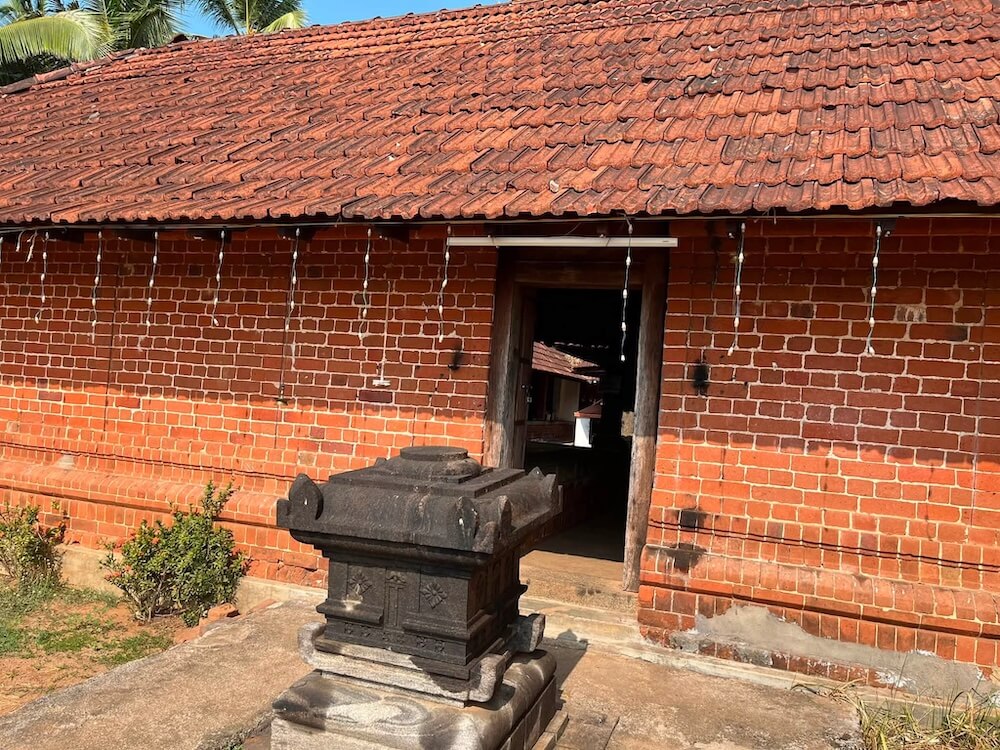
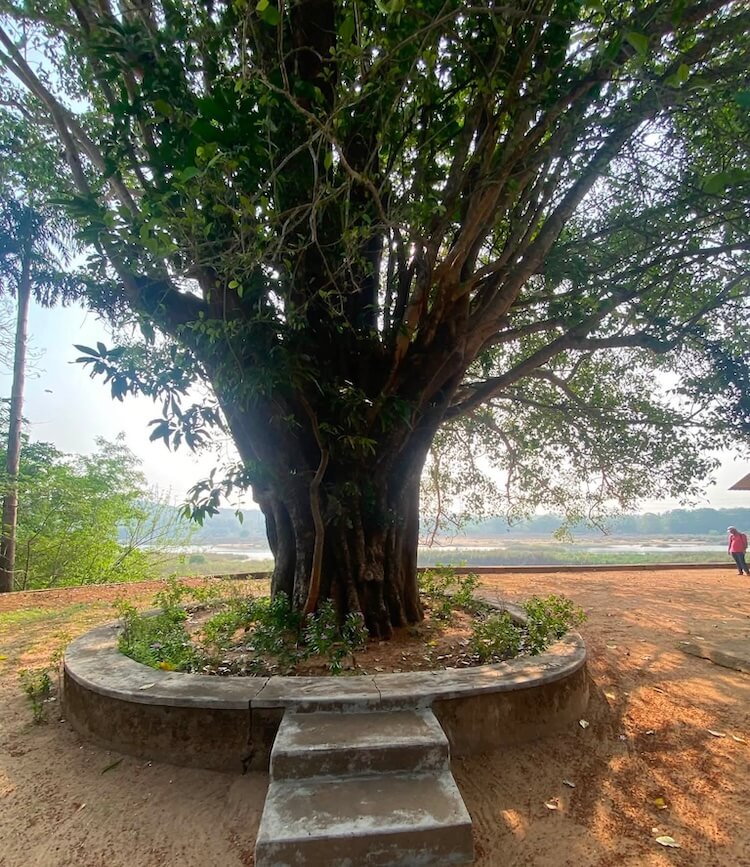
As you approach the temple, you are welcomed by a peaceful rural setting. Outside the temple stands a large banyan tree with a traditional platform built around it. The surrounding compound wall, simple entrance gateway and sloping tiled roofs built in the traditional Kerala style reflect the temple’s ancient character. After entering through the main gateway, you will see the flagstaff and the Balipeetha (altar stone). Beyond this is the Nalambalam, the covered structure surrounding the main sanctum where devotees perform circumambulation. In front of the sanctum is a square Namaskara Mandapam, decorated with fine wooden carvings that showcase the beauty of traditional Kerala temple craftsmanship.
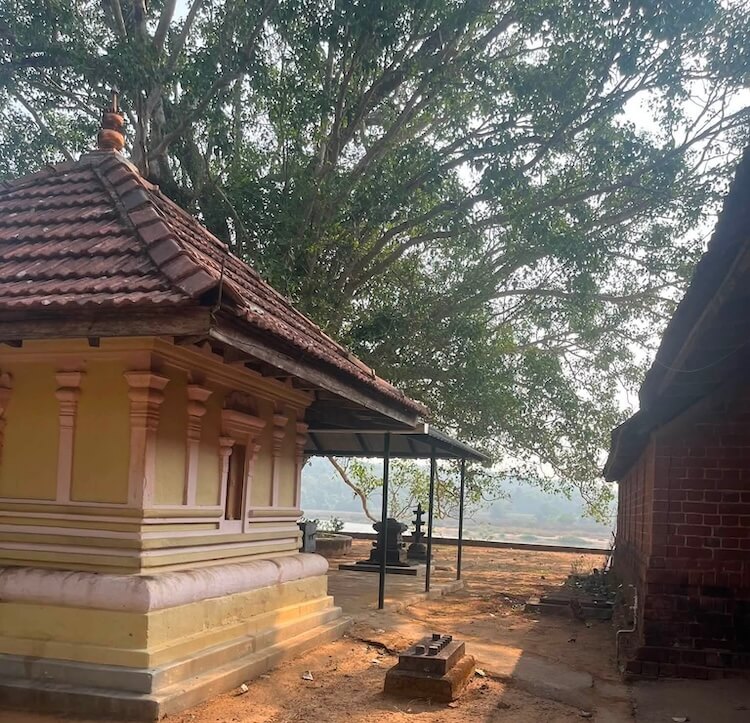
The main sanctum is built in the traditional circular style (Vatta Sreekovil), 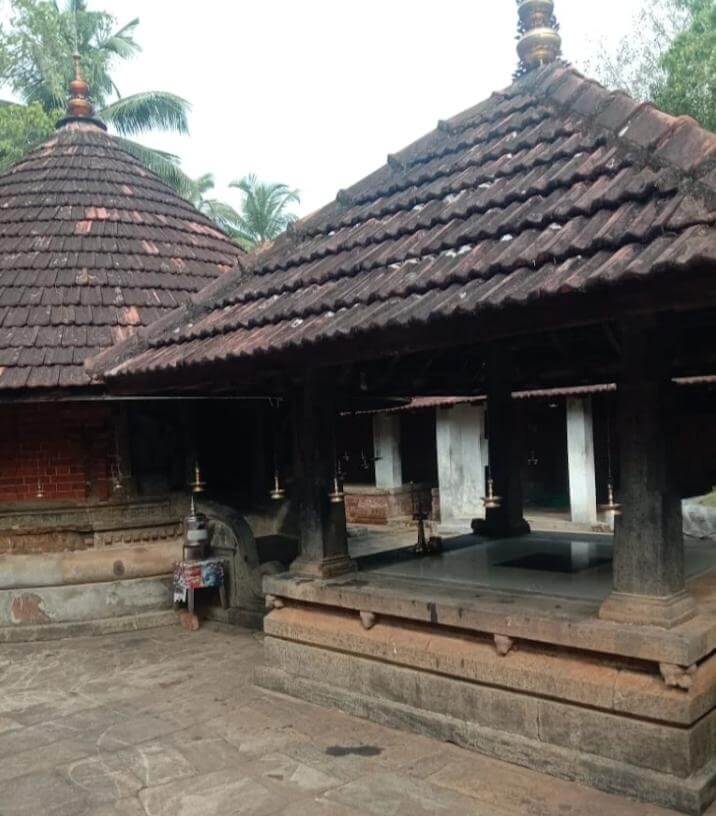 a distinctive feature of medieval Kerala temple architecture. Above the circular sanctum is a conical wooden roof covered with clay tiles, crowned by a lotus bud-shaped finial. The innermost chamber, known as the Garbhagriha (sanctum sanctorum), houses the Shiva Linga, the main deity of the temple. The Sopanam, the stone steps leading to the sanctum, is carved from granite. The foundation and walls are mainly built of granite and laterite stone, while the inner roof structure is made of timber and the outer roof is covered with sloping clay tiles to protect the temple from heavy rain. The Shiva Linga is carved from granite and is installed on a circular pedestal (Peetha) in accordance with traditional temple principles. A water outlet is provided on the northern side of the pedestal to drain the water used during Abhishekam. Lord Shiva is worshipped here in the peaceful form of Sadashiva.
Besides the main deity, the temple has several other shrines. Within the Nalambalam, on the south-west side of the main sanctum, is the shrine of Lord Ganesha. Devotees usually offer prayers here first, seeking the removal of obstacles. Outside the Nalambalam are the shrines of Lord Ayyappa and Lord Krishna in his Parthasarathy form, the charioteer of Arjuna.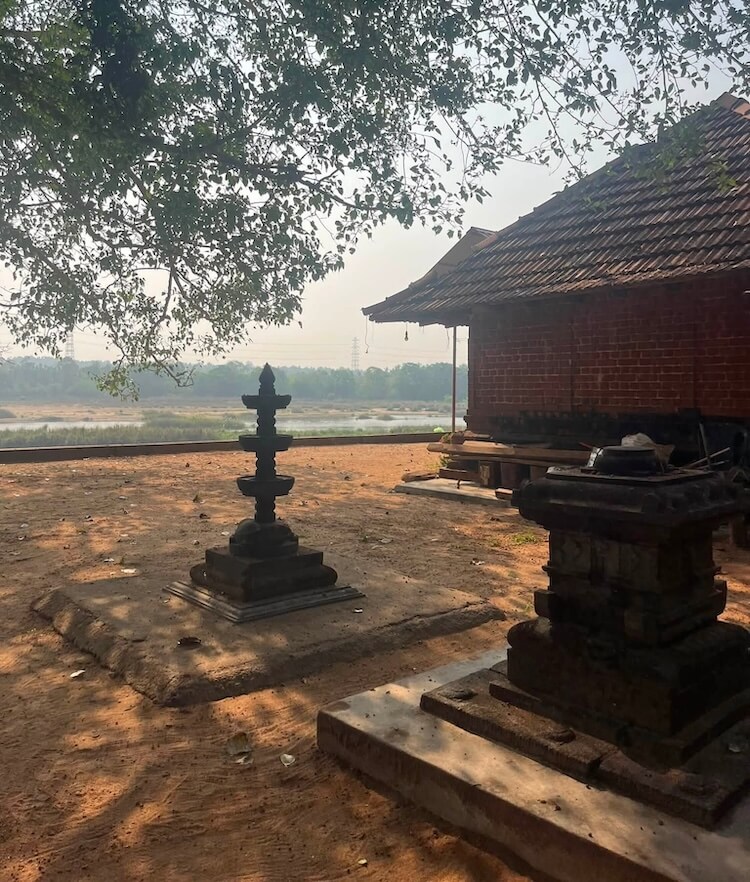 In keeping with Kerala temple tradition, a sacred naga grove beneath the shade of trees houses the shrines of Naga Raja, Naga Yakshi and other naga deities.
The temple’s main annual festival is celebrated in the Malayalam month of Medam (April–May) to mark the consecration anniversary. The festival is observed with the participation of a large number of devotees and includes various religious and cultural programmes. Maha Shivaratri, celebrated in the Malayalam month of Kumbham (February–March), is the most important festival of the temple and attracts devotees from many places. Other important observances include Thiruvathira in the month of Dhanu (December–January), the monthly Pradosham and the Mandala season, which is observed from Vrischikam to Dhanu.
The temple offers a variety of traditional offerings. The main offerings to Lord Shiva include Dhara (continuous water or milk offering), Koovala Mala (garland of bael leaves), Shankhabhishekam (ritual bathing with water poured from a conch) and Pinvilakku (lamp offering). 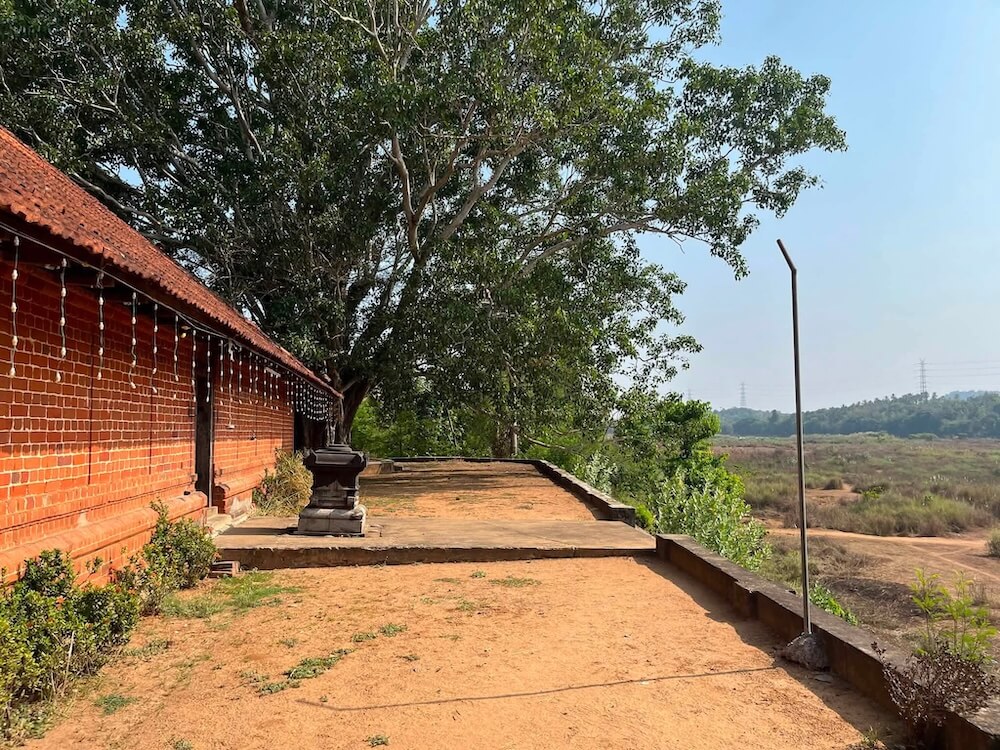 Devotees perform these offerings seeking peace of mind, good health, family well-being and marital harmony. Important offerings to the other deities include Ganapathi Homam and Appam Moodal for Lord Ganesha, Neerajanam for Lord Ayyappa and Palabhishekam (milk offering) and turmeric offering to the naga deities. These offerings are made for the removal of obstacles, relief from naga dosha and blessings for a peaceful and prosperous life.
The temple opens daily at 05:30 AM with Nirmalya Darshan. Abhishekam is performed at 06:00 AM, followed by the Usha Pooja at 06:30 AM. After the Ucha Pooja at 09:30 AM, the temple closes at 10:00 AM. It reopens at 05:30 PM and Deeparadhana is performed in the evening. Following the Athazha Pooja at 07:15 PM, the temple closes for the day at 07:30 PM. The timings of the poojas may vary on festival days and other special occasions.
Key highlight :-
- Located 10 km from Shoranur and 17 km from Wadakkanchery town.
- The nearest railway station is Shoranur Railway Station, about 10 km away.
- KSRTC and local buses are available to the temple from Shoranur and Thrissur.
- Private vehicles can be parked in the temple’s parking area.
- Accommodation and food facilities are available in the nearby towns.
कट्टुवत्तूर शिव मंदिर
देसामंगलम, जिला. त्रिशूर.
मंदिरे
Temples
मंदिर
-
वाझालिकवू भगवती मंदिर थोझुपदम, चेरुथुरुथी, जि. त्रिशूर.
अधिक माहितीVazhalikkavu Bhagavathi Temple Thozhupadam, Cheruthuruthy, Dist. Thrissur.
View Detailsवज़हालिक्कावु भगवती मंदिर थोझुपदम, चेरुथुरुथी, जिला। त्रिशूर.
विवरण देखें -
अधिक माहिती
Kondazhy Tritham Tali Siva Temple Kondazhy, Thalappilly, Dist. Thrissur.
View Detailsविवरण देखें -
अशोकेश्वरम श्री महादेवाचे मंदिर वडक्के चिरा, जि. त्रिशूर.
अधिक माहितीAshokeshwaram Sree Mahadeva Temple Vadakke Chira, Dist. Thrissur.
View Detailsअशोकेश्वरम श्री महादेव मंदिर वडक्के चिरा, जिला. त्रिशूर.
विवरण देखें