
उल्लाला ओंकारेश्वर मंदिर
उल्लाला, थलायझम, वैकोम, जि. कोट्टायम.
Ullala Omkareswara Temple
Ullala, Thalayazham, Vaikom, Dist. Kottayam.
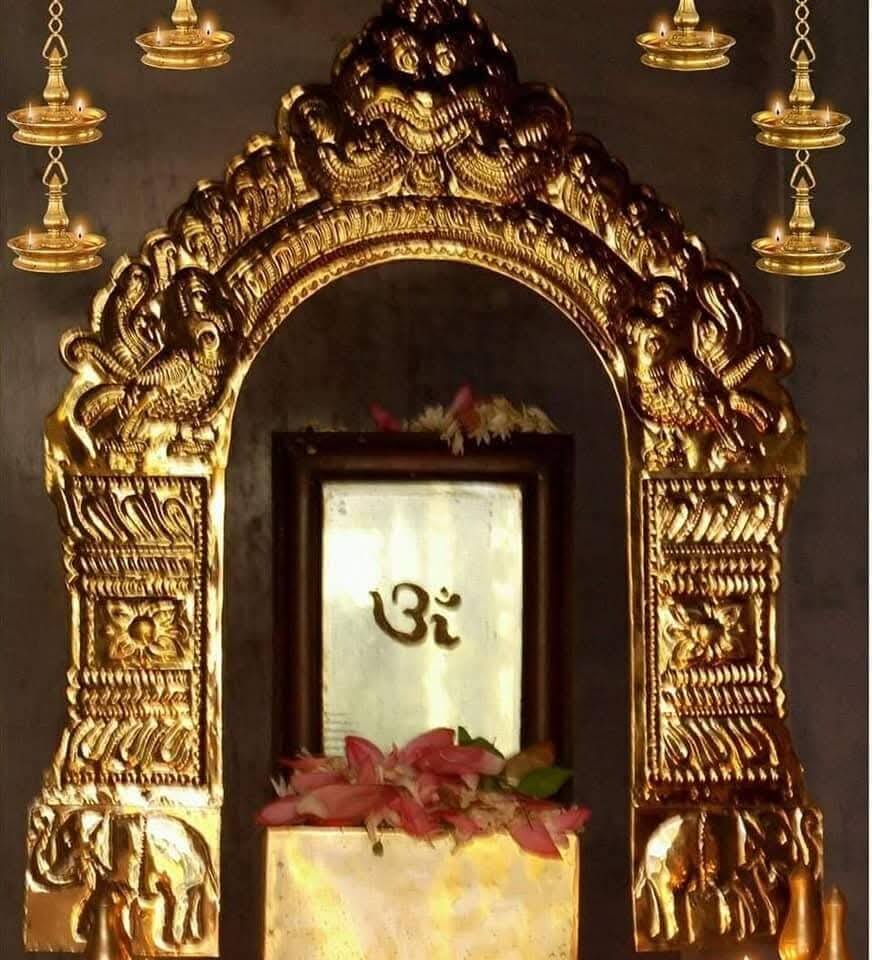 Located near Vaikom in Kottayam district, the Ullala Omkareswara Temple is one of the ancient and spiritually significant Shiva temples in the region. Lord Shiva is the main deity here. Situated in a peaceful rural setting, the temple is widely regarded as a major centre of devotion for devotees. The temple is also closely associated with Sri Narayana Guru. It is believed that Guru performed a mirror consecration here. This mirror installation is considered a symbol of self-realisation and the Guru’s message of “know thyself.” Because of this, the temple later became popularly known as the “Ullala Kannadi Temple.” It is also considered one of the temples spiritually connected to Vaikom Mahadeva Temple and devotees visit in large numbers during occasions like Shivaratri and Pradosham.
The temple is believed to be over a hundred years old. Its history is closely linked with the period of Sri Narayana Guru. It is believed that the spiritual importance of this temple increased when Guru visited the Vaikom region in the early 20th century. During a time when caste discrimination and social inequality were strong, Guru’s intention was to convey the message that “God resides within human beings.”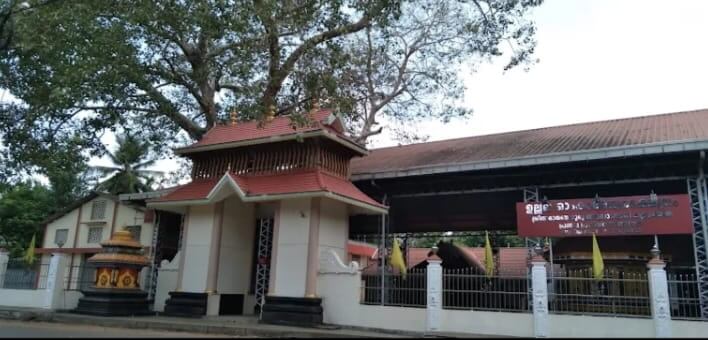
It is believed that the mirror consecration performed here by Guru was a symbolic expression of this idea. The consecration is said to have taken place on June 25, 1927. This temple is also believed to be one of the last temples where Guru performed consecration. When a devotee looks into the mirror, they see their own reflection, symbolising the spiritual message that divinity is not external but within oneself. Because of this, the temple later became widely known as the “Ullala Kannadi Temple.”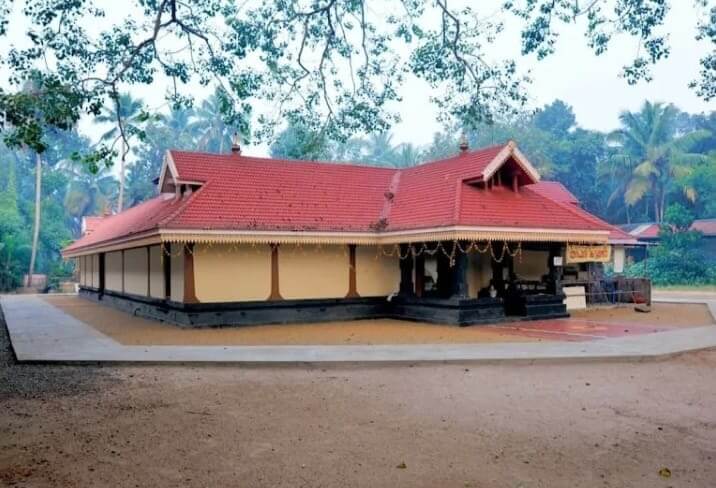
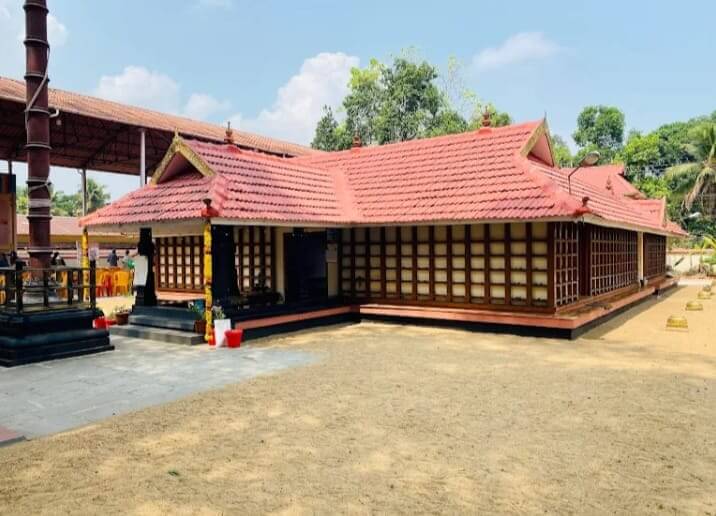
From the outside, the temple presents a simple and traditional Kerala architectural style. It does not have large gopurams or grand structures, but instead features a modest compound wall and a small entrance gateway.
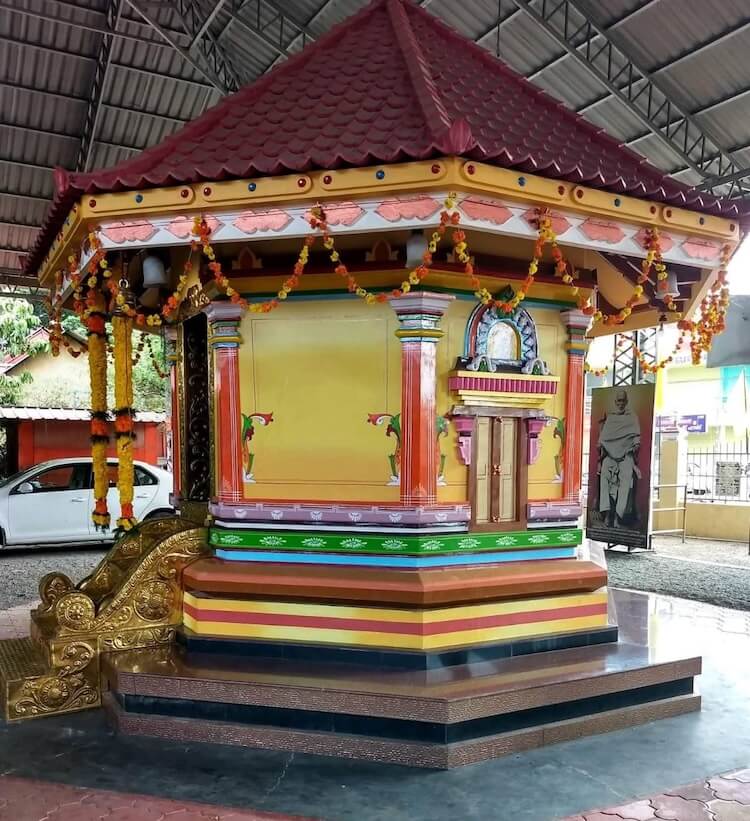
Upon entering, the main sanctum (Sreekovil) becomes visible. Before it, there are oil lamp posts, coconut torch stands and a small namaskara mandapam. The surrounding rural atmosphere, with natural shade and breeze, creates a deeply spiritual first impression.
The inner circumambulatory path between the compound wall and the sanctum is a serene and spiritually rich space in traditional Kerala temple style. 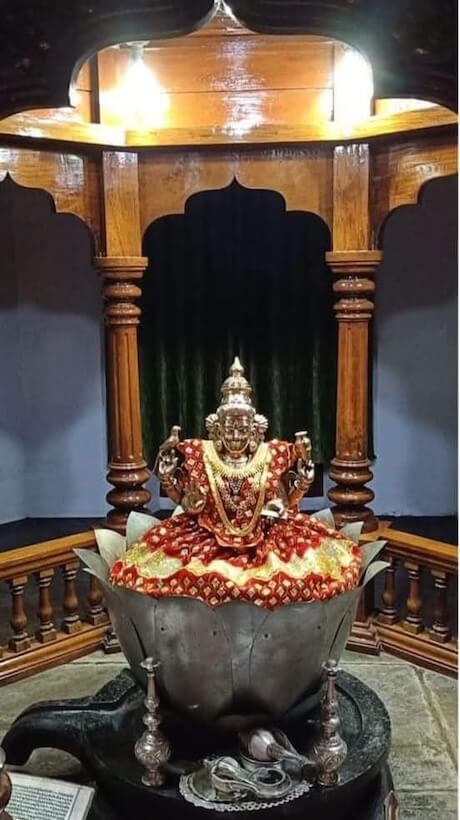 Devotees perform pradakshina (circumambulation) around the sanctum here as part of their worship.
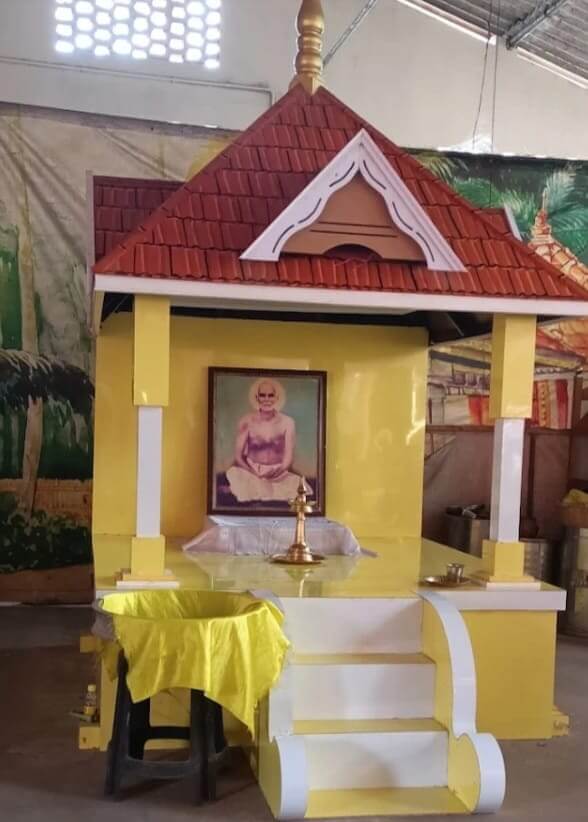
Within this area, there are sub-deity shrines including Ganesha, Sastha (Ayyappa concept), Naga deities and the temple guardian deity. Devotees offer prayers with devotion at these shrines. In the evenings, the oil lamps and deepastambhas (lamp pillars) illuminate the temple with a divine glow. A simple open namaskara space for prayer and meditation is also present. Large trees and banyan trees provide ample shade within the temple premises.
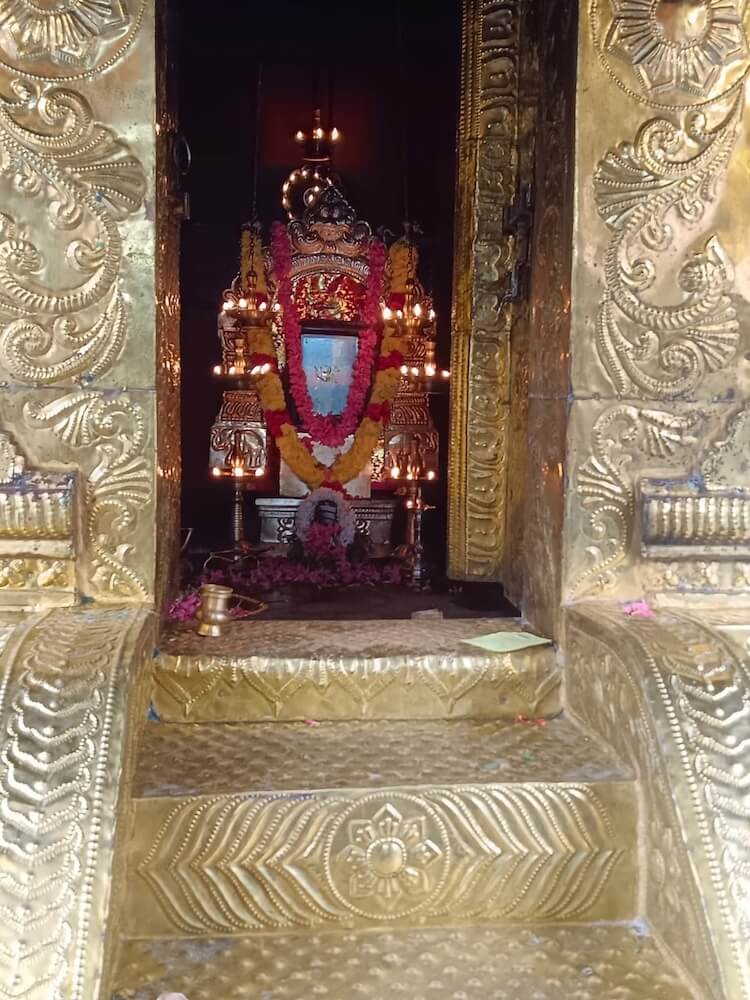
The Sreekovil is built in traditional Kerala Dravidian architectural style. It is simple in appearance but radiates strong spiritual energy. The main consecration is associated with Sri Narayana Guru’s mirror installation concept. It symbolises the spiritual message that God should not be sought outside but within oneself.
The temple mainly observes important Shiva-related auspicious days with great devotion. The most significant festival is Maha Shivaratri, during which special rituals, bhajans and all-night prayers are conducted. Pradosha Vratam is observed every month with special Shiva poojas and abhishekams. Mondays are considered especially important for Shiva worship, attracting more devotees for darshan and offerings. Karthika month is also observed with special lamp rituals and prayers. Although there is no widely documented grand annual festival like in some major temples, Maha Shivaratri and Pradosha days are considered the most important spiritual occasions here.
The main offerings made by devotees are traditional Shiva-related rituals, including Rudrabhishekam, Jalabhishekam, Pushpanjali, Dhara (oil offering), Neeranjanam and offerings like rice pudding (payasam) and other naivedyam. These offerings are ways for devotees to submit their prayers and wishes.
The temple opens in the morning around 5:00 AM – 5:30 AM. The morning rituals include nirmalya darshan, abhishekam and Ganapathi homam or main poojas. The temple remains open for darshan until around 10:30 AM, after which it closes.
In the evening, the temple reopens around 5:00 PM – 5:30 PM. Evening rituals include deeparadhana, Shiva poojas and bhajans. After the night pooja (athazha pooja), the temple closes around 8:00 PM.
Key highlight :-
- Located 8 km from Vaikom, 25 km from Kottayam and 15 km from Cherthala.
- State Transport ( KSRTC ) and local buses to Ullala are frequently available from Vaikom, Kottayam and Cherthala.
- Private vehicles can be parked near the temple.
- Accommodation and food facilities are available near the temple.
उल्लाला ओंकारेश्वर मंदिर
उल्लाला, थलयज़म, वैकोम, जिला। कोट्टायम.
मंदिरे
Temples
मंदिर
-
पट्टासेरी भगवती मंदिर पल्लीपुरथुस्सेरी, वायकोम, जि. कोट्टायम.
अधिक माहितीPattasseri Bhagavathy Temple Pallipurathussery, Vaikom, Dist. Kottayam.
View Detailsपट्टासेरी भगवती मंदिर पल्लीपुराथुस्सेरी, वैकोम, जिला। कोट्टायम.
विवरण देखें -
थ्रीनयमकुडम श्री राम मंदिर टीव्ही पुरम, वायकोम, जि. कोट्टायम.
अधिक माहितीThrinayamkudam Sree Rama Temple TV Puram, Vaikom, Dist. Kottayam.
View Detailsत्रिनयमकुदम श्री राम मंदिर टीवी पुरम, वैकोम, जिला। कोट्टायम.
विवरण देखें -
तिरुपुरम श्रीकृष्ण स्वामी मंदिर थलयोलापरंबू, जि. कोट्टायम.
अधिक माहितीThirupuram Sree Krishna Swamy Temple Thalayolaparambu, Dist. Kottayam.
View Detailsतिरुपुरम श्री कृष्ण स्वामी मंदिर थलायोलापाराम्बु, जिला। कोट्टायम.
विवरण देखें