
वैजनाथ महादेव मंदिर
दाहोद, ता./जि. दाहोद
Vaijnath Mahadev Temple
Dahod, Tal./Dist. Dahod
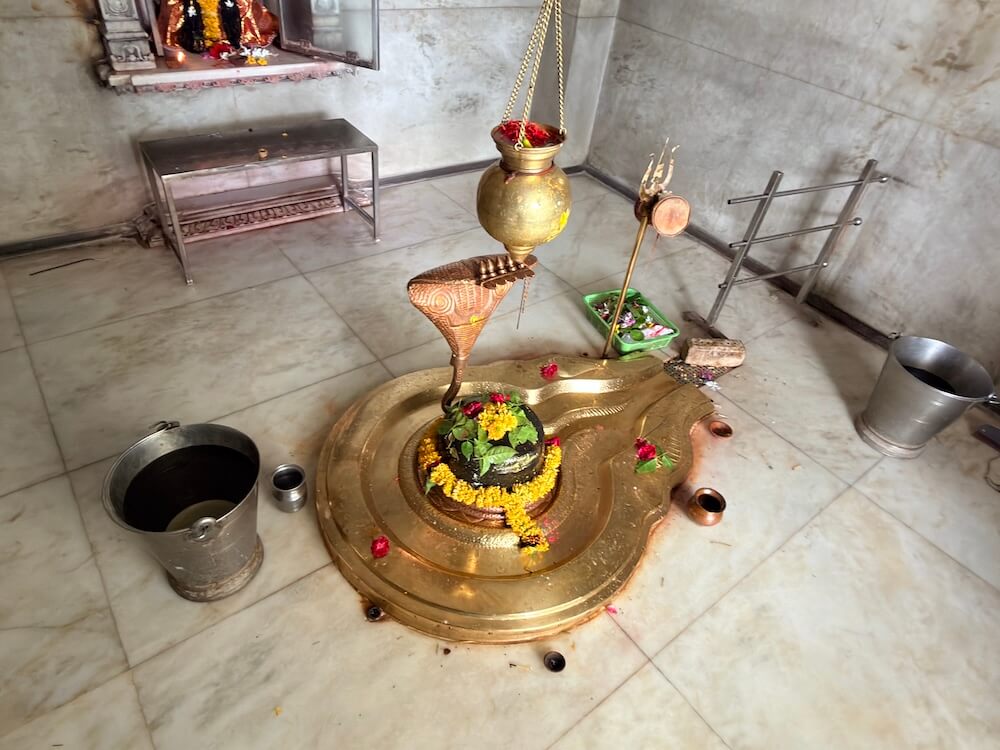 Among the many sacred names of Lord Mahadev, ‘Vaijnath’ is closely associated with Ayurveda and healing. Parli Vaijnath, in Maharashtra’s Beed district, is revered as the fifth of the twelve Jyotirlingas. According to tradition, this Jyotirlinga was established by Ravana. Centuries later, the temple at Parli was restored by the renowned queen Punyashlok Ahilyabai Holkar. Temples dedicated to Lord Shiva in His Vaijnath form are found across India, with the majority situated in northern India. One such renowned shrine stands in the city of Dahod in Gujarat.
In ancient times, Dahod served as an important military and commercial outpost on the frontier between Gujarat and the Malwa region. The celebrated Solanki ruler Siddharaj Jaysinh constructed the historic Chhab Talav in this city. 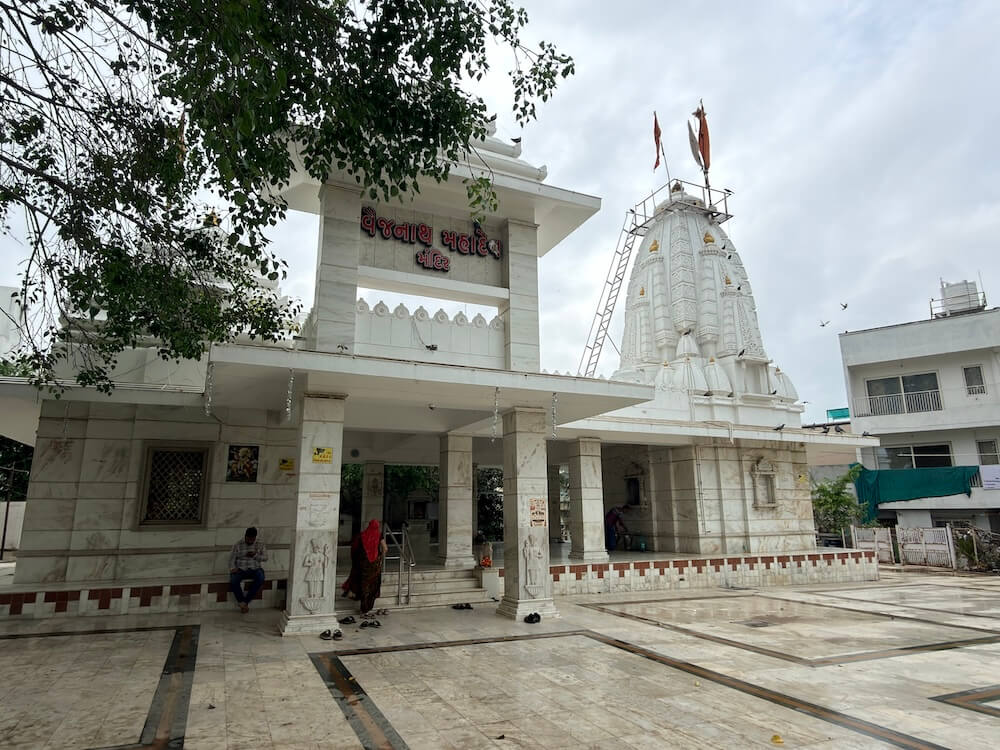 The Vaijnath Mahadev Temple is believed to have been built approximately seven hundred years ago during the Solanki period.
According to Chapter 28 of the ‘Kotirudra Samhita’ in the ‘Shiva Purana’ and the ‘Vaijnath Mahatmya’, Ravana journeyed to the Himalayas and undertook severe penance to propitiate Lord Shiva. As an act of supreme devotion, he began offering his own heads one by one at the Lord’s feet. Just before he could sacrifice the last of them, Lord Shiva appeared before him. Ravana requested that the Lord grant him a Jyotirlinga. Shiva bestowed the divine Jyotirlinga upon him, but on one condition : if it ever touched the ground, it would remain permanently established at that very spot. Ravana accepted the condition and set out for Lanka carrying the sacred Jyotirlinga.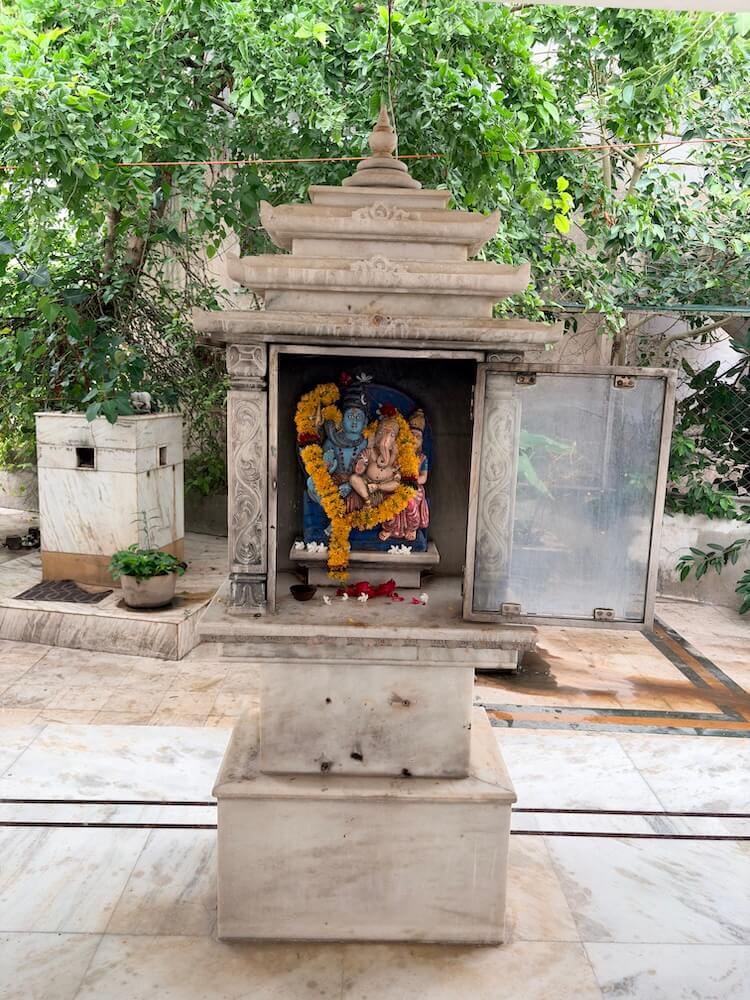
During his journey, when he reached Parli, he felt the urgent need to relieve himself. Looking around the forest for someone trustworthy to hold the Jyotirlinga, he noticed a physician gathering medicinal herbs. Unbeknownst to Ravana, this physician was none other than Lord Vishnu in disguise. Ravana requested him to hold the Shiva Linga until he returned. Vishnu agreed, but warned that if the Linga became too heavy, he would place it on the ground. After Ravana left, the physician called out to him three times. Receiving no response, he gently placed the Shiva Linga upon the earth and departed. When Ravana returned, he made every effort to lift the Linga, but it remained firmly rooted. Unable to move it, he finally abandoned the attempt and continued to Lanka. According to tradition, this entire episode unfolded by the will of Lord Shiva. As the Shiva Linga was established through the hands of a physician (Vaidya), it came to be known as ‘Vaijnath Mahadev’.
Another version of the narrative appears in the ‘Skanda Purana’, the ‘Ganesha Purana’ and the ‘Mudgala Purana’ in connection with the ‘Gokarna Mahatmya’. According to this tradition, at the request of the gods, Lord Vishnu used His Sudarshana Chakra to obscure the sun, creating the illusion that evening had fallen. Meanwhile, Lord Ganesha assumed the form of a young Brahmachari. 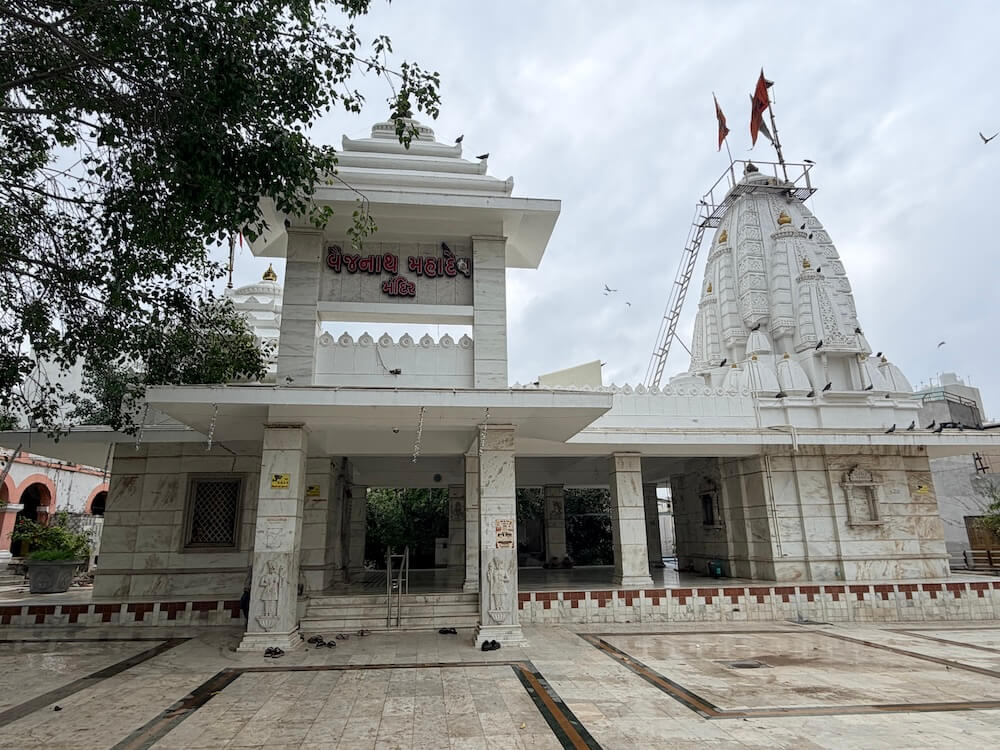 As Ravana prepared to perform his evening prayers, he entrusted the sacred Atma Linga to the young boy. After calling Ravana three times, Ganesha placed the Atma Linga upon the ground, where it became permanently established.
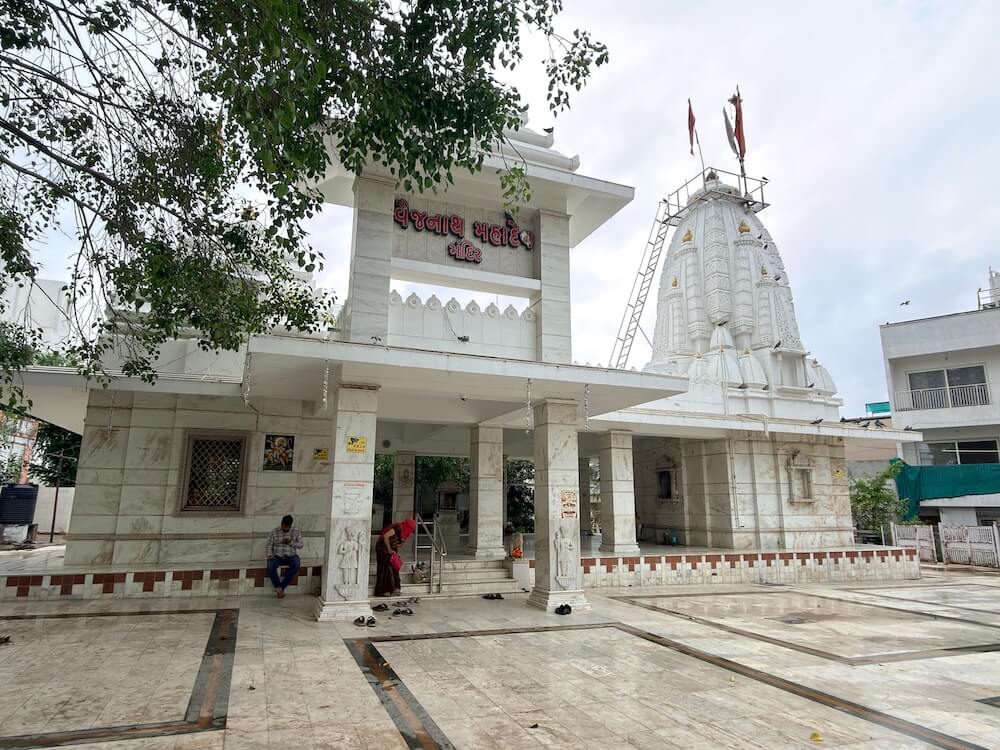
The Vaijnath Temple in Dahod stands on Station Road in the heart of the city. The temple complex is enclosed by a fortified wall with entrance gateways on both the eastern and western sides. The shrine itself stands approximately fifteen feet above ground level and is approached by a flight of about twenty-five steps leading into the temple courtyard. Seating arrangements have been provided in the courtyard for devotees. It also contains an old, beautifully carved stone well. Local tradition holds that the water of this well possesses medicinal properties. It is believed that bathing in its sacred waters helps relieve various physical and mental ailments.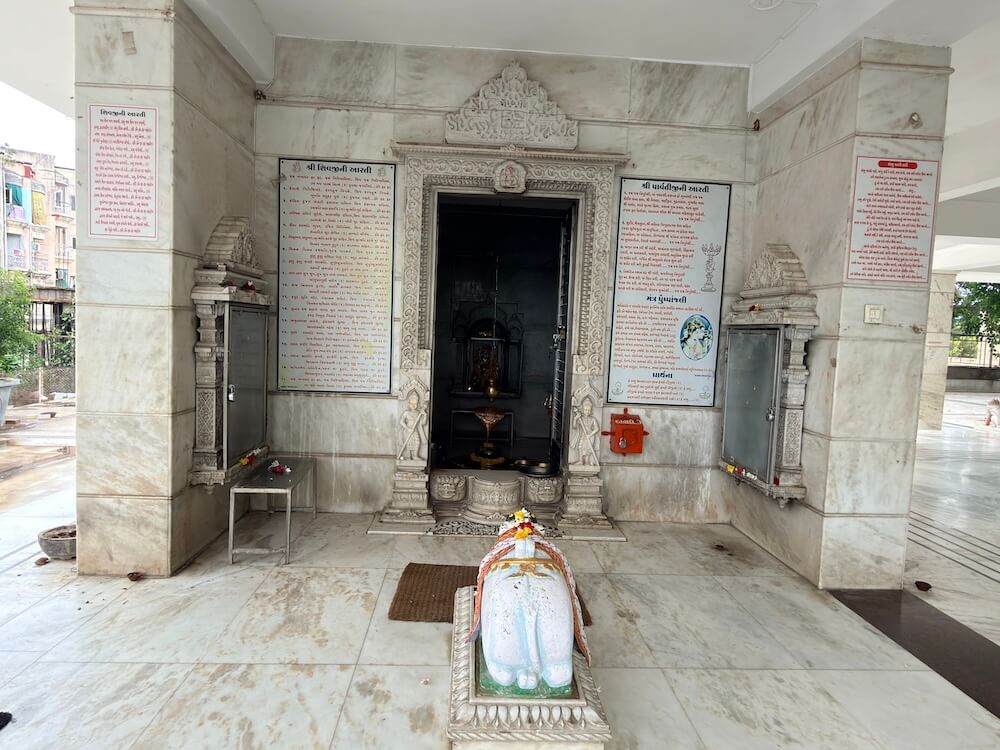
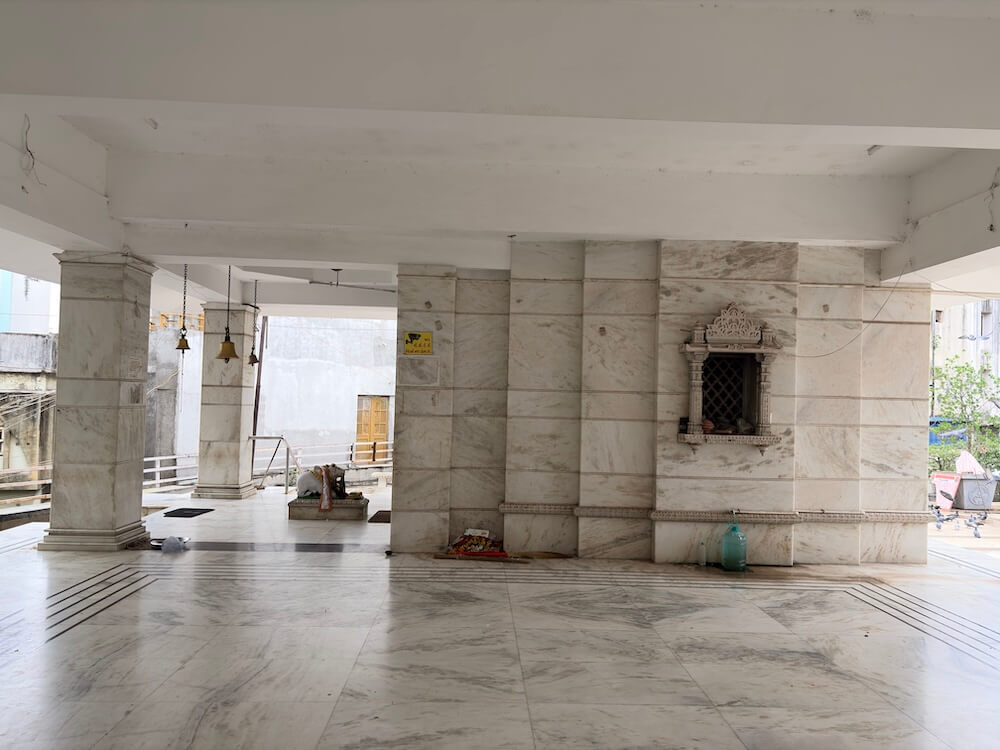
The temple comprises a Mukha Mandapa, an assembly hall (Sabha Mandapa) and a sanctum (Garbhagriha). The Mukha Mandapa is supported by four square pillars. Sculptures of the Dvarapalas, the guardian deities, are carved on the front faces of the two foremost pillars. The assembly hall stands slightly higher than the entrance hall and is semi-open in design. It contains two rows of square pillars.
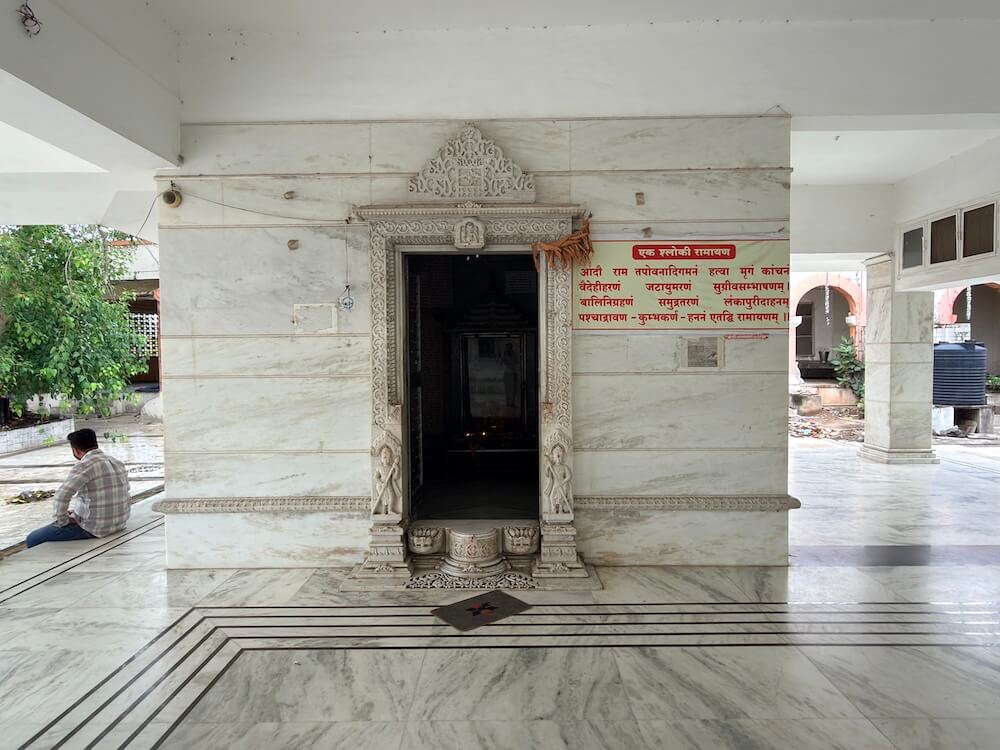
To the right of the assembly hall is the sanctum of Lord Mahadev. In front of its entrance, upon a raised platform, is the image of Nandi. A sculpted tortoise stands before Nandi. The entrance to the sanctum is adorned with richly carved doorframes, while an image of Lord Ganesha occupies the Lalatabimba above the doorway. 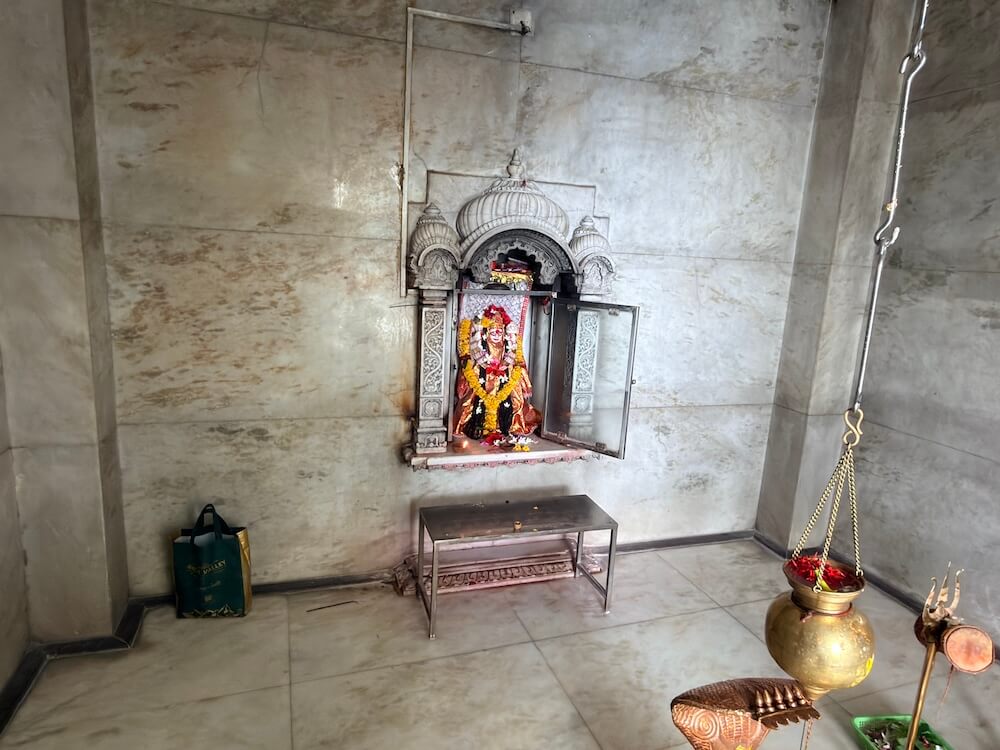 At the centre of the sanctum, at floor level, is the Shivalinga, which is encased in an ornate brass covering. Beside it are a brass Trishula and a Damaru. A brass serpent spreads its hood protectively above the Linga, while a suspended vessel continuously pours water upon it for the ritual Abhisheka. A niche in the rear wall of the sanctum houses an image of Goddess Parvati.
Directly opposite the Mahadev sanctum, on the left side of the assembly hall, is another sanctum dedicated to Lord Ganesha. Its entrance is also embellished with carved doorframes and a Lalatabimba bearing the image of Ganesha. Within the sanctum, upon a vajrapitha, stands a vermilion-anointed image of Lord Ganesha enshrined inside a marble makhar.
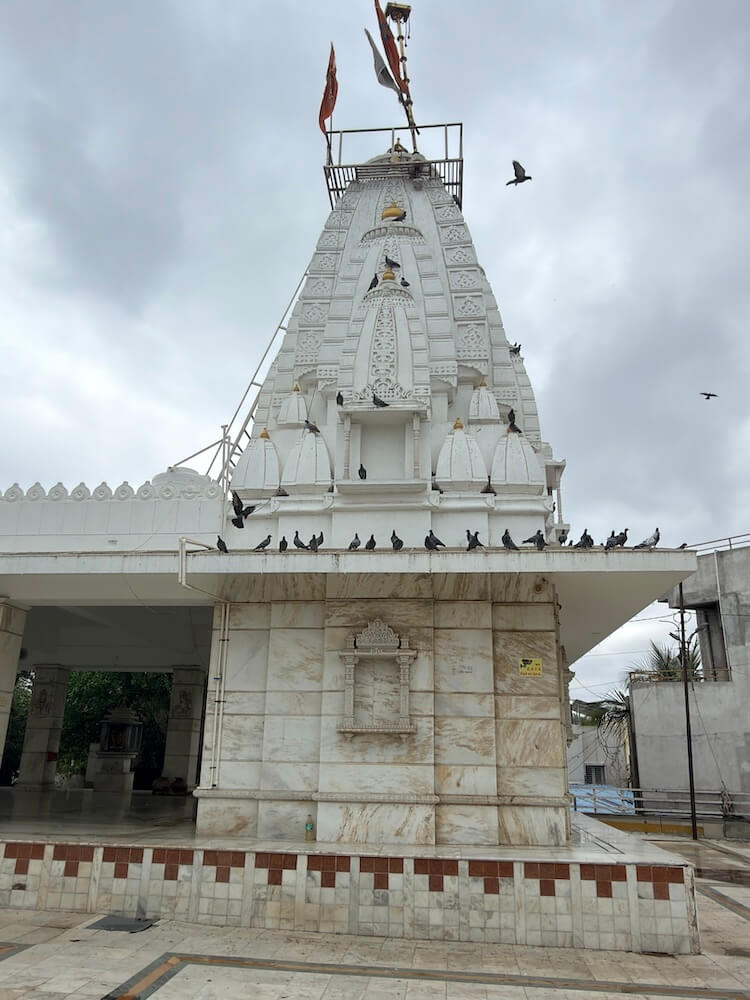
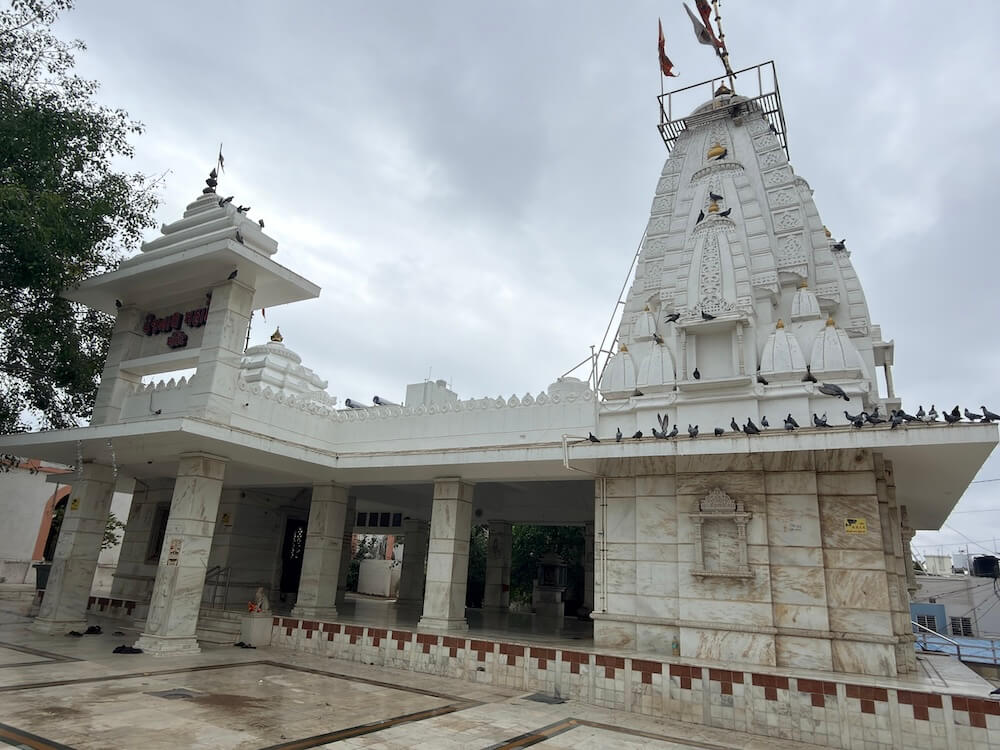 A small stepped spire crowns the roof of the Mukha Mandapa. Above the sanctum of Lord Mahadev rises the principal tower, square in plan and tapering gracefully towards the summit. Niches and miniature spires embellish all four faces of the tower. The sanctum of Lord Ganesha is also surmounted by a square tapering spire designed in the form of receding tiers.
Mahashivratri is the temple’s most important annual festival. During this celebration, as well as on every Monday in the holy month of Shravan, thousands of devotees from the surrounding region gather here for darshan. On these auspicious occasions, the deity receives a ceremonial Maha Abhisheka. Devotional singing, Kirtans, the recitation of sacred scriptures, the chanting of mantras and the distribution of Mahaprasad are also organised. Special Vedic Yajnas are performed in honour of Lord Mahadev and Goddess Parvati. The temple additionally celebrates Chaitra Navratri, Sharad Navratri, Nag Panchami, Shri Krishna Janmotsav, Kartik Purnima, Dussehra and Diwali with great devotion. Devotees may have darshan of Lord Mahadev every day from 6.00 a.m. until 9.00 p.m.
Useful Information :
- Situated approximately 1.5 km from Dahod Bus Station and approximately 1 km from Dahod Railway Station.
- State Transport (ST) bus services are available to Dahod from many towns across the district.
- Private vehicles can reach the temple directly.
- Several accommodation and breakfast options are available nearby.
वैजनाथ महादेव मंदिर
दाहोद, ताल./जिला. दाहोद
मंदिरे
Temples
मंदिर
મંદિરો
கோவில்கள்
దేవాలయాలు
ക്ഷേത്രങ്ങൾ
ದೇವಾಲಯಗಳು
মন্দিরসমূহ
ਮੰਦਿਰ
-
पंचकृष्ण मंदिर थेरका, ता. झालोद, जि. दाहोद
अधिक माहितीPanchakrishna Temple Therka, Tal. Jhalod, Dist. Dahod
View Detailsपंचकृष्ण मंदिर थेरका, ताल. झालोद, जिला. दाहोद
विवरण देखेंPanchakrishna Temple Therka, Tal. Jhalod, Dist. Dahod
વિગત જુઓPanchakrishna Temple Therka, Tal. Jhalod, Dist. Dahod
விவரங்களைக் காண்கPanchakrishna Temple Therka, Tal. Jhalod, Dist. Dahod
వివరాలను చూడండిPanchakrishna Temple Therka, Tal. Jhalod, Dist. Dahod
വിശദാംശങ്ങൾ കാണുകPanchakrishna Temple Therka, Tal. Jhalod, Dist. Dahod
ವಿವರಗಳನ್ನು ವೀಕ್ಷಿಸಿPanchakrishna Temple Therka, Tal. Jhalod, Dist. Dahod
বিস্তারিত দেখুনPanchakrishna Temple Therka, Tal. Jhalod, Dist. Dahod
ਵੇਰਵੇ ਦੇਖੋ -
घुघरदेव महादेव मंदिर चकल्या, ता. झालोद, जि. दाहोद
अधिक माहितीGhughardev Mahadev Temple Chakaliya, Tal. Jhalod, Dist. Dahod
View Detailsघुघरदेव महादेव मंदिर चकलिया, ताल. झालोद, जिला. दाहोद
विवरण देखेंGhughardev Mahadev Temple Chakaliya, Tal. Jhalod, Dist. Dahod
વિગત જુઓGhughardev Mahadev Temple Chakaliya, Tal. Jhalod, Dist. Dahod
விவரங்களைக் காண்கGhughardev Mahadev Temple Chakaliya, Tal. Jhalod, Dist. Dahod
వివరాలను చూడండిGhughardev Mahadev Temple Chakaliya, Tal. Jhalod, Dist. Dahod
വിശദാംശങ്ങൾ കാണുകGhughardev Mahadev Temple Chakaliya, Tal. Jhalod, Dist. Dahod
ವಿವರಗಳನ್ನು ವೀಕ್ಷಿಸಿGhughardev Mahadev Temple Chakaliya, Tal. Jhalod, Dist. Dahod
বিস্তারিত দেখুনGhughardev Mahadev Temple Chakaliya, Tal. Jhalod, Dist. Dahod
ਵੇਰਵੇ ਦੇਖੋ -
देवझरी महादेव मंदिर जळकोट, ता./जि. दाहोद
अधिक माहितीDevjhari Mahadev Temple Jekot, Tal./Dist. Dahod
View Detailsदेवझरी महादेव मंदिर जेकोट, ताल./जिला. दाहोद
विवरण देखेंDevjhari Mahadev Temple Jekot, Tal./Dist. Dahod
વિગત જુઓDevjhari Mahadev Temple Jekot, Tal./Dist. Dahod
விவரங்களைக் காண்கDevjhari Mahadev Temple Jekot, Tal./Dist. Dahod
వివరాలను చూడండిDevjhari Mahadev Temple Jekot, Tal./Dist. Dahod
വിശദാംശങ്ങൾ കാണുകDevjhari Mahadev Temple Jekot, Tal./Dist. Dahod
ವಿವರಗಳನ್ನು ವೀಕ್ಷಿಸಿDevjhari Mahadev Temple Jekot, Tal./Dist. Dahod
বিস্তারিত দেখুনDevjhari Mahadev Temple Jekot, Tal./Dist. Dahod
ਵੇਰਵੇ ਦੇਖੋ