
कूर्केंचेरी श्री महेश्वर मंदिर
कूर्केंचेरी, जिल्हा त्रिशूर
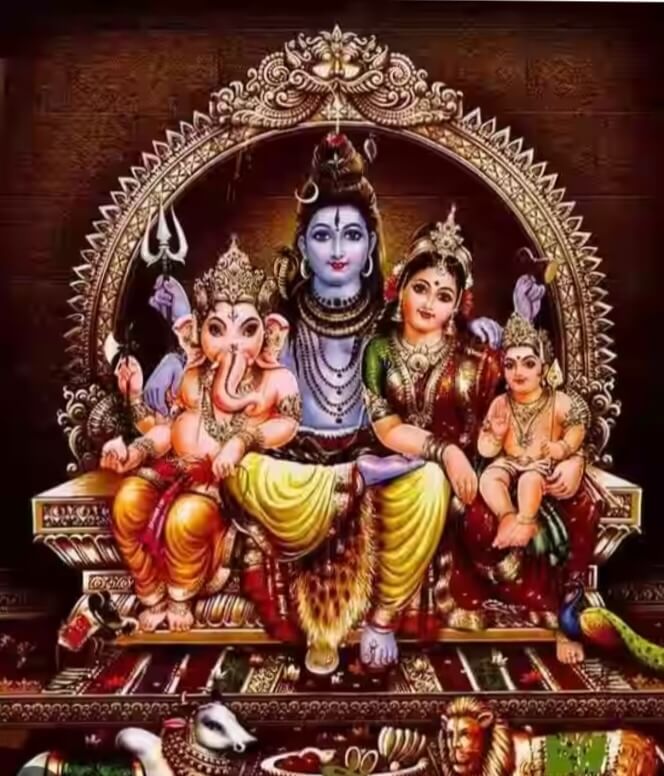 त्रिशूर जिल्ह्यातील कूर्केंचेरी येथे स्थित कूर्केंचेरी श्री महेश्वर मंदिर हे केरळमधील प्रमुख शिव मंदिरांपैकी एक आहे. येथील मुख्य देवता भगवान महेश्वर (शिव) आहेत. हे मंदिर आपल्या शांत आणि भक्तिमय वातावरणासाठी ओळखले जाते आणि स्थानिक भक्तांसाठी एक महत्त्वाचे आध्यात्मिक केंद्र मानले जाते. मंदिरात पार्वती, गणपती, सुब्रह्मण्य, अय्यप्पा, श्री कृष्ण, मुथप्पन, चामुंडी, नवग्रह आणि नागदेवता यांसारख्या अनेक उपदेवतांच्या मूर्तीही आहेत. या मंदिराची प्रतिष्ठापना श्री नारायण गुरु यांनी केली होती, ज्यामुळे हे केरळच्या समाजसुधारणा इतिहासाशी जोडलेले एक महत्त्वाचे ठिकाण बनले आहे.
जरी भगवान शिव हे मुख्य दैवत असले, तरी भगवान सुब्रह्मण्य यांना समर्पित असलेला ‘थाईपूयम’ उत्सव हा येथील सर्वात महत्त्वाचा उत्सव आहे. या उत्सवासाठी जिल्ह्यातून मोठ्या संख्येने कावडी मिरवणुका येतात आणि तो अत्यंत भक्तीभावाने साजरा केला जातो. शिवरात्री देखील तितक्याच महत्त्वाने साजरी केली जाते. मंदिराचे प्रशासन ‘श्री नारायण भक्त जन समाजम’द्वारे चालवले जाते आणि ते एक प्रमुख आध्यात्मिक केंद्र म्हणून कार्यरत आहे.
मंदिराचा इतिहास श्री नारायण गुरु यांच्याशी घनिष्ठपणे जोडलेला आहे. 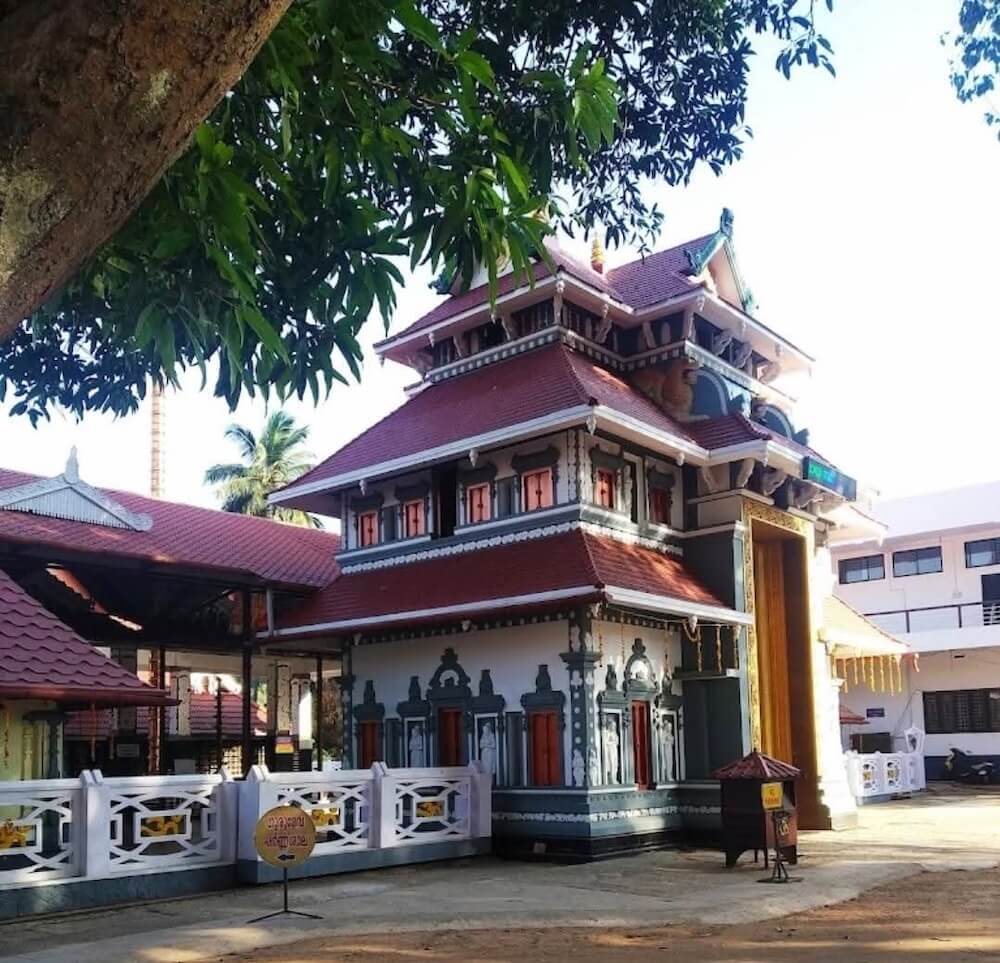 ज्या काळात जातीभेद आणि सामाजिक अन्याय प्रचलित होते, त्या काळात सर्व मानव एकाच ईश्वराची लेकरे आहेत हा संदेश पसरवण्यासाठी गुरुंनी केरळमध्ये अनेक मंदिरे स्थापन केली. या मोहिमेचा एक भाग म्हणून त्यांनी कूर्केंचेरीमध्ये या मंदिराची स्थापना केली. १०९२ चिंगम २४ (८ सप्टेंबर १९१६, शुक्रवार) रोजी उत्तरा नक्षत्रावर एका शुभ मुहूर्तावर मंदिराची प्रतिष्ठापना झाली. या कृतीद्वारे, गुरुंना उपासना जात आणि धर्माच्या पलीकडे नेण्याचा मानस होता. हे मंदिर त्यांच्या “एक जात, एक धर्म, एक देव मानवासाठी” या प्रसिद्ध संदेशाचे प्रतिबिंब आहे. कालांतराने, हे एक महत्त्वाचे आध्यात्मिक केंद्र बनले आणि आता त्याचे व्यवस्थापन ‘श्री नारायण भक्त जन समाजम’द्वारे केले जाते. हे मंदिर केरळच्या पारंपारिक वास्तुकलेनुसार बांधलेल्या शांत आणि प्रसन्न वातावरणात स्थित आहे. येथे उंच गोपुरे नाहीत, तर सीमा भिंतींच्या आत एक साधे प्रवेशद्वार आहे. परिसराची निगा राखली जाते आणि सावली देणारे मार्ग भक्तांसाठी एक शांत वातावरण निर्माण करतात. सकाळ आणि संध्याकाळच्या दीपप्रज्वलन विधींच्या वेळी मंदिर विशेषतः दिव्य वाटते.
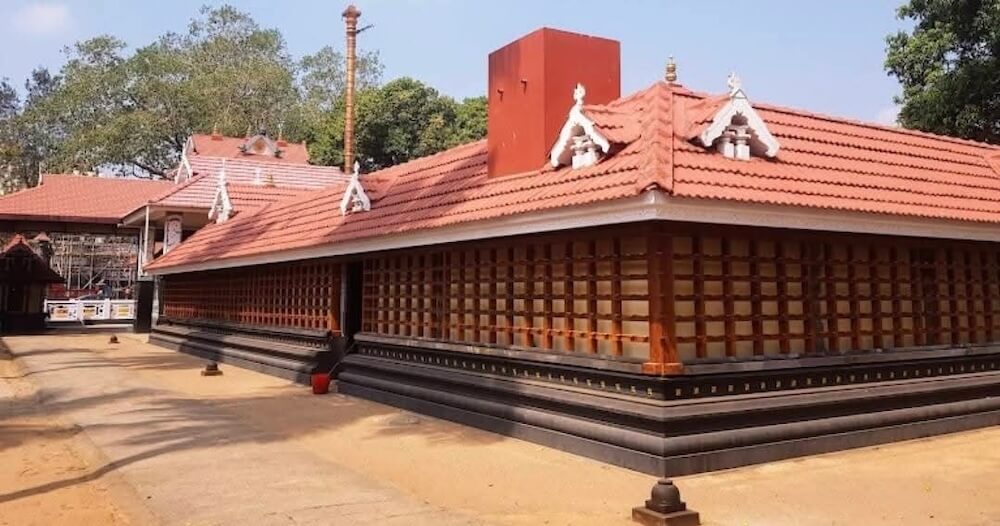 पश्चिमेकडील प्रवेशद्वारातून आत प्रवेश केल्यावर, एक मोठा काँक्रीटचा हत्ती मंडप (आनाकोट्टिल) दिसतो. यामध्ये धार्मिक कार्यांसाठी चार हत्तींना सामावून घेण्याची सोय आहे. येथे चोरोणू (पहिले अन्नप्राशन), विवाह, तुलाभारम आणि भजन यांसारखे विधी केले जातात. याच्या पलीकडे ५० फूट उंच पंचलोह ध्वजस्तंभ आहे, जो २००९ मध्ये स्थापित करण्यात आला असून त्यावर नंदी विराजमान आहे. त्याच्या मागे बलिकल्लपुरा आणि मुख्य बळीचा दगड आहे. कमी उंचीमुळे, शिवलींग बाहेरूनही सहज पाहता येते.
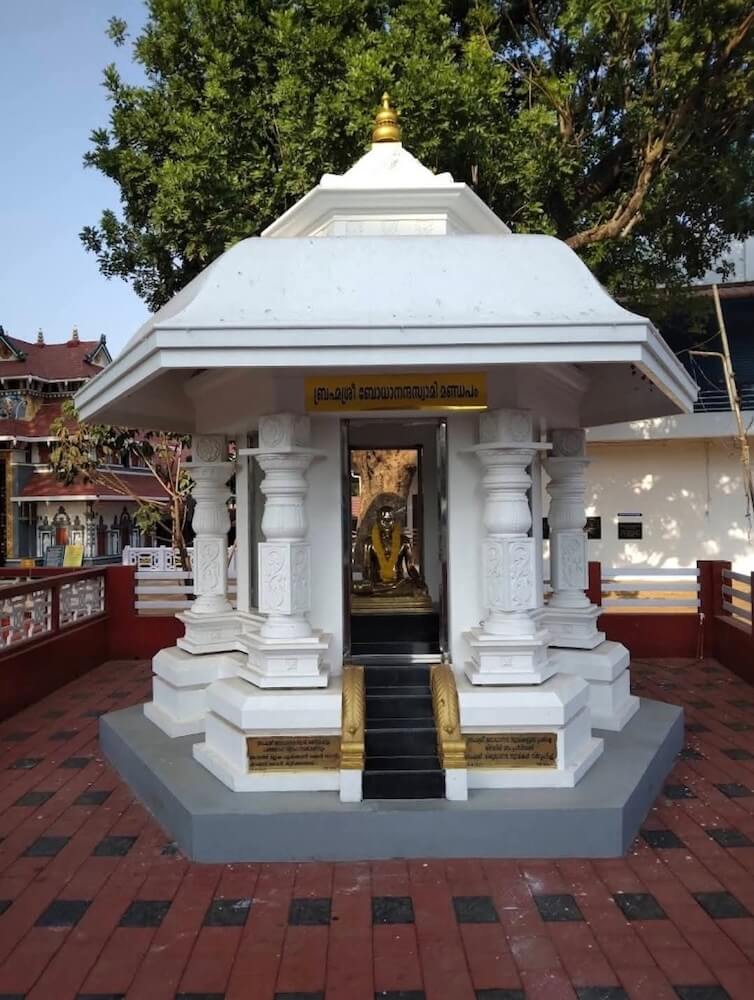 मंदिर संकुलाच्या आत, वायव्य दिशेला भगवान कृष्णाचे वेणुगोपाल रूपातील एक स्वतंत्र मंदिर आहे. ईशान्य कोपऱ्यात मुथप्पन आणि चामुंडी यांची मंदिरे आहेत.
जवळच, नवग्रह स्थापना केलेली आहे, ज्यामध्ये सूर्य मध्यभागी आणि इतर ग्रह त्याच्याभोवती ठराविक क्रमाने आहेत. येथे दररोज नवग्रह पूजा आणि नवधान्य अर्पण केले जाते. जवळच एक मंदिर तलावही आहे. आग्नेय कोपऱ्यात अन्नदानपुरा आहे, जिथे दररोज अन्नदान केले जाते. नैऋत्य कोपऱ्यात पूर्वेकडे तोंड असलेले भगवान अय्यप्पांचे स्वतंत्र मंदिर आहे, ज्यामध्ये सुमारे तीन फूट उंचीची मूर्ती आहे. श्रीकोविल (गर्भगृह) साधे असून ते लाकूड आणि दगड वापरून केरळच्या पारंपारिक शैलीत बांधलेले आहे. यात उंच गोपुराची शैली नाही. मुख्य देवता शिवलिंग रूपात भगवान शिव आहेत.
येथील सर्वात महत्त्वाचा उत्सव म्हणजे भगवान सुब्रह्मण्य यांना समर्पित ‘थाईपूयम’. तो अत्यंत भक्तीभावाने साजरा केला जातो आणि जिल्ह्यातून मोठ्या संख्येने कावडी मिरवणुका येथे येतात. शिवरात्रीला रात्रभर चालणारे विधी आणि भजनांचे आयोजन केले जाते. याव्यतिरिक्त, वर्षभर विशेष पूजा, नवग्रह विधी आणि इतर समारंभ आयोजित केले जातात, तसेच विशेष प्रसंगी नवधान्य अर्पण आणि अन्नदान केले जाते.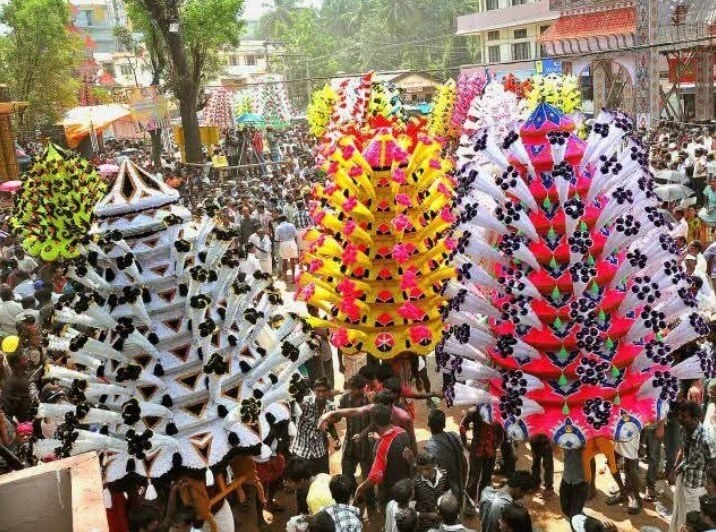
मुख्य अर्पणांमध्ये शिवपूजा, अभिषेक, पुष्पहार अर्पण आणि दीपाराधना यांचा समावेश होतो. भगवान सुब्रह्मण्य यांच्यासाठी कावडी आणि दुग्धाभिषेक ही महत्त्वाची अर्पणे आहेत. भगवान अय्यप्पा यांच्यासाठी नेय्याभिषेक (तुपाचा अभिषेक) आणि पुष्प अर्पण केले जाते. नवग्रह पूजा आणि नवधान्य अर्पण हे अत्यंत महत्त्वाचे विधी आहेत. इतर सामान्य अर्पणांमध्ये गणपती होम, त्रिकाल पूजा, अर्चना, भजन, अन्नदान, तुलाभारम, चोरोणू आणि विवाह समारंभ यांचा समावेश होतो.
दैनंदिन पूजा ठराविक वेळापत्रकानुसार केल्या जातात. मंदिर साधारणपणे पहाटे ५:०० वाजता उघडते. सकाळच्या विधींमध्ये निर्मल्य दर्शन आणि अभिषेक यांचा समावेश होतो, त्यानंतर सकाळी ६:०० ते ७:०० दरम्यान उषा पूजा होते. सकाळच्या विधींनंतर, मंदिर थोड्या काळासाठी बंद केले जाते आणि सकाळी १०:३० ते ११:३० दरम्यान दुपारच्या पूजेसाठी पुन्हा उघडले जाते, त्यानंतर दुपारी १२:०० च्या सुमारास मंदिर बंद होते. संध्याकाळी, मंदिर ५:०० वाजता पुन्हा उघडते. संध्याकाळी ६:३० ते ७:०० दरम्यान दीपाराधना केली जाते, त्यानंतर ७:३० ते ८:०० दरम्यान अथाझा पूजा होते. रात्री ८:०० च्या सुमारास मंदिर बंद होते. उत्सव आणि विशेष दिवसांच्या वेळी वेळापत्रकात बदल होऊ शकतो.
मुख्य वैशिष्ट्ये
- त्रिशूर शहरापासून ४ किमी अंतरावर स्थित.
- सर्व प्रमुख शहरांतून कूर्केंचेरीसाठी राज्य परिवहन (KSRTC) आणि स्थानिक बस सुविधा उपलब्ध आहेत.
- खाजगी वाहने मंदिराच्या विस्तीर्ण पार्किंग ग्राउंडमध्ये उभी करता येतात.
- मंदिराच्या जवळ राहण्याची आणि जेवणाची सोय उपलब्ध आहे.
Koorkenchery Sree Maheswara Temple
Koorkenchery, Dist. Thrissur
Kurkenchery Sree Maheswara Temple, located in Kurkenchery in Thrissur district, is one of the prominent Shiva temples in Kerala. The presiding deity is Lord Maheswara (Shiva). The temple is known for its peaceful and devotional atmosphere and is consid-ered an important spiritual centre by the local devotees. The temple also houses sev-eral sub-deities including Parvathi, Ganapathy, Subrahmanya, Ayyappa, Sree Krishna, Muthappan, Chamundi, Navagrahas, and Nagadevatha deities. The temple was conse-crated by Sree Narayana Guru, making it an important landmark connected to Kerala’s social reform history.
Though Lord Shiva is the main deity, the Thaipooyam festival dedicated to Lord Sub-rahmanya is the most important celebration here. It attracts a large number of kavadi processions from the district and is celebrated with great devotion. Shivaratri is also ob-served with equal importance. The temple is administered by the Sree Narayana Bhaktha Jana Samajam and continues to function as a major spiritual centre.
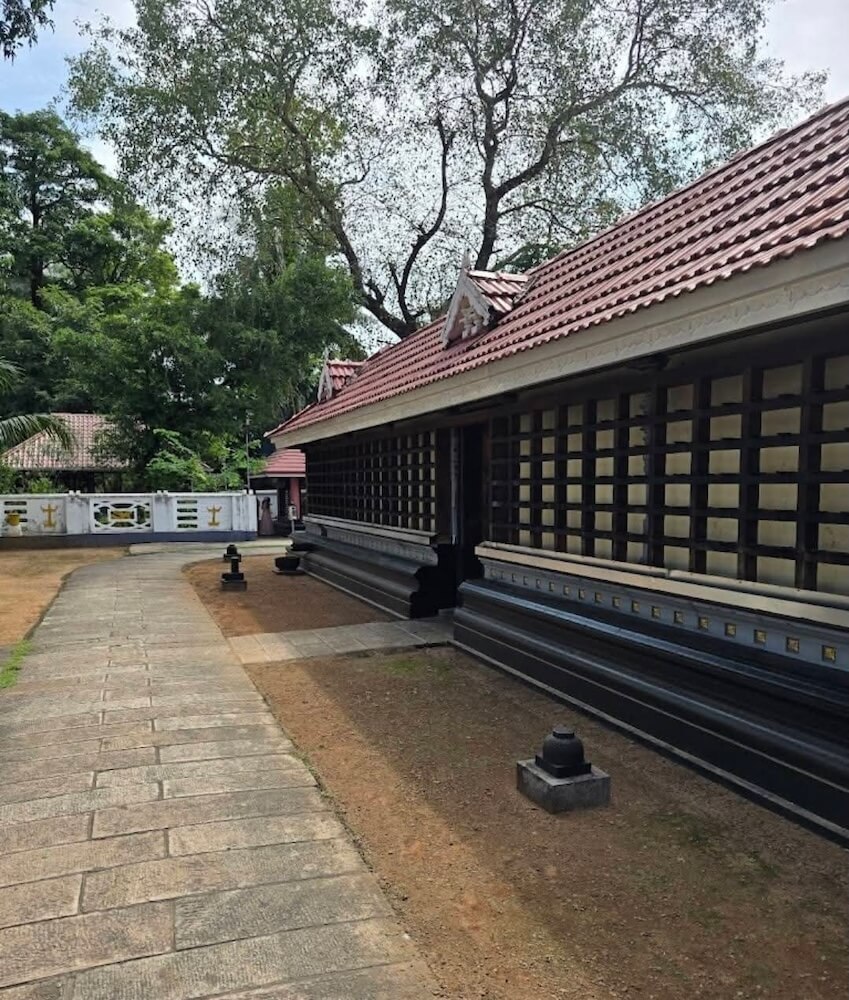
The history of the temple is closely associated with Sree Narayana Guru. During a period when caste discrimination and social injustices were prevalent, Guru established several temples in Kerala to spread the message that all human beings belong to one God. As part of this mission, he established this temple in Kurkenchery. The consecration took place on 1092 Chingam 24 (8 September 1916, Friday), during the Uthradam star at an auspicious moment. Through this act, Guru intended worship to transcend caste and religion. The temple reflects his famous message: “One caste, one religion, one God for man.” Over time, it developed into an important spiritual centre and is now managed by the Sree Narayana Bhaktha Jana Samajam. The temple stands in a calm and peaceful environment built in traditional Kerala architectural style. It does not feature tall gopurams, but instead has a simple entrance within boundary walls. The surroundings are well maintained with shaded pathways, creating a serene atmosphere for devotees. The temple becomes especially divine during morning and evening lamp rituals.
Upon entering through the western entrance, a large concrete elephant pavilion (aanakkot-til) can be seen. It has facilities to accommodate four elephants for ceremonial purposes. Rituals such as choroonu (first rice-feeding ceremony), marriage, thulabharam, and bha-jans are conducted here. Beyond this stands a tall Panchaloha flag mast, approximately 50 feet high, installed in 2009, with Nandi placed on top. Behind it is the balikkalapura and the main sacrificial stone. Due to its low height, the Shiva lingam can be seen even from outside. Inside the temple complex, a separate shrine of Lord Krishna in Venugopala form is located in the northwest direction. In the northeast corner, shrines of Muthappan and Chamundi are present.
Nearby, the Navagraha installation is arranged with the Sun placed at the centre and the other planets positioned around it in a fixed order. Daily Navagraha poojas and Navadhanya offerings are performed here.A temple pond is also located nearby. In the southeast corner, an Annadanapura is present where daily food offerings are conducted. In the southwest corner, there is a separate shrine of Lord Ayyappa facing east, with an idol approximately three feet in height. The Sreekovil (sanctum sanctorum) is simple
and built in traditional Kerala style using wood and stone. It does not follow the tall gopuram style. The main deity is Lord Shiva in lingam form.
The most important festival here is Thaipooyam, dedicated to Lord Subrahmanya. It is celebrated with great devotion and attracts a large number of kavadi processions from the district. Shivaratri is also observed with night-long rituals and bhajans. In addition, special poojas, Navagraha rituals, and other ceremonies are conductedthroughout the year, along with Navadhanya offerings and annadanam during special occasions.
Main offerings include Shiva pooja, abhishekam, garland offering, and deeparadhana. For Lord Subrahmanya, kavadi and milk abhishekam are important offerings. For Lord Ayyappa, neyyaabhishekam and flower offerings are performed. Navagraha pooja and Navadhanya offerings are highly significant rituals. Other common offerings include Ganapathi homam, thrikala pooja, archana, bhajan offerings, annadanam, thulabharam, choroonu, and marriage ceremonies.
Daily poojas are conducted in a fixed schedule. The temple usually opens at around 5:00 AM. Morning rituals include nirmalya darshan and abhishekam, followed by usha pooja between 6:00 AM and 7:00 AM. After morning rituals, the temple is closed for a short period and reopens for mid-day pooja between 10:30 AM and 11:30 AM, after which it closes around 12:00 noon. In the evening, the temple reopens at around 5:00 PM. Deeparadhana is performed between 6:30 PM and 7:00 PM, followed by athazha pooja between 7:30 PM and 8:00 PM. The temple closes around 8:00 PM. Timings may vary on festivals and special days.
Key highlight
- Located 4 km away from Thrissur town.
- State Transport (KSRTC) and local bus facilities available to koorkenchery from all major cities.
- Private vehicles can park at the vast parking ground of the temple.
- Accommodation and food facilities are available near the temple.
कूरकेंचेरी श्री महेश्वर मंदिर
कूरकेंचेरी, जिला त्रिशूर
त्रिशूर जिले के कूरकेंचेरी में स्थित कूरकेंचेरी श्री महेश्वर मंदिर, केरल के प्रमुख शिव मंदिरों में से एक है। यहाँ के मुख्य देवता भगवान महेश्वर (शिव) हैं। यह मंदिर अपने शांत और भक्तिपूर्ण वातावरण के लिए जाना जाता है और स्थानीय भक्तों द्वारा इसे एक महत्वपूर्ण आध्यात्मिक केंद्र माना जाता है। मंदिर परिसर में पार्वती, गणपति, सुब्रह्मण्य, अयप्पा, श्री कृष्ण, मुथप्पन, चामुंडी, नवग्रह और नागदेवता सहित कई उप-देवताओं के मंदिर भी हैं। इस मंदिर की स्थापना श्री नारायण गुरु द्वारा की गई थी, जो इसे केरल के समाज सुधार के इतिहास से जुड़ा एक महत्वपूर्ण स्थल बनाता है।
यद्यपि भगवान शिव मुख्य देवता हैं, फिर भी भगवान सुब्रह्मण्य को समर्पित ‘थाईपूयम’ उत्सव यहाँ का सबसे महत्वपूर्ण आयोजन है। यह जिले भर से कावड़ी जुलूसों को आकर्षित करता है और अत्यंत भक्ति के साथ मनाया जाता है। शिवरात्रि भी समान महत्व के साथ मनाई जाती है। मंदिर का प्रबंधन ‘श्री नारायण भक्त जन समाजम’ द्वारा किया जाता है और यह एक प्रमुख आध्यात्मिक केंद्र के रूप में कार्य करना जारी रखे हुए है।
मंदिर का इतिहास श्री नारायण गुरु से गहराई से जुड़ा है। उस दौर में जब जातिगत भेदभाव और सामाजिक अन्याय व्याप्त था, गुरु ने यह संदेश फैलाने के लिए केरल में कई मंदिरों की स्थापना की कि सभी मनुष्य एक ही ईश्वर की संतान हैं। इसी मिशन के तहत उन्होंने कूरकेंचेरी में इस मंदिर की स्थापना की। मंदिर की प्राण-प्रतिष्ठा 1092 चिंगम 24 (8 सितंबर 1916, शुक्रवार) को उत्तरादम नक्षत्र के शुभ मुहूर्त में हुई थी। इस कार्य के माध्यम से गुरु का उद्देश्य पूजा को जाति और धर्म से ऊपर उठाना था। यह मंदिर उनके प्रसिद्ध संदेश: “एक जाति, एक धर्म, एक ईश्वर” को दर्शाता है। समय के साथ, यह एक महत्वपूर्ण आध्यात्मिक केंद्र के रूप में विकसित हुआ और अब इसका प्रबंधन ‘श्री नारायण भक्त जन समाजम’ द्वारा किया जाता है। मंदिर पारंपरिक केरल वास्तुकला शैली में निर्मित एक शांत और सौम्य वातावरण में स्थित है। इसमें ऊंचे गोपुरम नहीं हैं, बल्कि चारदीवारी के भीतर एक साधारण प्रवेश द्वार है। छायादार रास्तों के साथ मंदिर का परिसर अत्यंत सुव्यवस्थित है, जो भक्तों के लिए एक शांत वातावरण बनाता है। सुबह और शाम की दीप आराधना के समय मंदिर का वातावरण विशेष रूप से दिव्य हो जाता है।
पश्चिमी प्रवेश द्वार से प्रवेश करने पर, एक बड़ा कंक्रीट का हाथी मंडप (आनाकोट्टिल) दिखाई देता है। इसमें अनुष्ठानिक उद्देश्यों के लिए चार हाथियों को रखने की सुविधा है। यहाँ चोरोनु (अन्नप्राशन), विवाह, तुलाभारम और भजन जैसे अनुष्ठान किए जाते हैं। इसके पीछे लगभग 50 फीट ऊंचा पंचलोहा ध्वज स्तंभ है, जिसे 2009 में स्थापित किया गया था, जिसके शीर्ष पर नंदी विराजमान हैं। इसके पीछे बलिप्पुर और मुख्य बलि पत्थर है। कम ऊंचाई के कारण, शिव लिंग के दर्शन बाहर से भी किए जा सकते हैं। मंदिर परिसर के अंदर, उत्तर-पश्चिम दिशा में भगवान कृष्ण का वेणुगोपाल रूप में एक अलग मंदिर स्थित है। उत्तर-पूर्व कोने में मुथप्पन और चामुंडी के मंदिर हैं।
पास ही में, नवग्रह स्थापना की गई है जिसमें सूर्य केंद्र में स्थित हैं और अन्य ग्रह एक निश्चित क्रम में उनके चारों ओर स्थित हैं। यहाँ दैनिक नवग्रह पूजा और नवधान्य अर्पण किए जाते हैं। पास में ही एक मंदिर का तालाब भी है। दक्षिण-पूर्व कोने में एक अन्नदानपुरा है जहाँ दैनिक भोजन का वितरण किया जाता है। दक्षिण-पश्चिम कोने में पूर्व की ओर मुख किए हुए भगवान अयप्पा का एक अलग मंदिर है, जिसमें लगभग तीन फीट ऊंची प्रतिमा है। श्रीकोविल (गर्भगृह) सरल है और लकड़ी और पत्थर का उपयोग करके पारंपरिक केरल शैली में बनाया गया है। इसमें ऊंचे गोपुरम शैली का पालन नहीं किया गया है। मुख्य देवता लिंग रूप में भगवान शिव हैं।
यहाँ का सबसे महत्वपूर्ण उत्सव भगवान सुब्रह्मण्य को समर्पित ‘थाईपूयम’ है। इसे बड़ी भक्ति के साथ मनाया जाता है और यह जिले भर से बड़ी संख्या में कावड़ी जुलूसों को आकर्षित करता है। शिवरात्रि भी रात भर चलने वाले अनुष्ठानों और भजनों के साथ मनाई जाती है। इसके अलावा, पूरे वर्ष विशेष पूजा, नवग्रह अनुष्ठान और अन्य समारोह आयोजित किए जाते हैं, साथ ही विशेष अवसरों पर नवधान्य अर्पण और अन्नदान भी किया जाता है।
मुख्य चढ़ावे में शिव पूजा, अभिषेक, माला अर्पण और दीपाराधना शामिल हैं। भगवान सुब्रह्मण्य के लिए कावड़ी और दूध का अभिषेक महत्वपूर्ण चढ़ावा है। भगवान अयप्पा के लिए नेय्याभिषेकम (घी का अभिषेक) और पुष्प अर्पण किए जाते हैं। नवग्रह पूजा और नवधान्य अर्पण अत्यंत महत्वपूर्ण अनुष्ठान हैं। अन्य सामान्य चढ़ावों में गणपति होमम, त्रिकाल पूजा, अर्चना, भजन, अन्नदान, तुलाभारम, चोरोनु और विवाह समारोह शामिल हैं।
दैनिक पूजा एक निश्चित समय सारिणी के अनुसार की जाती है। मंदिर आमतौर पर सुबह 5:00 बजे खुलता है। सुबह के अनुष्ठानों में निर्मल्य दर्शन और अभिषेक शामिल हैं, जिसके बाद सुबह 6:00 बजे से 7:00 बजे के बीच उषा पूजा होती है। सुबह के अनुष्ठानों के बाद, मंदिर थोड़ी देर के लिए बंद हो जाता है और दोपहर 10:30 बजे से 11:30 बजे के बीच मध्य-दिवस पूजा के लिए फिर से खुलता है, जिसके बाद दोपहर 12:00 बजे के आसपास मंदिर बंद हो जाता है। शाम को, मंदिर लगभग 5:00 बजे फिर से खुलता है। शाम 6:30 बजे से 7:00 बजे के बीच दीपाराधना की जाती है, जिसके बाद 7:30 बजे से 8:00 बजे के बीच अथाझा पूजा होती है। मंदिर रात 8:00 बजे के आसपास बंद हो जाता है। त्योहारों और विशेष दिनों में समय में बदलाव हो सकता है।
मुख्य आकर्षण
- त्रिशूर शहर से 4 किमी दूर स्थित है।
- सभी प्रमुख शहरों से कूरकेंचेरी के लिए राज्य परिवहन (KSRTC) और स्थानीय बस सुविधाएं उपलब्ध हैं।
- निजी वाहन मंदिर के विशाल पार्किंग मैदान में पार्क किए जा सकते हैं।
- मंदिर के पास आवास और भोजन की सुविधाएं उपलब्ध हैं।
કૂરકેન્ચેરી શ્રી મહેશ્વર મંદિર
કૂરકેન્ચેરી, જિ. ત્રિશૂર
ત્રિશૂર જિલ્લાના કૂરકેન્ચેરીમાં આવેલું કૂરકેન્ચેરી શ્રી મહેશ્વર મંદિર કેરળના અગ્રણી શિવ મંદિરોમાંનું એક છે. અહીંના મુખ્ય દેવતા ભગવાન મહેશ્વર (શિવ) છે. આ મંદિર તેના શાંત અને ભક્તિમય વાતાવરણ માટે જાણીતું છે અને સ્થાનિક ભક્તો તેને એક મહત્વપૂર્ણ આધ્યાત્મિક કેન્દ્ર માને છે. મંદિરમાં પાર્વતી, ગણપતિ, સુબ્રમણ્ય, અયપ્પા, શ્રી કૃષ્ણ, મુથપ્પન, ચામુંડા, નવગ્રહ અને નાગદેવતા સહિતના અનેક પેટા-દેવતાઓની મૂર્તિઓ પણ સ્થાપિત છે. આ મંદિરની પ્રતિષ્ઠા શ્રી નારાયણ ગુરુ દ્વારા કરવામાં આવી હતી, જે તેને કેરળના સમાજ સુધારણાના ઇતિહાસ સાથે જોડાયેલું એક મહત્વપૂર્ણ સીમાચિહ્ન બનાવે છે.
ભલે ભગવાન શિવ મુખ્ય દેવતા હોય, પરંતુ ભગવાન સુબ્રમણ્યને સમર્પિત ‘થાઈપૂયમ’ ઉત્સવ અહીંનો સૌથી મહત્વપૂર્ણ ઉત્સવ છે. તે જિલ્લામાંથી મોટી સંખ્યામાં કાવડી સરઘસોને આકર્ષે છે અને ખૂબ જ ભક્તિભાવ સાથે ઉજવવામાં આવે છે. શિવરાત્રી પણ એટલા જ મહત્વ સાથે ઉજવવામાં આવે છે. આ મંદિરનું સંચાલન ‘શ્રી નારાયણ ભક્ત જન સમાજમ’ દ્વારા કરવામાં આવે છે અને તે એક મુખ્ય આધ્યાત્મિક કેન્દ્ર તરીકે કાર્યરત છે.
મંદિરનો ઇતિહાસ શ્રી નારાયણ ગુરુ સાથે ગાઢ રીતે જોડાયેલો છે. જે સમયે જ્ઞાતિવાદ અને સામાજિક અન્યાય પ્રવર્તમાન હતા, તે સમયગાળા દરમિયાન ગુરુએ કેરળમાં અનેક મંદિરોની સ્થાપના કરી હતી જેથી આ સંદેશ ફેલાવી શકાય કે તમામ મનુષ્યો એક જ ઈશ્વરના સંતાન છે. આ મિશનના ભાગરૂપે, તેમણે કૂરકેન્ચેરીમાં આ મંદિરની સ્થાપના કરી હતી. પ્રતિષ્ઠા વિધિ ૧૦૯૨ ચિંગમ ૨૪ (૮ સપ્ટેમ્બર ૧૯૧૬, શુક્રવાર) ના રોજ, ઉત્તરાદમ નક્ષત્રમાં એક શુભ મુહૂર્તમાં કરવામાં આવી હતી. આ કાર્ય દ્વારા, ગુરુનો ઉદ્દેશ્ય પૂજાને જ્ઞાતિ અને ધર્મના બંધનોથી ઉપર ઉઠાવવાનો હતો. આ મંદિર તેમના પ્રખ્યાત સંદેશને પ્રતિબિંબિત કરે છે: “માનવ માટે એક જ્ઞાતિ, એક ધર્મ, એક ઈશ્વર.” સમય જતાં, તે એક મહત્વપૂર્ણ આધ્યાત્મિક કેન્દ્ર તરીકે વિકસિત થયું અને હવે તેનું સંચાલન શ્રી નારાયણ ભક્ત જન સમાજમ દ્વારા કરવામાં આવે છે. આ મંદિર પરંપરાગત કેરળ સ્થાપત્ય શૈલીમાં બનેલા શાંત અને સૌમ્ય વાતાવરણમાં સ્થિત છે. તેમાં ઊંચા ગોપુરમ નથી, પરંતુ સીમા દીવાલોની અંદર એક સાદો પ્રવેશદ્વાર છે. આસપાસનો વિસ્તાર છાયાદાર માર્ગો સાથે સારી રીતે જાળવવામાં આવ્યો છે, જે ભક્તો માટે શાંત વાતાવરણ બનાવે છે. સવાર અને સાંજની દીપ આરાધના દરમિયાન મંદિર અત્યંત દિવ્ય બની જાય છે.
પશ્ચિમ પ્રવેશદ્વારથી પ્રવેશતા જ, એક વિશાળ કોંક્રિટ હાથી મંડપ (આનાક્કોટ્ટિલ) જોઈ શકાય છે. તેમાં ધાર્મિક હેતુઓ માટે ચાર હાથીઓને સમાવવાની સુવિધા છે. અહીં ચોરૂણુ (પ્રથમ અન્નપ્રાશન વિધિ), લગ્ન, તુલાભારમ અને ભજન જેવી વિધિઓ કરવામાં આવે છે. તેની પાછળ આશરે ૫૦ ફૂટ ઊંચો પંચલોહ ધ્વજસ્તંભ છે, જે ૨૦૦૯માં સ્થાપિત કરવામાં આવ્યો હતો, જેની ટોચ પર નંદી બિરાજમાન છે. તેની પાછળ બલિક્કલપુરા અને મુખ્ય બલિપીઠ છે. ઓછી ઊંચાઈને કારણે, શિવલિંગ બહારથી પણ જોઈ શકાય છે. મંદિર સંકુલની અંદર, ઉત્તર-પશ્ચિમ દિશામાં ભગવાન કૃષ્ણનું વેણુગોપાલ સ્વરૂપનું અલગ મંદિર આવેલું છે. ઉત્તર-પૂર્વ ખૂણામાં મુથપ્પન અને ચામુંડાના મંદિરો છે.
નજીકમાં, નવગ્રહ સ્થાપના એવી રીતે કરવામાં આવી છે કે સૂર્ય મધ્યમાં છે અને અન્ય ગ્રહો તેની આસપાસ નિશ્ચિત ક્રમમાં ગોઠવાયેલા છે. અહીં દૈનિક નવગ્રહ પૂજા અને નવધાન્ય અર્પણ કરવામાં આવે છે. નજીકમાં એક મંદિરનું તળાવ પણ છે. દક્ષિણ-પૂર્વ ખૂણામાં એક અન્નદાનપુરા છે જ્યાં દૈનિક અન્નદાન કરવામાં આવે છે. દક્ષિણ-પશ્ચિમ ખૂણામાં ભગવાન અયપ્પાનું પૂર્વ તરફ મુખ ધરાવતું અલગ મંદિર છે, જેમાં આશરે ત્રણ ફૂટ ઊંચી મૂર્તિ છે. શ્રીકોવિલ (ગર્ભગૃહ) સાદું છે અને લાકડા અને પથ્થરનો ઉપયોગ કરીને પરંપરાગત કેરળ શૈલીમાં બનેલું છે. તે ઊંચા ગોપુરમ શૈલીને અનુસરતું નથી. મુખ્ય દેવતા શિવલિંગ સ્વરૂપે ભગવાન શિવ છે.
અહીંનો સૌથી મહત્વપૂર્ણ ઉત્સવ ભગવાન સુબ્રમણ્યને સમર્પિત ‘થાઈપૂયમ’ છે. તે ખૂબ જ ભક્તિભાવ સાથે ઉજવવામાં આવે છે અને જિલ્લામાંથી મોટી સંખ્યામાં કાવડી સરઘસોને આકર્ષે છે. શિવરાત્રી પણ રાત્રિભરની વિધિઓ અને ભજનો સાથે ઉજવવામાં આવે છે. આ ઉપરાંત, આખા વર્ષ દરમિયાન વિશેષ પૂજાઓ, નવગ્રહ વિધિઓ અને અન્ય સમારોહ યોજાય છે, સાથે સાથે વિશેષ પ્રસંગોએ નવધાન્ય અર્પણ અને અન્નદાન કરવામાં આવે છે.
મુખ્ય અર્પણોમાં શિવ પૂજા, અભિષેક, પુષ્પહાર અર્પણ અને દીપ આરાધનાનો સમાવેશ થાય છે. ભગવાન સુબ્રમણ્ય માટે, કાવડી અને દૂધનો અભિષેક મહત્વપૂર્ણ અર્પણો છે. ભગવાન અયપ્પા માટે, નેય્યાભિષેક (ઘીનો અભિષેક) અને પુષ્પ અર્પણ કરવામાં આવે છે. નવગ્રહ પૂજા અને નવધાન્ય અર્પણ અત્યંત મહત્વપૂર્ણ વિધિઓ છે. અન્ય સામાન્ય અર્પણોમાં ગણપતિ હોમ, ત્રિકાલ પૂજા, અર્ચના, ભજન, અન્નદાન, તુલાભારમ, ચોરૂણુ અને લગ્ન સમારોહનો સમાવેશ થાય છે.
દૈનિક પૂજાઓ નિશ્ચિત સમયપત્રક મુજબ કરવામાં આવે છે. મંદિર સામાન્ય રીતે સવારે ૫:૦૦ વાગ્યે ખુલે છે. સવારની વિધિઓમાં નિર્માલ્ય દર્શન અને અભિષેકનો સમાવેશ થાય છે, ત્યારબાદ સવારે ૬:૦૦ થી ૭:૦૦ દરમિયાન ઉષા પૂજા થાય છે. સવારની વિધિઓ પછી, મંદિર થોડા સમય માટે બંધ રહે છે અને ૧૦:૩૦ થી ૧૧:૩૦ દરમિયાન મધ્યાહન પૂજા માટે ફરી ખુલે છે, ત્યારબાદ બપોરે ૧૨:૦૦ વાગ્યાની આસપાસ બંધ થાય છે. સાંજે, મંદિર સાંજે ૫:૦૦ વાગ્યાની આસપાસ ફરી ખુલે છે. સાંજે ૬:૩૦ થી ૭:૦૦ દરમિયાન દીપ આરાધના કરવામાં આવે છે, ત્યારબાદ ૭:૩૦ થી ૮:૦૦ દરમિયાન અથાઝા પૂજા થાય છે. મંદિર રાત્રે ૮:૦૦ વાગ્યાની આસપાસ બંધ થાય છે. તહેવારો અને વિશેષ દિવસોમાં સમય બદલાઈ શકે છે.
મુખ્ય વિશેષતા
- ત્રિશૂર શહેરથી ૪ કિમી દૂર આવેલું છે.
- તમામ મુખ્ય શહેરોથી કૂરકેન્ચેરી જવા માટે રાજ્ય પરિવહન (KSRTC) અને સ્થાનિક બસ સુવિધાઓ ઉપલબ્ધ છે.
- ખાનગી વાહનો મંદિરના વિશાળ પાર્કિંગ ગ્રાઉન્ડમાં પાર્ક કરી શકાય છે.
- મંદિરની નજીક રહેવાની અને ભોજનની સુવિધાઓ ઉપલબ્ધ છે.
கூர்கஞ்சேரி ஸ்ரீ மகேஸ்வரர் கோவில்
கூர்கஞ்சேரி, திருச்சூர் மாவட்டம்
திருச்சூர் மாவட்டத்தில் உள்ள கூர்கஞ்சேரியில் அமைந்துள்ள கூர்கஞ்சேரி ஸ்ரீ மகேஸ்வரர் கோவில், கேரளாவின் முக்கியமான சிவ ஆலயங்களில் ஒன்றாகும். இங்கு மூலவர் ஸ்ரீ மகேஸ்வரர் (சிவன்) ஆவார். அமைதியான மற்றும் பக்தி நிறைந்த சூழலுக்குப் பெயர் பெற்ற இக்கோவில், உள்ளூர் பக்தர்களால் ஒரு முக்கிய ஆன்மீக மையமாகக் கருதப்படுகிறது. இக்கோவிலில் பார்வதி, கணபதி, சுப்பிரமணியர், ஐயப்பன், ஸ்ரீ கிருஷ்ணர், முத்தப்பன், சாமுண்டி, நவக்கிரகங்கள் மற்றும் நாகதேவதைகள் உள்ளிட்ட பல உபதேவதைகளும் பிரதிஷ்டை செய்யப்பட்டுள்ளன. ஸ்ரீ நாராயண குருவால் பிரதிஷ்டை செய்யப்பட்ட இக்கோவில், கேரளாவின் சமூக சீர்திருத்த வரலாற்றோடு தொடர்புடைய ஒரு முக்கிய அடையாளமாகும்.
சிவபெருமான் முதன்மை தெய்வமாக இருந்தாலும், இங்கு சுப்பிரமணியருக்கு அர்ப்பணிக்கப்பட்ட தைப்பூசத் திருவிழாவே மிக முக்கியமான விழாவாகும். இது மாவட்டத்தின் பல்வேறு பகுதிகளிலிருந்து வரும் ஏராளமான காவடி ஊர்வலங்களை ஈர்ப்பதோடு, மிகுந்த பக்தியுடன் கொண்டாடப்படுகிறது. சிவராத்திரியும் அதே முக்கியத்துவத்துடன் கடைபிடிக்கப்படுகிறது. இக்கோவில் ஸ்ரீ நாராயண பக்த ஜன சமாஜத்தால் நிர்வகிக்கப்பட்டு, ஒரு முக்கிய ஆன்மீக மையமாகத் தொடர்ந்து செயல்பட்டு வருகிறது.
இக்கோவிலின் வரலாறு ஸ்ரீ நாராயண குருவுடன் நெருங்கிய தொடர்புடையது. சாதி பாகுபாடுகளும் சமூக அநீதிகளும் நிலவிய காலத்தில், அனைத்து மனிதர்களும் ஒரே இறைவனின் குழந்தைகள் என்ற செய்தியைப் பரப்புவதற்காக குரு கேரளாவில் பல கோவில்களை நிறுவினார். இந்தத் திட்டத்தின் ஒரு பகுதியாகவே அவர் கூர்கஞ்சேரியில் இக்கோவிலை நிறுவினார். 1092-ஆம் ஆண்டு சிங்கம் மாதம் 24-ஆம் தேதி (8 செப்டம்பர் 1916, வெள்ளிக்கிழமை), உத்திராடம் நட்சத்திரத்தில், சுப முகூர்த்தத்தில் இக்கோவிலின் பிரதிஷ்டை நடைபெற்றது. இந்தச் செயலின் மூலம், வழிபாடு சாதி மற்றும் மதங்களைக் கடந்து இருக்க வேண்டும் என்று குரு விரும்பினார். இக்கோவில் அவரது புகழ்பெற்ற “ஒரே சாதி, ஒரே மதம், ஒரே தெய்வம்” என்ற செய்தியைப் பிரதிபலிக்கிறது. காலப்போக்கில், இது ஒரு முக்கிய ஆன்மீக மையமாக வளர்ந்து, தற்போது ஸ்ரீ நாராயண பக்த ஜன சமாஜத்தால் நிர்வகிக்கப்படுகிறது. பாரம்பரிய கேரளக் கட்டடக்கலை பாணியில் அமைதியான சூழலில் இக்கோவில் அமைந்துள்ளது. இங்கு உயரமான கோபுரங்கள் இல்லை, மாறாக சுற்றுச்சுவர்களுக்குள் எளிமையான நுழைவாயில் மட்டுமே உள்ளது. நிழல் தரும் பாதைகளுடன் கூடிய சுற்றுப்புறம் பக்தர்களுக்கு மன அமைதியைத் தருகிறது. காலை மற்றும் மாலை நேர தீபாராதனையின் போது கோவில் மிகவும் தெய்வீகமாகத் திகழ்கிறது.
மேற்கத்திய நுழைவாயில் வழியாக உள்ளே நுழையும்போது, பெரிய கான்கிரீட் யானை கொட்டில் (ஆனக்கொட்டில்) காணப்படுகிறது. இதில் சடங்குகளுக்காக நான்கு யானைகளை நிறுத்தும் வசதி உள்ளது. சோறுண் (முதல் அன்னப்பிரசன்னம்), திருமணம், துலாபாரம் மற்றும் பஜனைகள் போன்ற சடங்குகள் இங்கு நடத்தப்படுகின்றன. இதற்கு அப்பால், 2009-இல் நிறுவப்பட்ட சுமார் 50 அடி உயரமுள்ள பஞ்சலோகக் கொடிமரம் உள்ளது, அதன் உச்சியில் நந்தி அமர்ந்துள்ளது. அதற்குப் பின்னால் பலிபீடமும், முக்கிய பலிக்கல்லும் உள்ளன. உயரம் குறைவாக இருப்பதால், சிவலிங்கத்தை வெளியிலிருந்தே தரிசிக்க முடியும். கோவில் வளாகத்திற்குள், வடமேற்கு திசையில் வேணுகோபால வடிவில் ஸ்ரீ கிருஷ்ணருக்குத் தனி சன்னதி உள்ளது. வடகிழக்கு மூலையில் முத்தப்பன் மற்றும் சாமுண்டி சன்னதிகள் உள்ளன.
அருகிலேயே, சூரியனை மையமாகக் கொண்டு மற்ற கிரகங்கள் ஒரு குறிப்பிட்ட வரிசையில் நவக்கிரகங்கள் அமைக்கப்பட்டுள்ளன. இங்கு தினசரி நவக்கிரக பூஜைகளும், நவ தானிய வழிபாடுகளும் நடைபெறுகின்றன. அருகில் கோவில் குளம் ஒன்றும் உள்ளது. தென்கிழக்கு மூலையில் அன்னதானப்புரை உள்ளது, அங்கு தினசரி அன்னதானம் நடைபெறுகிறது. தென்மேற்கு மூலையில், கிழக்கு நோக்கி சுமார் மூன்று அடி உயரமுள்ள ஐயப்ப சுவாமிக்குத் தனி சன்னதி உள்ளது. ஸ்ரீகோவில் (கருவறை) எளிமையாகவும், மரம் மற்றும் கற்களைப் பயன்படுத்தி பாரம்பரிய கேரள பாணியிலும் கட்டப்பட்டுள்ளது. இது உயரமான கோபுர அமைப்பைக் கொண்டிருக்கவில்லை. மூலவர் சிவலிங்க வடிவில் எழுந்தருளியுள்ளார்.
இங்கு நடைபெறும் மிக முக்கியமான திருவிழா சுப்பிரமணியருக்கு அர்ப்பணிக்கப்பட்ட தைப்பூசமாகும். இது மிகுந்த பக்தியுடன் கொண்டாடப்படுகிறது மற்றும் மாவட்டத்தின் பல்வேறு பகுதிகளிலிருந்து வரும் ஏராளமான காவடி ஊர்வலங்களை ஈர்க்கிறது. சிவராத்திரி அன்று இரவு முழுவதும் பூஜைகளும் பஜனைகளும் நடைபெறுகின்றன. இவை தவிர, ஆண்டு முழுவதும் சிறப்பு பூஜைகள், நவக்கிரக வழிபாடுகள் மற்றும் பிற சடங்குகள் நடத்தப்படுகின்றன. மேலும், சிறப்பு நாட்களில் நவ தானிய வழிபாடுகளும் அன்னதானமும் நடைபெறுகின்றன.
முக்கிய வழிபாடுகளில் சிவபூஜை, அபிஷேகம், மாலை சாற்றுதல் மற்றும் தீபாராதனை ஆகியவை அடங்கும். சுப்பிரமணியருக்கு காவடி மற்றும் பால் அபிஷேகம் முக்கியமான வழிபாடுகளாகும். ஐயப்பனுக்கு நெய்யபிஷேகம் மற்றும் புஷ்பாஞ்சலி செய்யப்படுகின்றன. நவக்கிரக பூஜை மற்றும் நவ தானிய வழிபாடுகள் மிகவும் குறிப்பிடத்தக்க சடங்குகளாகும். கணபதி ஹோமம், திரிகால பூஜை, அர்ச்சனை, பஜனை, அன்னதானம், துலாபாரம், சோறுண் மற்றும் திருமணச் சடங்குகள் ஆகியவை பிற பொதுவான வழிபாடுகளாகும்.
தினசரி பூஜைகள் ஒரு குறிப்பிட்ட கால அட்டவணையின்படி நடத்தப்படுகின்றன. கோவில் வழக்கமாக காலை 5:00 மணிக்குத் திறக்கப்படும். காலை வழிபாடுகளில் நிர்மால்ய தரிசனம் மற்றும் அபிஷேகம் ஆகியவை அடங்கும், அதைத் தொடர்ந்து காலை 6:00 மணி முதல் 7:00 மணி வரை உஷபூஜை நடைபெறும். காலை வழிபாடுகளுக்குப் பிறகு, கோவில் சிறிது நேரம் மூடப்பட்டு, மீண்டும் நண்பகல் 10:30 மணி முதல் 11:30 மணி வரை உச்சிபூஜைக்காகத் திறக்கப்பட்டு, மதியம் 12:00 மணியளவில் மூடப்படும். மாலையில், கோவில் சுமார் 5:00 மணிக்கு மீண்டும் திறக்கப்படும். மாலை 6:30 மணி முதல் 7:00 மணி வரை தீபாராதனையும், அதைத் தொடர்ந்து இரவு 7:30 மணி முதல் 8:00 மணி வரை அத்தாழ பூஜையும் நடைபெறும். இரவு 8:00 மணியளவில் கோவில் நடை சாத்தப்படும். திருவிழாக்கள் மற்றும் விசேஷ நாட்களில் நேரங்கள் மாறுபடலாம்.
முக்கிய குறிப்பு
- திருச்சூர் நகரத்திலிருந்து 4 கி.மீ தொலைவில் அமைந்துள்ளது.
- அனைத்து முக்கிய நகரங்களிலிருந்தும் கூர்கஞ்சேரிக்கு மாநிலப் போக்குவரத்து (KSRTC) மற்றும் உள்ளூர் பேருந்து வசதிகள் உள்ளன.
- சொந்த வாகனங்களில் வருபவர்கள் கோவிலின் விசாலமான வாகன நிறுத்துமிடத்தில் நிறுத்தலாம்.
- கோவிலுக்கு அருகில் தங்குமிடம் மற்றும் உணவு வசதிகள் உள்ளன.
కూర్కంచేరి శ్రీ మహేశ్వర ఆలయం
కూర్కంచేరి, త్రిసూర్ జిల్లా
త్రిసూర్ జిల్లాలోని కూర్కంచేరిలో ఉన్న కూర్కంచేరి శ్రీ మహేశ్వర ఆలయం కేరళలోని ప్రముఖ శివాలయాలలో ఒకటి. ఇక్కడ ప్రధాన దైవం శ్రీ మహేశ్వరుడు (శివుడు). ఈ ఆలయం ప్రశాంతమైన మరియు భక్తిభరితమైన వాతావరణానికి ప్రసిద్ధి చెందింది, స్థానిక భక్తులు దీనిని ఒక ముఖ్యమైన ఆధ్యాత్మిక కేంద్రంగా భావిస్తారు. ఈ ఆలయంలో పార్వతీ దేవి, గణపతి, సుబ్రహ్మణ్య స్వామి, అయ్యప్ప, శ్రీకృష్ణుడు, ముత్తప్పన్, చాముండి, నవగ్రహాలు మరియు నాగదేవత వంటి ఉప దేవతలు కూడా కొలువై ఉన్నారు. ఈ ఆలయాన్ని శ్రీ నారాయణ గురువులు ప్రతిష్టించారు, దీనివల్ల కేరళ సామాజిక సంస్కరణ చరిత్రలో ఇది ఒక ముఖ్యమైన మైలురాయిగా నిలిచింది.
ఇక్కడ శివుడు ప్రధాన దైవమైనప్పటికీ, సుబ్రహ్మణ్య స్వామికి అంకితం చేసిన ‘తైపూయం’ పండుగ ఇక్కడ అత్యంత ముఖ్యమైన వేడుక. ఇది జిల్లా నలుమూలల నుండి పెద్ద సంఖ్యలో కావడి ఊరేగింపులను ఆకర్షిస్తుంది మరియు ఎంతో భక్తిశ్రద్ధలతో జరుపుకుంటారు. శివరాత్రిని కూడా అంతే ప్రాముఖ్యతతో నిర్వహిస్తారు. ఈ ఆలయాన్ని శ్రీ నారాయణ భక్త జన సమాజం నిర్వహిస్తోంది మరియు ఇది ఒక ప్రధాన ఆధ్యాత్మిక కేంద్రంగా కొనసాగుతోంది.
ఆలయ చరిత్ర శ్రీ నారాయణ గురువులతో సన్నిహితంగా ముడిపడి ఉంది. కుల వివక్ష మరియు సామాజిక అన్యాయాలు రాజ్యమేలుతున్న కాలంలో, మానవులందరూ ఒకే దేవుని బిడ్డలనే సందేశాన్ని వ్యాప్తి చేయడానికి గురువులు కేరళలో అనేక ఆలయాలను నిర్మించారు. ఈ మిషన్లో భాగంగానే ఆయన కూర్కంచేరిలో ఈ ఆలయాన్ని స్థాపించారు. 1092 చింగం 24 (8 సెప్టెంబర్ 1916, శుక్రవారం)న ఉత్తరాషాఢ నక్షత్రయుక్తమైన శుభ ముహూర్తాన ఈ ప్రతిష్ట జరిగింది. ఈ చర్య ద్వారా, ఆరాధన కులమతాలకు అతీతమైనదని గురువులు చాటిచెప్పారు. ఈ ఆలయం ఆయన ప్రసిద్ధ సందేశమైన “ఒకే కులం, ఒకే మతం, ఒకే దేవుడు” అనే సూత్రానికి ప్రతిబింబంగా నిలుస్తుంది. కాలక్రమేణా, ఇది ఒక ముఖ్యమైన ఆధ్యాత్మిక కేంద్రంగా అభివృద్ధి చెందింది మరియు ప్రస్తుతం శ్రీ నారాయణ భక్త జన సమాజం ద్వారా నిర్వహించబడుతోంది. ఈ ఆలయం సాంప్రదాయ కేరళ వాస్తుశిల్ప శైలిలో నిర్మితమై, ప్రశాంతమైన వాతావరణంలో ఉంటుంది. ఇక్కడ ఎత్తైన గోపురాలు ఉండవు, బదులుగా ప్రహరీ గోడల మధ్య ఒక సాధారణ ప్రవేశ ద్వారం ఉంటుంది. ఆలయ పరిసరాలు నీడను ఇచ్చే మార్గాలతో చక్కగా నిర్వహించబడుతున్నాయి, ఇది భక్తులకు ప్రశాంతమైన అనుభూతిని కలిగిస్తుంది. ఉదయం మరియు సాయంత్రం దీపారాధన సమయంలో ఆలయం మరింత దైవీయంగా కనిపిస్తుంది.
పడమర వైపు ప్రవేశ ద్వారం గుండా లోపలికి వెళ్ళగానే, కాంక్రీటుతో నిర్మించిన పెద్ద ఏనుగుల మండపం (ఆనక్కొట్టిల్) కనిపిస్తుంది. ఇందులో ఉత్సవాల కోసం నాలుగు ఏనుగులను ఉంచే సౌకర్యం ఉంది. ఇక్కడ చోరూణు (అన్నప్రాశన), వివాహాలు, తులాభారం మరియు భజనలు వంటి కార్యక్రమాలు నిర్వహిస్తారు. దీని వెనుక 2009లో ప్రతిష్టించిన సుమారు 50 అడుగుల ఎత్తైన పంచలోహ ధ్వజస్తంభం ఉంది, దీని పైన నంది విగ్రహం ఉంటుంది. దాని వెనుక బలికల్లాపుర మరియు ప్రధాన బలిపీఠం ఉన్నాయి. ఆలయం ఎత్తు తక్కువగా ఉండటం వల్ల, బయటి నుండి కూడా శివలింగాన్ని చూడవచ్చు. ఆలయ ప్రాంగణంలో, వాయువ్య దిశలో వేణుగోపాల రూపంలో ఉన్న శ్రీకృష్ణుని ప్రత్యేక ఆలయం ఉంది. ఈశాన్య మూలలో ముత్తప్పన్ మరియు చాముండి ఆలయాలు ఉన్నాయి.
సమీపంలో, సూర్యుడిని మధ్యలో ఉంచి, మిగిలిన గ్రహాలను నిర్ణీత క్రమంలో అమర్చిన నవగ్రహ ప్రతిష్ట ఉంది. ఇక్కడ ప్రతిరోజూ నవగ్రహ పూజలు మరియు నవధాన్య సమర్పణలు జరుగుతాయి. సమీపంలోనే ఒక ఆలయ కోనేరు కూడా ఉంది. ఆగ్నేయ మూలలో అన్నదానపుర ఉంది, అక్కడ ప్రతిరోజూ అన్నదానం జరుగుతుంది. నైరుతి మూలలో తూర్పు ముఖంగా ఉన్న అయ్యప్ప స్వామి ప్రత్యేక ఆలయం ఉంది, ఇక్కడ విగ్రహం సుమారు మూడు అడుగుల ఎత్తు ఉంటుంది. శ్రీకోవిల్ (గర్భాలయం) చాలా సరళంగా, చెక్క మరియు రాతితో సాంప్రదాయ కేరళ శైలిలో నిర్మించబడింది. ఇది ఎత్తైన గోపుర శైలిని అనుసరించదు. ప్రధాన దైవం శివలింగ రూపంలో ఉన్న శివుడు.
ఇక్కడ అత్యంత ముఖ్యమైన పండుగ సుబ్రహ్మణ్య స్వామికి అంకితం చేసిన ‘తైపూయం’. ఇది ఎంతో భక్తిశ్రద్ధలతో జరుపుకుంటారు మరియు జిల్లా నలుమూలల నుండి పెద్ద సంఖ్యలో కావడి ఊరేగింపులను ఆకర్షిస్తుంది. శివరాత్రిని రాత్రంతా పూజలు మరియు భజనలతో నిర్వహిస్తారు. ఇవి కాకుండా, ఏడాది పొడవునా ప్రత్యేక పూజలు, నవగ్రహ పూజలు మరియు ఇతర వేడుకలు, అలాగే ప్రత్యేక సందర్భాలలో నవధాన్య సమర్పణలు మరియు అన్నదానం జరుగుతాయి.
ప్రధాన నైవేద్యాలలో శివపూజ, అభిషేకం, పుష్పాలంకరణ మరియు దీపారాధన ముఖ్యమైనవి. సుబ్రహ్మణ్య స్వామికి కావడి మరియు పాలాభిషేకం ముఖ్యమైన నైవేద్యాలు. అయ్యప్ప స్వామికి నెయ్యభిషేకం మరియు పుష్పార్చనలు నిర్వహిస్తారు. నవగ్రహ పూజ మరియు నవధాన్య సమర్పణలు అత్యంత విశిష్టమైనవి. ఇతర సాధారణ నైవేద్యాలలో గణపతి హోమం, త్రికాల పూజ, అర్చన, భజనలు, అన్నదానం, తులాభారం, చోరూణు మరియు వివాహ వేడుకలు ఉన్నాయి.
నిర్ణీత సమయ పట్టిక ప్రకారం రోజువారీ పూజలు జరుగుతాయి. ఆలయం సాధారణంగా ఉదయం 5:00 గంటలకు తెరుస్తారు. ఉదయం నిర్మాల్య దర్శనం మరియు అభిషేకం, ఆ తర్వాత ఉదయం 6:00 నుండి 7:00 గంటల మధ్య ఉషఃపూజ జరుగుతాయి. ఉదయపు పూజల తర్వాత, ఆలయం కొంత సమయం మూసి ఉంచి, మధ్యాహ్నం 10:30 నుండి 11:30 గంటల మధ్య మధ్యాహ్న పూజ కోసం తిరిగి తెరుస్తారు, ఆపై మధ్యాహ్నం 12:00 గంటల ప్రాంతంలో మూసివేస్తారు. సాయంత్రం, ఆలయం సుమారు 5:00 గంటలకు తిరిగి తెరుస్తారు. సాయంత్రం 6:30 నుండి 7:00 గంటల మధ్య దీపారాధన, ఆ తర్వాత 7:30 నుండి 8:00 గంటల మధ్య అത്താళ పూజ జరుగుతాయి. రాత్రి 8:00 గంటల ప్రాంతంలో ఆలయం మూసివేయబడుతుంది. పండుగలు మరియు ప్రత్యేక దినాలలో సమయాల్లో మార్పులు ఉండవచ్చు.
ముఖ్య విశేషం
- త్రిసూర్ పట్టణం నుండి 4 కి.మీ దూరంలో ఉంది.
- అన్ని ప్రధాన నగరాల నుండి కూర్కంచేరికి రాష్ట్ర రవాణా (KSRTC) మరియు స్థానిక బస్సు సౌకర్యాలు అందుబాటులో ఉన్నాయి.
- సొంత వాహనాల్లో వచ్చేవారు ఆలయ విశాలమైన పార్కింగ్ స్థలంలో వాహనాలను నిలుపుకోవచ్చు.
- ఆలయానికి సమీపంలో వసతి మరియు భోజన సౌకర్యాలు అందుబాటులో ఉన్నాయి.
കൂർക്കഞ്ചേരി ശ്രീ മഹേശ്വര ക്ഷേത്രം
കൂർക്കഞ്ചേരി, തൃശൂർ ജില്ല
തൃശൂർ ജില്ലയിലെ കൂർക്കഞ്ചേരിയിൽ സ്ഥിതി ചെയ്യുന്ന കൂർക്കഞ്ചേരി ശ്രീ മഹേശ്വര ക്ഷേത്രം കേരളത്തിലെ പ്രശസ്തമായ ശിവക്ഷേത്രങ്ങളിൽ ഒന്നാണ്. ശ്രീ മഹേശ്വരനാണ് (ശിവൻ) ഇവിടുത്തെ പ്രധാന പ്രതിഷ്ഠ. ശാന്തവും ഭക്തിനിർഭരവുമായ അന്തരീക്ഷത്തിന് പേരുകേട്ട ഈ ക്ഷേത്രം പ്രാദേശിക ഭക്തർക്ക് ഒരു പ്രധാന ആത്മീയ കേന്ദ്രമാണ്. പാർവ്വതി, ഗണപതി, സുബ്രഹ്മണ്യൻ, അയ്യപ്പൻ, ശ്രീകൃഷ്ണൻ, മുത്തപ്പൻ, ചാമുണ്ഡി, നവഗ്രഹങ്ങൾ, നാഗദേവതകൾ തുടങ്ങി നിരവധി ഉപദേവതകളും ഈ ക്ഷേത്രത്തിലുണ്ട്. ശ്രീനാരായണ ഗുരുദേവൻ പ്രതിഷ്ഠ നിർവ്വഹിച്ച ഈ ക്ഷേത്രം കേരളത്തിന്റെ സാമൂഹിക പരിഷ്കരണ ചരിത്രവുമായി ബന്ധപ്പെട്ട ഒരു പ്രധാന നാഴികക്കല്ലാണ്.
ശിവനാണ് പ്രധാന ദേവനെങ്കിലും, സുബ്രഹ്മണ്യസ്വാമിക്ക് സമർപ്പിച്ചിരിക്കുന്ന തൈപ്പൂയ മഹോത്സവമാണ് ഇവിടുത്തെ ഏറ്റവും പ്രധാനപ്പെട്ട ആഘോഷം. ജില്ലയുടെ വിവിധ ഭാഗങ്ങളിൽ നിന്നുള്ള കാവടി ഘോഷയാത്രകൾ ഇവിടെ എത്തിച്ചേരുന്നു, അതീവ ഭക്തിയോടെയാണ് ഇത് ആഘോഷിക്കുന്നത്. ശിവരാത്രിയും തുല്യ പ്രാധാന്യത്തോടെ ആചരിക്കുന്നു. ശ്രീനാരായണ ഭക്തജന യോഗമാണ് ക്ഷേത്രഭരണം നിർവ്വഹിക്കുന്നത്, ഇതൊരു പ്രധാന ആത്മീയ കേന്ദ്രമായി തുടരുന്നു.
ക്ഷേത്രത്തിന്റെ ചരിത്രം ശ്രീനാരായണ ഗുരുദേവനുമായി അഭേദ്യമായി ബന്ധപ്പെട്ടിരിക്കുന്നു. ജാതി വിവേചനവും സാമൂഹിക അനീതികളും നിലനിന്നിരുന്ന കാലഘട്ടത്തിൽ, എല്ലാ മനുഷ്യരും ഒരേ ദൈവത്തിന്റെ സൃഷ്ടികളാണെന്ന സന്ദേശം പ്രചരിപ്പിക്കുന്നതിനായി ഗുരുദേവൻ കേരളത്തിൽ നിരവധി ക്ഷേത്രങ്ങൾ സ്ഥാപിച്ചു. ഈ ദൗത്യത്തിന്റെ ഭാഗമായാണ് അദ്ദേഹം കൂർക്കഞ്ചേരിയിൽ ഈ ക്ഷേത്രം സ്ഥാപിച്ചത്. 1092 ചിങ്ങം 24-ന് (1916 സെപ്റ്റംബർ 8, വെള്ളി) ഉത്രാടം നക്ഷത്രത്തിൽ ശുഭമുഹൂർത്തത്തിലായിരുന്നു പ്രതിഷ്ഠാകർമ്മം നടന്നത്. ഈ കർമ്മത്തിലൂടെ, ആരാധന ജാതിമത ഭേദങ്ങൾക്കതീതമാകണമെന്ന് ഗുരുദേവൻ ആഗ്രഹിച്ചു. “ജാതിഭേദം മതദ്വേഷം ഏതുമില്ലാതെ സർവ്വരും സോദരത്വേന വാഴുന്ന മാതൃകാസ്ഥാനം” എന്ന അദ്ദേഹത്തിന്റെ പ്രശസ്തമായ സന്ദേശത്തെ ഈ ക്ഷേത്രം പ്രതിഫലിപ്പിക്കുന്നു. കാലക്രമേണ ഇതൊരു പ്രധാന ആത്മീയ കേന്ദ്രമായി വികസിക്കുകയും ഇപ്പോൾ ശ്രീനാരായണ ഭക്തജന യോഗം ഇതിനെ പരിപാലിക്കുകയും ചെയ്യുന്നു. പരമ്പരാഗത കേരളീയ വാസ്തുവിദ്യാ ശൈലിയിൽ നിർമ്മിച്ച ശാന്തവും സമാധാനപരവുമായ അന്തരീക്ഷത്തിലാണ് ക്ഷേത്രം സ്ഥിതി ചെയ്യുന്നത്. ഉയരമുള്ള ഗോപുരങ്ങൾക്ക് പകരം മതിലുകൾക്കുള്ളിൽ ലളിതമായ പ്രവേശന കവാടമാണ് ഇവിടെയുള്ളത്. തണൽ മരങ്ങളുള്ള നടപ്പാതകളാൽ ചുറ്റുപാടുകൾ നന്നായി പരിപാലിക്കപ്പെടുന്നു, ഇത് ഭക്തർക്ക് ശാന്തമായ ഒരന്തരീക്ഷം നൽകുന്നു. പ്രഭാത-സായാഹ്ന ദീപാരാധന സമയങ്ങളിൽ ക്ഷേത്രം അതീവ ചൈതന്യവത്തായി മാറുന്നു.
പടിഞ്ഞാറൻ നടയിലൂടെ പ്രവേശിക്കുമ്പോൾ, വലിയൊരു കോൺക്രീറ്റ് ആനക്കൊട്ടിൽ കാണാം. ചടങ്ങുകൾക്കായി നാല് ആനകളെ നിർത്താനുള്ള സൗകര്യം ഇവിടെയുണ്ട്. ചോറൂണ്, വിവാഹം, തുലാഭാരം, ഭജൻ തുടങ്ങിയ ചടങ്ങുകൾ ഇവിടെ നടക്കുന്നു. ഇതിനപ്പുറം 2009-ൽ സ്ഥാപിച്ച ഏകദേശം 50 അടി ഉയരമുള്ള പഞ്ചലോഹ കൊടിമരം സ്ഥിതി ചെയ്യുന്നു, ഇതിന്റെ മുകളിൽ നന്ദിയെ പ്രതിഷ്ഠിച്ചിരിക്കുന്നു. ഇതിന് പിന്നിലായി ബലിക്കല്ലും പ്രധാന ബലിപീഠവുമുണ്ട്. ഉയരം കുറവായതിനാൽ പുറത്തുനിന്നുപോലും ശിവലിംഗം ദർശിക്കാൻ സാധിക്കും. ക്ഷേത്ര സമുച്ചയത്തിനുള്ളിൽ വടക്കുപടിഞ്ഞാറ് ദിശയിൽ വേണുഗോപാല രൂപത്തിലുള്ള ശ്രീകൃഷ്ണന്റെ പ്രത്യേക ക്ഷേത്രമുണ്ട്. വടക്കുകിഴക്കേ മൂലയിൽ മുത്തപ്പന്റെയും ചാമുണ്ഡിയുടെയും പ്രതിഷ്ഠകളുണ്ട്.
സമീപത്തായി, മധ്യത്തിൽ സൂര്യനെയും ചുറ്റും മറ്റ് ഗ്രഹങ്ങളെയും നിശ്ചിത ക്രമത്തിൽ പ്രതിഷ്ഠിച്ചുകൊണ്ട് നവഗ്രഹ പ്രതിഷ്ഠ നടത്തിയിരിക്കുന്നു. നിത്യേനയുള്ള നവഗ്രഹ പൂജകളും നവധാന്യ സമർപ്പണവും ഇവിടെ നടക്കുന്നു. ക്ഷേത്രക്കുളവും സമീപത്തുണ്ട്. തെക്കുകിഴക്കേ മൂലയിൽ നിത്യ അന്നദാനം നടക്കുന്ന അന്നദാനപ്പുരയുണ്ട്. തെക്കുപടിഞ്ഞാറേ മൂലയിൽ കിഴക്കോട്ട് ദർശനമായി ഏകദേശം മൂന്നടി ഉയരമുള്ള അയ്യപ്പസ്വാമിയുടെ പ്രത്യേക ക്ഷേത്രമുണ്ട്. മരവും കല്ലും ഉപയോഗിച്ച് പരമ്പരാഗത കേരളീയ ശൈലിയിൽ ലളിതമായാണ് ശ്രീകോവിൽ നിർമ്മിച്ചിരിക്കുന്നത്. ഇതിന് ഉയരമുള്ള ഗോപുര ശൈലിയില്ല. ലിംഗ രൂപത്തിലുള്ള ശിവനാണ് പ്രധാന പ്രതിഷ്ഠ.
സുബ്രഹ്മണ്യസ്വാമിക്ക് സമർപ്പിച്ചിരിക്കുന്ന തൈപ്പൂയമാണ് ഇവിടുത്തെ ഏറ്റവും പ്രധാനപ്പെട്ട ഉത്സവം. അതീവ ഭക്തിയോടെ ആഘോഷിക്കുന്ന ഈ ഉത്സവത്തിന് ജില്ലയുടെ വിവിധ ഭാഗങ്ങളിൽ നിന്ന് വലിയൊരു കാവടി ഘോഷയാത്ര എത്തിച്ചേരുന്നു. ശിവരാത്രിയും രാത്രി മുഴുവൻ നീളുന്ന പൂജകളോടും ഭജനകളോടും കൂടി ആചരിക്കുന്നു. കൂടാതെ, വർഷം മുഴുവനും പ്രത്യേക പൂജകൾ, നവഗ്രഹ പൂജകൾ, മറ്റ് ചടങ്ങുകൾ എന്നിവയും നവധാന്യ സമർപ്പണവും വിശേഷ ദിവസങ്ങളിൽ അന്നദാനവും നടക്കുന്നു.
ശിവപൂജ, അഭിഷേകം, മാല സമർപ്പണം, ദീപാരാധന എന്നിവയാണ് പ്രധാന വഴിപാടുകൾ. സുബ്രഹ്മണ്യസ്വാമിക്ക് കാവടിയും പാൽ അഭിഷേകവും പ്രധാന വഴിപാടുകളാണ്. അയ്യപ്പസ്വാമിക്ക് നെയ്യഭിഷേകവും പുഷ്പാർച്ചനയും നടത്തുന്നു. നവഗ്രഹ പൂജയും നവധാന്യ സമർപ്പണവും വളരെ പ്രധാനപ്പെട്ട ചടങ്ങുകളാണ്. ഗണപതി ഹോമം, തൃകാല പൂജ, അർച്ചന, ഭജൻ, അന്നദാനം, തുലാഭാരം, ചോറൂണ്, വിവാഹം എന്നിവയാണ് മറ്റ് പ്രധാന വഴിപാടുകൾ.
നിശ്ചിത സമയക്രമത്തിലാണ് നിത്യപൂജകൾ നടക്കുന്നത്. ക്ഷേത്രം സാധാരണയായി പുലർച്ചെ 5:00 മണിക്ക് തുറക്കുന്നു. നിർമ്മാല്യ ദർശനവും അഭിഷേകവുമാണ് പ്രഭാത ചടങ്ങുകൾ, തുടർന്ന് രാവിലെ 6:00 മുതൽ 7:00 വരെ ഉഷഃപൂജ നടക്കുന്നു. പ്രഭാത പൂജകൾക്ക് ശേഷം ക്ഷേത്രം അല്പനേരം അടച്ചിടുകയും, 10:30 മുതൽ 11:30 വരെ ഉച്ചപൂജയ്ക്കായി വീണ്ടും തുറക്കുകയും ചെയ്യുന്നു. ഉച്ചയ്ക്ക് 12:00 മണിയോടെ ക്ഷേത്രം അടയ്ക്കുന്നു. വൈകുന്നേരം 5:00 മണിക്ക് ക്ഷേത്രം വീണ്ടും തുറക്കുന്നു. വൈകുന്നേരം 6:30 മുതൽ 7:00 വരെ ദീപാരാധനയും, തുടർന്ന് 7:30 മുതൽ 8:00 വരെ അത്താഴപൂജയും നടക്കുന്നു. രാത്രി 8:00 മണിയോടെ ക്ഷേത്രം നട അടയ്ക്കുന്നു. ഉത്സവങ്ങളിലും വിശേഷ ദിവസങ്ങളിലും സമയക്രമത്തിൽ മാറ്റങ്ങൾ ഉണ്ടാകാം.
പ്രധാന ആകർഷണം
- തൃശൂർ നഗരത്തിൽ നിന്ന് 4 കിലോമീറ്റർ അകലെ സ്ഥിതി ചെയ്യുന്നു.
- എല്ലാ പ്രധാന നഗരങ്ങളിൽ നിന്നും കൂർക്കഞ്ചേരിയിലേക്ക് കെ.എസ്.ആർ.ടി.സി (KSRTC) ബസ് സൗകര്യങ്ങൾ ലഭ്യമാണ്.
- സ്വകാര്യ വാഹനങ്ങൾ ക്ഷേത്രത്തിലെ വിശാലമായ പാർക്കിംഗ് ഗ്രൗണ്ടിൽ പാർക്ക് ചെയ്യാം.
- ക്ഷേത്രത്തിന് സമീപം താമസ സൗകര്യങ്ങളും ഭക്ഷണ സൗകര്യങ്ങളും ലഭ്യമാണ്.
ಕೂರ್ಕಂಚೇರಿ ಶ್ರೀ ಮಹೇಶ್ವರ ದೇವಸ್ಥಾನ
ಕೂರ್ಕಂಚೇರಿ, ಜಿಲ್ಲೆ: ತ್ರಿಶೂರ್
ತ್ರಿಶೂರ್ ಜಿಲ್ಲೆಯ ಕೂರ್ಕಂಚೇರಿಯಲ್ಲಿ ನೆಲೆಸಿರುವ ಕೂರ್ಕಂಚೇರಿ ಶ್ರೀ ಮಹೇಶ್ವರ ದೇವಸ್ಥಾನವು ಕೇರಳದ ಪ್ರಮುಖ ಶಿವ ದೇವಾಲಯಗಳಲ್ಲಿ ಒಂದಾಗಿದೆ. ಇಲ್ಲಿನ ಮೂಲ ದೇವತೆ ಶ್ರೀ ಮಹೇಶ್ವರ (ಶಿವ). ಈ ದೇವಾಲಯವು ತನ್ನ ಶಾಂತಿಯುತ ಮತ್ತು ಭಕ್ತಿಪೂರ್ಣ ವಾತಾವರಣಕ್ಕೆ ಹೆಸರುವಾಸಿಯಾಗಿದ್ದು, ಸ್ಥಳೀಯ ಭಕ್ತರು ಇದನ್ನು ಪ್ರಮುಖ ಆಧ್ಯಾತ್ಮಿಕ ಕೇಂದ್ರವೆಂದು ಪರಿಗಣಿಸುತ್ತಾರೆ. ದೇವಾಲಯದಲ್ಲಿ ಪಾರ್ವತಿ, ಗಣಪತಿ, ಸುಬ್ರಹ್ಮಣ್ಯ, ಅಯ್ಯಪ್ಪ, ಶ್ರೀಕೃಷ್ಣ, ಮುತ್ತಪ್ಪನ್, ಚಾಮುಂಡಿ, ನವಗ್ರಹಗಳು ಮತ್ತು ನಾಗದೇವತೆ ಸೇರಿದಂತೆ ಹಲವು ಉಪದೇವತೆಗಳ ಸನ್ನಿಧಿಗಳಿವೆ. ಈ ದೇವಾಲಯವನ್ನು ಶ್ರೀ ನಾರಾಯಣ ಗುರುಗಳು ಪ್ರತಿಷ್ಠಾಪಿಸಿದ್ದು, ಇದು ಕೇರಳದ ಸಮಾಜ ಸುಧಾರಣಾ ಇತಿಹಾಸದೊಂದಿಗೆ ಬೆಸೆದುಕೊಂಡಿರುವ ಪ್ರಮುಖ ಹೆಗ್ಗುರುತಾಗಿದೆ.
ಶಿವನು ಮುಖ್ಯ ದೇವತೆಯಾಗಿದ್ದರೂ, ಇಲ್ಲಿ ಶ್ರೀ ಸುಬ್ರಹ್ಮಣ್ಯ ಸ್ವಾಮಿಗೆ ಅರ್ಪಿತವಾದ ತೈಪೂಯಂ ಉತ್ಸವವು ಅತ್ಯಂತ ಪ್ರಮುಖ ಆಚರಣೆಯಾಗಿದೆ. ಇದು ಜಿಲ್ಲೆಯಾದ್ಯಂತದ ಭಕ್ತರಿಂದ ಬರುವ ಹೆಚ್ಚಿನ ಸಂಖ್ಯೆಯ ಕಾವಡಿ ಮೆರವಣಿಗೆಗಳನ್ನು ಆಕರ್ಷಿಸುತ್ತದೆ ಮತ್ತು ಅತ್ಯಂತ ಭಕ್ತಿಯಿಂದ ಆಚರಿಸಲಾಗುತ್ತದೆ. ಶಿವರಾತ್ರಿಯನ್ನು ಸಹ ಅಷ್ಟೇ ಪ್ರಾಮುಖ್ಯತೆಯಿಂದ ಆಚರಿಸಲಾಗುತ್ತದೆ. ಈ ದೇವಾಲಯವನ್ನು ಶ್ರೀ ನಾರಾಯಣ ಭಕ್ತ ಜನ ಸಮಾಜಂ ನಿರ್ವಹಿಸುತ್ತಿದ್ದು, ಇದು ಪ್ರಮುಖ ಆಧ್ಯಾತ್ಮಿಕ ಕೇಂದ್ರವಾಗಿ ಕಾರ್ಯನಿರ್ವಹಿಸುತ್ತಿದೆ.
ಈ ದೇವಾಲಯದ ಇತಿಹಾಸವು ಶ್ರೀ ನಾರಾಯಣ ಗುರುಗಳೊಂದಿಗೆ ನಿಕಟ ಸಂಬಂಧ ಹೊಂದಿದೆ. ಜಾತಿ ತಾರತಮ್ಯ ಮತ್ತು ಸಾಮಾಜಿಕ ಅನ್ಯಾಯಗಳು ಹೆಚ್ಚಾಗಿದ್ದ ಕಾಲದಲ್ಲಿ, ಎಲ್ಲಾ ಮಾನವರು ಒಂದೇ ದೇವರ ಮಕ್ಕಳು ಎಂಬ ಸಂದೇಶವನ್ನು ಸಾರಲು ಗುರುಗಳು ಕೇರಳದಲ್ಲಿ ಹಲವು ದೇವಾಲಯಗಳನ್ನು ಸ್ಥಾಪಿಸಿದರು. ಈ ಉದ್ದೇಶದ ಭಾಗವಾಗಿ ಅವರು ಕೂರ್ಕಂಚೇರಿಯಲ್ಲಿ ಈ ದೇವಾಲಯವನ್ನು ಸ್ಥಾಪಿಸಿದರು. 1092ರ ಚಿಂಗಂ 24ರಂದು (8 ಸೆಪ್ಟೆಂಬರ್ 1916, ಶುಕ್ರವಾರ), ಉತ್ತರಾ ನಕ್ಷತ್ರದ ಶುಭ ಮುಹೂರ್ತದಲ್ಲಿ ಪ್ರತಿಷ್ಠಾಪನೆ ನಡೆಯಿತು. ಈ ಕಾರ್ಯದ ಮೂಲಕ, ಪೂಜೆಯು ಜಾತಿ ಮತ್ತು ಧರ್ಮವನ್ನು ಮೀರಿರಬೇಕು ಎಂದು ಗುರುಗಳು ಬಯಸಿದ್ದರು. ದೇವಾಲಯವು ಅವರ ಪ್ರಸಿದ್ಧ ಸಂದೇಶವಾದ “ಒಂದೇ ಜಾತಿ, ಒಂದೇ ಮತ, ಒಂದೇ ದೈವ ಮನುಷ್ಯನಿಗೆ” ಎಂಬುದನ್ನು ಪ್ರತಿಬಿಂಬಿಸುತ್ತದೆ. ಕಾಲಕ್ರಮೇಣ ಇದು ಪ್ರಮುಖ ಆಧ್ಯಾತ್ಮಿಕ ಕೇಂದ್ರವಾಗಿ ಬೆಳೆದಿದ್ದು, ಈಗ ಶ್ರೀ ನಾರಾಯಣ ಭಕ್ತ ಜನ ಸಮಾಜಂನಿಂದ ನಿರ್ವಹಿಸಲ್ಪಡುತ್ತಿದೆ. ದೇವಾಲಯವು ಸಾಂಪ್ರದಾಯಿಕ ಕೇರಳ ವಾಸ್ತುಶಿಲ್ಪ ಶೈಲಿಯಲ್ಲಿ ನಿರ್ಮಿಸಲ್ಪಟ್ಟಿದ್ದು, ಶಾಂತಿಯುತ ವಾತಾವರಣದಲ್ಲಿದೆ. ಇಲ್ಲಿ ಎತ್ತರದ ಗೋಪುರಗಳಿಲ್ಲ, ಬದಲಾಗಿ ಆವರಣದ ಗೋಡೆಗಳ ಒಳಗೆ ಸರಳವಾದ ಪ್ರವೇಶದ್ವಾರವಿದೆ. ಸುತ್ತಮುತ್ತಲಿನ ಪ್ರದೇಶವು ನೆರಳು ನೀಡುವ ಹಾದಿಗಳೊಂದಿಗೆ ಸುಸ್ಥಿತಿಯಲ್ಲಿದ್ದು, ಭಕ್ತರಿಗೆ ಪ್ರಶಾಂತ ವಾತಾವರಣವನ್ನು ಕಲ್ಪಿಸುತ್ತದೆ. ಬೆಳಿಗ್ಗೆ ಮತ್ತು ಸಂಜೆಯ ದೀಪಾರಾಧನೆಯ ಸಮಯದಲ್ಲಿ ದೇವಾಲಯವು ವಿಶೇಷ ದೈವಿಕತೆಯನ್ನು ಹೊಂದಿರುತ್ತದೆ.
ಪಶ್ಚಿಮ ದ್ವಾರದ ಮೂಲಕ ಪ್ರವೇಶಿಸಿದಾಗ, ದೊಡ್ಡ ಕಾಂಕ್ರೀಟ್ ಆನೆ ಪೆವಿಲಿಯನ್ (ಆನಕ್ಕೊಟ್ಟಿಲ್) ಕಾಣಸಿಗುತ್ತದೆ. ಇದು ಧಾರ್ಮಿಕ ಕಾರ್ಯಗಳಿಗಾಗಿ ನಾಲ್ಕು ಆನೆಗಳನ್ನು ನಿಲ್ಲಿಸಲು ಅನುಕೂಲ ಕಲ್ಪಿಸುತ್ತದೆ. ಇಲ್ಲಿ ಚೋರೂಣು (ಮೊದಲ ಅನ್ನಪ್ರಾಶನ), ವಿವಾಹ, ತುಲಾಭಾರ ಮತ್ತು ಭಜನೆಗಳಂತಹ ಧಾರ್ಮಿಕ ವಿಧಿಗಳನ್ನು ನಡೆಸಲಾಗುತ್ತದೆ. ಇದರ ಹಿಂದೆ ಸುಮಾರು 50 ಅಡಿ ಎತ್ತರದ ಪಂಚಲೋಹ ಧ್ವಜಸ್ತಂಭವಿದ್ದು, ಇದನ್ನು 2009ರಲ್ಲಿ ಸ್ಥಾಪಿಸಲಾಗಿದೆ, ಇದರ ಮೇಲೆ ನಂದಿಯನ್ನು ಪ್ರತಿಷ್ಠಾಪಿಸಲಾಗಿದೆ. ಇದರ ಹಿಂದೆ ಬಲಿಕಲ್ಲುಪುರ ಮತ್ತು ಮುಖ್ಯ ಬಲಿಕಲ್ಲು ಇದೆ. ಎತ್ತರ ಕಡಿಮೆಯಿರುವುದರಿಂದ, ಶಿವಲಿಂಗವನ್ನು ಹೊರಗಿನಿಂದಲೇ ದರ್ಶನ ಮಾಡಬಹುದು. ದೇವಾಲಯದ ಸಂಕೀರ್ಣದ ಒಳಗೆ, ವಾಯುವ್ಯ ದಿಕ್ಕಿನಲ್ಲಿ ವೇಣುಗೋಪಾಲ ರೂಪದಲ್ಲಿ ಶ್ರೀಕೃಷ್ಣನ ಪ್ರತ್ಯೇಕ ಸನ್ನಿಧಿ ಇದೆ. ಈಶಾನ್ಯ ಮೂಲೆಯಲ್ಲಿ ಮುತ್ತಪ್ಪನ್ ಮತ್ತು ಚಾಮುಂಡಿ ದೇವರುಗಳ ಸನ್ನಿಧಿಗಳಿವೆ.
ಹತ್ತಿರದಲ್ಲಿ, ಸೂರ್ಯನನ್ನು ಮಧ್ಯದಲ್ಲಿಟ್ಟುಕೊಂಡು ಇತರ ಗ್ರಹಗಳನ್ನು ನಿಗದಿತ ಕ್ರಮದಲ್ಲಿ ಸುತ್ತಲೂ ಇರಿಸುವ ಮೂಲಕ ನವಗ್ರಹ ಪ್ರತಿಷ್ಠಾಪನೆಯನ್ನು ಮಾಡಲಾಗಿದೆ. ಇಲ್ಲಿ ಪ್ರತಿದಿನ ನವಗ್ರಹ ಪೂಜೆ ಮತ್ತು ನವಧಾನ್ಯ ಅರ್ಪಣೆಗಳನ್ನು ನಡೆಸಲಾಗುತ್ತದೆ. ಹತ್ತಿರದಲ್ಲಿ ದೇವಾಲಯದ ಕೊಳವಿದೆ. ಆಗ್ನೇಯ ಮೂಲೆಯಲ್ಲಿ ಅನ್ನದಾನಪುರವಿದ್ದು, ಅಲ್ಲಿ ಪ್ರತಿದಿನ ಅನ್ನದಾನ ನಡೆಯುತ್ತದೆ. ನೈಋತ್ಯ ಮೂಲೆಯಲ್ಲಿ ಪೂರ್ವಕ್ಕೆ ಮುಖಮಾಡಿದ ಅಯ್ಯಪ್ಪ ಸ್ವಾಮಿಯ ಪ್ರತ್ಯೇಕ ಸನ್ನಿಧಿಯಿದ್ದು, ಸುಮಾರು ಮೂರು ಅಡಿ ಎತ್ತರದ ವಿಗ್ರಹವಿದೆ. ಶ್ರೀಕೋವಿಲ್ (ಗರ್ಭಗುಡಿ) ಸರಳವಾಗಿದ್ದು, ಮರ ಮತ್ತು ಕಲ್ಲಿನಿಂದ ಸಾಂಪ್ರದಾಯಿಕ ಕೇರಳ ಶೈಲಿಯಲ್ಲಿ ನಿರ್ಮಿಸಲಾಗಿದೆ. ಇದು ಎತ್ತರದ ಗೋಪುರ ಶೈಲಿಯನ್ನು ಅನುಸರಿಸುವುದಿಲ್ಲ. ಮುಖ್ಯ ದೇವತೆ ಶಿವಲಿಂಗ ರೂಪದಲ್ಲಿರುವ ಶಿವ.
ಇಲ್ಲಿನ ಅತ್ಯಂತ ಪ್ರಮುಖ ಹಬ್ಬ ಶ್ರೀ ಸುಬ್ರಹ್ಮಣ್ಯನಿಗೆ ಅರ್ಪಿತವಾದ ತೈಪೂಯಂ. ಇದನ್ನು ಅತ್ಯಂತ ಭಕ್ತಿಯಿಂದ ಆಚರಿಸಲಾಗುತ್ತದೆ ಮತ್ತು ಜಿಲ್ಲೆಯಾದ್ಯಂತದ ಕಾವಡಿ ಮೆರವಣಿಗೆಗಳನ್ನು ಆಕರ್ಷಿಸುತ್ತದೆ. ಶಿವರಾತ್ರಿಯನ್ನು ರಾತ್ರಿಯಿಡೀ ನಡೆಯುವ ಪೂಜೆಗಳು ಮತ್ತು ಭಜನೆಗಳೊಂದಿಗೆ ಆಚರಿಸಲಾಗುತ್ತದೆ. ಇದರ ಜೊತೆಗೆ, ವರ್ಷವಿಡೀ ವಿಶೇಷ ಪೂಜೆಗಳು, ನವಗ್ರಹ ವಿಧಿಗಳು ಮತ್ತು ಇತರ ಸಮಾರಂಭಗಳನ್ನು ನಡೆಸಲಾಗುತ್ತದೆ, ಜೊತೆಗೆ ವಿಶೇಷ ಸಂದರ್ಭಗಳಲ್ಲಿ ನವಧಾನ್ಯ ಅರ್ಪಣೆ ಮತ್ತು ಅನ್ನದಾನ ನಡೆಯುತ್ತದೆ.
ಮುಖ್ಯ ಸೇವೆಗಳಲ್ಲಿ ಶಿವ ಪೂಜೆ, ಅಭಿಷೇಕ, ಹೂವಿನ ಹಾರ ಅರ್ಪಣೆ ಮತ್ತು ದೀಪಾರಾಧನೆ ಸೇರಿವೆ. ಸುಬ್ರಹ್ಮಣ್ಯ ಸ್ವಾಮಿಗೆ ಕಾವಡಿ ಮತ್ತು ಹಾಲಿನ ಅಭಿಷೇಕ ಪ್ರಮುಖ ಸೇವೆಗಳಾಗಿವೆ. ಅಯ್ಯಪ್ಪ ಸ್ವಾಮಿಗೆ ನೆಯ್ಯಭಿಷೇಕ ಮತ್ತು ಪುಷ್ಪಾರ್ಚನೆ ಮಾಡಲಾಗುತ್ತದೆ. ನವಗ್ರಹ ಪೂಜೆ ಮತ್ತು ನವಧಾನ್ಯ ಅರ್ಪಣೆಗಳು ಅತ್ಯಂತ ಮಹತ್ವದ ವಿಧಿಗಳಾಗಿವೆ. ಇತರ ಸಾಮಾನ್ಯ ಸೇವೆಗಳಲ್ಲಿ ಗಣಪತಿ ಹೋಮ, ತ್ರಿಕಾಲ ಪೂಜೆ, ಅರ್ಚನೆ, ಭಜನೆ, ಅನ್ನದಾನ, ತುಲಾಭಾರ, ಚೋರೂಣು ಮತ್ತು ವಿವಾಹ ಸಮಾರಂಭಗಳು ಸೇರಿವೆ.
ದೈನಂದಿನ ಪೂಜೆಗಳನ್ನು ನಿಗದಿತ ವೇಳಾಪಟ್ಟಿಯಂತೆ ನಡೆಸಲಾಗುತ್ತದೆ. ದೇವಾಲಯವು ಸಾಮಾನ್ಯವಾಗಿ ಬೆಳಿಗ್ಗೆ 5:00 ಗಂಟೆಗೆ ತೆರೆಯುತ್ತದೆ. ಬೆಳಗಿನ ವಿಧಿಗಳಲ್ಲಿ ನಿರ್ಮಾಲ್ಯ ದರ್ಶನ ಮತ್ತು ಅಭಿಷೇಕ ಸೇರಿವೆ, ನಂತರ ಬೆಳಿಗ್ಗೆ 6:00 ರಿಂದ 7:00 ರವರೆಗೆ ಉಷಾ ಪೂಜೆ ನಡೆಯುತ್ತದೆ. ಬೆಳಗಿನ ಪೂಜೆಯ ನಂತರ, ದೇವಾಲಯವು ಸ್ವಲ್ಪ ಸಮಯದವರೆಗೆ ಮುಚ್ಚಲ್ಪಡುತ್ತದೆ ಮತ್ತು ಮಧ್ಯಾಹ್ನ 10:30 ರಿಂದ 11:30 ರವರೆಗೆ ಮಧ್ಯಾಹ್ನ ಪೂಜೆಗಾಗಿ ಮತ್ತೆ ತೆರೆಯುತ್ತದೆ, ನಂತರ ಮಧ್ಯಾಹ್ನ 12:00 ಗಂಟೆಗೆ ಮುಚ್ಚಲಾಗುತ್ತದೆ. ಸಂಜೆ, ದೇವಾಲಯವು ಸುಮಾರು 5:00 ಗಂಟೆಗೆ ಮತ್ತೆ ತೆರೆಯುತ್ತದೆ. ಸಂಜೆ 6:30 ರಿಂದ 7:00 ರವರೆಗೆ ದೀಪಾರಾಧನೆ ನಡೆಯುತ್ತದೆ, ನಂತರ ರಾತ್ರಿ 7:30 ರಿಂದ 8:00 ರವರೆಗೆ ಅತ್ತಾಳ ಪೂಜೆ ನಡೆಯುತ್ತದೆ. ದೇವಾಲಯವು ರಾತ್ರಿ 8:00 ಗಂಟೆಗೆ ಮುಚ್ಚಲ್ಪಡುತ್ತದೆ. ಹಬ್ಬಗಳು ಮತ್ತು ವಿಶೇಷ ದಿನಗಳಲ್ಲಿ ಸಮಯ ಬದಲಾಗಬಹುದು.
ಪ್ರಮುಖ ಮಾಹಿತಿ
- ತ್ರಿಶೂರ್ ಪಟ್ಟಣದಿಂದ 4 ಕಿ.ಮೀ ದೂರದಲ್ಲಿದೆ.
- ಎಲ್ಲಾ ಪ್ರಮುಖ ನಗರಗಳಿಂದ ಕೂರ್ಕಂಚೇರಿಗೆ ರಾಜ್ಯ ಸಾರಿಗೆ (KSRTC) ಮತ್ತು ಸ್ಥಳೀಯ ಬಸ್ ಸೌಲಭ್ಯಗಳಿವೆ.
- ಖಾಸಗಿ ವಾಹನಗಳನ್ನು ದೇವಾಲಯದ ವಿಶಾಲವಾದ ಪಾರ್ಕಿಂಗ್ ಮೈದಾನದಲ್ಲಿ ನಿಲ್ಲಿಸಬಹುದು.
- ದೇವಾಲಯದ ಸಮೀಪದಲ್ಲಿ ವಸತಿ ಮತ್ತು ಆಹಾರ ಸೌಲಭ್ಯಗಳು ಲಭ್ಯವಿವೆ.
কুরকঞ্চেরি শ্রী মহেশ্বর মন্দির
কুরকঞ্চেরি, জেলা ত্রিশূর
ত্রিশূর জেলার কুরকঞ্চেরিতে অবস্থিত কুরকঞ্চেরি শ্রী মহেশ্বর মন্দির কেরালার অন্যতম প্রধান শিব মন্দির। এখানকার প্রধান দেবতা হলেন ভগবান মহেশ্বর (শিব)। মন্দিরটি তার শান্ত ও ভক্তিমূলক পরিবেশের জন্য পরিচিত এবং স্থানীয় ভক্তদের কাছে এটি একটি গুরুত্বপূর্ণ আধ্যাত্মিক কেন্দ্র হিসেবে বিবেচিত হয়। মন্দিরে পার্বতী, গণপতি, সুব্রহ্মণ্য, আয়াপ্পা, শ্রী কৃষ্ণ, মুথাপ্পন, চামুণ্ডি, নবগ্রহ এবং নাগদেবতা সহ বেশ কয়েকজন উপদেবতার বিগ্রহও রয়েছে। মন্দিরটি শ্রী নারায়ণ গুরু দ্বারা প্রতিষ্ঠিত হয়েছিল, যা এটিকে কেরালার সমাজ সংস্কারের ইতিহাসের সাথে যুক্ত একটি গুরুত্বপূর্ণ নিদর্শনে পরিণত করেছে।
যদিও ভগবান শিব প্রধান দেবতা, তবুও ভগবান সুব্রহ্মণ্যের উদ্দেশ্যে পালিত ‘থাইপুয়াম’ উৎসব এখানকার সবচেয়ে গুরুত্বপূর্ণ উদযাপন। এটি জেলা থেকে প্রচুর সংখ্যক কাভাদি শোভাযাত্রাকে আকৃষ্ট করে এবং অত্যন্ত ভক্তির সাথে পালিত হয়। শিবরাত্রিও সমান গুরুত্বের সাথে পালন করা হয়। মন্দিরটি শ্রী নারায়ণ ভক্ত জন সমাজম দ্বারা পরিচালিত হয় এবং এটি একটি প্রধান আধ্যাত্মিক কেন্দ্র হিসেবে কাজ করে চলেছে।
মন্দিরের ইতিহাস শ্রী নারায়ণ গুরুর সাথে ঘনিষ্ঠভাবে জড়িত। এমন এক সময়ে যখন জাতিভেদ এবং সামাজিক অবিচার প্রবল ছিল, গুরু সমস্ত মানুষ যে এক ঈশ্বরের সন্তান—এই বার্তা ছড়িয়ে দেওয়ার জন্য কেরালায় বেশ কয়েকটি মন্দির প্রতিষ্ঠা করেছিলেন। সেই মিশনের অংশ হিসেবেই তিনি কুরকঞ্চেরিতে এই মন্দিরটি প্রতিষ্ঠা করেন। ১০৯২ সালের চিংগম মাসের ২৪ তারিখে (৮ সেপ্টেম্বর ১৯১৬, শুক্রবার) উত্তরাষাঢ় নক্ষত্রের এক শুভ মুহূর্তে মন্দিরের প্রতিষ্ঠা সম্পন্ন হয়। এই কাজের মাধ্যমে গুরু চেয়েছিলেন উপাসনা যেন জাতি ও ধর্মের ঊর্ধ্বে উঠে যায়। মন্দিরটি তাঁর বিখ্যাত বাণীকে প্রতিফলিত করে: “মানুষের জন্য এক জাতি, এক ধর্ম, এক ঈশ্বর।” সময়ের সাথে সাথে এটি একটি গুরুত্বপূর্ণ আধ্যাত্মিক কেন্দ্রে পরিণত হয়েছে এবং বর্তমানে শ্রী নারায়ণ ভক্ত জন সমাজম দ্বারা পরিচালিত হচ্ছে। মন্দিরটি ঐতিহ্যবাহী কেরালা স্থাপত্য শৈলীতে নির্মিত এক শান্ত ও নির্মল পরিবেশে দাঁড়িয়ে আছে। এখানে কোনো উঁচু গোপুরম নেই, বরং সীমানা প্রাচীরের মধ্যে একটি সাধারণ প্রবেশপথ রয়েছে। ছায়াময় পথসহ চারপাশটি সুপরিপালিত, যা ভক্তদের জন্য এক প্রশান্ত পরিবেশ তৈরি করে। সকাল ও সন্ধ্যার প্রদীপ আরতির সময় মন্দিরটি বিশেষভাবে দিব্য হয়ে ওঠে।
পশ্চিম দিকের প্রবেশপথ দিয়ে প্রবেশ করলে একটি বড় কংক্রিটের হাতি রাখার মণ্ডপ (আনাক্কোত্তিল) দেখা যায়। এতে আচার-অনুষ্ঠানের প্রয়োজনে চারটি হাতি রাখার ব্যবস্থা রয়েছে। এখানে চোরুণু (প্রথম অন্নপ্রাশন), বিবাহ, তুলাভারম এবং ভজনের মতো আচার-অনুষ্ঠান সম্পন্ন হয়। এর বাইরে একটি উঁচু পঞ্চলোহের ধ্বজস্তম্ভ রয়েছে, যা প্রায় ৫০ ফুট উঁচু এবং ২০০৯ সালে স্থাপিত, যার শীর্ষে নন্দী মূর্তি রয়েছে। এর পেছনে বলিক্কালপুরা এবং প্রধান বলি পাথর অবস্থিত। উচ্চতা কম হওয়ার কারণে শিবলিঙ্গটি বাইরে থেকেও দেখা যায়। মন্দির চত্বরের ভেতরে, উত্তর-পশ্চিম দিকে ভগবান কৃষ্ণের বেণুগোপাল রূপের একটি পৃথক মন্দির রয়েছে। উত্তর-পূর্ব কোণে মুথাপ্পন এবং চামুণ্ডির মন্দির রয়েছে।
কাছেই নবগ্রহের স্থাপনাটি এমনভাবে সাজানো হয়েছে যেখানে সূর্য কেন্দ্রে এবং অন্যান্য গ্রহগুলো নির্দিষ্ট ক্রমে তার চারপাশে অবস্থিত। এখানে প্রতিদিন নবগ্রহ পূজা এবং নবধান্য অর্পণ করা হয়। মন্দিরের কাছেই একটি পুকুর রয়েছে। দক্ষিণ-পূর্ব কোণে একটি অন্নদানপুরা রয়েছে যেখানে প্রতিদিন অন্নদান করা হয়। দক্ষিণ-পশ্চিম কোণে পূর্বমুখী ভগবান আয়াপ্পার একটি পৃথক মন্দির রয়েছে, যার বিগ্রহটি প্রায় তিন ফুট উঁচু। শ্রীকভিল (গর্ভগৃহ) সাধারণ এবং কাঠ ও পাথর ব্যবহার করে ঐতিহ্যবাহী কেরালা শৈলীতে নির্মিত। এটি উঁচু গোপুরম শৈলী অনুসরণ করে না। প্রধান দেবতা হলেন শিবলিঙ্গ রূপী ভগবান শিব।
এখানে সবচেয়ে গুরুত্বপূর্ণ উৎসব হলো ভগবান সুব্রহ্মণ্যের উদ্দেশ্যে পালিত থাইপুয়াম। এটি অত্যন্ত ভক্তির সাথে পালিত হয় এবং জেলা থেকে প্রচুর সংখ্যক কাভাদি শোভাযাত্রাকে আকৃষ্ট করে। শিবরাত্রিও সারা রাতব্যাপী আচার-অনুষ্ঠান এবং ভজনের সাথে পালন করা হয়। এছাড়াও, সারা বছর ধরে বিশেষ পূজা, নবগ্রহ আচার এবং অন্যান্য অনুষ্ঠান পরিচালিত হয়, সেইসাথে বিশেষ অনুষ্ঠানে নবধান্য অর্পণ এবং অন্নদান করা হয়।
প্রধান অর্পণগুলোর মধ্যে রয়েছে শিব পূজা, অভিষেক, মালা অর্পণ এবং দীপারাধনা। ভগবান সুব্রহ্মণ্যের জন্য কাভাদি এবং দুগ্ধাভিষেক গুরুত্বপূর্ণ অর্পণ। ভগবান আয়াপ্পার জন্য নেয্যাভিষেক (ঘৃত অভিষেক) এবং পুষ্পাঞ্জলি দেওয়া হয়। নবগ্রহ পূজা এবং নবধান্য অর্পণ অত্যন্ত তাৎপর্যপূর্ণ আচার। অন্যান্য সাধারণ অর্পণের মধ্যে রয়েছে গণপতি হোমম, ত্রিকাল পূজা, অর্চনা, ভজন, অন্নদান, তুলাভারম, চোরুণু এবং বিবাহ অনুষ্ঠান।
প্রতিদিন নির্দিষ্ট সময়সূচী অনুযায়ী পূজা পরিচালিত হয়। মন্দিরটি সাধারণত ভোর ৫:০০ টায় খোলে। সকালের আচারগুলোর মধ্যে রয়েছে নির্মাল্য দর্শন এবং অভিষেক, এরপর সকাল ৬:০০ টা থেকে ৭:০০ টার মধ্যে ঊষা পূজা হয়। সকালের আচারের পর মন্দিরটি অল্প সময়ের জন্য বন্ধ থাকে এবং সকাল ১০:৩০ টা থেকে ১১:৩০ টার মধ্যে মধ্যাহ্ন পূজার জন্য পুনরায় খোলে, যার পরে দুপুর ১২:০০ টার দিকে বন্ধ হয়ে যায়। সন্ধ্যায় মন্দিরটি বিকেল ৫:০০ টার দিকে পুনরায় খোলে। সন্ধ্যা ৬:৩০ টা থেকে ৭:০০ টার মধ্যে দীপারাধনা হয়, এরপর সন্ধ্যা ৭:৩০ টা থেকে রাত ৮:০০ টার মধ্যে অথাঝ পূজা হয়। রাত ৮:০০ টার দিকে মন্দির বন্ধ হয়ে যায়। উৎসব এবং বিশেষ দিনগুলোতে সময়সূচীর পরিবর্তন হতে পারে।
মূল বৈশিষ্ট্য
- ত্রিশূর শহর থেকে ৪ কিমি দূরে অবস্থিত।
- সমস্ত প্রধান শহর থেকে কুরকঞ্চেরিতে আসার জন্য রাজ্য পরিবহন (KSRTC) এবং স্থানীয় বাস সুবিধা উপলব্ধ।
- ব্যক্তিগত যানবাহন মন্দিরের বিশাল পার্কিং গ্রাউন্ডে রাখা যাবে।
- মন্দিরের কাছাকাছি থাকার এবং খাবারের সুবিধা রয়েছে।
ਕੂਰਕੈਂਚੇਰੀ ਸ੍ਰੀ ਮਹੇਸ਼ਵਰ ਮੰਦਿਰ
ਕੂਰਕੈਂਚੇਰੀ, ਜ਼ਿਲ੍ਹਾ ਤ੍ਰਿਸੂਰ
ਤ੍ਰਿਸੂਰ ਜ਼ਿਲ੍ਹੇ ਦੇ ਕੂਰਕੈਂਚੇਰੀ ਵਿੱਚ ਸਥਿਤ ਕੂਰਕੈਂਚੇਰੀ ਸ੍ਰੀ ਮਹੇਸ਼ਵਰ ਮੰਦਿਰ, ਕੇਰਲ ਦੇ ਪ੍ਰਮੁੱਖ ਸ਼ਿਵ ਮੰਦਿਰਾਂ ਵਿੱਚੋਂ ਇੱਕ ਹੈ। ਇੱਥੋਂ ਦੇ ਮੁੱਖ ਦੇਵਤਾ ਭਗਵਾਨ ਮਹੇਸ਼ਵਰ (ਸ਼ਿਵ) ਹਨ। ਇਹ ਮੰਦਿਰ ਆਪਣੇ ਸ਼ਾਂਤ ਅਤੇ ਭਗਤੀਮਈ ਮਾਹੌਲ ਲਈ ਜਾਣਿਆ ਜਾਂਦਾ ਹੈ ਅਤੇ ਸਥਾਨਕ ਸ਼ਰਧਾਲੂਆਂ ਦੁਆਰਾ ਇਸਨੂੰ ਇੱਕ ਮਹੱਤਵਪੂਰਨ ਅਧਿਆਤਮਿਕ ਕੇਂਦਰ ਮੰਨਿਆ ਜਾਂਦਾ ਹੈ। ਮੰਦਿਰ ਵਿੱਚ ਪਾਰਵਤੀ, ਗਣਪਤੀ, ਸੁਬ੍ਰਹਮਣਯ, ਅਯੱਪਾ, ਸ੍ਰੀ ਕ੍ਰਿਸ਼ਨ, ਮੁਥੱਪਨ, ਚਾਮੁੰਡੀ, ਨਵਗ੍ਰਹਿ ਅਤੇ ਨਾਗਦੇਵਤਾ ਸਮੇਤ ਕਈ ਉਪ-ਦੇਵਤਿਆਂ ਦੀਆਂ ਮੂਰਤੀਆਂ ਵੀ ਸਥਾਪਿਤ ਹਨ। ਇਸ ਮੰਦਿਰ ਦੀ ਸਥਾਪਨਾ ਸ੍ਰੀ ਨਰਾਇਣ ਗੁਰੂ ਦੁਆਰਾ ਕੀਤੀ ਗਈ ਸੀ, ਜੋ ਇਸਨੂੰ ਕੇਰਲ ਦੇ ਸਮਾਜ ਸੁਧਾਰ ਇਤਿਹਾਸ ਨਾਲ ਜੋੜਨ ਵਾਲਾ ਇੱਕ ਮਹੱਤਵਪੂਰਨ ਸਥਾਨ ਬਣਾਉਂਦੀ ਹੈ।
ਹਾਲਾਂਕਿ ਭਗਵਾਨ ਸ਼ਿਵ ਮੁੱਖ ਦੇਵਤਾ ਹਨ, ਪਰ ਭਗਵਾਨ ਸੁਬ੍ਰਹਮਣਯ ਨੂੰ ਸਮਰਪਿਤ ‘ਥਾਈਪੂਯਮ’ ਤਿਉਹਾਰ ਇੱਥੋਂ ਦਾ ਸਭ ਤੋਂ ਮਹੱਤਵਪੂਰਨ ਉਤਸਵ ਹੈ। ਇਹ ਜ਼ਿਲ੍ਹੇ ਭਰ ਤੋਂ ਵੱਡੀ ਗਿਣਤੀ ਵਿੱਚ ਕਾਵੜੀ ਜਲੂਸਾਂ ਨੂੰ ਆਕਰਸ਼ਿਤ ਕਰਦਾ ਹੈ ਅਤੇ ਬਹੁਤ ਸ਼ਰਧਾ ਨਾਲ ਮਨਾਇਆ ਜਾਂਦਾ ਹੈ। ਸ਼ਿਵਰਾਤਰੀ ਵੀ ਬਰਾਬਰ ਮਹੱਤਵ ਨਾਲ ਮਨਾਈ ਜਾਂਦੀ ਹੈ। ਮੰਦਿਰ ਦਾ ਪ੍ਰਬੰਧ ‘ਸ੍ਰੀ ਨਰਾਇਣ ਭਗਤ ਜਨ ਸਮਾਜਮ’ ਦੁਆਰਾ ਕੀਤਾ ਜਾਂਦਾ ਹੈ ਅਤੇ ਇਹ ਇੱਕ ਪ੍ਰਮੁੱਖ ਅਧਿਆਤਮਿਕ ਕੇਂਦਰ ਵਜੋਂ ਕੰਮ ਕਰਨਾ ਜਾਰੀ ਰੱਖਦਾ ਹੈ।
ਮੰਦਿਰ ਦਾ ਇਤਿਹਾਸ ਸ੍ਰੀ ਨਰਾਇਣ ਗੁਰੂ ਨਾਲ ਡੂੰਘਾਈ ਨਾਲ ਜੁੜਿਆ ਹੋਇਆ ਹੈ। ਉਸ ਸਮੇਂ ਜਦੋਂ ਜਾਤ-ਪਾਤ ਦਾ ਵਿਤਕਰਾ ਅਤੇ ਸਮਾਜਿਕ ਬੇਇਨਸਾਫ਼ੀ ਪ੍ਰਚਲਿਤ ਸੀ, ਗੁਰੂ ਜੀ ਨੇ ਇਹ ਸੰਦੇਸ਼ ਫੈਲਾਉਣ ਲਈ ਕੇਰਲ ਵਿੱਚ ਕਈ ਮੰਦਿਰ ਸਥਾਪਿਤ ਕੀਤੇ ਕਿ ਸਾਰੇ ਮਨੁੱਖ ਇੱਕ ਹੀ ਪ੍ਰਮਾਤਮਾ ਦੇ ਬੱਚੇ ਹਨ। ਇਸ ਮਿਸ਼ਨ ਦੇ ਹਿੱਸੇ ਵਜੋਂ, ਉਨ੍ਹਾਂ ਨੇ ਕੂਰਕੈਂਚੇਰੀ ਵਿੱਚ ਇਸ ਮੰਦਿਰ ਦੀ ਸਥਾਪਨਾ ਕੀਤੀ। ਇਸਦੀ ਸਥਾਪਨਾ 1092 ਚਿੰਗਮ 24 (8 ਸਤੰਬਰ 1916, ਸ਼ੁੱਕਰਵਾਰ) ਨੂੰ ਉੱਤਰਾਦਮ ਨਕਸ਼ਤਰ ਦੇ ਇੱਕ ਸ਼ੁਭ ਮੌਕੇ ‘ਤੇ ਹੋਈ ਸੀ। ਇਸ ਕਾਰਜ ਰਾਹੀਂ, ਗੁਰੂ ਜੀ ਦਾ ਉਦੇਸ਼ ਪੂਜਾ ਨੂੰ ਜਾਤ-ਪਾਤ ਅਤੇ ਧਰਮ ਤੋਂ ਉੱਪਰ ਉਠਾਉਣਾ ਸੀ। ਮੰਦਿਰ ਉਨ੍ਹਾਂ ਦੇ ਪ੍ਰਸਿੱਧ ਸੰਦੇਸ਼ ਨੂੰ ਦਰਸਾਉਂਦਾ ਹੈ: “ਮਨੁੱਖ ਲਈ ਇੱਕ ਜਾਤ, ਇੱਕ ਧਰਮ, ਇੱਕ ਪ੍ਰਮਾਤਮਾ।” ਸਮੇਂ ਦੇ ਨਾਲ, ਇਹ ਇੱਕ ਮਹੱਤਵਪੂਰਨ ਅਧਿਆਤਮਿਕ ਕੇਂਦਰ ਬਣ ਗਿਆ ਅਤੇ ਹੁਣ ਇਸਦਾ ਪ੍ਰਬੰਧ ਸ੍ਰੀ ਨਰਾਇਣ ਭਗਤ ਜਨ ਸਮਾਜਮ ਦੁਆਰਾ ਕੀਤਾ ਜਾਂਦਾ ਹੈ। ਮੰਦਿਰ ਕੇਰਲ ਦੀ ਰਵਾਇਤੀ ਆਰਕੀਟੈਕਚਰ ਸ਼ੈਲੀ ਵਿੱਚ ਬਣੇ ਇੱਕ ਸ਼ਾਂਤ ਅਤੇ ਸੁਖਾਵੇਂ ਵਾਤਾਵਰਣ ਵਿੱਚ ਸਥਿਤ ਹੈ। ਇਸ ਵਿੱਚ ਉੱਚੇ ਗੋਪੁਰਮ ਨਹੀਂ ਹਨ, ਸਗੋਂ ਚਾਰਦੀਵਾਰੀ ਦੇ ਅੰਦਰ ਇੱਕ ਸਾਧਾਰਨ ਪ੍ਰਵੇਸ਼ ਦੁਆਰ ਹੈ। ਆਲੇ-ਦੁਆਲੇ ਦੇ ਖੇਤਰ ਨੂੰ ਛਾਂਦਾਰ ਰਸਤਿਆਂ ਨਾਲ ਚੰਗੀ ਤਰ੍ਹਾਂ ਸੰਭਾਲਿਆ ਗਿਆ ਹੈ, ਜੋ ਸ਼ਰਧਾਲੂਆਂ ਲਈ ਇੱਕ ਸ਼ਾਂਤ ਮਾਹੌਲ ਪੈਦਾ ਕਰਦਾ ਹੈ। ਸਵੇਰ ਅਤੇ ਸ਼ਾਮ ਦੀਆਂ ਦੀਪ ਰਸਮਾਂ ਦੌਰਾਨ ਮੰਦਿਰ ਦਾ ਮਾਹੌਲ ਬਹੁਤ ਹੀ ਦੈਵੀ ਹੋ ਜਾਂਦਾ ਹੈ।
ਪੱਛਮੀ ਪ੍ਰਵੇਸ਼ ਦੁਆਰ ਤੋਂ ਦਾਖਲ ਹੋਣ ‘ਤੇ, ਇੱਕ ਵੱਡਾ ਕੰਕਰੀਟ ਦਾ ਹਾਥੀ ਮੰਡਪ (ਆਨਾਕੋਟਿਲ) ਦਿਖਾਈ ਦਿੰਦਾ ਹੈ। ਇਸ ਵਿੱਚ ਰਸਮੀ ਉਦੇਸ਼ਾਂ ਲਈ ਚਾਰ ਹਾਥੀਆਂ ਨੂੰ ਰੱਖਣ ਦੀ ਸੁਵਿਧਾ ਹੈ। ਇੱਥੇ ਚੋਰੂਨੂ (ਪਹਿਲੀ ਵਾਰ ਅੰਨ ਖਿਲਾਉਣ ਦੀ ਰਸਮ), ਵਿਆਹ, ਤੁਲਾਭਾਰਮ ਅਤੇ ਭਜਨ ਵਰਗੀਆਂ ਰਸਮਾਂ ਕੀਤੀਆਂ ਜਾਂਦੀਆਂ ਹਨ। ਇਸ ਤੋਂ ਅੱਗੇ ਲਗਭਗ 50 ਫੁੱਟ ਉੱਚਾ ਪੰਚਲੋਹਾ ਝੰਡਾ ਮਸਤਕ (ਧਵਜ ਸਤੰਭ) ਹੈ, ਜੋ 2009 ਵਿੱਚ ਸਥਾਪਿਤ ਕੀਤਾ ਗਿਆ ਸੀ, ਜਿਸ ਦੇ ਸਿਖਰ ‘ਤੇ ਨੰਦੀ ਬਿਰਾਜਮਾਨ ਹਨ। ਇਸਦੇ ਪਿੱਛੇ ਬਲਿਕਲਪੁਰਾ ਅਤੇ ਮੁੱਖ ਬਲੀ ਪੱਥਰ ਹੈ। ਘੱਟ ਉਚਾਈ ਹੋਣ ਕਾਰਨ, ਸ਼ਿਵ ਲਿੰਗ ਦੇ ਦਰਸ਼ਨ ਬਾਹਰੋਂ ਵੀ ਕੀਤੇ ਜਾ ਸਕਦੇ ਹਨ। ਮੰਦਿਰ ਕੰਪਲੈਕਸ ਦੇ ਅੰਦਰ, ਉੱਤਰ-ਪੱਛਮ ਦਿਸ਼ਾ ਵਿੱਚ ਭਗਵਾਨ ਕ੍ਰਿਸ਼ਨ ਦਾ ਵੇਣੂਗੋਪਾਲ ਰੂਪ ਵਿੱਚ ਇੱਕ ਵੱਖਰਾ ਮੰਦਿਰ ਹੈ। ਉੱਤਰ-ਪੂਰਬੀ ਕੋਨੇ ਵਿੱਚ, ਮੁਥੱਪਨ ਅਤੇ ਚਾਮੁੰਡੀ ਦੇ ਮੰਦਿਰ ਮੌਜੂਦ ਹਨ।
ਨੇੜੇ ਹੀ, ਨਵਗ੍ਰਹਿ ਸਥਾਪਨਾ ਕੀਤੀ ਗਈ ਹੈ ਜਿਸ ਵਿੱਚ ਸੂਰਜ ਨੂੰ ਕੇਂਦਰ ਵਿੱਚ ਅਤੇ ਹੋਰ ਗ੍ਰਹਿਆਂ ਨੂੰ ਇਸਦੇ ਆਲੇ-ਦੁਆਲੇ ਇੱਕ ਨਿਸ਼ਚਿਤ ਕ੍ਰਮ ਵਿੱਚ ਰੱਖਿਆ ਗਿਆ ਹੈ। ਇੱਥੇ ਰੋਜ਼ਾਨਾ ਨਵਗ੍ਰਹਿ ਪੂਜਾ ਅਤੇ ਨਵਧਾਨਿਆ ਭੇਟ ਕੀਤੇ ਜਾਂਦੇ ਹਨ। ਨੇੜੇ ਹੀ ਇੱਕ ਮੰਦਿਰ ਦਾ ਤਲਾਬ ਵੀ ਹੈ। ਦੱਖਣ-ਪੂਰਬੀ ਕੋਨੇ ਵਿੱਚ, ਇੱਕ ਅੰਨਦਾਨਪੁਰਾ ਹੈ ਜਿੱਥੇ ਰੋਜ਼ਾਨਾ ਭੋਜਨ ਦਾ ਪ੍ਰਸਾਦ ਵੰਡਿਆ ਜਾਂਦਾ ਹੈ। ਦੱਖਣ-ਪੱਛਮੀ ਕੋਨੇ ਵਿੱਚ, ਭਗਵਾਨ ਅਯੱਪਾ ਦਾ ਇੱਕ ਵੱਖਰਾ ਮੰਦਿਰ ਹੈ ਜੋ ਪੂਰਬ ਵੱਲ ਮੁਖੀ ਹੈ, ਜਿਸ ਵਿੱਚ ਲਗਭਗ ਤਿੰਨ ਫੁੱਟ ਉੱਚੀ ਮੂਰਤੀ ਹੈ। ਸ੍ਰੀਕੋਵਿਲ (ਗਰਭ ਗ੍ਰਹਿ) ਸਾਧਾਰਨ ਹੈ ਅਤੇ ਲੱਕੜ ਅਤੇ ਪੱਥਰ ਦੀ ਵਰਤੋਂ ਕਰਕੇ ਰਵਾਇਤੀ ਕੇਰਲ ਸ਼ੈਲੀ ਵਿੱਚ ਬਣਾਇਆ ਗਿਆ ਹੈ। ਇਹ ਉੱਚੇ ਗੋਪੁਰਮ ਸ਼ੈਲੀ ਦੀ ਪਾਲਣਾ ਨਹੀਂ ਕਰਦਾ। ਮੁੱਖ ਦੇਵਤਾ ਲਿੰਗ ਰੂਪ ਵਿੱਚ ਭਗਵਾਨ ਸ਼ਿਵ ਹਨ।
ਇੱਥੇ ਸਭ ਤੋਂ ਮਹੱਤਵਪੂਰਨ ਤਿਉਹਾਰ ਭਗਵਾਨ ਸੁਬ੍ਰਹਮਣਯ ਨੂੰ ਸਮਰਪਿਤ ‘ਥਾਈਪੂਯਮ’ ਹੈ। ਇਹ ਬਹੁਤ ਸ਼ਰਧਾ ਨਾਲ ਮਨਾਇਆ ਜਾਂਦਾ ਹੈ ਅਤੇ ਜ਼ਿਲ੍ਹੇ ਭਰ ਤੋਂ ਵੱਡੀ ਗਿਣਤੀ ਵਿੱਚ ਕਾਵੜੀ ਜਲੂਸਾਂ ਨੂੰ ਆਕਰਸ਼ਿਤ ਕਰਦਾ ਹੈ। ਸ਼ਿਵਰਾਤਰੀ ਵੀ ਰਾਤ ਭਰ ਦੀਆਂ ਰਸਮਾਂ ਅਤੇ ਭਜਨਾਂ ਨਾਲ ਮਨਾਈ ਜਾਂਦੀ ਹੈ। ਇਸ ਤੋਂ ਇਲਾਵਾ, ਸਾਲ ਭਰ ਵਿਸ਼ੇਸ਼ ਪੂਜਾ, ਨਵਗ੍ਰਹਿ ਰਸਮਾਂ ਅਤੇ ਹੋਰ ਸਮਾਰੋਹ ਕੀਤੇ ਜਾਂਦੇ ਹਨ, ਨਾਲ ਹੀ ਵਿਸ਼ੇਸ਼ ਮੌਕਿਆਂ ‘ਤੇ ਨਵਧਾਨਿਆ ਭੇਟ ਅਤੇ ਅੰਨਦਾਨ ਕੀਤਾ ਜਾਂਦਾ ਹੈ।
ਮੁੱਖ ਭੇਟਾਵਾਂ ਵਿੱਚ ਸ਼ਿਵ ਪੂਜਾ, ਅਭਿਸ਼ੇਕ, ਫੁੱਲਾਂ ਦੇ ਹਾਰ ਅਤੇ ਦੀਪਾਰਾਧਨਾ ਸ਼ਾਮਲ ਹਨ। ਭਗਵਾਨ ਸੁਬ੍ਰਹਮਣਯ ਲਈ, ਕਾਵੜੀ ਅਤੇ ਦੁੱਧ ਦਾ ਅਭਿਸ਼ੇਕ ਮਹੱਤਵਪੂਰਨ ਭੇਟਾਵਾਂ ਹਨ। ਭਗਵਾਨ ਅਯੱਪਾ ਲਈ, ਨੈਯਾਭਿਸ਼ੇਕਮ (ਘਿਓ ਦਾ ਅਭਿਸ਼ੇਕ) ਅਤੇ ਫੁੱਲਾਂ ਦੀ ਭੇਟ ਕੀਤੀ ਜਾਂਦੀ ਹੈ। ਨਵਗ੍ਰਹਿ ਪੂਜਾ ਅਤੇ ਨਵਧਾਨਿਆ ਭੇਟ ਬਹੁਤ ਮਹੱਤਵਪੂਰਨ ਰਸਮਾਂ ਹਨ। ਹੋਰ ਆਮ ਭੇਟਾਵਾਂ ਵਿੱਚ ਗਣਪਤੀ ਹੋਮਮ, ਤ੍ਰਿਕਾਲ ਪੂਜਾ, ਅਰਚਨਾ, ਭਜਨ, ਅੰਨਦਾਨ, ਤੁਲਾਭਾਰਮ, ਚੋਰੂਨੂ ਅਤੇ ਵਿਆਹ ਦੀਆਂ ਰਸਮਾਂ ਸ਼ਾਮਲ ਹਨ।
ਰੋਜ਼ਾਨਾ ਪੂਜਾ ਇੱਕ ਨਿਸ਼ਚਿਤ ਸਮਾਂ-ਸਾਰਣੀ ਅਨੁਸਾਰ ਕੀਤੀ ਜਾਂਦੀ ਹੈ। ਮੰਦਿਰ ਆਮ ਤੌਰ ‘ਤੇ ਸਵੇਰੇ 5:00 ਵਜੇ ਖੁੱਲ੍ਹਦਾ ਹੈ। ਸਵੇਰ ਦੀਆਂ ਰਸਮਾਂ ਵਿੱਚ ਨਿਰਮਲਯ ਦਰਸ਼ਨ ਅਤੇ ਅਭਿਸ਼ੇਕ ਸ਼ਾਮਲ ਹਨ, ਜਿਸ ਤੋਂ ਬਾਅਦ ਸਵੇਰੇ 6:00 ਤੋਂ 7:00 ਵਜੇ ਦੇ ਵਿਚਕਾਰ ਉਸ਼ਾ ਪੂਜਾ ਹੁੰਦੀ ਹੈ। ਸਵੇਰ ਦੀਆਂ ਰਸਮਾਂ ਤੋਂ ਬਾਅਦ, ਮੰਦਿਰ ਥੋੜ੍ਹੇ ਸਮੇਂ ਲਈ ਬੰਦ ਹੋ ਜਾਂਦਾ ਹੈ ਅਤੇ ਦੁਪਹਿਰ ਦੀ ਪੂਜਾ ਲਈ 10:30 ਤੋਂ 11:30 ਵਜੇ ਦੇ ਵਿਚਕਾਰ ਦੁਬਾਰਾ ਖੁੱਲ੍ਹਦਾ ਹੈ, ਜਿਸ ਤੋਂ ਬਾਅਦ ਇਹ ਦੁਪਹਿਰ 12:00 ਵਜੇ ਦੇ ਕਰੀਬ ਬੰਦ ਹੋ ਜਾਂਦਾ ਹੈ। ਸ਼ਾਮ ਨੂੰ, ਮੰਦਿਰ ਸ਼ਾਮ 5:00 ਵਜੇ ਦੇ ਕਰੀਬ ਦੁਬਾਰਾ ਖੁੱਲ੍ਹਦਾ ਹੈ। ਦੀਪਾਰਾਧਨਾ ਸ਼ਾਮ 6:30 ਤੋਂ 7:00 ਵਜੇ ਦੇ ਵਿਚਕਾਰ ਕੀਤੀ ਜਾਂਦੀ ਹੈ, ਜਿਸ ਤੋਂ ਬਾਅਦ ਰਾਤ 7:30 ਤੋਂ 8:00 ਵਜੇ ਦੇ ਵਿਚਕਾਰ ਅਥਾਜ਼ਾ ਪੂਜਾ ਹੁੰਦੀ ਹੈ। ਮੰਦਿਰ ਰਾਤ 8:00 ਵਜੇ ਦੇ ਕਰੀਬ ਬੰਦ ਹੋ ਜਾਂਦਾ ਹੈ। ਤਿਉਹਾਰਾਂ ਅਤੇ ਵਿਸ਼ੇਸ਼ ਦਿਨਾਂ ‘ਤੇ ਸਮਾਂ ਬਦਲ ਸਕਦਾ ਹੈ।
ਮੁੱਖ ਵਿਸ਼ੇਸ਼ਤਾ
- ਤ੍ਰਿਸੂਰ ਸ਼ਹਿਰ ਤੋਂ 4 ਕਿਲੋਮੀਟਰ ਦੀ ਦੂਰੀ ‘ਤੇ ਸਥਿਤ ਹੈ।
- ਸਾਰੇ ਪ੍ਰਮੁੱਖ ਸ਼ਹਿਰਾਂ ਤੋਂ ਕੂਰਕੈਂਚੇਰੀ ਲਈ ਰਾਜ ਟਰਾਂਸਪੋਰਟ (KSRTC) ਅਤੇ ਸਥਾਨਕ ਬੱਸ ਸਹੂਲਤਾਂ ਉਪਲਬਧ ਹਨ।
- ਨਿੱਜੀ ਵਾਹਨ ਮੰਦਿਰ ਦੇ ਵਿਸ਼ਾਲ ਪਾਰਕਿੰਗ ਗਰਾਊਂਡ ਵਿੱਚ ਪਾਰਕ ਕੀਤੇ ਜਾ ਸਕਦੇ ਹਨ।
- ਮੰਦਿਰ ਦੇ ਨੇੜੇ ਰਿਹਾਇਸ਼ ਅਤੇ ਭੋਜਨ ਦੀਆਂ ਸਹੂਲਤਾਂ ਉਪਲਬਧ ਹਨ।
मंदिरे
Temples
मंदिर
-
वाझालिकवू भगवती मंदिर थोझुपदम, चेरुथुरुथी, जि. त्रिशूर.
अधिक माहितीVazhalikkavu Bhagavathi Temple Thozhupadam, Cheruthuruthy, Dist. Thrissur.
View Detailsवज़हालिक्कावु भगवती मंदिर थोझुपदम, चेरुथुरुथी, जिला। त्रिशूर.
विवरण देखें -
अधिक माहिती
Kondazhy Tritham Tali Siva Temple Kondazhy, Thalappilly, Dist. Thrissur.
View Detailsविवरण देखें -
अशोकेश्वरम श्री महादेवाचे मंदिर वडक्के चिरा, जि. त्रिशूर.
अधिक माहितीAshokeshwaram Sree Mahadeva Temple Vadakke Chira, Dist. Thrissur.
View Detailsअशोकेश्वरम श्री महादेव मंदिर वडक्के चिरा, जिला. त्रिशूर.
विवरण देखें