
थोट्टुवा श्री धन्वंतरी मूर्ती मंदिर
थोट्टुवा, पेरुंबवूर, जि. एर्नाकुलम
Thottuva Sree Dhanwanthari Moorthy Temple
Thottuva, Perumbavoor, Dist. Ernakulam
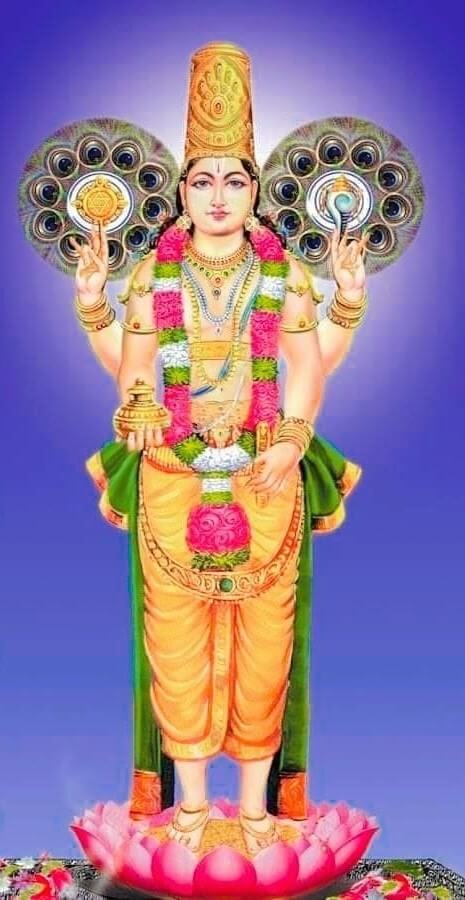 Thottuva Sree Dhanwanthari Moorthy Temple is situated in Koovappady Panchayat, about 1 km from Thottuva Junction on the Perumbavoor–Kodanad route in Ernakulam district. The temple is one of the rare temples in Kerala dedicated to Lord Dhanwanthari, the divine physician and an incarnation of Lord Vishnu. The temple is particularly revered as a centre of worship for health and healing and devotees from different parts of Kerala visit the temple seeking relief from physical ailments and other difficulties. It is also common for Ayurvedic physicians from different parts of Kerala to visit the temple and spend time in prayer and worship, seeking the blessings of Lord Dhanwanthari.
According to temple belief, sincere prayer and worship at the temple can help relieve the three doshas—Vata, Pitta and Kapha. A small stream flows towards the east along the southern side of the temple and according to temple tradition, devotees bathe in this stream and purify themselves before entering the temple for darshan.
The temple is believed to be around 1,000 years old. The administration of the temple was originally under Brahmin families. Over time, its management was transferred to the Thachayam Kaimal family, then to the Korambur family and finally came under the Sri Dhanwanthari Moorthy Seva Trust in the year 2005. As only a few temples in Kerala are dedicated to Lord Dhanwanthari, Thottuva Sree Dhanwanthari Moorthy Temple is considered a rare and important centre of Dhanwanthari worship in the state. The temple continues to attract devotees seeking the blessings of Lord Dhanwanthari for health, well-being and recovery.
According to temple tradition, three Namboothiri families who once lived in Malayattoor were associated with the temple. These families were wealthy and prosperous and worshipped Lord Shiva, Lord Vishnu and Bhagavathi as their family deities. 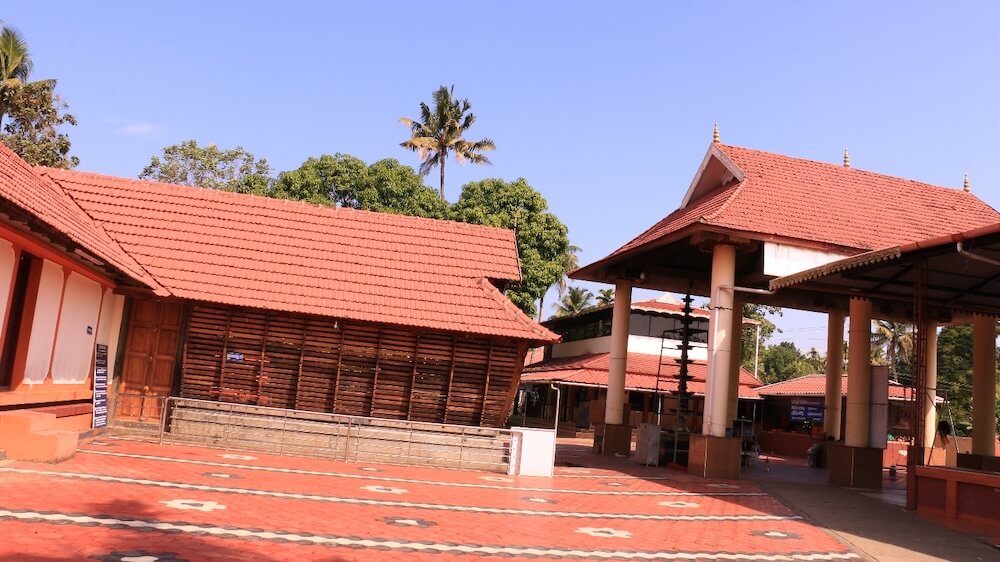 According to legend, Adi Shankaracharya once visited their homes, but none of the three families offered him food, water or any form of hospitality. Angered by this, he is said to have cursed all three families, following which they lost their wealth and fell into poverty. In search of a means of survival, they left for the region of Kodanad. Exhausted by hunger and thirst, they reached a place where they decided to cook food in three separate pots using dry bamboo as firewood. Two of them placed the bamboo above the fire, while the third placed it below the fire. The fires of the first two men burned strongly and their food was cooked quickly, allowing them to continue their journey and acquire large areas of vacant land.
 The third man, whose fire took longer to catch, was delayed and could not obtain any land. Sad and disappointed, he eventually reached the place where the temple now stands. He placed his palm-leaf umbrella upside down and began preparing the offering for the evening worship. It is believed that the place where he placed the overturned umbrella later became known as Kudappadam. Tired and deeply disappointed, he fell asleep after eating. According to the legend, Lord Dhanwanthari appeared to him in a dream and promised to protect him at all times.
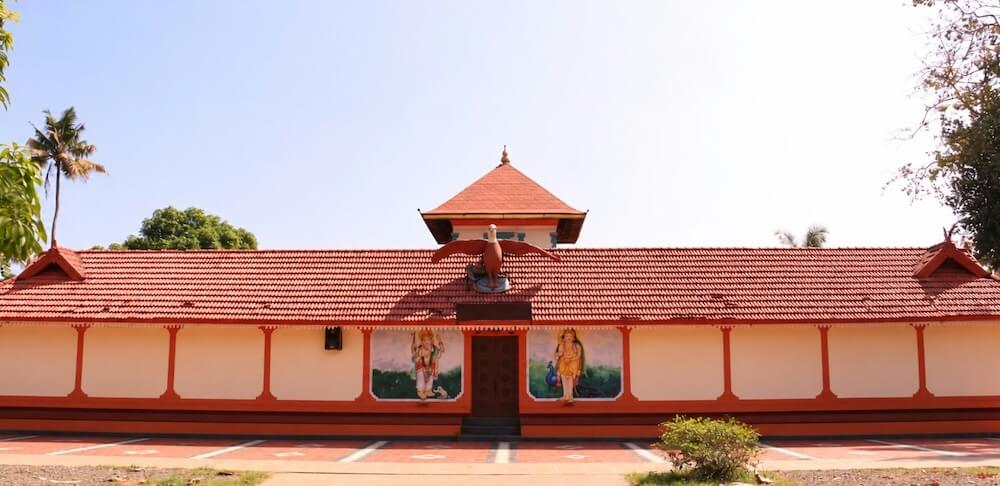
Thottuva Sree Dhanwanthari Moorthy Temple follows the traditional architectural style of Kerala temples. The temple complex is set within a spacious courtyard, with a traditional entrance leading into the main temple premises. The entrance opens into the Chuttambalam, the enclosed structure surrounding the central shrine. Along the central axis leading towards the inner shrine is the Balikkal or offering stone. Beyond the Balikkal is the Nalambalam, the enclosed structure surrounding the central shrine, featuring traditional timber construction, a sloping tiled roof and wooden screens along the sides. The inner passage provides space for circumambulation around the shrine.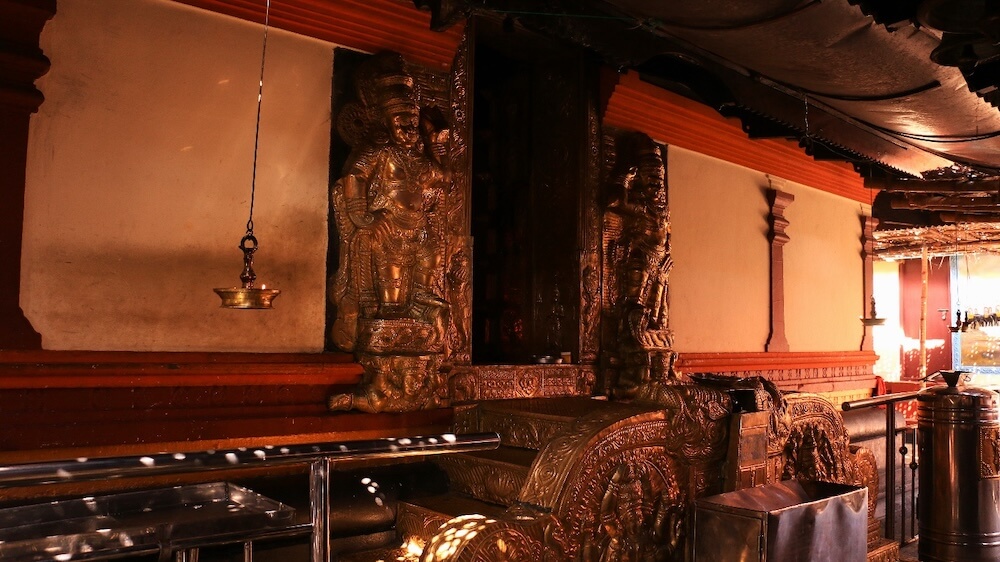
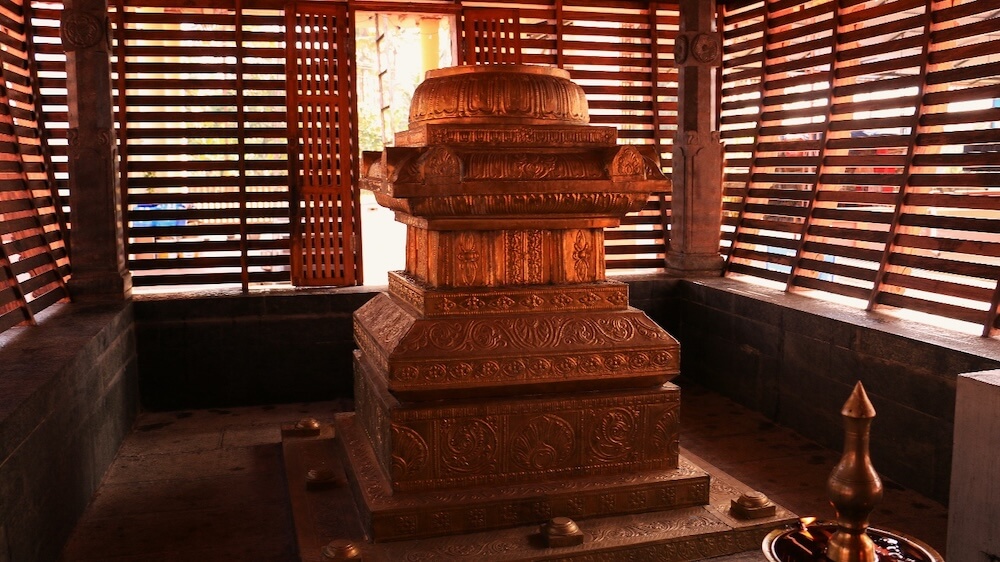
Within the Nalambalam is the Namaskara Mandapam, positioned before the Sreekovil or sanctum sanctorum. The Sreekovil is enclosed within the innermost section of the temple and is approached through wooden doorways. Its interior features traditional timber roof structures, wooden pillars and decorative elements, along with brass and copper fittings and traditional oil lamps. The Sreekovil houses the approximately six-foot-tall idol of Lord Dhanwanthari, depicted with four arms. 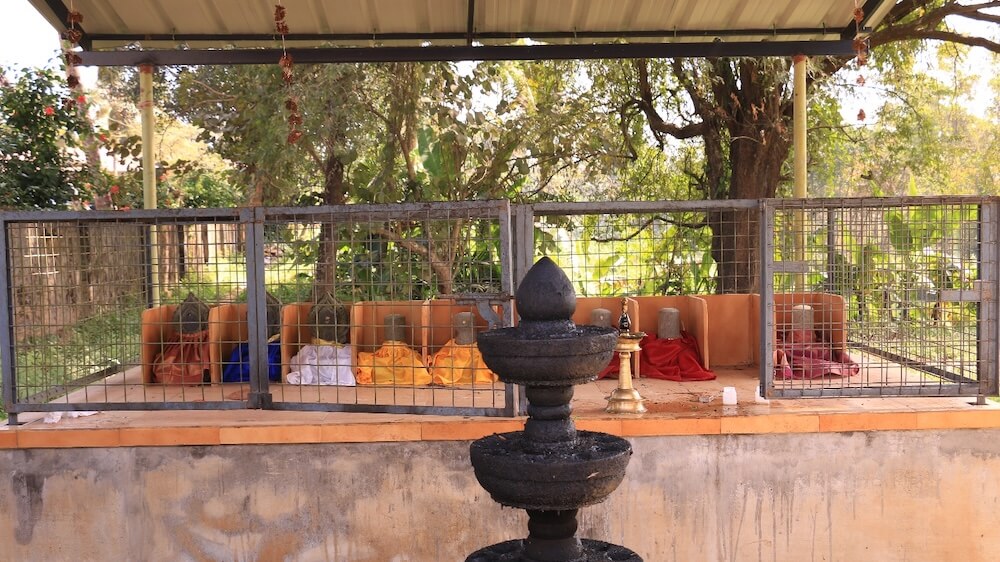 The lower right hand holds the pot of Amrita, the nectar of immortality, while the lower left hand holds a leech. The upper left hand holds a conch and the upper right hand holds a chakra or discus. The east-facing deity is worshipped as the divine healer and remover of diseases and devotees seek his blessings for health, recovery and the fulfilment of their prayers. The temple also has several sub-deities, including Bhagavathi, Ganapathi, Shastha, Naga and Rakshas, who are worshipped alongside the presiding deity.
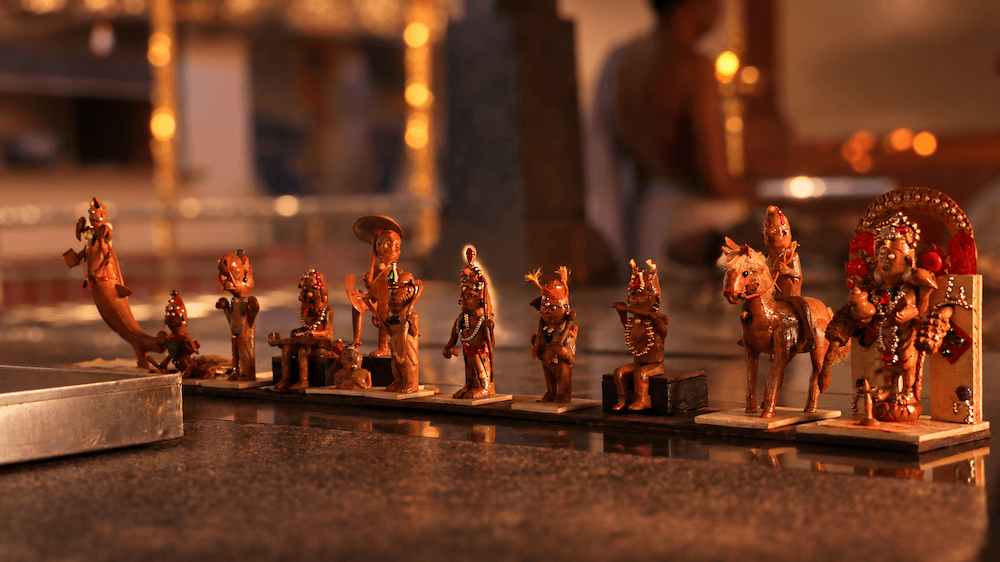
The annual Thiruvutsavam is celebrated on a grand scale for almost a month, with traditional temple music and various devotional programmes. 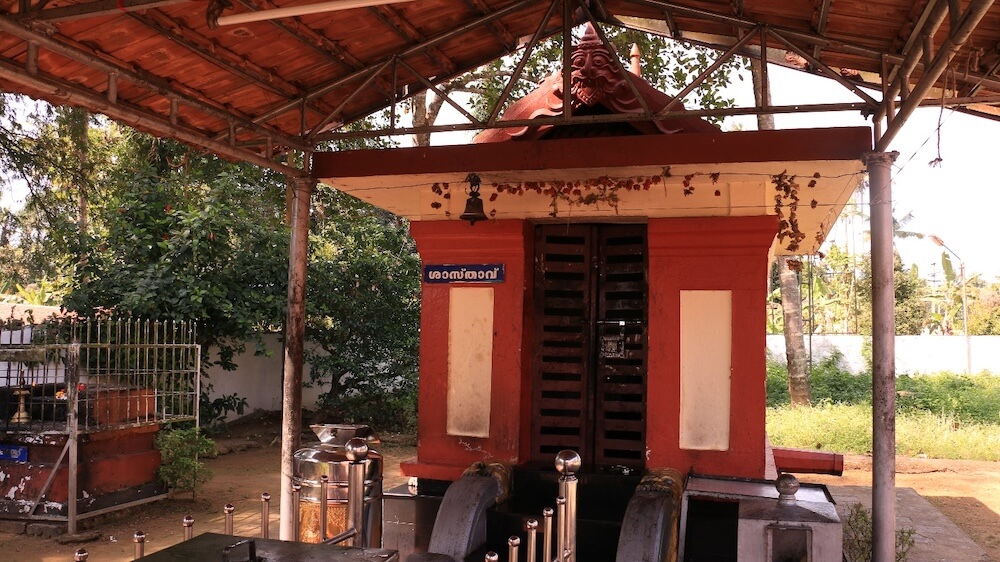 The festival begins at the start of the Malayalam month of Vrischikam and continues until the middle of Dhanus. The Dashavathara Mahotsavam is celebrated every year during the Thiruvutsavam. As part of this ritual, the idol of Lord Dhanwanthari is decorated with sandalwood paste in the form of the ten incarnations of Lord Vishnu, one form each day for ten days and worshipped accordingly. Thiruvonam Oottu and the special Mukkudi offering are held on the Thiruvonam day in the Malayalam months of Karkidakam and Makaram.
 Mukkudi is considered one of the special sacred offerings of the temple and devotees from different parts of Kerala visit the temple on these days to receive and partake of this prasadam. The temple’s Prathishta Day or consecration anniversary is observed on the Makam day of the Malayalam month of Mithunam. On the day of Guruvayur Ekadashi, the temple celebrates Thottuva Dhanwanthari Ekadashi on a grand scale with special poojas and rituals.
The temple offers Chena (Elephant Foot Yam) and Salt as a special offering for relief from skin diseases,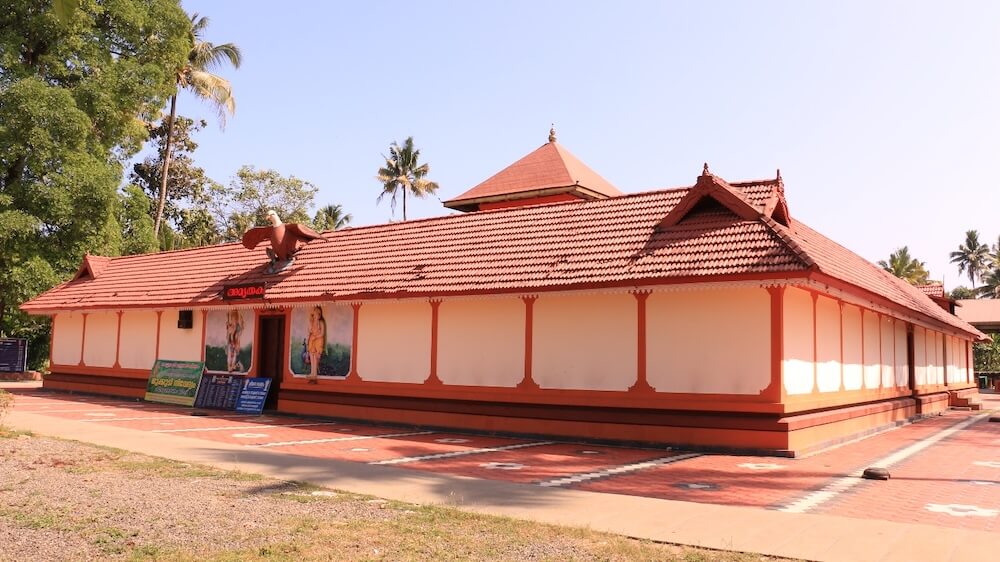 Attayum Kuzhampum (Leech and Medicinal Paste) for relief from ailments and Paalayum Kayarum (Areca Palm Leaf Sheath and Rope) for relief from wounds.
The Dashavatharam offering is associated with different blessings according to each incarnation. Matsya Avatar is believed to bless devotees with progress in education, long life and freedom from illness; Kurma Avatar with the fulfilment of desired goals; Varaha Avatar with the acquisition of land, growth in business and acquisition of vehicles; Narasimha Avatar with overcoming enemies, freedom from fear, 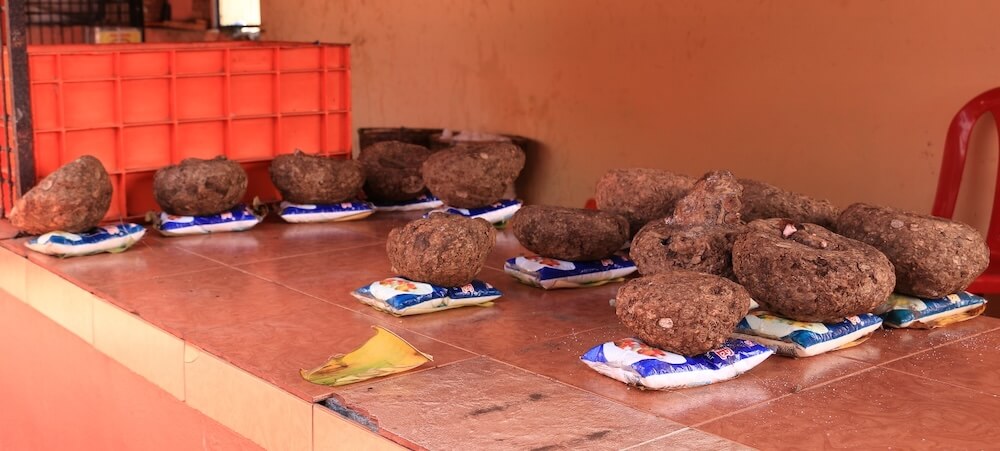 good health and relief from sins; Vamana Avatar with relief from difficulties, attainment of liberation, long life and removal of sins; Parashurama Avatar with fulfilment of wishes, long life and removal of sins; Sri Rama Avatar with relief from sorrow, prosperity and peace from difficulties; Balarama Avatar with family prosperity, agricultural development and harmony within the family; Sri Krishna Avatar with marriage, fulfilment of wishes and good health; and Kalki Avatar with overcoming enemies, fulfilment of desires and success in endeavours.
Vishwaroopa Darshan is an offering in which sandalwood paste is applied to the deity and is associated with receiving the combined blessings believed to come from all the Dashavathara forms. Dhanwanthari Homam is a special offering performed for relief from illness and suffering and it is believed that performing this homam for those suffering from illness helps them find relief and recovery. Ayur Gopala Mantra is a special mantra pooja performed for long life, good health and relief from difficulties associated with unfavourable periods in one’s life. Sarva Roga Shamana Mantra is a mantra pooja performed seeking relief from all illnesses and ailments. Dhanwanthari Manthrarchana is an archana performed by chanting Dhanwanthari mantras and is believed to bring the blessings of Lord Dhanwanthari, fulfilment of wishes and relief from illness. Many other special poojas and offerings are also performed at the temple for health and recovery. Offerings such as Muzhukkappu, Dashavatharam and Udayasthamana Pooja are also considered highly auspicious by devotees.
The temple is open for darshan from 5:00 AM to 10:30 AM in the morning and from 5:30 PM to 7:30 PM in the evening. On Sundays, Thiruvonam days and other special days, morning darshan is available from 5:00 AM to 11:30 AM, while the evening darshan remains from 5:30 PM to 7:30 PM.
Key Highlights
- Located 9 km from Perumbavoor town.
- Located 18 km from Kalady-Angamali railway station.
- Local buses are available to the temple.
- Private vehicles can be parked in the temple’s parking area.
- Dining facilities are available near the temple.
- Phone : +91 994 706 1970
थोट्टुवा श्री धन्वंतरी मूर्ति मंदिर
थोट्टुवा, पेरुंबवूर, जिला। एर्नाकुलम
मंदिरे
Temples
मंदिर
મંદિરો
கோவில்கள்
దేవాలయాలు
ക്ഷേത്രങ്ങൾ
ದೇವಾಲಯಗಳು
মন্দিরসমূহ
ਮੰਦਿਰ
-
थोनिक्का श्री महादेवाचे मंदिर कोळेंचेरी, जि. एर्नाकुलम
अधिक माहितीThonnikka Sree Mahadeva Temple Kolenchery, Dist. Ernakulam
View Detailsथोन्निक्का श्री महादेव मंदिर कोलेनचेरी, जिला. एर्नाकुलम
विवरण देखेंThonnikka Sree Mahadeva Temple Kolenchery, Dist. Ernakulam
વિગત જુઓThonnikka Sree Mahadeva Temple Kolenchery, Dist. Ernakulam
விவரங்களைக் காண்கThonnikka Sree Mahadeva Temple Kolenchery, Dist. Ernakulam
వివరాలను చూడండిThonnikka Sree Mahadeva Temple Kolenchery, Dist. Ernakulam
വിശദാംശങ്ങൾ കാണുകThonnikka Sree Mahadeva Temple Kolenchery, Dist. Ernakulam
ವಿವರಗಳನ್ನು ವೀಕ್ಷಿಸಿThonnikka Sree Mahadeva Temple Kolenchery, Dist. Ernakulam
বিস্তারিত দেখুনThonnikka Sree Mahadeva Temple Kolenchery, Dist. Ernakulam
ਵੇਰਵੇ ਦੇਖੋ -
करपिल्लक्कावू श्री महादेवाचे मंदिर मांजपरा, जि. एर्नाकुलम
अधिक माहितीKarpillikkavu Sree Mahadeva Temple Manjapra, Dist. Ernakulam
View Detailsकरपिल्लक्कावू श्री महादेवाचे मंदिर मंजपरा, जि. अर्नाकुलम
विवरण देखेंKarpillikkavu Sree Mahadeva Temple Manjapra, Dist. Ernakulam
વિગત જુઓKarpillikkavu Sree Mahadeva Temple Manjapra, Dist. Ernakulam
விவரங்களைக் காண்கKarpillikkavu Sree Mahadeva Temple Manjapra, Dist. Ernakulam
వివరాలను చూడండిKarpillikkavu Sree Mahadeva Temple Manjapra, Dist. Ernakulam
വിശദാംശങ്ങൾ കാണുകKarpillikkavu Sree Mahadeva Temple Manjapra, Dist. Ernakulam
ವಿವರಗಳನ್ನು ವೀಕ್ಷಿಸಿKarpillikkavu Sree Mahadeva Temple Manjapra, Dist. Ernakulam
বিস্তারিত দেখুনKarpillikkavu Sree Mahadeva Temple Manjapra, Dist. Ernakulam
ਵੇਰਵੇ ਦੇਖੋ -
चेराई श्री गोवरेश्वर मंदिर चेराई, वायपिन, जि. एर्नाकुलम.
अधिक माहितीCherai Sree Gowreeshwara Temple Cherai, Vypin, Dist. Ernakulam.
View Detailsचेराई श्री गौरीश्वर मंदिर चेराई, वाइपिन, जिला। एर्नाकुलम.
विवरण देखेंCherai Sree Gowreeshwara Temple Cherai, Vypin, Dist. Ernakulam.
વિગત જુઓCherai Sree Gowreeshwara Temple Cherai, Vypin, Dist. Ernakulam.
விவரங்களைக் காண்கCherai Sree Gowreeshwara Temple Cherai, Vypin, Dist. Ernakulam.
వివరాలను చూడండిCherai Sree Gowreeshwara Temple Cherai, Vypin, Dist. Ernakulam.
വിശദാംശങ്ങൾ കാണുകCherai Sree Gowreeshwara Temple Cherai, Vypin, Dist. Ernakulam.
ವಿವರಗಳನ್ನು ವೀಕ್ಷಿಸಿCherai Sree Gowreeshwara Temple Cherai, Vypin, Dist. Ernakulam.
বিস্তারিত দেখুনCherai Sree Gowreeshwara Temple Cherai, Vypin, Dist. Ernakulam.
ਵੇਰਵੇ ਦੇਖੋ