
श्री पूर्णत्रयीश मंदिर
कोट्टाकाकोम, त्रिपुणीथुरा, जिल्हा एर्नाकुलम
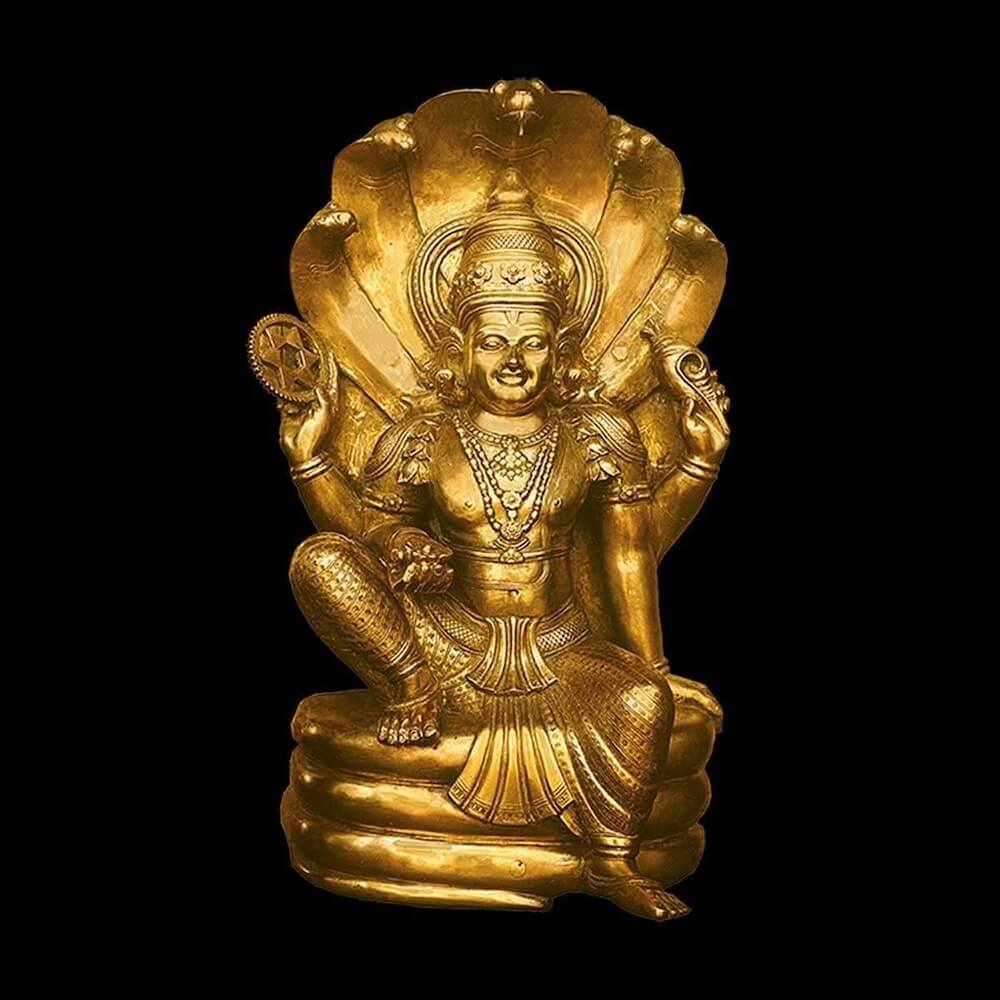 श्री पूर्णत्रयीश मंदिर कोट्टाकाकोम, त्रिपुणीथुरा, जिल्हा एर्नाकुलम. एर्नाकुलम जिल्ह्यातील त्रिपुणीथुरा येथे स्थित, श्री पूर्णत्रयीश मंदिर हे एक प्राचीन आणि ऐतिहासिकदृष्ट्या प्रसिद्ध विष्णू मंदिर आहे. त्रिपुणीथुरा हे पूर्वीच्या कोचीन संस्थानाचे राजधानीचे ठिकाण होते. या मंदिरातील मुख्य देवता अनंत (शेषनाग) वर विराजमान असलेले भगवान महाविष्णू आहेत. या देवतेची पूजा “पूर्णत्रयीश” या नावाने केली जाते. “पूर्णम्” या शब्दाचा अर्थ पूर्णता असा होतो, तर “त्रयीश” म्हणजे वेदांचा स्वामी. म्हणूनच, भक्त देवाची उपासना ज्ञान, समृद्धी आणि विपुलता देणारा म्हणून करतात. या देवतेला संतानगोपाल मूर्ती म्हणूनही मानले जाते आणि भक्तांची अशी श्रद्धा आहे की येथे प्रार्थना केल्याने मुलांचे कल्याण, समृद्धी आणि प्रगती होते, तसेच बालपणातील कष्ट आणि अडथळे दूर होतात. आज, हे भव्य मंदिर कोचीन देवस्वम बोर्डाच्या प्रशासनाखाली आहे.
त्रिपुणीथुरा येथील श्री पूर्णत्रयीश मंदिराचा इतिहास अत्यंत समृद्ध असून, त्यात शतकानुशतकांची परंपरा आणि राजेशाही थाट यांचा संगम दिसून येतो. 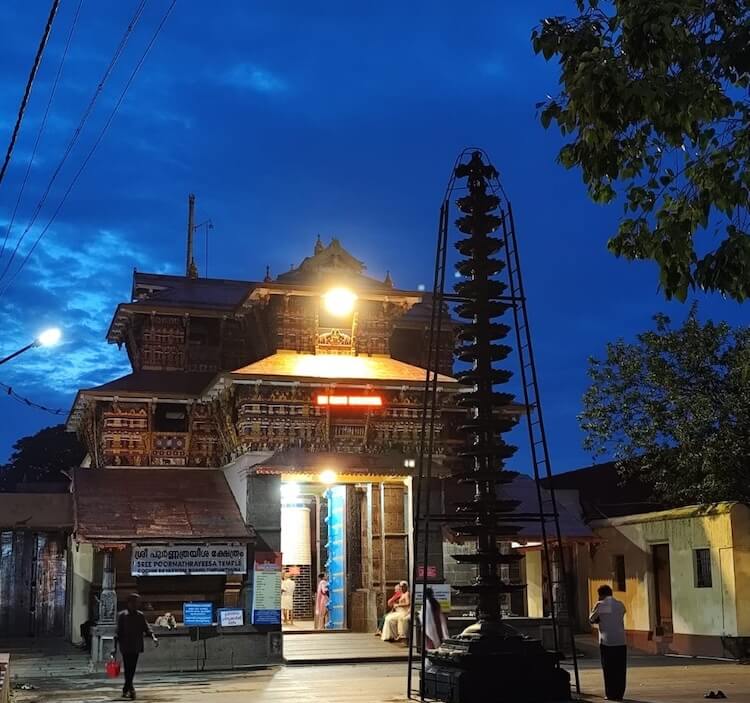 जरी स्थापनेचे नेमके वर्ष स्पष्टपणे नोंदवलेले नसले तरी, आज आपण जे मंदिर पाहतो, त्याचे बांधकाम इसवी सन ९५२ ते इसवी सन १८४९ दरम्यानच्या विविध कालखंडांत झाले असावे असे मानले जाते. असेही मानले जाते की भगवान श्री पूर्णत्रयीश यांची सध्याची मूर्ती इसवी सन १२७० मध्ये पुन्हा स्थापित करण्यात आली होती. हे मंदिर मूळचे जुन्या कुरियूर स्वरूपमचे होते असे सांगितले जाते. जेव्हा तो वंश क्षीण झाला, तेव्हा हा प्रदेश आणि मंदिर कोचीन राजघराण्याच्या नियंत्रणाखाली आले. कोचीन राजघराण्याच्या आठ शाही मंदिरांपैकी हे मंदिर सर्वात महत्त्वाचे मानले जाते. ज्या काळात त्रिपुणीथुरा ही कोचीन राज्याची राजधानी होती, त्या काळात हे मंदिर राजघराण्याचे आध्यात्मिक केंद्र होते.
भगवान पूर्णत्रयीश यांची राज्याचे रक्षक दैवत म्हणून पूजा केली जात असे. राजाचे महत्त्वाचे विधी, शाही समारंभ आणि भव्य उत्सव या सर्वांचे केंद्र हे मंदिरच होते. १९२० मध्ये लागलेल्या एका भीषण आगीमुळे मंदिराच्या अनेक भागांचे गंभीर नुकसान झाले होते, परंतु आश्चर्यकारकपणे, गर्भगृह आणि मुख्य देवता सुरक्षित राहिले.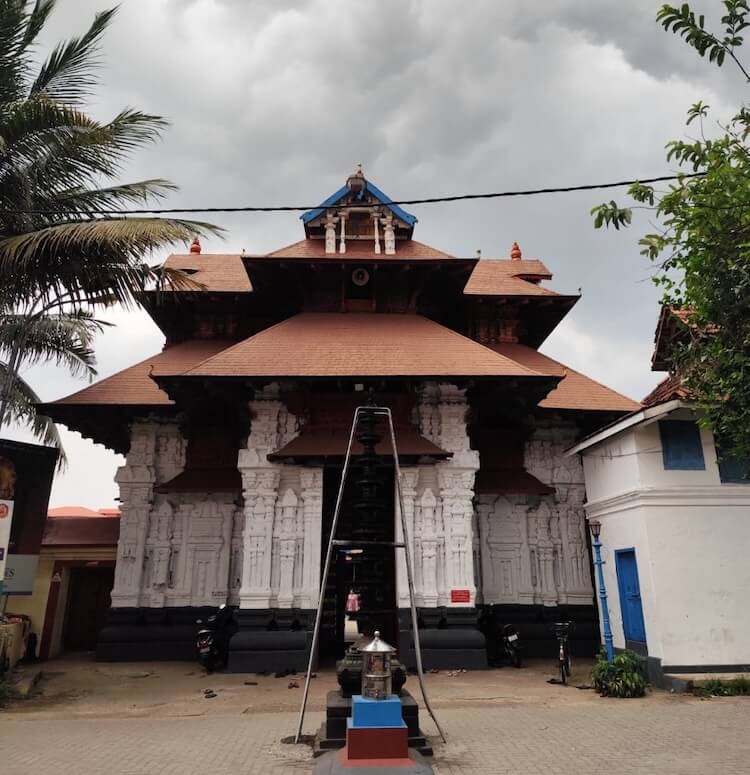 त्यानंतर मंदिराचा जीर्णोद्धार करण्यात आला आणि त्याला त्याचे पूर्वीचे वैभव पुन्हा प्राप्त झाले. एक हजाराहून अधिक वर्षांचा आध्यात्मिक वारसा जपणारे हे मंदिर, भक्ती, इतिहास आणि राजेशाही परंपरेचा दुर्मिळ संगम म्हणून आजही त्रिपुणीथुराच्या हृदयात तेजाळत आहे.
पूर्णत्रयीश मंदिराची दंतकथा महाभारताच्या काळाशी आणि अर्जुनाशी संबंधित आहे. असे मानले जाते की पांडवांपैकी एक असलेला अर्जुन आपल्या तीर्थयात्रेदरम्यान या ठिकाणी पोहोचला आणि त्याने येथे भगवान महाविष्णूची पूजा केली. तपश्चर्या करत असताना, भगवान विष्णूंनी त्याला दिव्य दर्शन दिले असे मानले जाते. दंतकथेनुसार, त्या दिव्य अनुभवाची पवित्रता जपण्यासाठी, अर्जुनाने स्वतः येथे विष्णूची मूर्ती स्थापित केली. भक्तांचा असा विश्वास आहे की ही दैवी उपस्थिती आजही “पूर्णत्रयीश” च्या रूपात त्यांना आशीर्वाद देत आहे. म्हणूनच हे मंदिर केवळ उपासनेचे ठिकाण नसून, दैवी कृपा, राजेशाही वारसा आणि आध्यात्मिक तेजाने भरलेली एक पवित्र भूमी मानली जाते.
हे मंदिर त्रिपुणीथुरा शहराच्या मध्यवर्ती भागात स्थित आहे. रस्त्यावरून पाहिल्यास, सर्वात आधी लक्ष वेधून घेते ते म्हणजे भव्य प्रवेशद्वार आणि पारंपारिक केरळ शैलीत बांधलेले उंच गोपुरम. 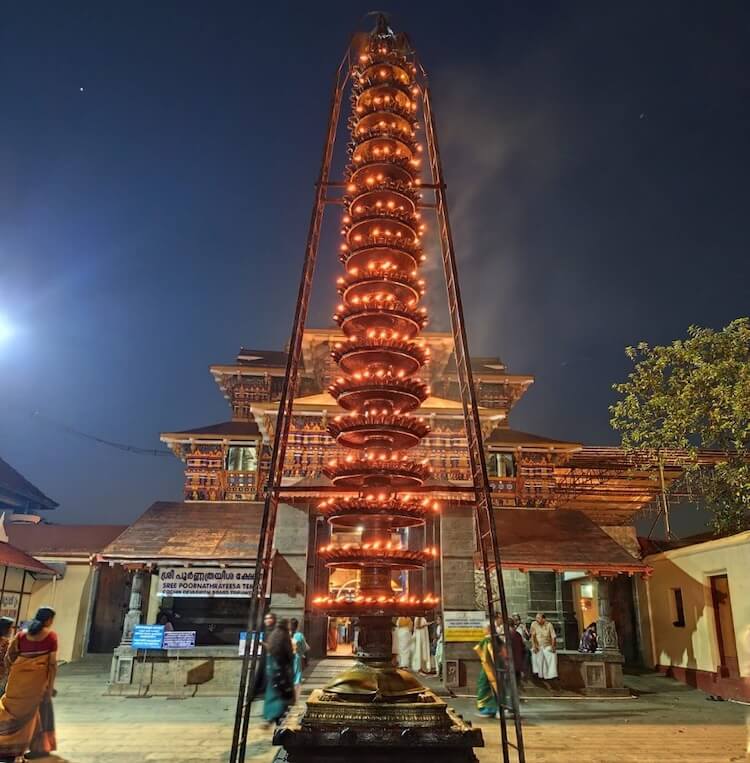 मंदिराच्या भिंतींच्या आत पसरलेला विशाल परिसर राजेशाही थाट दर्शवतो. पुरुषांना शर्ट आणि बनियानसारखे वरचे कपडे काढूनच मंदिरात प्रवेश करण्याची परवानगी आहे, मात्र वरचे वस्त्र (मेलमुंडू) परिधान करता येते. प्रवेशद्वाराजवळ, मंदिराचे अंगण, उंच दीपस्तंभ आणि सोन्याचा ध्वजस्तंभ भक्तांचे लक्ष वेधून घेतात. त्यांच्याभोवती सुंदर लाकडी कोरीव काम असलेल्या पारंपारिक शैलीत बांधलेला नालंबलम आहे. नालंबलममध्ये प्रवेश केल्यावर, नमस्कार मंडप दिसतो. लाकूड आणि दगडाने बांधलेल्या या हॉलला उतरते छप्पर आहे. मजबूत लाकडी खांब आणि दगडी कोरीव कामावर पौराणिक आकृत्या, फुलांचे नक्षीकाम आणि दैवी सजावट दिसून येते. नमस्कार मंडपाच्या पलीकडे मुख्य गर्भगृह (श्रीकोविल) आहे, जे पारंपारिक केरळ वास्तुकलेत बांधलेले आहे. त्याचा मजबूत पाया आणि उत्कृष्ट लाकडी कोरीव काम त्याचे सौंदर्य वाढवते. मुख्य देवता, भगवान महाविष्णू, येथे एका दुर्मिळ रूपात दिसतात. पूर्वेकडे तोंड करून, भगवान पूर्णत्रयीश हे पाच फण्यांच्या अनंताच्या छायेखाली दिव्य मुद्रेत विराजमान आहेत. अनंताची वेटोळी ही देवाचे आसन मानली जातात.
 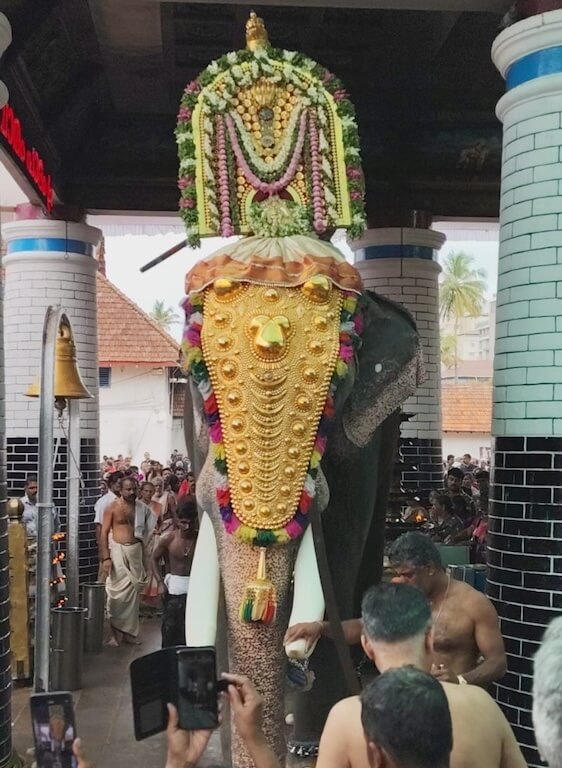 मूर्ती पंचलोहाची (पाच धातूंचे मिश्रण) बनलेली आहे. प्रभू दिव्य रूपात शंख आणि चक्र धारण करतात. अनंतशयन रूपाप्रमाणे ही मूर्ती निद्रिस्त नसून, भक्तांना थेट आशीर्वाद देणारी ही एक भव्य उभी मूर्ती आहे.
उपदेवतांमध्ये भगवान गणपतींना महत्त्वाचे स्थान असून, त्यांचे मंदिर मंदिराच्या प्रवेशद्वाराजवळ स्थित आहे. येथे भगवती देवी, भगवान शास्ता, नाग देवता, हनुमान आणि काही भागांत भगवान श्रीकृष्णाच्या विविध रूपांची मंदिरे आहेत. या सर्व देवता मुख्य गर्भगृहाच्या भोवती स्थापित आहेत. मंदिराचा मुख्य उत्सव मल्याळम महिना वृश्चिकममध्ये साजरा केला जाणारा प्रसिद्ध ‘वृश्चिकोत्सवम’ हा आहे. हा भव्य उत्सव आठ ते दहा दिवस चालतो.
दररोज विशेष पूजा, दीपाराधना आणि सीवेली मिरवणुका काढल्या जातात. सजवलेले हत्ती, पंचवाद्यम, चेंडामेलम आणि नादस्वरम उत्सवाच्या भव्यतेत भर घालतात. उत्सवाचा सर्वात महत्त्वाचा विधी म्हणजे ‘आरट्टू’. शेवटच्या दिवशी, प्रभूंची मूर्ती पवित्र विधी स्नानासाठी भव्य मिरवणुकीत नेली जाते. हा उत्सव भक्ती, राजेशाही परंपरा आणि सांस्कृतिक वैभवाचा दुर्मिळ संगम मानला जातो. मंदिरात साजरे होणारे इतर महत्त्वाचे उत्सव म्हणजे श्रीकृष्ण जयंती, विशू, अष्टमी रोहिणी, नवरात्री, तिरुवोणम आणि दीपावली. याव्यतिरिक्त, प्रसिद्ध ‘त्रिपुणीथुरा अथाचमयम’ देखील या मंदिराशी जवळून संबंधित आहे. अथाचमयम मिरवणूक मल्याळम महिना चिंगममध्ये ओणम उत्सवाची सुरुवात दर्शवते.
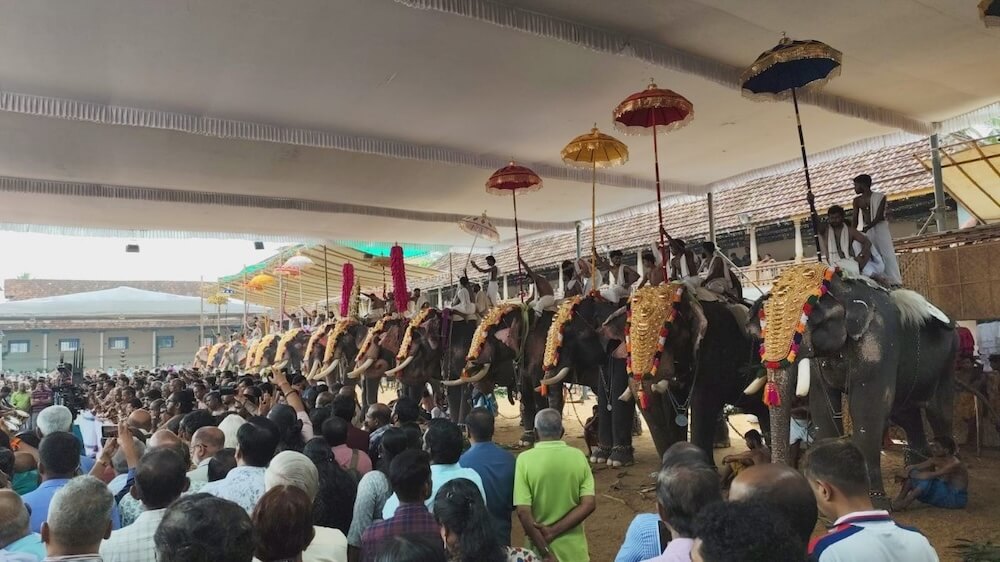 श्री पूर्णत्रयीश मंदिरात दररोजच्या पूजा आणि विशेष विधी अत्यंत शिस्तीत आणि पारंपारिक प्रथेनुसार पार पाडल्या जातात. पहाटे देवाचे पवित्र दर्शन घेण्यासाठी मंदिर पहाटे ४:०० वाजता निर्मल्य दर्शनासाठी उघडते. त्यानंतर अभिषेक आणि मलर निवेद्यमसारखे सकाळचे नैवेद्य अर्पण केले जातात. पहाटे ५:०० वाजता गणपती होमम आणि सकाळी ६:३० वाजता उषा पूजा केली जाते. त्यानंतर सकाळी ७:०० वाजता सीवेली होते. सकाळी ९:०० वाजता भक्तांसाठी विशेष नैवेद्य आणि अर्चना केली जाते. सकाळी १०:०० वाजता उचा पूजा (दुपारची पूजा) होते, त्यानंतर सीवेली होऊन सकाळी ११:०० वाजता मंदिर बंद होते. संध्याकाळी ५:०० वाजता मंदिर पुन्हा उघडते आणि सायंकाळचे विधी सुरू होतात. संध्याकाळी ६:३० वाजता दीपाराधना, त्यानंतर ७:०० वाजता अथाळा पूजा आणि शेवटची सीवेली होते. रात्री ८:०० वाजता मंदिर बंद होते.
उत्सवाच्या दिवसांत आणि विशेष प्रसंगी पूजेच्या वेळेत थोडा बदल होऊ शकतो. श्री पूर्णत्रयीश मंदिरातील मुख्य अर्पणांपैकी (वळीपाडू) सर्वात प्रसिद्ध ‘ओल्पेन्ना’ आहे. हा या मंदिराचा एक विशेष विधी आहे, ज्यामध्ये नारळाच्या पानांपासून (तेंगगोला) बनवलेल्या लहान पात्रात देवाला तिळाचे तेल अर्पण केले जाते. भक्तांनी अर्पण केलेले तेल मंदिरातील दिवे प्रज्वलित करण्यासाठी वापरले जाते आणि हे अर्पण अत्यंत शुभ मानले जाते. याव्यतिरिक्त, इतर महत्त्वाच्या अर्पणांमध्ये पाल् पायसम, कूट्टू पायसम, कलभम, निरामला, अप्पम निवेद्यम, अदा निवेद्यम, पुष्पांजली आणि तुलाभारम यांचा समावेश होतो. हे वळीपाडू आशीर्वाद, समृद्धी आणि दैवी कृपेसाठी भक्तांकडून केले जातात.
मुख्य वैशिष्ट्ये
- एर्नाकुलम जंक्शनपासून १० किमी, त्रिपुणीथुरा रेल्वे स्थानकापासून ३ किमी आणि त्रिपुणीथुरा मेट्रो स्थानकापासून १ किमी अंतरावर स्थित आहे.
- कोचीवरून त्रिपुणीथुरासाठी राज्य परिवहन (KSRTC) आणि स्थानिक बसेस वारंवार उपलब्ध आहेत.
- खाजगी वाहने मंदिराच्या निश्चित पार्किंग क्षेत्रात उभी केली जाऊ शकतात.
- मंदिराच्या जवळ राहण्याची आणि भोजनाची सोय उपलब्ध आहे.
Sree Poornathrayeesa Temple
Kottakakom, Tripunithura, Dist. Ernakulam
Sree Poornathrayeesa Temple
Kottakakom, Tripunithura, Dist. Ernakulam
Situated in Thrippunithura of Ernakulam district,
Sree Poornathrayeesa Temple is an ancient and
historically
renowned
Vishnu
temple.
Thrippunithura was the capital of the former
princely state of Kingdom of Cochin. The main
deity of the temple is Lord Mahavishnu seated
on Anantha (the serpent Adishesha). The deity
is worshipped by the name “Poornathrayeesan.”
The word “Poornam” signifies completeness,
while “Thrayeesan” means the lord of the Vedas.
Therefore, devotees worship the Lord as the
giver of wisdom, prosperity, and abundance.
The deity is also conceived as Santhanagopala
Moorthy, and devotees believe that offering
prayers here is especially beneficial for the well
being, prosperity, and growth of children, as well
as for removing childhood afflictions and
obstacles. Today, this great temple is under the
administration of the Cochin Devaswom Board.
The history of Sree Poornathrayeesa Temple in Thrippunithura is immensely rich, blending
centuries of tradition with royal grandeur. Although the exact year of establishment is not
clearly recorded, the construction phases of the temple as seen today are believed to have
taken place during different periods between AD 952 and AD 1849. It is also believed that the
present idol of Lord Sree Poornathrayeesan was reinstalled in AD 1270. The temple is said to
have originally belonged to the old Kuriyoor Swaroopam. When that lineage declined, the
region and the temple came under the control of the Cochin Royal Family. Among the eight
royal temples of the Cochin royal family, this temple is considered the most important. During
the time when Thrippunithura served as the capital of the Kingdom of Cochin, this temple stood
as the spiritual centre of the royal family.
Lord Poornathrayeesan was worshipped as the
guardian deity of the kingdom. The King’s
important rituals, royal ceremonies, and grand
festivals were all centered around this temple. A
major fire that occurred in 1920 caused severe
damage to many parts of the temple, but
remarkably, the sanctum sanctorum and the main
deity remained unharmed. The temple was later
reconstructed and regained its former glory.
Preserving more than a thousand years of
spiritual heritage, this temple still shines in the
heart of Thrippunithura as a rare meeting point of
devotion, history, and royal tradition.
The legend of Poornathrayeesa Temple is closely associated with the Mahabharata period
and Arjuna. It is believed that Arjuna, one of the Pandavas, reached this place during his
pilgrimage and worshipped Lord Mahavishnu here. While performing penance, Lord Vishnu
is said to have granted him divine vision. According to legend, in order to preserve the
sanctity of that divine experience, Arjuna himself installed the Vishnu idol here. Devotees
believe that this divine presence continues to bless them today in the form of
“Poornathrayeesan.” That is why this temple is regarded not merely as a place of worship,
but as a sacred land filled with divine grace, royal heritage, and spiritual radiance.
The temple is located in the heart of Thrippunithura town. From the road, the first sight is
the majestic entrance gateway and the tall gopuram built in traditional Kerala style. The vast
temple complex spread within the compound walls gives a royal appearance. Men are
allowed to enter the temple only after removing their upper garments such as shirts and
banians, though an upper cloth (melmundu) may be worn. Near the entrance, the temple
courtyard, the tall lamp pillar (Deepasthambham), and the golden flagstaff immediately
attract the attention of devotees. Around them stands the Nalambalam, built in traditional
style with beautiful wooden craftsmanship. Entering the Nalambalam, one can see the
Namaskara Mandapam. This hall, built with wood and stone, has a sloping roof. Strong
wooden pillars and stone carvings display mythological figures, floral patterns, and divine
decorations. Beyond the Namaskara Mandapam lies the main sanctum (Sreekovil), built in
the traditional Kerala architectural style. Its strong foundation and exquisite wooden
carvings enhance its beauty. The main deity, Lord Mahavishnu, appears here in a rare form.
Facing east, Lord Poornathrayeesan is seen in a divine posture beneath the hood of the
five-headed Anantha. The coils of Anantha are considered the Lord’s seat. The idol is made
of Panchaloha (five-metal alloy). The Lord holds the conch and discus in a divine form.
Unlike the reclining Ananthasayana form, this is a majestic standing vision directly blessing
the devotees.
Among the sub-deities, Lord Ganapathi holds an important place, with the shrine located near the
temple entrance. There are also shrines for Goddess Bhagavathy, Lord Sastha, serpent deities
(Naga Devathas), Hanuman, and in some sections, forms of Lord Krishna. All these are installed
around the main sanctum. The main festival of the temple is the famous Vrischikotsavam celebrated
during the Malayalam month of Vrischikam. This grand festival lasts for eight to ten days.
Special poojas, Deeparadhana, and Seeveli
processions are conducted daily. Decorated
elephants, Panchavadyam, Chendamelam, and
Nadaswaram add royal grandeur to the
celebrations. The most important ritual of the
festival is the “Arattu.” On the final day, the idol
of the Lord is taken in a grand ceremonial
procession for the sacred ritual bath. This
festival is considered a rare union of devotion,
royal tradition, and cultural magnificence. Other
important celebrations observed in the temple
include Sree Krishna Jayanthi, Vishu, Ashtami
Rohini, Navaratri, Thiruvonam, and Deepavali.
In addition, the famous Thrippunithura
Athachamayam is also closely associated with
the temple. The Athachamayam procession
marks the beginning of the Onam celebrations
during the Malayalam month of Chingam.
At Sree Poornathrayeesa Temple, daily poojas and special rituals are conducted with great
discipline and according to traditional customs. The temple opens at 4:00 AM for Nirmalya
Darshanam, the sacred first viewing of the deity in the early morning. This is followed by
Abhishekam and morning offerings such as Malar Nivedyam. At 5:00 AM, Ganapathi Homam is
performed, followed by Usha Pooja at 6:30 AM. After this, Seeveli takes place at 7:00 AM. At
9:00 AM, special offerings and Archana are conducted for devotees. Ucha Pooja (midday
worship) is held at 10:00 AM, followed by Seeveli, and the temple closes at 11:00 AM. In the
evening, the temple reopens at 5:00 PM and the evening rituals begin. Deeparadhana is
performed at 6:30 PM, followed by Athazha Pooja at 7:00 PM and the final Seeveli. The temple
closes for the day at 8:00 PM.
During festival days and special occasions, there may be slight changes in the pooja timings.
Among the main offerings (Vazhipadu) at Sree Poornathrayeesa Temple, the most famous is
“Olpenna.” This is a special ritual unique to the temple, in which sesame oil is offered to the Lord
in a small container made from coconut palm leaf (Thengola). The oil offered by devotees is
used for lighting the temple lamps, and this offering is considered highly auspicious. Apart from
this, other important offerings include Paal Payasam, Koottu Payasam, Kalabham, Niramala,
Appam Nivedyam, Ada Nivedyam, Pushpanjali, and Thulabharam. These vazhipadus are
performed by devotees seeking blessings, prosperity, and divine grace.
Key highlights
- Located at 10 km away from Ernakulam junction and 3 km away from Tripunithura railway station and also 1 km away from Tripunithura metro station
- State transport [ KSRTC ] and local buses to Tripunithura are frequent from Kochi.
- Private vehicle can be parked at the temple designated parking area.
- Accommodation and food facilities are available near the temple.
श्री पूर्णत्रयीश मंदिर
कोट्टक्काकम, त्रिपुनिथुरा, जिला एर्नाकुलम
श्री पूर्णत्रयीश मंदिर कोट्टक्काकम, त्रिपुनिथुरा, जिला एर्नाकुलम।
एर्नाकुलम जिले के त्रिपुनिथुरा में स्थित, श्री पूर्णत्रयीश मंदिर एक प्राचीन और ऐतिहासिक रूप से प्रसिद्ध विष्णु मंदिर है। त्रिपुनिथुरा पूर्ववर्ती कोचीन रियासत की राजधानी थी। मंदिर के मुख्य देवता भगवान महाविष्णु हैं, जो अनंत (शेषनाग) पर विराजमान हैं। देवता की पूजा “पूर्णत्रयीश” के नाम से की जाती है। “पूर्णम” शब्द पूर्णता का प्रतीक है, जबकि “त्रयीश” का अर्थ है वेदों के स्वामी। इसलिए, भक्त भगवान की पूजा ज्ञान, समृद्धि और प्रचुरता प्रदान करने वाले के रूप में करते हैं। देवता को संतानगोपाल मूर्ति के रूप में भी माना जाता है, और भक्तों का विश्वास है कि यहाँ प्रार्थना करना बच्चों की भलाई, समृद्धि और विकास के लिए, साथ ही बचपन के कष्टों और बाधाओं को दूर करने के लिए विशेष रूप से लाभकारी है। आज, यह महान मंदिर कोचीन देवस्वोम बोर्ड के प्रशासन के अधीन है।
त्रिपुनिथुरा में श्री पूर्णत्रयीश मंदिर का इतिहास अत्यंत समृद्ध है, जो सदियों की परंपरा को शाही भव्यता के साथ जोड़ता है। यद्यपि स्थापना का सटीक वर्ष स्पष्ट रूप से दर्ज नहीं है, लेकिन आज दिखाई देने वाले मंदिर के निर्माण चरण ९५२ ईस्वी और १८४९ ईस्वी के बीच विभिन्न अवधियों में हुए माने जाते हैं। यह भी माना जाता है कि भगवान श्री पूर्णत्रयीश की वर्तमान मूर्ति को १२७० ईस्वी में पुनः स्थापित किया गया था। कहा जाता है कि यह मंदिर मूल रूप से पुराने कुरियूर स्वरूपम का था। जब वह वंश समाप्त हुआ, तो यह क्षेत्र और मंदिर कोचीन शाही परिवार के नियंत्रण में आ गए। कोचीन शाही परिवार के आठ शाही मंदिरों में से, इस मंदिर को सबसे महत्वपूर्ण माना जाता है। उस समय के दौरान जब त्रिपुनिथुरा कोचीन राज्य की राजधानी के रूप में कार्य करता था, यह मंदिर शाही परिवार का आध्यात्मिक केंद्र था।
भगवान पूर्णत्रयीश की पूजा राज्य के रक्षक देवता के रूप में की जाती थी। राजा के महत्वपूर्ण अनुष्ठान, शाही समारोह और भव्य उत्सव सभी इसी मंदिर के इर्द-गिर्द केंद्रित थे। १९२० में लगी एक बड़ी आग ने मंदिर के कई हिस्सों को गंभीर नुकसान पहुँचाया, लेकिन आश्चर्यजनक रूप से, गर्भगृह और मुख्य देवता सुरक्षित रहे। बाद में मंदिर का पुनर्निर्माण किया गया और इसने अपनी पूर्व महिमा प्राप्त कर ली। एक हजार से अधिक वर्षों की आध्यात्मिक विरासत को संजोए हुए, यह मंदिर आज भी भक्ति, इतिहास और शाही परंपरा के एक दुर्लभ संगम के रूप में त्रिपुनिथुरा के हृदय में चमक रहा है।
पूर्णत्रयीश मंदिर की किंवदंती महाभारत काल और अर्जुन से निकटता से जुड़ी हुई है। ऐसा माना जाता है कि पांडवों में से एक, अर्जुन अपनी तीर्थयात्रा के दौरान इस स्थान पर पहुँचे और यहाँ भगवान महाविष्णु की पूजा की। तपस्या करते समय, कहा जाता है कि भगवान विष्णु ने उन्हें दिव्य दर्शन दिए थे। किंवदंती के अनुसार, उस दिव्य अनुभव की पवित्रता को बनाए रखने के लिए, अर्जुन ने स्वयं यहाँ विष्णु की मूर्ति स्थापित की थी। भक्तों का मानना है कि यह दिव्य उपस्थिति आज भी “पूर्णत्रयीश” के रूप में उन्हें आशीर्वाद दे रही है। यही कारण है कि इस मंदिर को केवल पूजा स्थल के रूप में नहीं, बल्कि दिव्य कृपा, शाही विरासत और आध्यात्मिक आभा से भरी एक पवित्र भूमि के रूप में माना जाता है।
मंदिर त्रिपुनिथुरा शहर के केंद्र में स्थित है। सड़क से, पहली दृष्टि राजसी प्रवेश द्वार और पारंपरिक केरल शैली में निर्मित ऊँचे गोपुरम पर पड़ती है। चारदीवारी के भीतर फैला विशाल मंदिर परिसर एक शाही स्वरूप प्रदान करता है। पुरुषों को अपने ऊपरी वस्त्र जैसे शर्ट और बनियान उतारने के बाद ही मंदिर में प्रवेश करने की अनुमति है, हालाँकि एक ऊपरी कपड़ा (मेलमुंडु) पहना जा सकता है। प्रवेश द्वार के पास, मंदिर का प्रांगण, ऊँचा दीपस्तंभ और स्वर्ण ध्वजस्तंभ तुरंत भक्तों का ध्यान आकर्षित करते हैं। उनके चारों ओर नालम्बलम खड़ा है, जो सुंदर लकड़ी की कारीगरी के साथ पारंपरिक शैली में निर्मित है। नालम्बलम में प्रवेश करते ही, कोई भी नमस्कार मंडप देख सकता है। लकड़ी और पत्थर से निर्मित इस हॉल में ढलान वाली छत है। मजबूत लकड़ी के खंभे और पत्थर की नक्काशी पौराणिक आकृतियों, पुष्प पैटर्न और दिव्य सजावट को प्रदर्शित करती है। नमस्कार मंडप के आगे मुख्य गर्भगृह (श्रीकोविल) स्थित है, जो पारंपरिक केरल वास्तुकला शैली में निर्मित है। इसकी मजबूत नींव और उत्कृष्ट लकड़ी की नक्काशी इसकी सुंदरता को बढ़ाती है। मुख्य देवता, भगवान महाविष्णु, यहाँ एक दुर्लभ रूप में दिखाई देते हैं। पूर्व की ओर मुख किए हुए, भगवान पूर्णत्रयीश पाँच फनों वाले अनंत के नीचे एक दिव्य मुद्रा में देखे जाते हैं। अनंत के कुंडल भगवान का आसन माने जाते हैं। मूर्ति पंचलोह (पाँच धातुओं के मिश्रण) से निर्मित है। प्रभु अपने दिव्य स्वरूप में शंख और चक्र धारण किए हुए हैं। अनंतशयन के लेटे हुए स्वरूप के विपरीत, यह एक भव्य खड़ा स्वरूप है जो सीधे भक्तों को आशीर्वाद प्रदान करता है।
उप-देवताओं में, भगवान गणपति का महत्वपूर्ण स्थान है, जिनका मंदिर मुख्य द्वार के निकट स्थित है। यहाँ भगवती देवी, भगवान शास्ता, नाग देवता, हनुमान और कुछ भागों में भगवान कृष्ण के स्वरूपों के लिए भी मंदिर हैं। ये सभी मुख्य गर्भगृह के चारों ओर स्थापित हैं। मंदिर का मुख्य उत्सव प्रसिद्ध वृश्चिकोत्सव है, जो मलयालम महीने वृश्चिकम के दौरान मनाया जाता है। यह भव्य उत्सव आठ से दस दिनों तक चलता है।
दैनिक रूप से विशेष पूजा, दीपाराधना और सीवेली शोभायात्रा आयोजित की जाती है। सजे हुए हाथी, पंचवाद्यम, चेंडा मेलम और नादस्वरम उत्सवों में शाही भव्यता जोड़ते हैं। उत्सव का सबसे महत्वपूर्ण अनुष्ठान “आराट्टु” है। अंतिम दिन, प्रभु की मूर्ति को पवित्र अनुष्ठानिक स्नान के लिए एक भव्य शोभायात्रा में ले जाया जाता है। इस उत्सव को भक्ति, शाही परंपरा और सांस्कृतिक वैभव का दुर्लभ संगम माना जाता है। मंदिर में मनाए जाने वाले अन्य महत्वपूर्ण उत्सवों में श्री कृष्ण जयंती, विशु, अष्टमी रोहिणी, नवरात्रि, तिरुवोणम और दीपावली शामिल हैं। इसके अतिरिक्त, प्रसिद्ध त्रिपुनिथुरा अथाचमयम भी मंदिर से निकटता से जुड़ा हुआ है। अथाचमयम शोभायात्रा मलयालम महीने चिंगम के दौरान ओणम उत्सव की शुरुआत का प्रतीक है।
श्री पूर्णत्रयीश मंदिर में, दैनिक पूजा और विशेष अनुष्ठान बड़े अनुशासन और पारंपरिक रीति-रिवाजों के अनुसार किए जाते हैं। मंदिर सुबह ४:०० बजे निर्मल्य दर्शन के लिए खुलता है, जो भोर में देवता का पवित्र प्रथम दर्शन है। इसके बाद अभिषेक और सुबह के भोग जैसे मालार निवेद्यम होते हैं। सुबह ५:०० बजे गणपति होमम किया जाता है, जिसके बाद सुबह ६:३० बजे उषा पूजा होती है। इसके बाद, सुबह ७:०० बजे सीवेली होती है। सुबह ९:०० बजे भक्तों के लिए विशेष भेंट और अर्चना की जाती है। उचा पूजा (मध्याह्न पूजा) सुबह १०:०० बजे होती है, जिसके बाद सीवेली होती है और मंदिर सुबह ११:०० बजे बंद हो जाता है। शाम को, मंदिर शाम ५:०० बजे फिर से खुलता है और संध्या अनुष्ठान शुरू होते हैं। शाम ६:३० बजे दीपाराधना की जाती है, जिसके बाद शाम ७:०० बजे अथाझा पूजा और अंतिम सीवेली होती है। मंदिर रात ८:०० बजे दिन के लिए बंद हो जाता है।
उत्सव के दिनों और विशेष अवसरों पर, पूजा के समय में थोड़ा बदलाव हो सकता है। श्री पूर्णत्रयीश मंदिर में मुख्य भेंट (वजीपाडु) में सबसे प्रसिद्ध “ओल्पेन्ना” है। यह मंदिर का एक विशेष अनुष्ठान है, जिसमें नारियल के पत्ते (तेनगोला) से बने एक छोटे पात्र में प्रभु को तिल का तेल अर्पित किया जाता है। भक्तों द्वारा अर्पित तेल का उपयोग मंदिर के दीप जलाने के लिए किया जाता है, और इस भेंट को अत्यंत शुभ माना जाता है। इसके अलावा, अन्य महत्वपूर्ण भेंटों में पाल पायसम, कूट्टू पायसम, कलाभम, निरामला, अप्पम निवेद्यम, अदा निवेद्यम, पुष्पांजलि और तुलाभारम शामिल हैं। ये वजीपाडु आशीर्वाद, समृद्धि और दैवीय कृपा पाने के लिए भक्तों द्वारा किए जाते हैं।
मुख्य आकर्षण
- एर्नाकुलम जंक्शन से १० किमी दूर, त्रिपुनिथुरा रेलवे स्टेशन से ३ किमी दूर और त्रिपुनिथुरा मेट्रो स्टेशन से १ किमी दूर स्थित है।
- कोच्चि से त्रिपुनिथुरा के लिए राज्य परिवहन (KSRTC) और स्थानीय बसें बार-बार उपलब्ध हैं।
- निजी वाहन मंदिर के निर्धारित पार्किंग क्षेत्र में खड़े किए जा सकते हैं।
- मंदिर के पास आवास और भोजन की सुविधा उपलब्ध है।
શ્રી પૂર્ણત્રયીશ મંદિર
કોટ્ટકાકોમ, ત્રિપુનિથુરા, જિલ્લો એર્નાકુલમ
શ્રી પૂર્ણત્રયીશ મંદિર કોટ્ટકાકોમ, ત્રિપુનિથુરા, જિલ્લો એર્નાકુલમ. એર્નાકુલમ જિલ્લાના ત્રિપુનિથુરામાં આવેલું શ્રી પૂર્ણત્રયીશ મંદિર એક પ્રાચીન અને ઐતિહાસિક રીતે પ્રખ્યાત વિષ્ણુ મંદિર છે. ત્રિપુનિથુરા એ ભૂતપૂર્વ રજવાડા કોચીન રાજ્યની રાજધાની હતી. મંદિરના મુખ્ય દેવતા ભગવાન મહાવિષ્ણુ છે, જે અનંત (શેષનાગ) પર બિરાજમાન છે. આ દેવતાની પૂજા “પૂર્ણત્રયીશ” નામે કરવામાં આવે છે. “પૂર્ણમ” શબ્દ સંપૂર્ણતા સૂચવે છે, જ્યારે “ત્રયીશ” એટલે વેદોના સ્વામી. તેથી, ભક્તો ભગવાનની પૂજા જ્ઞાન, સમૃદ્ધિ અને વિપુલતા આપનાર તરીકે કરે છે. આ દેવતાને સંતાનગોપાલ મૂર્તિ તરીકે પણ માનવામાં આવે છે, અને ભક્તો માને છે કે અહીં પ્રાર્થના કરવાથી બાળકોની સુખાકારી, સમૃદ્ધિ અને વિકાસ માટે, તેમજ બાળપણના કષ્ટો અને અવરોધોને દૂર કરવા માટે વિશેષ લાભ થાય છે. આજે, આ ભવ્ય મંદિર કોચીન દેવસ્વમ બોર્ડના વહીવટ હેઠળ છે.
ત્રિપુનિથુરામાં શ્રી પૂર્ણત્રયીશ મંદિરનો ઇતિહાસ અત્યંત સમૃદ્ધ છે, જે સદીઓની પરંપરા અને શાહી ભવ્યતાનું મિશ્રણ છે. જોકે સ્થાપનાનું ચોક્કસ વર્ષ સ્પષ્ટ રીતે નોંધાયેલું નથી, પરંતુ આજે જે મંદિર જોવા મળે છે તેના નિર્માણના તબક્કા ઈ.સ. ૯૫૨ અને ઈ.સ. ૧૮૪૯ ની વચ્ચેના વિવિધ સમયગાળા દરમિયાન થયા હોવાનું માનવામાં આવે છે. એવું પણ માનવામાં આવે છે કે ભગવાન શ્રી પૂર્ણત્રયીશની વર્તમાન મૂર્તિની પુનઃસ્થાપના ઈ.સ. ૧૨૭૦ માં કરવામાં આવી હતી. કહેવાય છે કે આ મંદિર મૂળરૂપે જૂના કુરિયૂર સ્વરૂપમનું હતું. જ્યારે તે વંશનો ક્ષય થયો, ત્યારે આ પ્રદેશ અને મંદિર કોચીન રાજ પરિવારના નિયંત્રણ હેઠળ આવ્યા. કોચીન રાજ પરિવારના આઠ શાહી મંદિરોમાં, આ મંદિરને સૌથી મહત્વપૂર્ણ માનવામાં આવે છે. જે સમયે ત્રિપુનિથુરા કોચીન રાજ્યની રાજધાની તરીકે સેવા આપતું હતું, તે સમયે આ મંદિર રાજ પરિવારના આધ્યાત્મિક કેન્દ્ર તરીકે ઊભું હતું.
ભગવાન પૂર્ણત્રયીશની પૂજા રાજ્યના રક્ષક દેવતા તરીકે કરવામાં આવતી હતી. રાજાના મહત્વપૂર્ણ ધાર્મિક વિધિઓ, શાહી સમારોહ અને ભવ્ય ઉત્સવો આ મંદિરની આસપાસ કેન્દ્રિત હતા. ૧૯૨૦ માં લાગેલી એક મોટી આગને કારણે મંદિરના ઘણા ભાગોને ભારે નુકસાન થયું હતું, પરંતુ આશ્ચર્યજનક રીતે, ગર્ભગૃહ અને મુખ્ય દેવતા સુરક્ષિત રહ્યા હતા. ત્યારબાદ મંદિરનું પુનઃનિર્માણ કરવામાં આવ્યું અને તેણે તેની પૂર્વ ગરિમા પાછી મેળવી. એક હજાર વર્ષથી વધુના આધ્યાત્મિક વારસાને જાળવી રાખીને, આ મંદિર આજે પણ ભક્તિ, ઇતિહાસ અને શાહી પરંપરાના દુર્લભ સંગમ તરીકે ત્રિપુનિથુરાના હૃદયમાં શોભે છે.
પૂર્ણત્રયીશ મંદિરની દંતકથા મહાભારત કાળ અને અર્જુન સાથે ગાઢ રીતે જોડાયેલી છે. એવું માનવામાં આવે છે કે પાંડવોમાંના એક, અર્જુન, તેમની તીર્થયાત્રા દરમિયાન આ સ્થળે પહોંચ્યા હતા અને અહીં ભગવાન મહાવિષ્ણુની પૂજા કરી હતી. તપસ્યા કરતી વખતે, ભગવાન વિષ્ણુએ તેમને દિવ્ય દર્શન આપ્યા હોવાનું કહેવાય છે. દંતકથા અનુસાર, તે દિવ્ય અનુભવની પવિત્રતા જાળવવા માટે, અર્જુને પોતે અહીં વિષ્ણુની મૂર્તિ સ્થાપિત કરી હતી. ભક્તો માને છે કે આ દિવ્ય હાજરી આજે પણ “પૂર્ણત્રયીશ” ના સ્વરૂપમાં તેમને આશીર્વાદ આપે છે. તેથી જ આ મંદિરને માત્ર પૂજાના સ્થળ તરીકે જ નહીં, પરંતુ દિવ્ય કૃપા, શાહી વારસા અને આધ્યાત્મિક તેજથી ભરેલી પવિત્ર ભૂમિ તરીકે ગણવામાં આવે છે.
આ મંદિર ત્રિપુનિથુરા શહેરના મધ્યમાં આવેલું છે. રસ્તા પરથી, પ્રથમ દ્રશ્ય ભવ્ય પ્રવેશદ્વાર અને પરંપરાગત કેરળ શૈલીમાં બનેલા ઊંચા ગોપુરમનું છે. સંકુલની દીવાલોની અંદર ફેલાયેલું વિશાળ મંદિર પરિસર શાહી દેખાવ આપે છે. પુરુષોને શર્ટ અને બનિયાન જેવા ઉપરના વસ્ત્રો ઉતાર્યા પછી જ મંદિરમાં પ્રવેશવાની મંજૂરી છે, જોકે ઉપરનું વસ્ત્ર (મેલમુંડુ) પહેરી શકાય છે. પ્રવેશદ્વારની નજીક, મંદિરનું આંગણું, ઊંચો દીપસ્તંભ અને સુવર્ણ ધ્વજસ્તંભ તરત જ ભક્તોનું ધ્યાન ખેંચે છે. તેમની આસપાસ નાલમ્બલમ આવેલું છે, જે સુંદર લાકડાની કારીગરી સાથે પરંપરાગત શૈલીમાં બનેલું છે. નાલમ્બલમમાં પ્રવેશતા, નમસ્કાર મંડપ જોઈ શકાય છે. લાકડા અને પથ્થરથી બનેલા આ હોલની છત ઢળતી છે. મજબૂત લાકડાના સ્તંભો અને પથ્થરની કોતરણીમાં પૌરાણિક આકૃતિઓ, ફૂલોની ભાત અને દિવ્ય સજાવટ જોવા મળે છે. નમસ્કાર મંડપની પેલે પાર મુખ્ય ગર્ભગૃહ (શ્રીકોવિલ) છે, જે પરંપરાગત કેરળ સ્થાપત્ય શૈલીમાં બનેલું છે. તેનો મજબૂત પાયો અને ઉત્કૃષ્ટ લાકડાની કોતરણી તેની સુંદરતામાં વધારો કરે છે. મુખ્ય દેવતા, ભગવાન મહાવિષ્ણુ, અહીં દુર્લભ સ્વરૂપમાં બિરાજમાન છે. પૂર્વ તરફ મુખ રાખીને, ભગવાન પૂર્ણત્રયીશ પાંચ મસ્તકવાળા અનંતના ફેણ નીચે દિવ્ય મુદ્રામાં જોવા મળે છે. અનંતના ગૂંચળાને ભગવાનનું આસન માનવામાં આવે છે. મૂર્તિ પંચલોહ (પાંચ ધાતુઓનું મિશ્રણ) થી બનેલી છે. ભગવાન દિવ્ય સ્વરૂપમાં શંખ અને ચક્ર ધારણ કરે છે. અનંતશયન સ્વરૂપથી વિપરીત, આ એક ભવ્ય ઊભું સ્વરૂપ છે જે સીધા ભક્તોને આશીર્વાદ આપે છે.
ઉપ-દેવતાઓમાં, ભગવાન ગણપતિનું સ્થાન મહત્વનું છે, જેનું મંદિર મંદિરના પ્રવેશદ્વાર પાસે આવેલું છે. અહીં દેવી ભગવતી, ભગવાન શાસ્તા, નાગ દેવતાઓ, હનુમાન અને કેટલાક વિભાગોમાં ભગવાન કૃષ્ણના સ્વરૂપો માટે પણ મંદિરો છે. આ તમામ મુખ્ય ગર્ભગૃહની આસપાસ સ્થાપિત છે. મંદિરનો મુખ્ય ઉત્સવ મલયાલમ મહિના ‘વૃશ્ચિકમ’ દરમિયાન ઉજવાતો પ્રખ્યાત ‘વૃશ્ચિકોત્સવમ’ છે. આ ભવ્ય ઉત્સવ આઠથી દસ દિવસ સુધી ચાલે છે.
દરરોજ વિશેષ પૂજા, દીપારાધના અને સીવેલી સરઘસો યોજાય છે. શણગારેલા હાથીઓ, પંચવાદ્યમ, ચેન્ડામેલમ અને નાદસ્વરમ ઉજવણીમાં શાહી ભવ્યતા ઉમેરે છે. ઉત્સવની સૌથી મહત્વની વિધિ “આરાટ્ટુ” છે. છેલ્લા દિવસે, ભગવાનની મૂર્તિને પવિત્ર વિધિ સ્નાન માટે ભવ્ય ધાર્મિક સરઘસમાં લઈ જવામાં આવે છે. આ ઉત્સવને ભક્તિ, શાહી પરંપરા અને સાંસ્કૃતિક ભવ્યતાનો દુર્લભ સંગમ માનવામાં આવે છે. મંદિરમાં જોવા મળતા અન્ય મહત્વપૂર્ણ ઉત્સવોમાં શ્રી કૃષ્ણ જયંતિ, વિશુ, અષ્ટમી રોહિણી, નવરાત્રિ, થિરુવોનમ અને દીપાવલીનો સમાવેશ થાય છે. આ ઉપરાંત, પ્રખ્યાત થ્રિપુનિથુરા આથાચામયમ પણ મંદિર સાથે ગાઢ રીતે જોડાયેલું છે. આથાચામયમ સરઘસ મલયાલમ મહિના ‘ચિંગમ’ દરમિયાન ઓણમની ઉજવણીની શરૂઆતનું પ્રતીક છે.
શ્રી પૂર્ણત્રયીશા મંદિરમાં, દૈનિક પૂજા અને વિશેષ વિધિઓ ખૂબ જ શિસ્તબદ્ધ રીતે અને પરંપરાગત રીત-રિવાજો મુજબ કરવામાં આવે છે. વહેલી સવારે ભગવાનના પવિત્ર પ્રથમ દર્શન, નિર્માલ્ય દર્શન માટે મંદિર ૪:૦૦ વાગ્યે ખુલે છે. ત્યારબાદ અભિષેક અને સવારના નૈવેદ્ય જેમ કે મલાર નિવેદ્યમ કરવામાં આવે છે. ૫:૦૦ વાગ્યે ગણપતિ હોમ કરવામાં આવે છે, ત્યારબાદ ૬:૩૦ વાગ્યે ઉષા પૂજા થાય છે. આ પછી, ૭:૦૦ વાગ્યે સીવેલી થાય છે. ૯:૦૦ વાગ્યે, ભક્તો માટે વિશેષ અર્પણ અને અર્ચના કરવામાં આવે છે. ઉચ્ચ પૂજા (મધ્યાહન પૂજા) ૧૦:૦૦ વાગ્યે યોજાય છે, ત્યારબાદ સીવેલી થાય છે અને મંદિર ૧૧:૦૦ વાગ્યે બંધ થાય છે. સાંજે, મંદિર ૫:૦૦ વાગ્યે ફરી ખુલે છે અને સાંજની વિધિઓ શરૂ થાય છે. ૬:૩૦ વાગ્યે દીપારાધના કરવામાં આવે છે, ત્યારબાદ ૭:૦૦ વાગ્યે અથાઝા પૂજા અને અંતિમ સીવેલી થાય છે. મંદિર રાત્રે ૮:૦૦ વાગ્યે બંધ થાય છે.
ઉત્સવના દિવસો અને વિશેષ પ્રસંગો દરમિયાન, પૂજાના સમયમાં થોડો ફેરફાર થઈ શકે છે. શ્રી પૂર્ણત્રયીશા મંદિરમાં મુખ્ય અર્પણો (વઝીપાડુ) માં સૌથી પ્રખ્યાત “ઓલપેન્ના” છે. આ મંદિર માટે અનન્ય એક વિશેષ વિધિ છે, જેમાં નાળિયેરના પાન (તેંગોલા) માંથી બનાવેલા નાના પાત્રમાં ભગવાનને તલનું તેલ અર્પણ કરવામાં આવે છે. ભક્તો દ્વારા અર્પણ કરવામાં આવેલ તેલનો ઉપયોગ મંદિરના દીવા પ્રગટાવવા માટે થાય છે, અને આ અર્પણ અત્યંત શુભ માનવામાં આવે છે. આ સિવાય, અન્ય મહત્વપૂર્ણ અર્પણોમાં પાલ પાયસમ, કૂટ્ટુ પાયસમ, કલાભમ, નિરામાલા, અપ્પમ નિવેદ્યમ, અડા નિવેદ્યમ, પુષ્પાંજલિ અને તુલાભારમનો સમાવેશ થાય છે. આ વઝીપાડુ ભક્તો દ્વારા આશીર્વાદ, સમૃદ્ધિ અને દૈવી કૃપા મેળવવા માટે કરવામાં આવે છે.
મુખ્ય વિશેષતાઓ
- એર્નાકુલમ જંકશનથી ૧૦ કિમી અને થ્રિપુનિથુરા રેલ્વે સ્ટેશનથી ૩ કિમી દૂર તેમજ થ્રિપુનિથુરા મેટ્રો સ્ટેશનથી ૧ કિમી દૂર આવેલું છે.
- કોચીથી થ્રિપુનિથુરા માટે રાજ્ય પરિવહન (KSRTC) અને સ્થાનિક બસો વારંવાર ઉપલબ્ધ છે.
- ખાનગી વાહન મંદિરના નિર્ધારિત પાર્કિંગ વિસ્તારમાં પાર્ક કરી શકાય છે.
- મંદિરની નજીક રહેવાની અને ભોજનની સુવિધાઓ ઉપલબ્ધ છે.
ஸ்ரீ பூர்ணத்ரயீச ஆலயம்
கொட்டாக்ககம், திருப்புனித்துறை, எர்ணாகுளம் மாவட்டம்
ஸ்ரீ பூர்ணத்ரயீச ஆலயம், கொட்டாக்ககம், திருப்புனித்துறை, எர்ணாகுளம் மாவட்டம். எர்ணாகுளம் மாவட்டத்தின் திருப்புனித்துறையில் அமைந்துள்ள ஸ்ரீ பூர்ணத்ரயீச ஆலயம், பழமையான மற்றும் வரலாற்றுச் சிறப்புமிக்க விஷ்ணு ஆலயமாகும். திருப்புனித்துறை, முன்னாள் கொச்சி சமஸ்தானத்தின் தலைநகராக இருந்தது. இந்த ஆலயத்தின் மூலவர் அனந்தன் (ஆதிசேஷன் எனும் நாகம்) மீது அமர்ந்திருக்கும் ஸ்ரீ மகாவிஷ்ணு ஆவார். இறைவனை “பூர்ணத்ரயீசன்” என்ற பெயரில் பக்தர்கள் வழிபடுகின்றனர். “பூர்ணம்” என்ற சொல் முழுமையையும், “த்ரயீசன்” என்பது வேதங்களின் தலைவனையும் குறிக்கிறது. எனவே, பக்தர்கள் இறைவனை ஞானம், செல்வம் மற்றும் வளத்தை அருள்பவராக வழிபடுகின்றனர். மூலவர் சந்தானகோபால மூர்த்தியாகவும் கருதப்படுகிறார்; இங்கு பிரார்த்தனை செய்வது குழந்தைகளின் நல்வாழ்வு, வளர்ச்சி மற்றும் செழிப்புக்கும், குழந்தைப் பருவத்தில் ஏற்படும் துன்பங்கள் மற்றும் தடைகளை நீக்குவதற்கும் சிறப்பாகப் பலன் தரும் என்று பக்தர்கள் நம்புகின்றனர். இன்று, இந்த மாபெரும் ஆலயம் கொச்சி தேவஸ்வம் போர்டின் நிர்வாகத்தின் கீழ் உள்ளது.
திருப்புனித்துறையில் உள்ள ஸ்ரீ பூர்ணத்ரயீச ஆலயத்தின் வரலாறு மிகவும் செழுமையானது; பல நூற்றாண்டுகால பாரம்பரியத்தையும் அரச கம்பீரத்தையும் உள்ளடக்கியது. ஆலயம் நிறுவப்பட்ட சரியான ஆண்டு தெளிவாகப் பதிவு செய்யப்படவில்லை என்றாலும், இன்று நாம் காணும் ஆலயத்தின் கட்டுமானப் பணிகள் கி.பி. ௯௫௨ மற்றும் கி.பி. ௧௮௪௯ ஆகிய ஆண்டுகளுக்கு இடைப்பட்ட பல்வேறு காலகட்டங்களில் நடந்ததாகக் கருதப்படுகிறது. ஸ்ரீ பூர்ணத்ரயீசரின் தற்போதைய விக்கிரகம் கி.பி. ௧௨௭௦-இல் மீண்டும் பிரதிஷ்டை செய்யப்பட்டதாகவும் நம்பப்படுகிறது. இந்த ஆலயம் ஆரம்பத்தில் பழைய குரியூர் ஸ்வரூபத்திற்குச் சொந்தமானது என்று கூறப்படுகிறது. அந்த வம்சம் வீழ்ச்சியடைந்தபோது, இப்பகுதியும் ஆலயமும் கொச்சி அரச குடும்பத்தின் கட்டுப்பாட்டிற்குள் வந்தன. கொச்சி அரச குடும்பத்தின் எட்டு அரச ஆலயங்களில், இந்த ஆலயம் மிக முக்கியமானதாகக் கருதப்படுகிறது. திருப்புனித்துறை கொச்சி சமஸ்தானத்தின் தலைநகராக இருந்த காலத்தில், இந்த ஆலயம் அரச குடும்பத்தின் ஆன்மீக மையமாகத் திகழ்ந்தது.
ஸ்ரீ பூர்ணத்ரயீசர் சமஸ்தானத்தின் காவல் தெய்வமாக வழிபடப்பட்டார். மன்னரின் முக்கியமான சடங்குகள், அரச விழாக்கள் மற்றும் பிரம்மாண்டமான திருவிழாக்கள் அனைத்தும் இந்த ஆலயத்தைச் சுற்றியே நடைபெற்றன. ௧௯௨௦-இல் ஏற்பட்ட ஒரு பெரும் தீ விபத்து ஆலயத்தின் பல பகுதிகளுக்குக் கடுமையான சேதத்தை ஏற்படுத்தியது, ஆனால் ஆச்சரியப்படும் விதமாக, கருவறையும் மூலவரும் எந்தப் பாதிப்பும் இன்றித் திகழ்ந்தனர். பின்னர் ஆலயம் புனரமைக்கப்பட்டு அதன் பழைய பெருமையை மீண்டும் பெற்றது. ஆயிரம் ஆண்டுகளுக்கும் மேலான ஆன்மீக பாரம்பரியத்தைப் பாதுகாக்கும் இந்த ஆலயம், பக்தி, வரலாறு மற்றும் அரச பாரம்பரியத்தின் அபூர்வ சங்கமமாக திருப்புனித்துறையின் இதயப்பகுதியில் இன்றும் ஜொலிக்கிறது.
பூர்ணத்ரயீச ஆலயத்தின் தலபுராணம் மகாபாரத காலத்துடனும் அர்ஜுனனுடனும் நெருங்கிய தொடர்புடையது. பாண்டவர்களில் ஒருவரான அர்ஜுனன், தனது தீர்த்த யாத்திரையின் போது இந்த இடத்திற்கு வந்து, இங்குள்ள மகாவிஷ்ணுவை வழிபட்டதாக நம்பப்படுகிறது. அவர் தவம் செய்தபோது, விஷ்ணு பகவான் அவருக்குத் தெய்வீக தரிசனம் அளித்ததாகக் கூறப்படுகிறது. புராணங்களின்படி, அந்தத் தெய்வீக அனுபவத்தின் புனிதத்தைப் பாதுகாக்க, அர்ஜுனனே இங்கு விஷ்ணு விக்கிரகத்தைப் பிரதிஷ்டை செய்தார். இந்தத் தெய்வீகச் சந்நிதி இன்றும் “பூர்ணத்ரயீசனாக” பக்தர்களுக்கு அருள்பாலிப்பதாக மக்கள் நம்புகின்றனர். இதனால்தான் இந்த ஆலயம் வெறும் வழிபாட்டுத் தலமாக மட்டுமல்லாமல், தெய்வீக அருள், அரச பாரம்பரியம் மற்றும் ஆன்மீக ஒளி நிறைந்த புனித பூமியாகக் கருதப்படுகிறது.
இந்த ஆலயம் திருப்புனித்துறை நகரின் மையப்பகுதியில் அமைந்துள்ளது. சாலையிலிருந்து பார்க்கும்போது, முதலில் தெரிவது கம்பீரமான நுழைவு வாயிலும், பாரம்பரிய கேரளக் கட்டடக்கலை பாணியில் கட்டப்பட்ட உயரமான கோபுரமும் ஆகும். ஆலயத்தின் மதில் சுவர்களுக்குள் பரந்து விரிந்துள்ள வளாகம் அரச தோற்றத்தை அளிக்கிறது. ஆண்கள் சட்டை மற்றும் பனியன் போன்ற மேல் ஆடைகளைக் களைந்த பின்னரே ஆலயத்திற்குள் நுழைய அனுமதிக்கப்படுகிறார்கள், இருப்பினும் மேலாடை (மேல்முண்டு) அணியலாம். நுழைவாயிலுக்கு அருகில் உள்ள ஆலய முற்றம், உயரமான தீபஸ்தம்பம் மற்றும் தங்கக் கொடிமரம் ஆகியவை பக்தர்களின் கவனத்தை உடனடியாக ஈர்க்கின்றன. அவற்றைச் சுற்றி, அழகான மரவேலைப்பாடுகளுடன் பாரம்பரிய பாணியில் கட்டப்பட்ட நாலம்பலம் உள்ளது. நாலம்பலத்திற்குள் நுழைந்தால் நமஸ்கார மண்டபத்தைக் காணலாம். மரம் மற்றும் கற்களால் கட்டப்பட்ட இந்த மண்டபம் சரிவான கூரையைக் கொண்டுள்ளது. உறுதியான மரத்தூண்கள் மற்றும் கல் செதுக்கல்கள் புராண உருவங்கள், மலர் வடிவங்கள் மற்றும் தெய்வீக அலங்காரங்களை வெளிப்படுத்துகின்றன. நமஸ்கார மண்டபத்திற்கு அப்பால், பாரம்பரிய கேரளக் கட்டடக்கலை பாணியில் கட்டப்பட்ட பிரதான கருவறை (ஸ்ரீகோவில்) உள்ளது. அதன் உறுதியான அடித்தளமும் நேர்த்தியான மரவேலைப்பாடுகளும் அதன் அழகை மெருகூட்டுகின்றன. மூலவர் மகாவிஷ்ணு இங்கு அபூர்வமான கோலத்தில் காட்சி தருகிறார். கிழக்கு நோக்கி வீற்றிருக்கும் பூர்ணத்ரயீசர், ஐந்து தலைகளைக் கொண்ட அனந்தனின் படத்திற்கு அடியில் தெய்வீகக் கோலத்தில் காட்சி தருகிறார். அனந்தனின் சுருண்ட உடலே இறைவனின் ஆசனமாகக் கருதப்படுகிறது. இந்த விக்கிரகம் ஐம்பொன்னால் (பஞ்சலோகம்) ஆனது. இறைவன் சங்கு மற்றும் சக்கரத்தை ஏந்திய திவ்யமான கோலத்தில் காட்சி அளிக்கிறார். அனந்தசயன கோலத்தைப் போலன்றி, இது பக்தர்களுக்கு நேரிடையாக அருள்பாலிக்கும் கம்பீரமான நின்ற கோலமாகும்.
துணைத் தெய்வங்களில், விநாயகப் பெருமான் முக்கிய இடத்தைப் பெறுகிறார், இவரது சந்நிதி கோயில் நுழைவாயிலுக்கு அருகில் அமைந்துள்ளது. மேலும் பகவதி அம்மன், சாஸ்தா, நாக தேவதைகள், அனுமன் மற்றும் சில பகுதிகளில் கிருஷ்ணரின் வடிவங்களுக்கான சந்நிதிகளும் உள்ளன. இவை அனைத்தும் கருவறையைச் சுற்றி நிறுவப்பட்டுள்ளன. இக்கோயிலின் முக்கிய திருவிழா மலையாள மாதமான விருச்சிகத்தில் கொண்டாடப்படும் புகழ்பெற்ற விருச்சிகோற்சவம் ஆகும். இந்த பிரம்மாண்டமான திருவிழா எட்டு முதல் பத்து நாட்கள் வரை நடைபெறும்.
தினமும் சிறப்புப் பூஜைகள், தீபாராதனை மற்றும் சீவேலி ஊர்வலங்கள் நடத்தப்படுகின்றன. அலங்கரிக்கப்பட்ட யானைகள், பஞ்சவாத்யம், செண்டை மேளம் மற்றும் நாதஸ்வரம் ஆகியவை கொண்டாட்டங்களுக்கு அரச மரியாதையையும் கம்பீரத்தையும் சேர்க்கின்றன. திருவிழாவின் மிக முக்கியமான சடங்கு “ஆராட்டு” ஆகும். இறுதி நாளில், இறைவனின் விக்கிரகம் புனித நீராடலுக்காக பிரம்மாண்டமான ஊர்வலமாக எடுத்துச் செல்லப்படுகிறது. இந்தத் திருவிழா பக்தி, அரச பாரம்பரியம் மற்றும் கலாச்சார மேன்மைகளின் அபூர்வ சங்கமமாகக் கருதப்படுகிறது. ஸ்ரீ கிருஷ்ண ஜெயந்தி, விஷு, அஷ்டமி ரோகிணி, நவராத்திரி, திருவோணம் மற்றும் தீபாவளி ஆகியவை இக்கோயிலில் கடைபிடிக்கப்படும் பிற முக்கிய கொண்டாட்டங்களாகும். கூடுதலாக, புகழ்பெற்ற திருப்புனித்துறை அதச்சமயம் இக்கோயிலுடன் நெருங்கிய தொடர்புடையது. மலையாள மாதமான சித்திரையில் ஓணம் கொண்டாட்டங்களின் தொடக்கமாக அதச்சமய ஊர்வலம் அமைகிறது.
ஸ்ரீ பூர்ணத்ரயீச கோயிலில், தினசரி பூஜைகள் மற்றும் சிறப்புச் சடங்குகள் மிகுந்த ஒழுக்கத்துடனும், பாரம்பரிய வழக்கப்படியும் நடத்தப்படுகின்றன. அதிகாலையில் இறைவனை முதன்முதலில் தரிசிக்கும் நிர்மால்ய தரிசனத்திற்காக கோயில் காலை ௪:௦௦ மணிக்குத் திறக்கப்படுகிறது. இதனைத் தொடர்ந்து அபிஷேகம் மற்றும் மலர் நிவேத்தியம் போன்ற காலை வழிபாடுகள் நடைபெறுகின்றன. காலை ௫:௦௦ மணிக்கு கணபதி ஹோமம் நடைபெறுகிறது, அதனைத் தொடர்ந்து காலை ௬:௩௦ மணிக்கு உஷபூஜை நடைபெறுகிறது. இதன் பிறகு, காலை ௭:௦௦ மணிக்கு சீவேலி நடைபெறுகிறது. காலை ௯:௦௦ மணிக்கு பக்தர்களுக்காக சிறப்பு வழிபாடுகளும் அர்ச்சனைகளும் நடத்தப்படுகின்றன. உச்சா பூஜை (மதிய வழிபாடு) காலை ௧௦:௦௦ மணிக்கு நடைபெற்று, தொடர்ந்து சீவேலி நடைபெறுகிறது, பின்னர் காலை ௧௧:௦௦ மணிக்கு கோயில் நடை சாத்தப்படுகிறது. மாலையில், கோயில் மாலை ௫:௦௦ மணிக்கு மீண்டும் திறக்கப்பட்டு மாலைக்காலச் சடங்குகள் தொடங்குகின்றன. மாலை ௬:௩௦ மணிக்கு தீபாராதனை நடைபெறுகிறது, அதனைத் தொடர்ந்து இரவு ௭:௦௦ மணிக்கு அத்தாழ பூஜை மற்றும் இறுதிச் சீவேலி நடைபெறுகிறது. இரவு ௮:௦௦ மணிக்கு கோயில் நடை சாத்தப்படுகிறது.
திருவிழா நாட்கள் மற்றும் விசேஷ நாட்களில், பூஜை நேரங்களில் சிறிய மாற்றங்கள் இருக்கலாம். ஸ்ரீ பூர்ணத்ரயீச கோயிலில் உள்ள முக்கிய வழிபாடுகளில், மிகவும் புகழ்பெற்றது “ஓலப்ப எண்ணெய்” ஆகும். இது இக்கோயிலுக்கு மட்டுமே உரிய ஒரு சிறப்புச் சடங்காகும், இதில் தென்னை ஓலையினால் செய்யப்பட்ட சிறிய பாத்திரத்தில் நல்லெண்ணெய் இறைவனுக்குப் படைக்கப்படுகிறது. பக்தர்களால் சமர்ப்பிக்கப்படும் எண்ணெய் கோயில் விளக்குகளை ஏற்றுவதற்குப் பயன்படுத்தப்படுகிறது, மேலும் இந்த வழிபாடு மிகவும் மங்களகரமானதாகக் கருதப்படுகிறது. இது தவிர, பால் பாயசம், கூட்டுப் பாயசம், களபம், நிறமாலை, அப்பம் நிவேத்தியம், அடை நிவேத்தியம், புஷ்பாஞ்சலி மற்றும் துலாபாரம் ஆகியவை பிற முக்கிய வழிபாடுகளாகும். இந்த வழிபாடுகள் நன்மைகளையும், செழிப்பையும், இறை அருளையும் வேண்டி பக்தர்களால் செய்யப்படுகின்றன.
முக்கிய குறிப்புகள்
- எர்ணாகுளம் சந்திப்பிலிருந்து ௧௦ கி.மீ தொலைவிலும், திருப்புனித்துறை ரயில் நிலையத்திலிருந்து ௩ கி.மீ தொலைவிலும், திருப்புனித்துறை மெட்ரோ நிலையத்திலிருந்து ௧ கி.மீ தொலைவிலும் அமைந்துள்ளது.
- கொச்சியிலிருந்து திருப்புனித்துறைக்கு மாநிலப் போக்குவரத்து (KSRTC) மற்றும் உள்ளூர் பேருந்துகள் அடிக்கடி உள்ளன.
- சொந்த வாகனங்களை கோயிலுக்கு ஒதுக்கப்பட்ட வாகன நிறுத்துமிடத்தில் நிறுத்தலாம்.
- கோயிலுக்கு அருகில் தங்குமிடம் மற்றும் உணவு வசதிகள் உள்ளன.
శ్రీ పూర్ణత్రయీశ దేవాలయం
కొట్టాక్కం, త్రిపుణితుర, ఎర్నాకుళం జిల్లా
శ్రీ పూర్ణత్రయీశ దేవాలయం కొట్టాక్కం, త్రిపుణితుర, ఎర్నాకుళం జిల్లా. ఎర్నాకుళం జిల్లాలోని త్రిపుణితురలో ఉన్న శ్రీ పూర్ణత్రయీశ దేవాలయం ఒక ప్రాచీనమైన మరియు చారిత్రాత్మకమైన ప్రసిద్ధ విష్ణు దేవాలయం. త్రిపుణితుర పూర్వపు కొచ్చిన్ రాజ్యానికి రాజధానిగా ఉండేది. ఈ దేవాలయ ప్రధాన దైవం ఆదిశేషుడనే సర్పంపై ఆసీనుడైన శ్రీ మహావిష్ణువు. ఈ దైవాన్ని “పూర్ణత్రయీశుడు” అనే పేరుతో పూజిస్తారు. “పూర్ణం” అంటే పరిపూర్ణత అని, “త్రయీశన్” అంటే వేదాలకు అధిపతి అని అర్థం. కావున, భక్తులు ఈ స్వామిని జ్ఞానాన్ని, ఐశ్వర్యాన్ని మరియు సమృద్ధిని ప్రసాదించే దైవంగా ఆరాధిస్తారు. ఈ దైవాన్ని సంతానగోపాల మూర్తిగా కూడా భావిస్తారు; ఇక్కడ ప్రార్థనలు చేయడం వల్ల పిల్లల క్షేమం, అభివృద్ధి మరియు వృద్ధి కలుగుతుందని, అలాగే బాలారిష్టాలు మరియు అడ్డంకులు తొలగిపోతాయని భక్తుల నమ్మకం. నేడు, ఈ గొప్ప దేవాలయం కొచ్చిన్ దేవస్వం బోర్డు పరిపాలనలో ఉంది.
త్రిపుణితురలోని శ్రీ పూర్ణత్రయీశ దేవాలయ చరిత్ర అత్యంత గొప్పది, ఇది శతాబ్దాల సంప్రదాయాన్ని మరియు రాజ వైభవాన్ని మేళవించి ఉంటుంది. దేవాలయం స్థాపించబడిన ఖచ్చితమైన సంవత్సరం స్పష్టంగా నమోదు కాలేదు, కానీ నేడు మనం చూస్తున్న దేవాలయ నిర్మాణ దశలు క్రీ.శ. ౯౫౨ మరియు క్రీ.శ. ౧౮౪౯ మధ్య వివిధ కాలాల్లో జరిగాయని నమ్ముతారు. శ్రీ పూర్ణత్రయీశ స్వామి వారి ప్రస్తుత విగ్రహాన్ని క్రీ.శ. ౧౨౭౦లో పునఃప్రతిష్టించారని కూడా నమ్ముతారు. ఈ దేవాలయం మొదట పాత కురియూర్ స్వరూపానికి చెందినదని చెబుతారు. ఆ వంశం క్షీణించినప్పుడు, ఈ ప్రాంతం మరియు దేవాలయం కొచ్చిన్ రాజకుటుంబం ఆధీనంలోకి వచ్చాయి. కొచ్చిన్ రాజకుటుంబానికి చెందిన ఎనిమిది రాజ దేవాలయాలలో, ఈ దేవాలయం అత్యంత ముఖ్యమైనదిగా పరిగణించబడుతుంది. త్రిపుణితుర కొచ్చిన్ రాజ్యానికి రాజధానిగా ఉన్న సమయంలో, ఈ దేవాలయం రాజకుటుంబానికి ఆధ్యాత్మిక కేంద్రంగా ఉండేది.
పూర్ణత్రయీశ స్వామిని రాజ్యానికి రక్షక దైవంగా పూజించేవారు. రాజుగారి ముఖ్యమైన ఆచారాలు, రాజ ఉత్సవాలు మరియు గొప్ప పండుగలు అన్నీ ఈ దేవాలయం చుట్టూనే జరిగేవి. ౧౯౨౦లో సంభవించిన ఒక పెద్ద అగ్నిప్రమాదం వల్ల దేవాలయంలోని అనేక భాగాలు తీవ్రంగా దెబ్బతిన్నాయి, కానీ ఆశ్చర్యకరంగా గర్భాలయం మరియు ప్రధాన దైవం సురక్షితంగా ఉన్నాయి. ఆ తర్వాత దేవాలయం పునర్నిర్మించబడి తన పూర్వ వైభవాన్ని తిరిగి పొందింది. వెయ్యి సంవత్సరాలకు పైగా ఆధ్యాత్మిక వారసత్వాన్ని కాపాడుకుంటూ, ఈ దేవాలయం భక్తి, చరిత్ర మరియు రాజ సంప్రదాయాల అరుదైన సంగమంగా త్రిపుణితుర నడిబొడ్డున నేటికీ ప్రకాశిస్తోంది.
పూర్ణత్రయీశ దేవాలయ పురాణం మహాభారత కాలానికి మరియు అర్జునుడికి దగ్గరి సంబంధం కలిగి ఉంది. పాండవులలో ఒకరైన అర్జునుడు తన తీర్థయాత్రలో భాగంగా ఈ ప్రదేశానికి చేరుకుని, ఇక్కడ శ్రీ మహావిష్ణువును పూజించాడని నమ్ముతారు. అర్జునుడు తపస్సు చేస్తున్నప్పుడు, విష్ణుమూర్తి అతనికి దివ్య దర్శనాన్ని ప్రసాదించారని చెబుతారు. పురాణాల ప్రకారం, ఆ దివ్య అనుభూతి యొక్క పవిత్రతను కాపాడటానికి, అర్జునుడే స్వయంగా ఇక్కడ విష్ణు విగ్రహాన్ని ప్రతిష్టించాడు. ఆ దైవిక ఉనికి నేటికీ “పూర్ణత్రయీశుడు” రూపంలో భక్తులను ఆశీర్వదిస్తూనే ఉందని భక్తులు నమ్ముతారు. అందుకే ఈ దేవాలయాన్ని కేవలం ఒక ప్రార్థనా స్థలంగానే కాకుండా, దైవిక అనుగ్రహం, రాజ వారసత్వం మరియు ఆధ్యాత్మిక తేజస్సుతో నిండిన పవిత్ర భూమిగా భావిస్తారు.
ఈ దేవాలయం త్రిపుణితుర పట్టణ నడిబొడ్డున ఉంది. రోడ్డు వైపు నుండి చూస్తే, మొదట కనిపించేది అద్భుతమైన ప్రవేశ ద్వారం మరియు సాంప్రదాయ కేరళ శైలిలో నిర్మించిన ఎత్తైన గోపురం. దేవాలయ ప్రాంగణ గోడల మధ్య విస్తరించి ఉన్న ఈ విశాలమైన దేవాలయ సముదాయం రాజసం ఉట్టిపడేలా ఉంటుంది. పురుషులు తమ పై వస్త్రాలైన షర్టులు మరియు బనియన్లు తొలగించిన తర్వాతే దేవాలయంలోకి ప్రవేశించడానికి అనుమతించబడతారు, అయితే పై కండువా (మేల్ముండు) ధరించవచ్చు. ప్రవేశ ద్వారం దగ్గర, దేవాలయ ప్రాంగణం, ఎత్తైన దీపస్తంభం మరియు బంగారు ధ్వజస్తంభం భక్తుల దృష్టిని వెంటనే ఆకర్షిస్తాయి. వాటి చుట్టూ అందమైన చెక్క పనితనంతో సాంప్రదాయ శైలిలో నిర్మించిన నాలంబలం ఉంటుంది. నాలంబలంలోకి ప్రవేశించగానే, నమస్కార మండపం కనిపిస్తుంది. రాయి మరియు చెక్కతో నిర్మించిన ఈ మండపానికి వాలుగా ఉన్న పైకప్పు ఉంటుంది. బలమైన చెక్క స్తంభాలు మరియు రాతి శిల్పాలు పౌరాణిక బొమ్మలను, పూల నమూనాలను మరియు దైవిక అలంకరణలను ప్రదర్శిస్తాయి. నమస్కార మండపం దాటిన తర్వాత, సాంప్రదాయ కేరళ వాస్తుశిల్ప శైలిలో నిర్మించిన ప్రధాన గర్భాలయం (శ్రీకోవిల్) ఉంటుంది. దీని బలమైన పునాది మరియు అద్భుతమైన చెక్క శిల్పాలు దీని అందాన్ని మరింత పెంచుతాయి. ప్రధాన దైవమైన శ్రీ మహావిష్ణువు ఇక్కడ అరుదైన రూపంలో కనిపిస్తారు. తూర్పు ముఖంగా ఉన్న పూర్ణత్రయీశ స్వామి, ఐదు పడగల అనంత (ఆదిశేషుడు) నీడలో దివ్య భంగిమలో కనిపిస్తారు. అనంత సర్పం యొక్క చుట్టలు స్వామివారికి పీఠంగా పరిగణించబడతాయి. ఈ విగ్రహం పంచలోహాలతో తయారు చేయబడింది. స్వామి వారు దివ్య రూపంలో శంఖు, చక్రాలను ధరించి ఉంటారు. అనంతశయన రూపం వలె కాకుండా, ఇది భక్తులను నేరుగా ఆశీర్వదించే గంభీరమైన నిలకడైన రూపం.
ఉప దేవతలలో, గణపతి దేవుడు ముఖ్యమైన స్థానాన్ని కలిగి ఉన్నారు, ఆయన ఆలయం దేవాలయ ప్రవేశ ద్వారం వద్ద ఉంది. భగవతి దేవి, శాస్తా దేవుడు, నాగ దేవతలు, హనుమంతుడు మరియు కొన్ని విభాగాలలో శ్రీకృష్ణ భగవానుని రూపాలకు కూడా చిన్న ఆలయాలు ఉన్నాయి. ఇవన్నీ ప్రధాన గర్భాలయం చుట్టూ ప్రతిష్టించబడ్డాయి. ఈ దేవాలయ ప్రధాన ఉత్సవం మలయాళ మాసమైన వృశ్చికంలో జరుపుకునే ప్రసిద్ధ వృశ్చికోత్సవం. ఈ గొప్ప ఉత్సవం ఎనిమిది నుండి ౧౦ రోజుల పాటు జరుగుతుంది.
ప్రతిరోజూ ప్రత్యేక పూజలు, దీపారాధన మరియు శ్రీవేలి ఊరేగింపులు నిర్వహించబడతాయి. అలంకరించబడిన ఏనుగులు, పంచవాద్యం, చెండమేళం మరియు నాదస్వరం ఉత్సవాలకు రాజసం కలిపిస్తాయి. ఉత్సవంలో అత్యంత ముఖ్యమైన ఆచారం “ఆరాట్టు”. చివరి రోజున, స్వామి వారి విగ్రహాన్ని పవిత్ర స్నాన ఆచారం కోసం గొప్ప ఊరేగింపుగా తీసుకువెళతారు. ఈ ఉత్సవం భక్తి, రాజ సంప్రదాయం మరియు సాంస్కృతిక వైభవాల అరుదైన కలయికగా పరిగణించబడుతుంది. దేవాలయంలో జరుపుకునే ఇతర ముఖ్యమైన ఉత్సవాలలో శ్రీకృష్ణ జయంతి, విషు, అష్టమి రోహిణి, నవరాత్రి, తిరువోణం మరియు దీపావళి ఉన్నాయి. అదనంగా, ప్రసిద్ధ త్రిపుణితుర అథచమయం కూడా ఈ దేవాలయంతో సన్నిహితంగా ముడిపడి ఉంది. అథచమయం ఊరేగింపు మలయాళ మాసమైన చింగంలో ఓణం ఉత్సవాల ప్రారంభాన్ని సూచిస్తుంది.
శ్రీ పూర్ణత్రయీశ దేవాలయంలో, రోజువారీ పూజలు మరియు ప్రత్యేక ఆచారాలు గొప్ప క్రమశిక్షణతో మరియు సాంప్రదాయ ఆచారాల ప్రకారం నిర్వహించబడతాయి. తెల్లవారుజామున దైవ దర్శనం కోసం దేవాలయం ఉదయం ౪:౦౦ గంటలకు తెరువబడుతుంది, దీనిని నిర్మాల్య దర్శనం అంటారు. దీని తర్వాత అభిషేకం మరియు మలర్ నివేద్యం వంటి ఉదయపు నైవేద్యాలు సమర్పిస్తారు. ఉదయం ౫:౦౦ గంటలకు గణపతి హోమం, ఆపై ఉదయం ౬:౩౦ గంటలకు ఉష పూజ నిర్వహిస్తారు. దీని తర్వాత ఉదయం ౭:౦౦ గంటలకు శ్రీవేలి జరుగుతుంది. ఉదయం ౯:౦౦ గంటలకు భక్తుల కోసం ప్రత్యేక నైవేద్యాలు మరియు అర్చనలు నిర్వహిస్తారు. ఉదయం ౧౦:౦౦ గంటలకు ఉచ్చ పూజ (మధ్యాహ్న ఆరాధన) జరుగుతుంది, ఆ తర్వాత శ్రీవేలి నిర్వహించి, ఉదయం ౧౧:౦౦ గంటలకు దేవాలయం మూసివేయబడుతుంది. సాయంత్రం, దేవాలయం ౫:౦౦ గంటలకు తిరిగి తెరవబడుతుంది మరియు సాయంత్రం ఆచారాలు ప్రారంభమవుతాయి. సాయంత్రం ౬:౩౦ గంటలకు దీపారాధన, ఆపై రాత్రి ౭:౦౦ గంటలకు అത്താళ పూజ మరియు చివరి శ్రీవేలి నిర్వహించబడతాయి. రాత్రి ౮:౦౦ గంటలకు దేవాలయం మూసివేయబడుతుంది.
ఉత్సవ దినాలు మరియు ప్రత్యేక సందర్భాలలో, పూజా సమయాల్లో స్వల్ప మార్పులు ఉండవచ్చు. శ్రీ పూర్ణత్రయీశ దేవాలయంలోని ప్రధాన నైవేద్యాలలో (వഴിപാട്) అత్యంత ప్రసిద్ధమైనది “ఓల్పన్న”. ఇది దేవాలయానికి ప్రత్యేకమైన ఒక విశిష్ట ఆచారం, దీనిలో కొబ్బరి ఆకుతో (తెంగోల) చేసిన చిన్న పాత్రలో స్వామి వారికి నువ్వుల నూనెను సమర్పిస్తారు. భక్తులు సమర్పించిన నూనెను దేవాలయ దీపాలను వెలిగించడానికి ఉపయోగిస్తారు, మరియు ఈ నైవేద్యం అత్యంత శుభప్రదంగా పరిగణించబడుతుంది. ఇది కాకుండా, ఇతర ముఖ్యమైన నైవేద్యాలలో పాల్ పాయసం, కూట్టు పాయసం, కళభం, నిరమాల, అప్పం నివేద్యం, అడ నివేద్యం, పుష్పాంజలి మరియు తులాభారం ఉన్నాయి. ఈ వഴിపాట్లు ఆశీస్సులు, శ్రేయస్సు మరియు దైవిక అనుగ్రహం కోసం భక్తులచే నిర్వహించబడతాయి.
ముఖ్య అంశాలు
- ఎర్నాకులం జంక్షన్ నుండి ౧౦ కి.మీ దూరంలో, త్రిపుణితుర రైల్వే స్టేషన్ నుండి ౩ కి.మీ దూరంలో మరియు త్రిపుణితుర మెట్రో స్టేషన్ నుండి ౧ కి.మీ దూరంలో ఉంది.
- కొచ్చి నుండి త్రిపుణితురకు రాష్ట్ర రవాణా (KSRTC) మరియు స్థానిక బస్సులు తరచుగా అందుబాటులో ఉంటాయి.
- సొంత వాహనాలను దేవాలయం కేటాయించిన పార్కింగ్ ప్రాంతంలో పార్క్ చేయవచ్చు.
- దేవాలయం సమీపంలో వసతి మరియు ఆహార సౌకర్యాలు అందుబాటులో ఉన్నాయి.
ശ്രീ പൂർണ്ണത്രയീശ ക്ഷേത്രം
കോട്ടയ്ക്കകം, തൃപ്പൂണിത്തുറ, എറണാകുളം ജില്ല.
ശ്രീ പൂർണ്ണത്രയീശ ക്ഷേത്രം, കോട്ടയ്ക്കകം, തൃപ്പൂണിത്തുറ, എറണാകുളം ജില്ല. എറണാകുളം ജില്ലയിലെ തൃപ്പൂണിത്തുറയിൽ സ്ഥിതി ചെയ്യുന്ന ശ്രീ പൂർണ്ണത്രയീശ ക്ഷേത്രം പുരാതനവും ചരിത്രപരമായി പ്രശസ്തവുമായ ഒരു വിഷ്ണു ക്ഷേത്രമാണ്. മുൻ കൊച്ചി നാട്ടുരാജ്യത്തിന്റെ തലസ്ഥാനമായിരുന്നു തൃപ്പൂണിത്തുറ. അനന്തന്റെ (ആദിശേഷൻ എന്ന സർപ്പം) മുകളിൽ ഉപവിഷ്ടനായിരിക്കുന്ന ഭഗവാൻ മഹാവിഷ്ണുവാണ് ഈ ക്ഷേത്രത്തിലെ പ്രധാന പ്രതിഷ്ഠ. “പൂർണ്ണത്രയീശൻ” എന്ന നാമത്തിലാണ് ഭഗവാനെ ആരാധിക്കുന്നത്. “പൂർണ്ണം” എന്നാൽ പൂർണ്ണത എന്നും, “ത്രയീശൻ” എന്നാൽ വേദങ്ങളുടെ നാഥൻ എന്നും അർത്ഥം വരുന്നു. അതിനാൽ, ഭക്തർ ഭഗവാനെ ജ്ഞാനത്തിന്റെയും ഐശ്വര്യത്തിന്റെയും സമൃദ്ധിയുടെയും ദാതാവായി ആരാധിക്കുന്നു. ഈ ഭഗവാനെ സന്താനഗോപാലമൂർത്തിയായും സങ്കൽപ്പിക്കുന്നു. ഇവിടെ പ്രാർത്ഥിക്കുന്നത് കുട്ടികളുടെ ക്ഷേമത്തിനും ഐശ്വര്യത്തിനും വളർച്ചയ്ക്കും, അതുപോലെ ബാലാരിഷ്ടതകളും തടസ്സങ്ങളും നീക്കുന്നതിനും വിശേഷാൽ ഗുണകരമാണെന്ന് ഭക്തർ വിശ്വസിക്കുന്നു. ഇന്ന് ഈ മഹാക്ഷേത്രം കൊച്ചിൻ ദേവസ്വം ബോർഡിന്റെ ഭരണത്തിന് കീഴിലാണ്.
തൃപ്പൂണിത്തുറയിലെ ശ്രീ പൂർണ്ണത്രയീശ ക്ഷേത്രത്തിന്റെ ചരിത്രം അത്യന്തം സമ്പന്നമാണ്, നൂറ്റാണ്ടുകളുടെ പാരമ്പര്യവും രാജകീയ പ്രൗഢിയും ഇതിൽ സമ്മേളിക്കുന്നു. പ്രതിഷ്ഠാ വർഷം കൃത്യമായി രേഖപ്പെടുത്തിയിട്ടില്ലെങ്കിലും, ഇന്ന് കാണുന്ന ക്ഷേത്രത്തിന്റെ നിർമ്മാണ ഘട്ടങ്ങൾ ക്രിസ്തുവർഷം ൯൫൨-നും ക്രിസ്തുവർഷം ൧൮൪൯-നും ഇടയിലുള്ള വിവിധ കാലഘട്ടങ്ങളിലായാണ് നടന്നതെന്ന് വിശ്വസിക്കപ്പെടുന്നു. ശ്രീ പൂർണ്ണത്രയീശന്റെ ഇപ്പോഴത്തെ വിഗ്രഹം ക്രിസ്തുവർഷം ൧൨൭൦-ൽ പുനഃപ്രതിഷ്ഠ നടത്തിയതാണെന്നും വിശ്വസിക്കപ്പെടുന്നു. ഈ ക്ഷേത്രം യഥാർത്ഥത്തിൽ പഴയ കുരിയൂർ സ്വരൂപത്തിന്റേതായിരുന്നു എന്ന് പറയപ്പെടുന്നു. ആ വംശം ക്ഷയിച്ചപ്പോൾ, ഈ പ്രദേശവും ക്ഷേത്രവും കൊച്ചി രാജകുടുംബത്തിന്റെ നിയന്ത്രണത്തിലായി. കൊച്ചി രാജകുടുംബത്തിന്റെ എട്ട് രാജകീയ ക്ഷേത്രങ്ങളിൽ ഏറ്റവും പ്രധാനപ്പെട്ടതായി ഈ ക്ഷേത്രത്തെ കണക്കാക്കുന്നു. തൃപ്പൂണിത്തുറ കൊച്ചി രാജ്യത്തിന്റെ തലസ്ഥാനമായിരുന്ന കാലത്ത്, ഈ ക്ഷേത്രം രാജകുടുംബത്തിന്റെ ആത്മീയ കേന്ദ്രമായി നിലകൊണ്ടു.
ഭഗവാൻ പൂർണ്ണത്രയീശനെ രാജ്യത്തിന്റെ കാവൽ ദൈവമായി ആരാധിച്ചിരുന്നു. രാജാവിന്റെ പ്രധാനപ്പെട്ട ചടങ്ങുകളും രാജകീയ ആഘോഷങ്ങളും വലിയ ഉത്സവങ്ങളും എല്ലാം ഈ ക്ഷേത്രത്തെ കേന്ദ്രീകരിച്ചായിരുന്നു. ൧൯൨൦-ൽ ഉണ്ടായ വലിയ തീപിടുത്തം ക്ഷേത്രത്തിന്റെ പല ഭാഗങ്ങൾക്കും കനത്ത നാശനഷ്ടങ്ങൾ വരുത്തിയെങ്കിലും, അത്ഭുതകരമെന്നു പറയട്ടെ, ശ്രീകോവിലും പ്രധാന പ്രതിഷ്ഠയും കേടുപാടുകൾ കൂടാതെ നിലനിന്നു. പിന്നീട് ക്ഷേത്രം പുനർനിർമ്മിക്കുകയും അതിന്റെ പഴയ പ്രൗഢി വീണ്ടെടുക്കുകയും ചെയ്തു. ആയിരത്തിലധികം വർഷത്തെ ആത്മീയ പൈതൃകം സംരക്ഷിക്കുന്ന ഈ ക്ഷേത്രം, ഭക്തിയുടെയും ചരിത്രത്തിന്റെയും രാജകീയ പാരമ്പര്യത്തിന്റെയും അപൂർവ്വ സംഗമസ്ഥാനമായി തൃപ്പൂണിത്തുറയുടെ ഹൃദയഭാഗത്ത് ഇന്നും ശോഭിക്കുന്നു.
പൂർണ്ണത്രയീശ ക്ഷേത്രത്തിന്റെ ഐതിഹ്യം മഹാഭാരത കാലഘട്ടവുമായും അർജ്ജുനനുമായും അടുത്ത ബന്ധമുള്ളതാണ്. പാണ്ഡവരിൽ ഒരാളായ അർജ്ജുനൻ തന്റെ തീർത്ഥയാത്രയ്ക്കിടയിൽ ഇവിടെ എത്തി ഭഗവാൻ മഹാവിഷ്ണുവിനെ ആരാധിച്ചു എന്ന് വിശ്വസിക്കപ്പെടുന്നു. തപസ്സനുഷ്ഠിക്കുന്നതിനിടയിൽ ഭഗവാൻ വിഷ്ണു അദ്ദേഹത്തിന് ദിവ്യദർശനം നൽകിയെന്നാണ് വിശ്വാസം. ഐതിഹ്യമനുസരിച്ച്, ആ ദിവ്യാനുഭവത്തിന്റെ പവിത്രത നിലനിർത്താൻ അർജ്ജുനൻ തന്നെയാണ് ഇവിടെ വിഷ്ണു വിഗ്രഹം പ്രതിഷ്ഠിച്ചത്. ഈ ദിവ്യസാന്നിധ്യം “പൂർണ്ണത്രയീശൻ” എന്ന രൂപത്തിൽ ഇന്നും ഭക്തരെ അനുഗ്രഹിക്കുന്നുവെന്ന് അവർ വിശ്വസിക്കുന്നു. അതുകൊണ്ടാണ് ഈ ക്ഷേത്രത്തെ വെറുമൊരു ആരാധനാലയമായി മാത്രമല്ല, ദൈവിക കൃപയും രാജകീയ പൈതൃകവും ആത്മീയ പ്രഭാവവും നിറഞ്ഞ പുണ്യഭൂമിയായി കണക്കാക്കുന്നത്.
തൃപ്പൂണിത്തുറ പട്ടണത്തിന്റെ ഹൃദയഭാഗത്താണ് ക്ഷേത്രം സ്ഥിതി ചെയ്യുന്നത്. റോഡിൽ നിന്ന് നോക്കുമ്പോൾ ആദ്യം കാണുന്നത് ഗാംഭീര്യമേറിയ പ്രവേശന കവാടവും പരമ്പരാഗത കേരളീയ ശൈലിയിൽ നിർമ്മിച്ച ഉയരമുള്ള ഗോപുരവുമാണ്. മതിലുകൾക്കുള്ളിൽ വിശാലമായി പരന്നുകിടക്കുന്ന ക്ഷേത്ര സമുച്ചയം ഒരു രാജകീയ ഭാവം നൽകുന്നു. പുരുഷന്മാർ ഷർട്ട്, ബനിയൻ തുടങ്ങിയ മേൽവസ്ത്രങ്ങൾ നീക്കം ചെയ്ത ശേഷം മാത്രമേ ക്ഷേത്രത്തിനുള്ളിൽ പ്രവേശിക്കാൻ അനുവാദമുള്ളൂ, എങ്കിലും മേൽമുണ്ട് ധരിക്കാവുന്നതാണ്. പ്രവേശന കവാടത്തിന് സമീപം, ക്ഷേത്രമുറ്റം, ഉയരമുള്ള ദീപസ്തംഭം, സ്വർണ്ണക്കൊടിമരം എന്നിവ ഭക്തരുടെ ശ്രദ്ധയെ ഉടൻ ആകർഷിക്കുന്നു. അവയ്ക്ക് ചുറ്റുമായി മനോഹരമായ തടിപ്പണികളോട് കൂടിയ പരമ്പരാഗത ശൈലിയിൽ നിർമ്മിച്ച നാലമ്പലം സ്ഥിതി ചെയ്യുന്നു. നാലമ്പലത്തിലേക്ക് പ്രവേശിച്ചാൽ നമസ്കാര മണ്ഡപം കാണാം. തടിയും കല്ലും ഉപയോഗിച്ച് നിർമ്മിച്ച ഈ മണ്ഡപത്തിന് ചരിഞ്ഞ മേൽക്കൂരയാണുള്ളത്. ഉറപ്പുള്ള തടിത്തൂണുകളിലും കൽശില്പങ്ങളിലും പുരാണ കഥാപാത്രങ്ങളും പൂക്കളും ദൈവിക അലങ്കാരങ്ങളും കൊത്തിവെച്ചിട്ടുണ്ട്. നമസ്കാര മണ്ഡപത്തിന് അപ്പുറം പരമ്പരാഗത കേരളീയ വാസ്തുവിദ്യാ ശൈലിയിൽ നിർമ്മിച്ച പ്രധാന ശ്രീകോവിൽ സ്ഥിതി ചെയ്യുന്നു. ഇതിന്റെ ഉറപ്പുള്ള അടിത്തറയും മനോഹരമായ തടി കൊത്തുപണികളും ഇതിന്റെ സൗന്ദര്യം വർദ്ധിപ്പിക്കുന്നു. പ്രധാന പ്രതിഷ്ഠയായ ഭഗവാൻ മഹാവിഷ്ണു ഇവിടെ അപൂർവ്വമായ രൂപത്തിലാണ് കാണപ്പെടുന്നത്. കിഴക്കോട്ട് ദർശനമായി, അഞ്ച് തലയുള്ള അനന്തന്റെ പത്തിക്ക് താഴെ ദിവ്യമായ ഭാവത്തിൽ ഭഗവാൻ പൂർണ്ണത്രയീശൻ ഉപവിഷ്ടനായിരിക്കുന്നു. അനന്തന്റെ ചുരുളുകൾ ഭഗവാന്റെ ഇരിപ്പിടമായി കണക്കാക്കപ്പെടുന്നു. വിഗ്രഹം പഞ്ചലോഹത്താൽ നിർമ്മിതമാണ്. ശംഖും ചക്രവും ധരിച്ച ദിവ്യരൂപത്തിലാണ് ഭഗവാൻ കുടികൊള്ളുന്നത്. അനന്തശയന രൂപത്തിൽ നിന്ന് വ്യത്യസ്തമായി, ഭക്തർക്ക് നേരിട്ട് അനുഗ്രഹം നൽകുന്ന ഗാംഭീര്യമുള്ള നിൽക്കുന്ന രൂപമാണിത്.
ഉപദേവതകളിൽ, ക്ഷേത്രനടയ്ക്ക് സമീപത്തായി സ്ഥിതി ചെയ്യുന്ന ഗണപതി ഭഗവാന് പ്രധാന സ്ഥാനമുണ്ട്. ഭഗവതി, ശാസ്താവ്, നാഗദേവതകൾ, ഹനുമാൻ, കൂടാതെ ചില ഭാഗങ്ങളിൽ ശ്രീകൃഷ്ണ ഭഗവാന്റെ രൂപങ്ങൾ എന്നിവയ്ക്കും ഇവിടെ പ്രതിഷ്ഠകളുണ്ട്. ഇവയെല്ലാം പ്രധാന ശ്രീകോവിലിന് ചുറ്റുമായാണ് പ്രതിഷ്ഠിച്ചിരിക്കുന്നത്. മലയാള മാസമായ വൃശ്ചികത്തിൽ ആഘോഷിക്കുന്ന പ്രസിദ്ധമായ വൃശ്ചികോത്സവമാണ് ക്ഷേത്രത്തിലെ പ്രധാന ഉത്സവം. എട്ടു മുതൽ പത്തു ദിവസം വരെ ഈ മഹോത്സവം നീണ്ടുനിൽക്കുന്നു.
പ്രത്യേക പൂജകൾ, ദീപാരാധന, ശീവേലി എഴുന്നള്ളത്ത് എന്നിവ ദിവസവും നടക്കുന്നു. അലങ്കരിച്ച ഗജവീരന്മാർ, പഞ്ചവാദ്യം, ചെണ്ടമേളം, നാദസ്വരം എന്നിവ ആഘോഷങ്ങൾക്ക് രാജകീയ പ്രൗഢി പകരുന്നു. ഉത്സവത്തിലെ ഏറ്റവും പ്രധാനപ്പെട്ട ചടങ്ങാണ് “ആറാട്ട്”. അവസാന ദിവസം, ഭഗവാന്റെ വിഗ്രഹം വിശേഷാൽ ചടങ്ങുകളോടെ ആറാട്ടിനായി എഴുന്നള്ളിക്കുന്നു. ഭക്തിയും രാജകീയ പാരമ്പര്യവും സാംസ്കാരിക പ്രൗഢിയും ഒത്തുചേരുന്ന അപൂർവ്വ സംഗമമായാണ് ഈ ഉത്സവം കണക്കാക്കപ്പെടുന്നത്. ശ്രീകൃഷ്ണ ജയന്തി, വിഷു, അഷ്ടമി രോഹിണി, നവരാത്രി, തിരുവോണം, ദീപാവലി എന്നിവയാണ് ക്ഷേത്രത്തിൽ ആഘോഷിക്കുന്ന മറ്റ് പ്രധാന വിശേഷങ്ങൾ. കൂടാതെ, പ്രസിദ്ധമായ തൃപ്പൂണിത്തുറ അത്തച്ചമയവും ഈ ക്ഷേത്രവുമായി വളരെ അടുത്ത ബന്ധമുണ്ട്. മലയാള മാസമായ ചിങ്ങത്തിൽ ഓണാഘോഷങ്ങൾക്ക് തുടക്കം കുറിക്കുന്നത് അത്തച്ചമയ ഘോഷയാത്രയോടെയാണ്.
ശ്രീ പൂർണ്ണത്രയീശ ക്ഷേത്രത്തിൽ, നിത്യപൂജകളും പ്രത്യേക ചടങ്ങുകളും അതീവ അച്ചടക്കത്തോടെയും പരമ്പരാഗത ആചാരങ്ങൾക്കനുസരിച്ചും നടത്തപ്പെടുന്നു. പുലർച്ചെ ൪:൦൦ മണിക്ക് നിർമ്മാല്യ ദർശനത്തിനായി ക്ഷേത്രനട തുറക്കുന്നു. തുടർന്ന് അഭിഷേകവും മലർ നിവേദ്യം പോലുള്ള പ്രഭാത വഴിപാടുകളും നടക്കുന്നു. ൫:൦൦ മണിക്ക് ഗണപതി ഹോമവും, ൬:൩൦ മണിക്ക് ഉഷഃപൂജയും നടക്കുന്നു. ഇതിനുശേഷം ൭:൦൦ മണിക്ക് ശീവേലി നടക്കുന്നു. ൯:൦൦ മണിക്ക് ഭക്തർക്കായി പ്രത്യേക വഴിപാടുകളും അർച്ചനയും നടത്തപ്പെടുന്നു. ൧൦:൦൦ മണിക്ക് ഉച്ചപൂജയും തുടർന്ന് ശീവേലിയും നടക്കുന്നു, ൧൧:൦൦ മണിക്ക് ക്ഷേത്രനട അടയ്ക്കുന്നു. വൈകുന്നേരം ൫:൦൦ മണിക്ക് ക്ഷേത്രം വീണ്ടും തുറക്കുകയും സന്ധ്യാ പൂജകൾ ആരംഭിക്കുകയും ചെയ്യുന്നു. ൬:൩൦ മണിക്ക് ദീപാരാധനയും, ൭:൦൦ മണിക്ക് അത്താഴപൂജയും തുടർന്ന് അവസാന ശീവേലിയും നടക്കുന്നു. രാത്രി ൮:൦൦ മണിക്ക് ക്ഷേത്രനട അടയ്ക്കുന്നു.
ഉത്സവ ദിവസങ്ങളിലും വിശേഷ അവസരങ്ങളിലും പൂജാ സമയങ്ങളിൽ ചെറിയ മാറ്റങ്ങൾ ഉണ്ടായേക്കാം. ശ്രീ പൂർണ്ണത്രയീശ ക്ഷേത്രത്തിലെ പ്രധാന വഴിപാടുകളിൽ ഏറ്റവും പ്രസിദ്ധമായത് “ഓൽപ്പണ്ണ” ആണ്. തെങ്ങോലയിൽ നിർമ്മിച്ച ചെറിയ പാത്രത്തിൽ എള്ളെണ്ണ ഭഗവാന് സമർപ്പിക്കുന്ന ക്ഷേത്രത്തിന് മാത്രമുള്ള പ്രത്യേക വഴിപാടാണിത്. ഭക്തർ സമർപ്പിക്കുന്ന എണ്ണ ക്ഷേത്രത്തിലെ വിളക്കുകൾ തെളിയിക്കാൻ ഉപയോഗിക്കുന്നു, ഈ വഴിപാട് അതീവ പുണ്യകരമായി കണക്കാക്കപ്പെടുന്നു. ഇതുകൂടാതെ, പാൽപായസം, കൂട്ടുപായസം, കളഭം, നിറമാല, അപ്പം നിവേദ്യം, അട നിവേദ്യം, പുഷ്പാഞ്ജലി, തുലാഭാരം എന്നിവയാണ് മറ്റ് പ്രധാന വഴിപാടുകൾ. ഐശ്വര്യത്തിനും അനുഗ്രഹത്തിനും വേണ്ടി ഭക്തർ ഈ വഴിപാടുകൾ നടത്തുന്നു.
പ്രധാന സവിശേഷതകൾ
- എറണാകുളം ജംഗ്ഷനിൽ നിന്ന് ൧൦ കി.മീ അകലെയും, തൃപ്പൂണിത്തുറ റെയിൽവേ സ്റ്റേഷനിൽ നിന്ന് ൩ കി.മീ അകലെയും, തൃപ്പൂണിത്തുറ മെട്രോ സ്റ്റേഷനിൽ നിന്ന് ൧ കി.മീ അകലെയും സ്ഥിതി ചെയ്യുന്നു.
- കൊച്ചിയിൽ നിന്ന് തൃപ്പൂണിത്തുറയിലേക്ക് കെ.എസ്.ആർ.ടി.സി (KSRTC) ബസ്സുകളും പ്രാദേശിക ബസ്സുകളും ധാരാളമായുണ്ട്.
- സ്വന്തം വാഹനങ്ങൾ ക്ഷേത്രത്തിന്റെ നിശ്ചിത പാർക്കിംഗ് സ്ഥലത്ത് പാർക്ക് ചെയ്യാവുന്നതാണ്.
- ക്ഷേത്രത്തിന് സമീപം താമസ സൗകര്യങ്ങളും ഭക്ഷണ സൗകര്യങ്ങളും ലഭ്യമാണ്.
ಶ್ರೀ ಪೂರ್ಣತ್ರಯೀಶ ದೇವಸ್ಥಾನ
ಕೊಟ್ಟಕಾಕಂ, ತ್ರಿಪುನಿತುರ, ಜಿಲ್ಲೆ ಎರ್ನಾಕುಲಂ
ಶ್ರೀ ಪೂರ್ಣತ್ರಯೀಶ ದೇವಸ್ಥಾನ ಕೊಟ್ಟಕಾಕಂ, ತ್ರಿಪುನಿತುರ, ಜಿಲ್ಲೆ ಎರ್ನಾಕುಲಂ
ಎರ್ನಾಕುಲಂ ಜಿಲ್ಲೆಯ ತ್ರಿಪುನಿತುರದಲ್ಲಿ ನೆಲೆಗೊಂಡಿರುವ ಶ್ರೀ ಪೂರ್ಣತ್ರಯೀಶ ದೇವಸ್ಥಾನವು ಅತ್ಯಂತ ಪ್ರಾಚೀನ ಮತ್ತು ಐತಿಹಾಸಿಕವಾಗಿ ಪ್ರಸಿದ್ಧವಾದ ವಿಷ್ಣು ದೇವಾಲಯವಾಗಿದೆ. ತ್ರಿಪುನಿತುರವು ಹಿಂದಿನ ಕೊಚ್ಚಿನ್ ಸಂಸ್ಥಾನದ ರಾಜಧಾನಿಯಾಗಿತ್ತು. ಈ ದೇವಾಲಯದ ಮುಖ್ಯ ದೇವತೆ ಅನಂತನ (ಆದಿಶೇಷ ಸರ್ಪ) ಮೇಲೆ ಕುಳಿತಿರುವ ಶ್ರೀ ಮಹಾವಿಷ್ಣು. ಈ ದೇವತೆಯನ್ನು “ಪೂರ್ಣತ್ರಯೀಶ” ಎಂಬ ಹೆಸರಿನಿಂದ ಪೂಜಿಸಲಾಗುತ್ತದೆ. “ಪೂರ್ಣಂ” ಎಂದರೆ ಪರಿಪೂರ್ಣತೆ ಎಂದರ್ಥ, ಮತ್ತು “ತ್ರಯೀಶ” ಎಂದರೆ ವೇದಗಳ ಒಡೆಯ ಎಂದರ್ಥ. ಆದ್ದರಿಂದ, ಭಕ್ತರು ಭಗವಂತನನ್ನು ಜ್ಞಾನ, ಸಮೃದ್ಧಿ ಮತ್ತು ಐಶ್ವರ್ಯವನ್ನು ನೀಡುವವನೆಂದು ಪೂಜಿಸುತ್ತಾರೆ. ಈ ದೇವತೆಯನ್ನು ಸಂತಾನಗೋಪಾಲ ಮೂರ್ತಿಯೆಂದೂ ಪರಿಗಣಿಸಲಾಗುತ್ತದೆ, ಮತ್ತು ಇಲ್ಲಿ ಪ್ರಾರ್ಥನೆ ಸಲ್ಲಿಸುವುದು ಮಕ್ಕಳ ಯೋಗಕ್ಷೇಮ, ಸಮೃದ್ಧಿ ಮತ್ತು ಬೆಳವಣಿಗೆಗೆ ವಿಶೇಷವಾಗಿ ಪ್ರಯೋಜನಕಾರಿ ಎಂದು ಭಕ್ತರು ನಂಬುತ್ತಾರೆ, ಜೊತೆಗೆ ಬಾಲ್ಯದ ತೊಂದರೆಗಳು ಮತ್ತು ಅಡೆತಡೆಗಳನ್ನು ನಿವಾರಿಸಲು ಇದು ಸಹಕಾರಿಯಾಗಿದೆ. ಇಂದು, ಈ ಮಹಾನ್ ದೇವಾಲಯವು ಕೊಚ್ಚಿನ್ ದೇವಸ್ವಂ ಮಂಡಳಿಯ ಆಡಳಿತದಲ್ಲಿದೆ.
ತ್ರಿಪುನಿತುರದ ಶ್ರೀ ಪೂರ್ಣತ್ರಯೀಶ ದೇವಸ್ಥಾನದ ಇತಿಹಾಸವು ಅತ್ಯಂತ ಶ್ರೀಮಂತವಾಗಿದ್ದು, ಶತಮಾನಗಳ ಸಂಪ್ರದಾಯ ಮತ್ತು ರಾಜಕೀಯ ವೈಭವವನ್ನು ಮೈಗೂಡಿಸಿಕೊಂಡಿದೆ. ಸ್ಥಾಪನೆಯ ನಿಖರವಾದ ವರ್ಷವು ಸ್ಪಷ್ಟವಾಗಿ ದಾಖಲಾಗಿಲ್ಲವಾದರೂ, ಇಂದು ಕಾಣುವ ದೇವಾಲಯದ ನಿರ್ಮಾಣ ಹಂತಗಳು ಕ್ರಿ.ಶ. ೯೫೨ ಮತ್ತು ಕ್ರಿ.ಶ. ೧೮೪೯ ರ ನಡುವಿನ ವಿವಿಧ ಅವಧಿಗಳಲ್ಲಿ ನಡೆದಿವೆ ಎಂದು ನಂಬಲಾಗಿದೆ. ಶ್ರೀ ಪೂರ್ಣತ್ರಯೀಶನ ಪ್ರಸ್ತುತ ವಿಗ್ರಹವನ್ನು ಕ್ರಿ.ಶ. ೧೨೭೦ ರಲ್ಲಿ ಮರುಪ್ರತಿಷ್ಠಾಪಿಸಲಾಯಿತು ಎಂದೂ ನಂಬಲಾಗಿದೆ. ಈ ದೇವಾಲಯವು ಮೂಲತಃ ಹಳೆಯ ಕುರಿಯೂರು ಸ್ವರೂಪಕ್ಕೆ ಸೇರಿದ್ದು ಎಂದು ಹೇಳಲಾಗುತ್ತದೆ. ಆ ವಂಶವು ಕ್ಷೀಣಿಸಿದಾಗ, ಈ ಪ್ರದೇಶ ಮತ್ತು ದೇವಾಲಯವು ಕೊಚ್ಚಿನ್ ರಾಜಮನೆತನದ ನಿಯಂತ್ರಣಕ್ಕೆ ಬಂದಿತು. ಕೊಚ್ಚಿನ್ ರಾಜಮನೆತನದ ಎಂಟು ರಾಜ ದೇವಾಲಯಗಳಲ್ಲಿ, ಈ ದೇವಾಲಯವನ್ನು ಅತ್ಯಂತ ಪ್ರಮುಖವಾದುದೆಂದು ಪರಿಗಣಿಸಲಾಗಿದೆ. ತ್ರಿಪುನಿತುರವು ಕೊಚ್ಚಿನ್ ಸಂಸ್ಥಾನದ ರಾಜಧಾನಿಯಾಗಿ ಸೇವೆ ಸಲ್ಲಿಸುತ್ತಿದ್ದ ಸಮಯದಲ್ಲಿ, ಈ ದೇವಾಲಯವು ರಾಜಮನೆತನದ ಆಧ್ಯಾತ್ಮಿಕ ಕೇಂದ್ರವಾಗಿತ್ತು.
ಭಗವಾನ್ ಪೂರ್ಣತ್ರಯೀಶನನ್ನು ರಾಜ್ಯದ ರಕ್ಷಕ ದೇವತೆಯಾಗಿ ಪೂಜಿಸಲಾಗುತ್ತಿತ್ತು. ರಾಜನ ಪ್ರಮುಖ ಧಾರ್ಮಿಕ ವಿಧಿಗಳು, ರಾಜಕೀಯ ಸಮಾರಂಭಗಳು ಮತ್ತು ಭವ್ಯವಾದ ಉತ್ಸವಗಳೆಲ್ಲವೂ ಈ ದೇವಾಲಯದ ಸುತ್ತಲೇ ಕೇಂದ್ರೀಕೃತವಾಗಿದ್ದವು. ೧೯೨೦ ರಲ್ಲಿ ಸಂಭವಿಸಿದ ಭೀಕರ ಅಗ್ನಿ ಅವಘಡವು ದೇವಾಲಯದ ಅನೇಕ ಭಾಗಗಳಿಗೆ ತೀವ್ರ ಹಾನಿಯನ್ನುಂಟುಮಾಡಿತು, ಆದರೆ ಅದೃಷ್ಟವಶಾತ್, ಗರ್ಭಗುಡಿ ಮತ್ತು ಮುಖ್ಯ ದೇವತೆಯು ಹಾನಿಯಾಗದೆ ಉಳಿದುಕೊಂಡವು. ನಂತರ ದೇವಾಲಯವನ್ನು ಪುನರ್ನಿರ್ಮಿಸಲಾಯಿತು ಮತ್ತು ಅದು ತನ್ನ ಹಿಂದಿನ ವೈಭವವನ್ನು ಮರಳಿ ಪಡೆಯಿತು. ಸಾವಿರ ವರ್ಷಗಳಿಗೂ ಹೆಚ್ಚಿನ ಆಧ್ಯಾತ್ಮಿಕ ಪರಂಪರೆಯನ್ನು ಸಂರಕ್ಷಿಸುತ್ತಿರುವ ಈ ದೇವಾಲಯವು, ಭಕ್ತಿ, ಇತಿಹಾಸ ಮತ್ತು ರಾಜಕೀಯ ಸಂಪ್ರದಾಯಗಳ ಅಪರೂಪದ ಸಂಗಮವಾಗಿ ತ್ರಿಪುನಿತುರದ ಹೃದಯಭಾಗದಲ್ಲಿ ಇಂದಿಗೂ ಬೆಳಗುತ್ತಿದೆ.
ಪೂರ್ಣತ್ರಯೀಶ ದೇವಸ್ಥಾನದ ದಂತಕಥೆಯು ಮಹಾಭಾರತದ ಕಾಲ ಮತ್ತು ಅರ್ಜುನನೊಂದಿಗೆ ನಿಕಟ ಸಂಬಂಧ ಹೊಂದಿದೆ. ಪಾಂಡವರಲ್ಲಿ ಒಬ್ಬನಾದ ಅರ್ಜುನನು ತನ್ನ ತೀರ್ಥಯಾತ್ರೆಯ ಸಮಯದಲ್ಲಿ ಈ ಸ್ಥಳಕ್ಕೆ ಬಂದು ಇಲ್ಲಿ ಶ್ರೀ ಮಹಾವಿಷ್ಣುವನ್ನು ಪೂಜಿಸಿದನೆಂದು ನಂಬಲಾಗಿದೆ. ತಪಸ್ಸು ಮಾಡುತ್ತಿದ್ದಾಗ, ಭಗವಾನ್ ವಿಷ್ಣುವು ಅವನಿಗೆ ದಿವ್ಯ ದರ್ಶನವನ್ನು ನೀಡಿದನೆಂದು ಹೇಳಲಾಗುತ್ತದೆ. ದಂತಕಥೆಯ ಪ್ರಕಾರ, ಆ ದಿವ್ಯ ಅನುಭವದ ಪಾವಿತ್ರ್ಯತೆಯನ್ನು ಕಾಪಾಡಿಕೊಳ್ಳಲು, ಅರ್ಜುನನೇ ಸ್ವತಃ ಇಲ್ಲಿ ವಿಷ್ಣುವಿನ ವಿಗ್ರಹವನ್ನು ಪ್ರತಿಷ್ಠಾಪಿಸಿದನು. ಈ ದಿವ್ಯ ಸಾನ್ನಿಧ್ಯವು ಇಂದಿಗೂ “ಪೂರ್ಣತ್ರಯೀಶ” ರೂಪದಲ್ಲಿ ಭಕ್ತರನ್ನು ಹರಸುತ್ತಿದೆ ಎಂದು ಭಕ್ತರು ನಂಬುತ್ತಾರೆ. ಅದಕ್ಕಾಗಿಯೇ ಈ ದೇವಾಲಯವನ್ನು ಕೇವಲ ಪೂಜಾ ಸ್ಥಳವಾಗಿ ಮಾತ್ರವಲ್ಲದೆ, ದೈವಿಕ ಅನುಗ್ರಹ, ರಾಜಕೀಯ ಪರಂಪರೆ ಮತ್ತು ಆಧ್ಯಾತ್ಮಿಕ ಪ್ರಭೆಯಿಂದ ತುಂಬಿದ ಪವಿತ್ರ ಭೂಮಿಯೆಂದು ಪರಿಗಣಿಸಲಾಗಿದೆ.
ಈ ದೇವಾಲಯವು ತ್ರಿಪುನಿತುರ ಪಟ್ಟಣದ ಹೃದಯಭಾಗದಲ್ಲಿದೆ. ರಸ್ತೆಯಿಂದ ನೋಡಿದಾಗ, ಮೊದಲಿಗೆ ಕಾಣಸಿಗುವುದು ಭವ್ಯವಾದ ಪ್ರವೇಶ ದ್ವಾರ ಮತ್ತು ಸಾಂಪ್ರದಾಯಿಕ ಕೇರಳ ಶೈಲಿಯಲ್ಲಿ ನಿರ್ಮಿಸಲಾದ ಎತ್ತರದ ಗೋಪುರ. ದೇವಾಲಯದ ಆವರಣದ ಗೋಡೆಗಳ ಒಳಗೆ ಹರಡಿರುವ ವಿಶಾಲವಾದ ದೇವಾಲಯ ಸಂಕೀರ್ಣವು ರಾಜಕೀಯ ನೋಟವನ್ನು ನೀಡುತ್ತದೆ. ಪುರುಷರು ಶರ್ಟ್ ಮತ್ತು ಬನಿಯನ್ನಂತಹ ಮೇಲಿನ ಉಡುಪುಗಳನ್ನು ತೆಗೆದ ನಂತರವೇ ದೇವಾಲಯವನ್ನು ಪ್ರವೇಶಿಸಲು ಅನುಮತಿಸಲಾಗುತ್ತದೆ, ಆದಾಗ್ಯೂ ಮೇಲು ವಸ್ತ್ರವನ್ನು (ಮೇಲ್ಮುಂಡು) ಧರಿಸಬಹುದು. ಪ್ರವೇಶದ್ವಾರದ ಬಳಿ, ದೇವಾಲಯದ ಅಂಗಳ, ಎತ್ತರದ ದೀಪಸ್ತಂಭ ಮತ್ತು ಚಿನ್ನದ ಧ್ವಜಸ್ತಂಭವು ಭಕ್ತರ ಗಮನವನ್ನು ತಕ್ಷಣವೇ ಸೆಳೆಯುತ್ತವೆ. ಅವುಗಳ ಸುತ್ತಲೂ ಸುಂದರವಾದ ಮರದ ಕೆತ್ತನೆಗಳೊಂದಿಗೆ ಸಾಂಪ್ರದಾಯಿಕ ಶೈಲಿಯಲ್ಲಿ ನಿರ್ಮಿಸಲಾದ ನಾಲ್ಅಂಬಲಂ ಇದೆ. ನಾಲ್ಅಂಬಲಂ ಪ್ರವೇಶಿಸಿದರೆ, ನಮಸ್ಕಾರ ಮಂಟಪವನ್ನು ಕಾಣಬಹುದು. ಮರ ಮತ್ತು ಕಲ್ಲಿನಿಂದ ನಿರ್ಮಿಸಲಾದ ಈ ಮಂಟಪವು ಇಳಿಜಾರಾದ ಛಾವಣಿಯನ್ನು ಹೊಂದಿದೆ. ಬಲವಾದ ಮರದ ಕಂಬಗಳು ಮತ್ತು ಕಲ್ಲಿನ ಕೆತ್ತನೆಗಳು ಪೌರಾಣಿಕ ವ್ಯಕ್ತಿಗಳು, ಹೂವಿನ ವಿನ್ಯಾಸಗಳು ಮತ್ತು ದೈವಿಕ ಅಲಂಕಾರಗಳನ್ನು ಪ್ರದರ್ಶಿಸುತ್ತವೆ. ನಮಸ್ಕಾರ ಮಂಟಪದ ಆಚೆಗೆ ಸಾಂಪ್ರದಾಯಿಕ ಕೇರಳ ವಾಸ್ತುಶಿಲ್ಪ ಶೈಲಿಯಲ್ಲಿ ನಿರ್ಮಿಸಲಾದ ಮುಖ್ಯ ಗರ್ಭಗುಡಿ (ಶ್ರೀಕೋವಿಲ್) ಇದೆ. ಇದರ ಬಲವಾದ ಅಡಿಪಾಯ ಮತ್ತು ಸೊಗಸಾದ ಮರದ ಕೆತ್ತನೆಗಳು ಅದರ ಸೌಂದರ್ಯವನ್ನು ಹೆಚ್ಚಿಸುತ್ತವೆ. ಮುಖ್ಯ ದೇವತೆಯಾದ ಶ್ರೀ ಮಹಾವಿಷ್ಣು ಇಲ್ಲಿ ಅಪರೂಪದ ರೂಪದಲ್ಲಿ ಕಾಣಿಸಿಕೊಳ್ಳುತ್ತಾರೆ. ಪೂರ್ವಕ್ಕೆ ಮುಖ ಮಾಡಿರುವ ಭಗವಾನ್ ಪೂರ್ಣತ್ರಯೀಶನು ಐದು ತಲೆಯ ಅನಂತನ ಹೆಡೆಯ ಕೆಳಗೆ ದಿವ್ಯ ಭಂಗಿಯಲ್ಲಿ ಕಾಣಸಿಗುತ್ತಾನೆ. ಅನಂತನ ಸುರುಳಿಗಳನ್ನು ಭಗವಂತನ ಆಸನವೆಂದು ಪರಿಗಣಿಸಲಾಗುತ್ತದೆ. ಈ ವಿಗ್ರಹವು ಪಂಚಲೋಹದಿಂದ ಮಾಡಲ್ಪಟ್ಟಿದೆ. ಭಗವಂತನು ದಿವ್ಯ ರೂಪದಲ್ಲಿ ಶಂಖ ಮತ್ತು ಚಕ್ರವನ್ನು ಧರಿಸಿದ್ದಾನೆ. ಅನಂತಶಯನ ರೂಪದಂತೆ ಮಲಗಿರುವ ಭಂಗಿಯಲ್ಲದೆ, ಇದು ಭಕ್ತರಿಗೆ ನೇರವಾಗಿ ಆಶೀರ್ವದಿಸುವ ಭವ್ಯವಾದ ನಿಂತಿರುವ ರೂಪವಾಗಿದೆ.
ಉಪ ದೇವತೆಗಳಲ್ಲಿ, ಗಣಪತಿ ಭಗವಂತನು ಪ್ರಮುಖ ಸ್ಥಾನವನ್ನು ಹೊಂದಿದ್ದು, ಈ ದೇವಾಲಯದ ಸನ್ನಿಧಿಯು ದೇವಾಲಯದ ಪ್ರವೇಶದ್ವಾರದ ಬಳಿ ಇದೆ. ಭಗವತಿ ದೇವಿ, ಶಾಸ್ತಾ, ನಾಗ ದೇವತೆಗಳು, ಹನುಮಂತ ಮತ್ತು ಕೆಲವು ವಿಭಾಗಗಳಲ್ಲಿ ಶ್ರೀಕೃಷ್ಣನ ರೂಪಗಳಿಗೂ ಸನ್ನಿಧಿಗಳಿವೆ. ಇವೆಲ್ಲವನ್ನೂ ಮುಖ್ಯ ಗರ್ಭಗುಡಿಯ ಸುತ್ತಲೂ ಪ್ರತಿಷ್ಠಾಪಿಸಲಾಗಿದೆ. ದೇವಾಲಯದ ಮುಖ್ಯ ಹಬ್ಬವು ಮಲಯಾಳಂ ತಿಂಗಳಾದ ವೃಶ್ಚಿಕದಲ್ಲಿ ಆಚರಿಸಲಾಗುವ ಪ್ರಸಿದ್ಧ ವೃಶ್ಚಿಕೋತ್ಸವವಾಗಿದೆ. ಈ ಭವ್ಯವಾದ ಹಬ್ಬವು ಎಂಟು ರಿಂದ ಹತ್ತು ದಿನಗಳವರೆಗೆ ನಡೆಯುತ್ತದೆ.
ದೈನಂದಿನ ವಿಶೇಷ ಪೂಜೆಗಳು, ದೀಪಾರಾಧನೆ ಮತ್ತು ಶ್ರೀವೇಲಿ ಮೆರವಣಿಗೆಗಳನ್ನು ನಡೆಸಲಾಗುತ್ತದೆ. ಅಲಂಕೃತ ಆನೆಗಳು, ಪಂಚವಾದ್ಯಂ, ಚೆಂಡೆಮೇಳಂ ಮತ್ತು ನಾದಸ್ವರಂಗಳು ಈ ಆಚರಣೆಗಳಿಗೆ ರಾಜಕೀಯ ವೈಭವವನ್ನು ನೀಡುತ್ತವೆ. ಹಬ್ಬದ ಅತ್ಯಂತ ಪ್ರಮುಖವಾದ ಆಚರಣೆಯೆಂದರೆ “ಆರಾಟ್ಟು”. ಕೊನೆಯ ದಿನದಂದು, ಭಗವಂತನ ವಿಗ್ರಹವನ್ನು ಪವಿತ್ರ ಸ್ನಾನಕ್ಕಾಗಿ ಭವ್ಯವಾದ ಮೆರವಣಿಗೆಯಲ್ಲಿ ಕೊಂಡೊಯ್ಯಲಾಗುತ್ತದೆ. ಈ ಹಬ್ಬವನ್ನು ಭಕ್ತಿ, ರಾಜಕೀಯ ಸಂಪ್ರದಾಯ ಮತ್ತು ಸಾಂಸ್ಕೃತಿಕ ವೈಭವದ ಅಪರೂಪದ ಸಂಗಮವೆಂದು ಪರಿಗಣಿಸಲಾಗಿದೆ. ದೇವಾಲಯದಲ್ಲಿ ಆಚರಿಸಲಾಗುವ ಇತರ ಪ್ರಮುಖ ಹಬ್ಬಗಳೆಂದರೆ ಶ್ರೀಕೃಷ್ಣ ಜಯಂತಿ, ವಿಷು, ಅಷ್ಟಮಿ ರೋಹಿಣಿ, ನವರಾತ್ರಿ, ತಿರುವೋಣಂ ಮತ್ತು ದೀಪಾವಳಿ. ಇದಲ್ಲದೆ, ಪ್ರಸಿದ್ಧ ತ್ರಿಪ್ಪೂಣಿತರ ಅಥಚಮಯಂ ಕೂಡ ದೇವಾಲಯದೊಂದಿಗೆ ನಿಕಟ ಸಂಬಂಧ ಹೊಂದಿದೆ. ಅಥಚಮಯಂ ಮೆರವಣಿಗೆಯು ಮಲಯಾಳಂ ತಿಂಗಳಾದ ಚಿಂಗಂನಲ್ಲಿ ಓಣಂ ಹಬ್ಬದ ಆರಂಭವನ್ನು ಸೂಚಿಸುತ್ತದೆ.
ಶ್ರೀ ಪೂರ್ಣತ್ರಯೀಶ ದೇವಾಲಯದಲ್ಲಿ, ದೈನಂದಿನ ಪೂಜೆಗಳು ಮತ್ತು ವಿಶೇಷ ಆಚರಣೆಗಳನ್ನು ಅತ್ಯಂತ ಶಿಸ್ತಿನಿಂದ ಮತ್ತು ಸಾಂಪ್ರದಾಯಿಕ ಪದ್ಧತಿಗಳ ಪ್ರಕಾರ ನಡೆಸಲಾಗುತ್ತದೆ. ದೇವಾಲಯವು ಬೆಳಿಗ್ಗೆ ೪:೦೦ ಗಂಟೆಗೆ ನಿರ್ಮಾಲ್ಯ ದರ್ಶನಕ್ಕಾಗಿ ತೆರೆಯುತ್ತದೆ, ಇದು ಮುಂಜಾನೆ ದೇವರ ಮೊದಲ ಪವಿತ್ರ ದರ್ಶನವಾಗಿದೆ. ಇದರ ನಂತರ ಅಭಿಷೇಕ ಮತ್ತು ಮಲರ್ ನಿವೇದ್ಯದಂತಹ ಬೆಳಗಿನ ನೈವೇದ್ಯಗಳನ್ನು ಸಲ್ಲಿಸಲಾಗುತ್ತದೆ. ಬೆಳಿಗ್ಗೆ ೫:೦೦ ಗಂಟೆಗೆ ಗಣಪತಿ ಹೋಮವನ್ನು ನಡೆಸಲಾಗುತ್ತದೆ, ನಂತರ ೬:೩೦ಕ್ಕೆ ಉಷಾ ಪೂಜೆ ನಡೆಯುತ್ತದೆ. ಇದರ ನಂತರ, ೭:೦೦ ಗಂಟೆಗೆ ಶ್ರೀವೇಲಿ ನಡೆಯುತ್ತದೆ. ೯:೦೦ ಗಂಟೆಗೆ ಭಕ್ತರಿಗಾಗಿ ವಿಶೇಷ ನೈವೇದ್ಯಗಳು ಮತ್ತು ಅರ್ಚನೆಗಳನ್ನು ನಡೆಸಲಾಗುತ್ತದೆ. ೧೦:೦೦ ಗಂಟೆಗೆ ಉಚ್ಚ ಪೂಜೆ (ಮಧ್ಯಾಹ್ನದ ಪೂಜೆ) ನಡೆಯುತ್ತದೆ, ನಂತರ ಶ್ರೀವೇಲಿ ನಡೆಯುತ್ತದೆ ಮತ್ತು ದೇವಾಲಯವು ೧೧:೦೦ ಗಂಟೆಗೆ ಮುಚ್ಚಲ್ಪಡುತ್ತದೆ. ಸಂಜೆ, ದೇವಾಲಯವು ೫:೦೦ ಗಂಟೆಗೆ ಪುನಃ ತೆರೆಯುತ್ತದೆ ಮತ್ತು ಸಂಜೆಯ ಆಚರಣೆಗಳು ಪ್ರಾರಂಭವಾಗುತ್ತವೆ. ೬:೩೦ಕ್ಕೆ ದೀಪಾರಾಧನೆ ನಡೆಯುತ್ತದೆ, ನಂತರ ೭:೦೦ ಗಂಟೆಗೆ ಅത്താಳ ಪೂಜೆ ಮತ್ತು ಅಂತಿಮ ಶ್ರೀವೇಲಿ ನಡೆಯುತ್ತದೆ. ದೇವಾಲಯವು ರಾತ್ರಿ ೮:೦೦ ಗಂಟೆಗೆ ಮುಚ್ಚಲ್ಪಡುತ್ತದೆ.
ಹಬ್ಬದ ದಿನಗಳಲ್ಲಿ ಮತ್ತು ವಿಶೇಷ ಸಂದರ್ಭಗಳಲ್ಲಿ, ಪೂಜೆಯ ಸಮಯಗಳಲ್ಲಿ ಸಣ್ಣ ಬದಲಾವಣೆಗಳಿರಬಹುದು. ಶ್ರೀ ಪೂರ್ಣತ್ರಯೀಶ ದೇವಾಲಯದ ಮುಖ್ಯ വഴിಪಾಡುಗಳಲ್ಲಿ (ವಾಜಿಪಾಡು), ಅತ್ಯಂತ ಪ್ರಸಿದ್ಧವಾದದ್ದು “ಒಲ್ಪೆಣ್ಣ”. ಇದು ದೇವಾಲಯಕ್ಕೆ ವಿಶಿಷ್ಟವಾದ ವಿಶೇಷ ಆಚರಣೆಯಾಗಿದೆ, ಇದರಲ್ಲಿ ತೆಂಗಿನ ಗರಿಯಿಂದ ಮಾಡಿದ ಸಣ್ಣ ಪಾತ್ರೆಯಲ್ಲಿ (ತೆಂಗೋಲ) ಭಗವಂತನಿಗೆ ಎಳ್ಳೆಣ್ಣೆಯನ್ನು ಅರ್ಪಿಸಲಾಗುತ್ತದೆ. ಭಕ್ತರು ಅರ್ಪಿಸುವ ಎಣ್ಣೆಯನ್ನು ದೇವಾಲಯದ ದೀಪಗಳನ್ನು ಬೆಳಗಲು ಬಳಸಲಾಗುತ್ತದೆ ಮತ್ತು ಈ ಅರ್ಪಣೆಯನ್ನು ಅತ್ಯಂತ ಮಂಗಳಕರವೆಂದು ಪರಿಗಣಿಸಲಾಗುತ್ತದೆ. ಇದಲ್ಲದೆ, ಇತರ ಪ್ರಮುಖ ಅರ್ಪಣೆಗಳಲ್ಲಿ ಪಾಲ್ ಪಾಯಸಂ, ಕೂಟ್ಟು ಪಾಯಸಂ, ಕಲಭಂ, ನಿರಮಾಲ, ಅಪ್ಪಂ ನಿವೇದ್ಯಂ, ಅಡ ನಿವೇದ್ಯಂ, ಪುಷ್ಪಾಂಜಲಿ ಮತ್ತು ತುಲಾಭಾರಂ ಸೇರಿವೆ. ಈ ವಾಜಿಪಾಡುಗಳನ್ನು ಭಕ್ತರು ಆಶೀರ್ವಾದ, ಸಮೃದ್ಧಿ ಮತ್ತು ದೈವಿಕ ಅನುಗ್ರಹವನ್ನು ಪಡೆಯಲು ಮಾಡುತ್ತಾರೆ.
ಪ್ರಮುಖ ಮುಖ್ಯಾಂಶಗಳು
- ಎರ್ನಾಕುಲಂ ಜಂಕ್ಷನ್ನಿಂದ ೧೦ ಕಿ.ಮೀ ದೂರದಲ್ಲಿ ಮತ್ತು ತ್ರಿಪ್ಪೂಣಿತರ ರೈಲು ನಿಲ್ದಾಣದಿಂದ ೩ ಕಿ.ಮೀ ದೂರದಲ್ಲಿ ಹಾಗೂ ತ್ರಿಪ್ಪೂಣಿತರ ಮೆಟ್ರೋ ನಿಲ್ದಾಣದಿಂದ ೧ ಕಿ.ಮೀ ದೂರದಲ್ಲಿದೆ.
- ಕೊಚ್ಚಿಯಿಂದ ತ್ರಿಪ್ಪೂಣಿತರಕ್ಕೆ ರಾಜ್ಯ ಸಾರಿಗೆ (KSRTC) ಮತ್ತು ಸ್ಥಳೀಯ ಬಸ್ಸುಗಳು ಆಗಾಗ್ಗೆ ಲಭ್ಯವಿವೆ.
- ಖಾಸಗಿ ವಾಹನಗಳನ್ನು ದೇವಾಲಯದ ನಿಗದಿತ ಪಾರ್ಕಿಂಗ್ ಪ್ರದೇಶದಲ್ಲಿ ನಿಲ್ಲಿಸಬಹುದು.
- ದೇವಾಲಯದ ಸಮೀಪದಲ್ಲಿ ವಸತಿ ಮತ್ತು ಆಹಾರ ಸೌಲಭ್ಯಗಳು ಲಭ್ಯವಿವೆ.
শ্রী পূর্ণত্রয়ীশা মন্দির
কোট্টাকাকোম, ত্রিপুনিথুরা, জেলা এর্নাকুলাম
শ্রী পূর্ণত্রয়ীশা মন্দির কোট্টাকাকোম, ত্রিপুনিথুরা, জেলা এর্নাকুলাম। এর্নাকুলাম জেলার ত্রিপুনিথুরায় অবস্থিত শ্রী পূর্ণত্রয়ীশা মন্দির একটি প্রাচীন এবং ঐতিহাসিকভাবে বিখ্যাত বিষ্ণু মন্দির। ত্রিপুনিথুরা ছিল প্রাক্তন কোচিন দেশীয় রাজ্যের রাজধানী। মন্দিরের প্রধান দেবতা হলেন ভগবান মহাবিষ্ণু, যিনি অনন্তের (আদিশেষ নাগ) ওপর উপবিষ্ট। দেবতাকে “পূর্ণত্রয়ীশন” নামে পূজা করা হয়। “পূর্ণম” শব্দের অর্থ পূর্ণতা, আর “ত্রয়ীশন” শব্দের অর্থ বেদের অধিপতি। তাই ভক্তরা ভগবানকে জ্ঞান, সমৃদ্ধি এবং প্রাচুর্যের দাতা হিসেবে পূজা করেন। দেবতাকে সন্তানগোপাল মূর্তিও মনে করা হয় এবং ভক্তদের বিশ্বাস যে, এখানে প্রার্থনা করা শিশুদের মঙ্গল, সমৃদ্ধি এবং বিকাশের জন্য, সেইসাথে শৈশবের কষ্ট ও বাধা দূর করার জন্য বিশেষভাবে উপকারী। বর্তমানে এই মহান মন্দিরটি কোচিন দেবস্বম বোর্ডের প্রশাসনের অধীনে রয়েছে।
ত্রিপুনিথুরার শ্রী পূর্ণত্রয়ীশা মন্দিরের ইতিহাস অত্যন্ত সমৃদ্ধ, যা শতাব্দীর পর শতাব্দী ধরে চলে আসা ঐতিহ্য এবং রাজকীয় মহিমার এক অপূর্ব সংমিশ্রণ। যদিও প্রতিষ্ঠার সঠিক বছরটি স্পষ্টভাবে নথিভুক্ত নেই, তবে বর্তমানে মন্দিরের যে নির্মাণশৈলী দেখা যায়, তা ৯৫২ খ্রিস্টাব্দ থেকে ১৮৪৯ খ্রিস্টাব্দের মধ্যবর্তী বিভিন্ন সময়ে সম্পন্ন হয়েছে বলে মনে করা হয়। এটিও বিশ্বাস করা হয় যে, ভগবান শ্রী পূর্ণত্রয়ীশনের বর্তমান বিগ্রহটি ১২৭০ খ্রিস্টাব্দে পুনরায় প্রতিষ্ঠিত হয়েছিল। কথিত আছে যে, মন্দিরটি মূলত পুরাতন কুরিয়ুর স্বরূপমের অন্তর্গত ছিল। যখন সেই বংশের পতন ঘটে, তখন এই অঞ্চল এবং মন্দিরটি কোচিন রাজপরিবারের নিয়ন্ত্রণে আসে। কোচিন রাজপরিবারের আটটি রাজকীয় মন্দিরের মধ্যে এই মন্দিরটিকে সবচেয়ে গুরুত্বপূর্ণ বলে মনে করা হয়। যে সময়ে ত্রিপুনিথুরা কোচিন রাজ্যের রাজধানী ছিল, সেই সময়ে এই মন্দিরটি রাজপরিবারের আধ্যাত্মিক কেন্দ্র হিসেবে দাঁড়িয়ে ছিল।
ভগবান পূর্ণত্রয়ীশনকে রাজ্যের রক্ষাকর্তা দেবতা হিসেবে পূজা করা হতো। রাজার গুরুত্বপূর্ণ আচার-অনুষ্ঠান, রাজকীয় উৎসব এবং মহোৎসবগুলি এই মন্দিরকে কেন্দ্র করেই আবর্তিত হতো। ১৯২০ সালে ঘটা একটি বড় অগ্নিকাণ্ডে মন্দিরের অনেক অংশ মারাত্মকভাবে ক্ষতিগ্রস্ত হয়েছিল, কিন্তু আশ্চর্যের বিষয় হলো, গর্ভগৃহ এবং প্রধান দেবতা অক্ষত ছিলেন। মন্দিরটি পরবর্তীতে পুনর্নির্মাণ করা হয় এবং এটি তার পূর্বের গৌরব ফিরে পায়। এক হাজার বছরেরও বেশি সময়ের আধ্যাত্মিক ঐতিহ্য সংরক্ষণ করে, এই মন্দিরটি আজও ত্রিপুনিথুরার হৃদয়ে ভক্তি, ইতিহাস এবং রাজকীয় ঐতিহ্যের এক বিরল মিলনস্থল হিসেবে উজ্জ্বল হয়ে আছে।
পূর্ণত্রয়ীশা মন্দিরের কিংবদন্তি মহাভারত এবং অর্জুনের সাথে ঘনিষ্ঠভাবে জড়িত। বিশ্বাস করা হয় যে, পাণ্ডবদের অন্যতম অর্জুন তার তীর্থযাত্রার সময় এই স্থানে পৌঁছেছিলেন এবং এখানে ভগবান মহাবিষ্ণুর পূজা করেছিলেন। কঠোর তপস্যা করার সময়, ভগবান বিষ্ণু তাকে দিব্য দর্শন দিয়েছিলেন বলে কথিত আছে। কিংবদন্তি অনুসারে, সেই দিব্য অভিজ্ঞতার পবিত্রতা রক্ষা করার জন্য অর্জুন স্বয়ং এখানে বিষ্ণুর বিগ্রহ প্রতিষ্ঠা করেছিলেন। ভক্তদের বিশ্বাস যে, এই দিব্য উপস্থিতি আজও “পূর্ণত্রয়ীশন” রূপে তাদের আশীর্বাদ করে চলেছে। এই কারণেই এই মন্দিরটিকে কেবল উপাসনার স্থান হিসেবে নয়, বরং দিব্য কৃপা, রাজকীয় ঐতিহ্য এবং আধ্যাত্মিক জ্যোতিতে পূর্ণ এক পবিত্র ভূমি হিসেবে গণ্য করা হয়।
মন্দিরটি ত্রিপুনিথুরা শহরের প্রাণকেন্দ্রে অবস্থিত। রাস্তা থেকে প্রথম যে দৃশ্যটি চোখে পড়ে তা হলো রাজকীয় প্রবেশদ্বার এবং ঐতিহ্যবাহী কেরালা শৈলীতে নির্মিত সুউচ্চ গোপুরম। মন্দিরের প্রাচীরের মধ্যে বিস্তৃত বিশাল মন্দির চত্বরটি একটি রাজকীয় রূপ প্রদান করে। পুরুষদের শুধুমাত্র তাদের উপরের পোশাক যেমন শার্ট এবং বানিয়ান খোলার পরেই মন্দিরে প্রবেশের অনুমতি দেওয়া হয়, যদিও একটি উত্তরীয় (মেলমুন্ডু) পরিধান করা যেতে পারে। প্রবেশদ্বারের কাছে, মন্দিরের প্রাঙ্গণ, সুউচ্চ দীপস্তম্ভ এবং স্বর্ণখচিত ধ্বজস্তম্ভ অবিলম্বে ভক্তদের দৃষ্টি আকর্ষণ করে। তাদের চারপাশে রয়েছে নালম্বলম, যা সুন্দর কাঠের কারুকার্য সহ ঐতিহ্যবাহী শৈলীতে নির্মিত। নালম্বলমে প্রবেশ করলে নমস্কার মণ্ডপম দেখা যায়। কাঠ এবং পাথর দিয়ে নির্মিত এই হলটির ছাদ ঢালু। মজবুত কাঠের স্তম্ভ এবং পাথরের খোদাইয়ে পৌরাণিক চিত্র, ফুলের নকশা এবং দিব্য অলঙ্করণ ফুটে উঠেছে। নমস্কার মণ্ডপমের বাইরে রয়েছে প্রধান গর্ভগৃহ (শ্রীকোভিল), যা ঐতিহ্যবাহী কেরালা স্থাপত্য শৈলীতে নির্মিত। এর মজবুত ভিত্তি এবং চমৎকার কাঠের খোদাই এর সৌন্দর্য বৃদ্ধি করে। প্রধান দেবতা, ভগবান মহাবিষ্ণু, এখানে এক বিরল রূপে আবির্ভূত। পূর্বমুখী ভগবান পূর্ণত্রয়ীশনকে পঞ্চমুখী অনন্তের ফণার নিচে এক দিব্য ভঙ্গিমায় দেখা যায়। অনন্তের কুণ্ডলীকে ভগবানের আসন হিসেবে বিবেচনা করা হয়। বিগ্রহটি পঞ্চলোহ (পাঁচটি ধাতুর সংমিশ্রণ) দিয়ে তৈরি। ভগবান এক দিব্য রূপে শঙ্খ ও চক্র ধারণ করে আছেন। অনন্তশয়ন রূপের বিপরীতে, এটি একটি মহিমান্বিত দণ্ডায়মান রূপ, যা সরাসরি ভক্তদের আশীর্বাদ প্রদান করে।
উপ-দেবতাদের মধ্যে ভগবান গণপতির একটি গুরুত্বপূর্ণ স্থান রয়েছে, যার মন্দিরটি মন্দিরের প্রবেশপথের কাছে অবস্থিত। এছাড়াও দেবী ভগবতী, ভগবান শাস্তা, নাগ দেবতা, হনুমান এবং কিছু অংশে ভগবান কৃষ্ণের বিভিন্ন রূপের মন্দির রয়েছে। এই সমস্ত বিগ্রহ প্রধান গর্ভগৃহের চারপাশে প্রতিষ্ঠিত। মন্দিরের প্রধান উৎসব হলো বিখ্যাত বৃশ্চিক উৎসব, যা মালয়ালম মাস বৃশ্চিকম-এ উদযাপিত হয়। এই মহোৎসব আট থেকে দশ দিন ধরে চলে।
প্রতিদিন বিশেষ পূজা, দীপারাধনা এবং সীবলী শোভাযাত্রা অনুষ্ঠিত হয়। সুসজ্জিত হাতি, পঞ্চবাদ্যম, চেণ্ডামেলাম এবং নাদস্বরম উৎসবের রাজকীয় মহিমা বৃদ্ধি করে। উৎসবের সবচেয়ে গুরুত্বপূর্ণ আচার হলো “আরাট্টু”। শেষ দিনে, ভগবানের বিগ্রহকে পবিত্র স্নান করানোর জন্য এক বিশাল শোভাযাত্রায় নিয়ে যাওয়া হয়। এই উৎসবকে ভক্তি, রাজকীয় ঐতিহ্য এবং সাংস্কৃতিক আড়ম্বরের এক বিরল মিলনস্থল হিসেবে গণ্য করা হয়। মন্দিরে পালিত অন্যান্য গুরুত্বপূর্ণ উৎসবের মধ্যে রয়েছে শ্রী কৃষ্ণ জয়ন্তী, বিষু, অষ্টমী রোহিণী, নবরাত্রি, তিরুওনম এবং দীপাবলি। এছাড়া, বিখ্যাত ত্রিপুনিথুরা আথাচাময়ামও মন্দিরের সাথে ঘনিষ্ঠভাবে যুক্ত। আথাচাময়াম শোভাযাত্রা মালয়ালম মাস চিংগম-এ ওনাম উৎসবের সূচনা চিহ্নিত করে।
শ্রী পূর্ণত্রয়ীশা মন্দিরে, প্রতিদিনের পূজা এবং বিশেষ আচার-অনুষ্ঠান অত্যন্ত শৃঙ্খলার সাথে এবং ঐতিহ্যবাহী রীতি মেনে পালন করা হয়। ভোর ৪:০০ টায় নির্মাল্য দর্শনের জন্য মন্দির খোলা হয়, যা ভোরে দেবতার পবিত্র প্রথম দর্শন। এরপর অভিষেক এবং মালার নিবেদ্যমের মতো সকালের নৈবেদ্য অর্পণ করা হয়। ভোর ৫:০০ টায় গণপতি হোমম অনুষ্ঠিত হয়, এরপর সকাল ৬:৩০ টায় উষা পূজা হয়। এর পরে সকাল ৭:০০ টায় সীবলী অনুষ্ঠিত হয়। সকাল ৯:০০ টায় ভক্তদের জন্য বিশেষ নৈবেদ্য এবং অর্চনা করা হয়। সকাল ১০:০০ টায় উচা পূজা (মধ্যাহ্ন পূজা) অনুষ্ঠিত হয়, এরপর সীবলী হয় এবং সকাল ১১:০০ টায় মন্দির বন্ধ হয়ে যায়। সন্ধ্যায়, বিকেল ৫:০০ টায় মন্দির পুনরায় খোলা হয় এবং সান্ধ্যকালীন আচার-অনুষ্ঠান শুরু হয়। সন্ধ্যা ৬:৩০ টায় দীপারাধনা অনুষ্ঠিত হয়, এরপর সন্ধ্যা ৭:০০ টায় আথাঝা পূজা এবং শেষ সীবলী হয়। রাত ৮:০০ টায় মন্দির দিনের জন্য বন্ধ হয়ে যায়।
উৎসবের দিনগুলোতে এবং বিশেষ উপলক্ষ্যে পূজার সময়ে সামান্য পরিবর্তন হতে পারে। শ্রী পূর্ণত্রয়ীশা মন্দিরের প্রধান নৈবেদ্যগুলোর (বজিপাদু) মধ্যে সবচেয়ে বিখ্যাত হলো “ওলপেন্না”। এটি মন্দিরের এক অনন্য বিশেষ আচার, যেখানে নারকেল পাতার তৈরি ছোট পাত্রে (তেঙ্গোলা) ভগবানকে তিলের তেল অর্পণ করা হয়। ভক্তদের অর্পিত তেল মন্দিরের প্রদীপ জ্বালানোর জন্য ব্যবহৃত হয় এবং এই নৈবেদ্য অত্যন্ত শুভ বলে মনে করা হয়। এছাড়া, অন্যান্য গুরুত্বপূর্ণ নৈবেদ্যের মধ্যে রয়েছে পাল পায়সম, কুট্টু পায়সম, কলাভম, নিরামালা, আপ্পম নিবেদ্যম, আডা নিবেদ্যম, পুষ্পাঞ্জলি এবং তুলাভারম। ভক্তরা আশীর্বাদ, সমৃদ্ধি এবং দিব্য কৃপা লাভের আশায় এই বজিপাদুগুলো সম্পন্ন করেন।
মূল বৈশিষ্ট্যসমূহ
- এরনাকুলাম জংশন থেকে ১০ কিমি দূরে, ত্রিপুনিথুরা রেলওয়ে স্টেশন থেকে ৩ কিমি দূরে এবং ত্রিপুনিথুরা মেট্রো স্টেশন থেকে ১ কিমি দূরে অবস্থিত।
- কোচি থেকে ত্রিপুনিথুরা যাওয়ার জন্য রাজ্য পরিবহন (KSRTC) এবং স্থানীয় বাস নিয়মিত পাওয়া যায়।
- ব্যক্তিগত যানবাহন মন্দিরের নির্ধারিত পার্কিং এলাকায় রাখা যাবে।
- মন্দিরের কাছে থাকার এবং খাওয়ার সুবিধা উপলব্ধ আছে।
ਸ੍ਰੀ ਪੂਰਨਤ੍ਰਯੀਸਾ ਮੰਦਿਰ
ਕੋਟਾਕਾਕੋਮ, ਤ੍ਰਿਪੁਨੀਥੁਰਾ, ਜ਼ਿਲ੍ਹਾ ਅਰਨਾਕੁਲਮ
ਸ੍ਰੀ ਪੂਰਨਤ੍ਰਯੀਸਾ ਮੰਦਿਰ ਕੋਟਾਕਾਕੋਮ, ਤ੍ਰਿਪੁਨੀਥੁਰਾ, ਜ਼ਿਲ੍ਹਾ ਅਰਨਾਕੁਲਮ। ਅਰਨਾਕੁਲਮ ਜ਼ਿਲ੍ਹੇ ਦੇ ਤ੍ਰਿਪੁਨੀਥੁਰਾ ਵਿੱਚ ਸਥਿਤ, ਸ੍ਰੀ ਪੂਰਨਤ੍ਰਯੀਸਾ ਮੰਦਿਰ ਇੱਕ ਪ੍ਰਾਚੀਨ ਅਤੇ ਇਤਿਹਾਸਕ ਤੌਰ ‘ਤੇ ਪ੍ਰਸਿੱਧ ਵਿਸ਼ਨੂੰ ਮੰਦਿਰ ਹੈ। ਤ੍ਰਿਪੁਨੀਥੁਰਾ ਸਾਬਕਾ ਰਿਆਸਤ ਕੋਚੀਨ ਰਾਜ ਦੀ ਰਾਜਧਾਨੀ ਸੀ। ਮੰਦਿਰ ਦੇ ਮੁੱਖ ਦੇਵਤੇ ਭਗਵਾਨ ਮਹਾਂਵਿਸ਼ਨੂੰ ਹਨ ਜੋ ਅਨੰਤ (ਸੱਪ ਆਦਿਸ਼ੇਸ਼) ਉੱਤੇ ਬਿਰਾਜਮਾਨ ਹਨ। ਦੇਵਤੇ ਦੀ ਪੂਜਾ “ਪੂਰਨਤ੍ਰਯੀਸਨ” ਦੇ ਨਾਮ ਨਾਲ ਕੀਤੀ ਜਾਂਦੀ ਹੈ। “ਪੂਰਨਮ” ਸ਼ਬਦ ਦਾ ਅਰਥ ਹੈ ਸੰਪੂਰਨਤਾ, ਜਦੋਂ ਕਿ “ਤ੍ਰਯੀਸਨ” ਦਾ ਅਰਥ ਹੈ ਵੇਦਾਂ ਦੇ ਸੁਆਮੀ। ਇਸ ਲਈ, ਸ਼ਰਧਾਲੂ ਭਗਵਾਨ ਨੂੰ ਬੁੱਧੀ, ਖੁਸ਼ਹਾਲੀ ਅਤੇ ਭਰਪੂਰਤਾ ਦੇ ਦਾਤਾ ਵਜੋਂ ਪੂਜਦੇ ਹਨ। ਦੇਵਤੇ ਨੂੰ ਸੰਤਾਨਗੋਪਾਲ ਮੂਰਤੀ ਵਜੋਂ ਵੀ ਮੰਨਿਆ ਜਾਂਦਾ ਹੈ, ਅਤੇ ਸ਼ਰਧਾਲੂਆਂ ਦਾ ਮੰਨਣਾ ਹੈ ਕਿ ਇੱਥੇ ਪ੍ਰਾਰਥਨਾ ਕਰਨੀ ਬੱਚਿਆਂ ਦੀ ਭਲਾਈ, ਖੁਸ਼ਹਾਲੀ ਅਤੇ ਵਿਕਾਸ ਲਈ, ਅਤੇ ਨਾਲ ਹੀ ਬਚਪਨ ਦੀਆਂ ਬਿਮਾਰੀਆਂ ਅਤੇ ਰੁਕਾਵਟਾਂ ਨੂੰ ਦੂਰ ਕਰਨ ਲਈ ਵਿਸ਼ੇਸ਼ ਤੌਰ ‘ਤੇ ਲਾਭਦਾਇਕ ਹੈ। ਅੱਜ, ਇਹ ਮਹਾਨ ਮੰਦਿਰ ਕੋਚੀਨ ਦੇਵਸਵੋਮ ਬੋਰਡ ਦੇ ਪ੍ਰਸ਼ਾਸਨ ਅਧੀਨ ਹੈ।
ਤ੍ਰਿਪੁਨੀਥੁਰਾ ਵਿੱਚ ਸ੍ਰੀ ਪੂਰਨਤ੍ਰਯੀਸਾ ਮੰਦਿਰ ਦਾ ਇਤਿਹਾਸ ਬਹੁਤ ਅਮੀਰ ਹੈ, ਜੋ ਸਦੀਆਂ ਦੀ ਪਰੰਪਰਾ ਨੂੰ ਸ਼ਾਹੀ ਸ਼ਾਨ ਨਾਲ ਜੋੜਦਾ ਹੈ। ਹਾਲਾਂਕਿ ਸਥਾਪਨਾ ਦਾ ਸਹੀ ਸਾਲ ਸਪੱਸ਼ਟ ਤੌਰ ‘ਤੇ ਦਰਜ ਨਹੀਂ ਹੈ, ਪਰ ਮੰਦਿਰ ਦੇ ਨਿਰਮਾਣ ਦੇ ਪੜਾਅ ਜਿਵੇਂ ਕਿ ਅੱਜ ਦੇਖੇ ਜਾਂਦੇ ਹਨ, ਮੰਨਿਆ ਜਾਂਦਾ ਹੈ ਕਿ ੯੫੨ ਈਸਵੀ ਅਤੇ ੧੮੪੯ ਈਸਵੀ ਦੇ ਵਿਚਕਾਰ ਵੱਖ-ਵੱਖ ਸਮਿਆਂ ਦੌਰਾਨ ਹੋਏ ਸਨ। ਇਹ ਵੀ ਮੰਨਿਆ ਜਾਂਦਾ ਹੈ ਕਿ ਭਗਵਾਨ ਸ੍ਰੀ ਪੂਰਨਤ੍ਰਯੀਸਨ ਦੀ ਮੌਜੂਦਾ ਮੂਰਤੀ ਨੂੰ ੧੨੭੦ ਈਸਵੀ ਵਿੱਚ ਮੁੜ ਸਥਾਪਿਤ ਕੀਤਾ ਗਿਆ ਸੀ। ਕਿਹਾ ਜਾਂਦਾ ਹੈ ਕਿ ਇਹ ਮੰਦਿਰ ਅਸਲ ਵਿੱਚ ਪੁਰਾਣੇ ਕੁਰਿਯੂਰ ਸਵਰੂਪਮ ਦਾ ਸੀ। ਜਦੋਂ ਉਹ ਵੰਸ਼ ਖਤਮ ਹੋ ਗਿਆ, ਤਾਂ ਇਹ ਖੇਤਰ ਅਤੇ ਮੰਦਿਰ ਕੋਚੀਨ ਸ਼ਾਹੀ ਪਰਿਵਾਰ ਦੇ ਨਿਯੰਤਰਣ ਵਿੱਚ ਆ ਗਏ। ਕੋਚੀਨ ਸ਼ਾਹੀ ਪਰਿਵਾਰ ਦੇ ਅੱਠ ਸ਼ਾਹੀ ਮੰਦਿਰਾਂ ਵਿੱਚੋਂ, ਇਸ ਮੰਦਿਰ ਨੂੰ ਸਭ ਤੋਂ ਮਹੱਤਵਪੂਰਨ ਮੰਨਿਆ ਜਾਂਦਾ ਹੈ। ਉਸ ਸਮੇਂ ਦੌਰਾਨ ਜਦੋਂ ਤ੍ਰਿਪੁਨੀਥੁਰਾ ਕੋਚੀਨ ਰਾਜ ਦੀ ਰਾਜਧਾਨੀ ਵਜੋਂ ਕੰਮ ਕਰਦਾ ਸੀ, ਇਹ ਮੰਦਿਰ ਸ਼ਾਹੀ ਪਰਿਵਾਰ ਦੇ ਅਧਿਆਤਮਿਕ ਕੇਂਦਰ ਵਜੋਂ ਖੜ੍ਹਾ ਸੀ।
ਭਗਵਾਨ ਪੂਰਨਤ੍ਰਯੀਸਨ ਨੂੰ ਰਾਜ ਦੇ ਰੱਖਿਅਕ ਦੇਵਤੇ ਵਜੋਂ ਪੂਜਿਆ ਜਾਂਦਾ ਸੀ। ਰਾਜੇ ਦੇ ਮਹੱਤਵਪੂਰਨ ਰੀਤੀ-ਰਿਵਾਜ, ਸ਼ਾਹੀ ਸਮਾਰੋਹ ਅਤੇ ਸ਼ਾਨਦਾਰ ਤਿਉਹਾਰ ਸਭ ਇਸ ਮੰਦਿਰ ਦੇ ਦੁਆਲੇ ਕੇਂਦਰਿਤ ਸਨ। ੧੯੨੦ ਵਿੱਚ ਲੱਗੀ ਇੱਕ ਵੱਡੀ ਅੱਗ ਨੇ ਮੰਦਿਰ ਦੇ ਕਈ ਹਿੱਸਿਆਂ ਨੂੰ ਭਾਰੀ ਨੁਕਸਾਨ ਪਹੁੰਚਾਇਆ, ਪਰ ਹੈਰਾਨੀਜਨਕ ਤੌਰ ‘ਤੇ, ਗਰਭਗ੍ਰਹਿ ਅਤੇ ਮੁੱਖ ਦੇਵਤਾ ਸੁਰੱਖਿਅਤ ਰਹੇ। ਮੰਦਿਰ ਨੂੰ ਬਾਅਦ ਵਿੱਚ ਦੁਬਾਰਾ ਬਣਾਇਆ ਗਿਆ ਅਤੇ ਇਸਨੇ ਆਪਣੀ ਪੁਰਾਣੀ ਸ਼ਾਨ ਵਾਪਸ ਪ੍ਰਾਪਤ ਕਰ ਲਈ। ਇੱਕ ਹਜ਼ਾਰ ਸਾਲ ਤੋਂ ਵੱਧ ਦੀ ਅਧਿਆਤਮਿਕ ਵਿਰਾਸਤ ਨੂੰ ਸੁਰੱਖਿਅਤ ਰੱਖਦੇ ਹੋਏ, ਇਹ ਮੰਦਿਰ ਅੱਜ ਵੀ ਤ੍ਰਿਪੁਨੀਥੁਰਾ ਦੇ ਦਿਲ ਵਿੱਚ ਸ਼ਰਧਾ, ਇਤਿਹਾਸ ਅਤੇ ਸ਼ਾਹੀ ਪਰੰਪਰਾ ਦੇ ਇੱਕ ਦੁਰਲੱਭ ਮਿਲਣ ਬਿੰਦੂ ਵਜੋਂ ਚਮਕਦਾ ਹੈ।
ਪੂਰਨਤ੍ਰਯੀਸਾ ਮੰਦਿਰ ਦੀ ਕਥਾ ਮਹਾਂਭਾਰਤ ਕਾਲ ਅਤੇ ਅਰਜੁਨ ਨਾਲ ਡੂੰਘੀ ਜੁੜੀ ਹੋਈ ਹੈ। ਮੰਨਿਆ ਜਾਂਦਾ ਹੈ ਕਿ ਪਾਂਡਵਾਂ ਵਿੱਚੋਂ ਇੱਕ, ਅਰਜੁਨ, ਆਪਣੀ ਤੀਰਥ ਯਾਤਰਾ ਦੌਰਾਨ ਇਸ ਸਥਾਨ ‘ਤੇ ਪਹੁੰਚਿਆ ਸੀ ਅਤੇ ਇੱਥੇ ਭਗਵਾਨ ਮਹਾਂਵਿਸ਼ਨੂੰ ਦੀ ਪੂਜਾ ਕੀਤੀ ਸੀ। ਤਪੱਸਿਆ ਕਰਦੇ ਸਮੇਂ, ਕਿਹਾ ਜਾਂਦਾ ਹੈ ਕਿ ਭਗਵਾਨ ਵਿਸ਼ਨੂੰ ਨੇ ਉਸਨੂੰ ਬ੍ਰਹਮ ਦਰਸ਼ਨ ਦਿੱਤੇ ਸਨ। ਕਥਾ ਅਨੁਸਾਰ, ਉਸ ਬ੍ਰਹਮ ਅਨੁਭਵ ਦੀ ਪਵਿੱਤਰਤਾ ਨੂੰ ਬਣਾਈ ਰੱਖਣ ਲਈ, ਅਰਜੁਨ ਨੇ ਖੁਦ ਇੱਥੇ ਵਿਸ਼ਨੂੰ ਦੀ ਮੂਰਤੀ ਸਥਾਪਿਤ ਕੀਤੀ ਸੀ। ਸ਼ਰਧਾਲੂਆਂ ਦਾ ਮੰਨਣਾ ਹੈ ਕਿ ਇਹ ਬ੍ਰਹਮ ਮੌਜੂਦਗੀ ਅੱਜ ਵੀ “ਪੂਰਨਤ੍ਰਯੀਸਨ” ਦੇ ਰੂਪ ਵਿੱਚ ਉਨ੍ਹਾਂ ਨੂੰ ਅਸ਼ੀਰਵਾਦ ਦਿੰਦੀ ਹੈ। ਇਹੀ ਕਾਰਨ ਹੈ ਕਿ ਇਸ ਮੰਦਿਰ ਨੂੰ ਸਿਰਫ਼ ਪੂਜਾ ਦਾ ਸਥਾਨ ਹੀ ਨਹੀਂ, ਸਗੋਂ ਬ੍ਰਹਮ ਕਿਰਪਾ, ਸ਼ਾਹੀ ਵਿਰਾਸਤ ਅਤੇ ਅਧਿਆਤਮਿਕ ਚਮਕ ਨਾਲ ਭਰੀ ਇੱਕ ਪਵਿੱਤਰ ਭੂਮੀ ਮੰਨਿਆ ਜਾਂਦਾ ਹੈ।
ਮੰਦਿਰ ਤ੍ਰਿਪੁਨੀਥੁਰਾ ਕਸਬੇ ਦੇ ਦਿਲ ਵਿੱਚ ਸਥਿਤ ਹੈ। ਸੜਕ ਤੋਂ, ਪਹਿਲੀ ਨਜ਼ਰ ਸ਼ਾਨਦਾਰ ਪ੍ਰਵੇਸ਼ ਦੁਆਰ ਅਤੇ ਰਵਾਇਤੀ ਕੇਰਲ ਸ਼ੈਲੀ ਵਿੱਚ ਬਣੇ ਉੱਚੇ ਗੋਪੁਰਮ ‘ਤੇ ਪੈਂਦੀ ਹੈ। ਕੰਪਾਊਂਡ ਦੀਆਂ ਕੰਧਾਂ ਦੇ ਅੰਦਰ ਫੈਲਿਆ ਵਿਸ਼ਾਲ ਮੰਦਿਰ ਕੰਪਲੈਕਸ ਇੱਕ ਸ਼ਾਹੀ ਦਿੱਖ ਦਿੰਦਾ ਹੈ। ਮਰਦਾਂ ਨੂੰ ਸਿਰਫ਼ ਆਪਣੇ ਉਪਰਲੇ ਕੱਪੜੇ ਜਿਵੇਂ ਕਿ ਕਮੀਜ਼ ਅਤੇ ਬਨੈਣਾਂ ਉਤਾਰਨ ਤੋਂ ਬਾਅਦ ਹੀ ਮੰਦਿਰ ਵਿੱਚ ਦਾਖਲ ਹੋਣ ਦੀ ਇਜਾਜ਼ਤ ਹੈ, ਹਾਲਾਂਕਿ ਇੱਕ ਉਪਰਲਾ ਕੱਪੜਾ (ਮੇਲਮੁੰਡੂ) ਪਹਿਨਿਆ ਜਾ ਸਕਦਾ ਹੈ। ਪ੍ਰਵੇਸ਼ ਦੁਆਰ ਦੇ ਨੇੜੇ, ਮੰਦਿਰ ਦਾ ਵਿਹੜਾ, ਉੱਚਾ ਦੀਪ-ਸਤੰਭ ਅਤੇ ਸੁਨਹਿਰੀ ਝੰਡਾ ਸ਼ਰਧਾਲੂਆਂ ਦਾ ਧਿਆਨ ਤੁਰੰਤ ਖਿੱਚ ਲੈਂਦੇ ਹਨ। ਉਨ੍ਹਾਂ ਦੇ ਆਲੇ-ਦੁਆਲੇ ਨਾਲੰਬਲਮ ਖੜ੍ਹਾ ਹੈ, ਜੋ ਸੁੰਦਰ ਲੱਕੜ ਦੀ ਕਾਰੀਗਰੀ ਨਾਲ ਰਵਾਇਤੀ ਸ਼ੈਲੀ ਵਿੱਚ ਬਣਾਇਆ ਗਿਆ ਹੈ। ਨਾਲੰਬਲਮ ਵਿੱਚ ਦਾਖਲ ਹੋ ਕੇ, ਕੋਈ ਵੀ ਨਮਸਕਾਰ ਮੰਡਪਮ ਦੇਖ ਸਕਦਾ ਹੈ। ਲੱਕੜ ਅਤੇ ਪੱਥਰ ਨਾਲ ਬਣੀ ਇਸ ਇਮਾਰਤ ਦੀ ਛੱਤ ਢਲਵੀਂ ਹੈ। ਮਜ਼ਬੂਤ ਲੱਕੜ ਦੇ ਥੰਮ੍ਹ ਅਤੇ ਪੱਥਰ ਦੀਆਂ ਨੱਕਾਸ਼ੀ ਮਿਥਿਹਾਸਕ ਅੰਕੜਿਆਂ, ਫੁੱਲਾਂ ਦੇ ਪੈਟਰਨਾਂ ਅਤੇ ਬ੍ਰਹਮ ਸਜਾਵਟ ਨੂੰ ਪ੍ਰਦਰਸ਼ਿਤ ਕਰਦੇ ਹਨ। ਨਮਸਕਾਰ ਮੰਡਪਮ ਤੋਂ ਪਰੇ ਮੁੱਖ ਗਰਭਗ੍ਰਹਿ (ਸ੍ਰੀਕੋਵਿਲ) ਹੈ, ਜੋ ਰਵਾਇਤੀ ਕੇਰਲ ਆਰਕੀਟੈਕਚਰ ਸ਼ੈਲੀ ਵਿੱਚ ਬਣਾਇਆ ਗਿਆ ਹੈ। ਇਸਦੀ ਮਜ਼ਬੂਤ ਨੀਂਹ ਅਤੇ ਸ਼ਾਨਦਾਰ ਲੱਕੜ ਦੀ ਨੱਕਾਸ਼ੀ ਇਸਦੀ ਸੁੰਦਰਤਾ ਨੂੰ ਵਧਾਉਂਦੀ ਹੈ। ਮੁੱਖ ਦੇਵਤਾ, ਭਗਵਾਨ ਮਹਾਂਵਿਸ਼ਨੂੰ, ਇੱਥੇ ਇੱਕ ਦੁਰਲੱਭ ਰੂਪ ਵਿੱਚ ਦਿਖਾਈ ਦਿੰਦੇ ਹਨ। ਪੂਰਬ ਵੱਲ ਮੂੰਹ ਕਰਕੇ, ਭਗਵਾਨ ਪੂਰਨਤ੍ਰਯੀਸਨ ਪੰਜ-ਫਨੀ ਅਨੰਤ ਦੇ ਹੁੱਡ ਦੇ ਹੇਠਾਂ ਇੱਕ ਬ੍ਰਹਮ ਮੁਦਰਾ ਵਿੱਚ ਦਿਖਾਈ ਦਿੰਦੇ ਹਨ। ਅਨੰਤ ਦੇ ਕੁੰਡਲਾਂ ਨੂੰ ਭਗਵਾਨ ਦਾ ਆਸਣ ਮੰਨਿਆ ਜਾਂਦਾ ਹੈ। ਇਹ ਮੂਰਤੀ ਪੰਚਲੋਹਾ (ਪੰਜ ਧਾਤਾਂ ਦਾ ਮਿਸ਼ਰਣ) ਦੀ ਬਣੀ ਹੋਈ ਹੈ। ਪ੍ਰਭੂ ਇੱਕ ਦੈਵੀ ਰੂਪ ਵਿੱਚ ਸ਼ੰਖ ਅਤੇ ਚੱਕਰ ਧਾਰਨ ਕਰਦੇ ਹਨ। ਅਨੰਤਸ਼ਯਨ ਦੇ ਲੇਟਵੇਂ ਰੂਪ ਤੋਂ ਉਲਟ, ਇਹ ਇੱਕ ਸ਼ਾਨਦਾਰ ਖੜ੍ਹੇ ਰੂਪ ਦੇ ਦਰਸ਼ਨ ਹਨ ਜੋ ਸਿੱਧੇ ਤੌਰ ‘ਤੇ ਸ਼ਰਧਾਲੂਆਂ ਨੂੰ ਅਸ਼ੀਰਵਾਦ ਦਿੰਦੇ ਹਨ।
ਉਪ-ਦੇਵਤਿਆਂ ਵਿੱਚ, ਭਗਵਾਨ ਗਣਪਤੀ ਦਾ ਇੱਕ ਮਹੱਤਵਪੂਰਨ ਸਥਾਨ ਹੈ, ਜਿਨ੍ਹਾਂ ਦਾ ਮੰਦਰ ਮੰਦਰ ਦੇ ਪ੍ਰਵੇਸ਼ ਦੁਆਰ ਦੇ ਨੇੜੇ ਸਥਿਤ ਹੈ। ਇੱਥੇ ਦੇਵੀ ਭਗਵਤੀ, ਭਗਵਾਨ ਸ਼ਾਸਤਾ, ਨਾਗ ਦੇਵਤਿਆਂ, ਹਨੂੰਮਾਨ ਅਤੇ ਕੁਝ ਹਿੱਸਿਆਂ ਵਿੱਚ ਭਗਵਾਨ ਕ੍ਰਿਸ਼ਨ ਦੇ ਰੂਪਾਂ ਲਈ ਵੀ ਮੰਦਰ ਹਨ। ਇਹ ਸਭ ਮੁੱਖ ਗਰਭ-ਗ੍ਰਹਿ ਦੇ ਆਲੇ-ਦੁਆਲੇ ਸਥਾਪਿਤ ਹਨ। ਮੰਦਰ ਦਾ ਮੁੱਖ ਤਿਉਹਾਰ ਮਸ਼ਹੂਰ ਵ੍ਰਿਸ਼ਚਿਕੋਤਸਵਮ ਹੈ ਜੋ ਮਲਿਆਲਮ ਮਹੀਨੇ ਵ੍ਰਿਸ਼ਚਿਕਮ ਦੌਰਾਨ ਮਨਾਇਆ ਜਾਂਦਾ ਹੈ। ਇਹ ਸ਼ਾਨਦਾਰ ਤਿਉਹਾਰ ਅੱਠ ਤੋਂ ਦਸ ਦਿਨਾਂ ਤੱਕ ਚੱਲਦਾ ਹੈ।
ਰੋਜ਼ਾਨਾ ਵਿਸ਼ੇਸ਼ ਪੂਜਾ, ਦੀਪਾਰਾਧਨਾ ਅਤੇ ਸੀਵੇਲੀ ਜਲੂਸ ਕੱਢੇ ਜਾਂਦੇ ਹਨ। ਸਜਾਏ ਹੋਏ ਹਾਥੀ, ਪੰਚਵਾਦਯਮ, ਚੇਂਦਾਮੇਲਮ ਅਤੇ ਨਾਦਸਵਰਮ ਜਸ਼ਨਾਂ ਵਿੱਚ ਸ਼ਾਹੀ ਸ਼ਾਨ ਵਧਾਉਂਦੇ ਹਨ। ਤਿਉਹਾਰ ਦੀ ਸਭ ਤੋਂ ਮਹੱਤਵਪੂਰਨ ਰਸਮ “ਆਰਾਟੂ” ਹੈ। ਅੰਤਿਮ ਦਿਨ, ਪ੍ਰਭੂ ਦੀ ਮੂਰਤੀ ਨੂੰ ਪਵਿੱਤਰ ਰਸਮੀ ਇਸ਼ਨਾਨ ਲਈ ਇੱਕ ਸ਼ਾਨਦਾਰ ਜਲੂਸ ਵਿੱਚ ਲਿਜਾਇਆ ਜਾਂਦਾ ਹੈ। ਇਹ ਤਿਉਹਾਰ ਸ਼ਰਧਾ, ਸ਼ਾਹੀ ਪਰੰਪਰਾ ਅਤੇ ਸੱਭਿਆਚਾਰਕ ਮਹਿਮਾ ਦਾ ਇੱਕ ਦੁਰਲੱਭ ਮੇਲ ਮੰਨਿਆ ਜਾਂਦਾ ਹੈ। ਮੰਦਰ ਵਿੱਚ ਮਨਾਏ ਜਾਣ ਵਾਲੇ ਹੋਰ ਮਹੱਤਵਪੂਰਨ ਤਿਉਹਾਰਾਂ ਵਿੱਚ ਸ਼੍ਰੀ ਕ੍ਰਿਸ਼ਨ ਜਯੰਤੀ, ਵਿਸ਼ੂ, ਅਸ਼ਟਮੀ ਰੋਹਿਣੀ, ਨਵਰਾਤਰੀ, ਤਿਰੂਓਨਮ ਅਤੇ ਦੀਪਾਵਲੀ ਸ਼ਾਮਲ ਹਨ। ਇਸ ਤੋਂ ਇਲਾਵਾ, ਮਸ਼ਹੂਰ ਤ੍ਰਿਪੁਨੀਥੁਰਾ ਅਥਾਚਾਮਯਮ ਵੀ ਮੰਦਰ ਨਾਲ ਨੇੜਿਓਂ ਜੁੜਿਆ ਹੋਇਆ ਹੈ। ਅਥਾਚਾਮਯਮ ਜਲੂਸ ਮਲਿਆਲਮ ਮਹੀਨੇ ਚਿੰਗਮ ਦੌਰਾਨ ਓਨਮ ਦੇ ਜਸ਼ਨਾਂ ਦੀ ਸ਼ੁਰੂਆਤ ਦਾ ਪ੍ਰਤੀਕ ਹੈ।
ਸ਼੍ਰੀ ਪੂਰਨਥ੍ਰਯੀਸਾ ਮੰਦਰ ਵਿੱਚ, ਰੋਜ਼ਾਨਾ ਪੂਜਾ ਅਤੇ ਵਿਸ਼ੇਸ਼ ਰਸਮਾਂ ਬਹੁਤ ਅਨੁਸ਼ਾਸਨ ਅਤੇ ਰਵਾਇਤੀ ਰੀਤੀ-ਰਿਵਾਜਾਂ ਅਨੁਸਾਰ ਕੀਤੀਆਂ ਜਾਂਦੀਆਂ ਹਨ। ਮੰਦਰ ਸਵੇਰੇ ੪:੦੦ ਵਜੇ ਨਿਰਮਲਯ ਦਰਸ਼ਨ ਲਈ ਖੁੱਲ੍ਹਦਾ ਹੈ, ਜੋ ਸਵੇਰੇ-ਸਵੇਰੇ ਦੇਵਤੇ ਦੇ ਪਵਿੱਤਰ ਪਹਿਲੇ ਦਰਸ਼ਨ ਹੁੰਦੇ ਹਨ। ਇਸ ਤੋਂ ਬਾਅਦ ਅਭਿਸ਼ੇਕ ਅਤੇ ਸਵੇਰ ਦੇ ਭੋਗ ਜਿਵੇਂ ਕਿ ਮਲਾਰ ਨਿਵੇਦਯਮ ਹੁੰਦੇ ਹਨ। ਸਵੇਰੇ ੫:੦੦ ਵਜੇ ਗਣਪਤੀ ਹੋਮਮ ਕੀਤਾ ਜਾਂਦਾ ਹੈ, ਜਿਸ ਤੋਂ ਬਾਅਦ ਸਵੇਰੇ ੬:੩੦ ਵਜੇ ਉਸ਼ਾ ਪੂਜਾ ਹੁੰਦੀ ਹੈ। ਇਸ ਤੋਂ ਬਾਅਦ, ਸਵੇਰੇ ੭:੦੦ ਵਜੇ ਸੀਵੇਲੀ ਹੁੰਦੀ ਹੈ। ਸਵੇਰੇ ੯:੦੦ ਵਜੇ, ਸ਼ਰਧਾਲੂਆਂ ਲਈ ਵਿਸ਼ੇਸ਼ ਭੋਗ ਅਤੇ ਅਰਚਨਾ ਕੀਤੀ ਜਾਂਦੀ ਹੈ। ਉਚਾ ਪੂਜਾ (ਦੁਪਹਿਰ ਦੀ ਪੂਜਾ) ਸਵੇਰੇ ੧੦:੦੦ ਵਜੇ ਹੁੰਦੀ ਹੈ, ਜਿਸ ਤੋਂ ਬਾਅਦ ਸੀਵੇਲੀ ਹੁੰਦੀ ਹੈ, ਅਤੇ ਮੰਦਰ ਸਵੇਰੇ ੧੧:੦੦ ਵਜੇ ਬੰਦ ਹੋ ਜਾਂਦਾ ਹੈ। ਸ਼ਾਮ ਨੂੰ, ਮੰਦਰ ੫:੦੦ ਵਜੇ ਦੁਬਾਰਾ ਖੁੱਲ੍ਹਦਾ ਹੈ ਅਤੇ ਸ਼ਾਮ ਦੀਆਂ ਰਸਮਾਂ ਸ਼ੁਰੂ ਹੁੰਦੀਆਂ ਹਨ। ਸ਼ਾਮ ੬:੩੦ ਵਜੇ ਦੀਪਾਰਾਧਨਾ ਕੀਤੀ ਜਾਂਦੀ ਹੈ, ਜਿਸ ਤੋਂ ਬਾਅਦ ਸ਼ਾਮ ੭:੦੦ ਵਜੇ ਅਥਾਜ਼ਾ ਪੂਜਾ ਅਤੇ ਅੰਤਿਮ ਸੀਵੇਲੀ ਹੁੰਦੀ ਹੈ। ਮੰਦਰ ਰਾਤ ੮:੦੦ ਵਜੇ ਦਿਨ ਲਈ ਬੰਦ ਹੋ ਜਾਂਦਾ ਹੈ।
ਤਿਉਹਾਰਾਂ ਦੇ ਦਿਨਾਂ ਅਤੇ ਵਿਸ਼ੇਸ਼ ਮੌਕਿਆਂ ਦੌਰਾਨ, ਪੂਜਾ ਦੇ ਸਮੇਂ ਵਿੱਚ ਮਾਮੂਲੀ ਤਬਦੀਲੀਆਂ ਹੋ ਸਕਦੀਆਂ ਹਨ। ਸ਼੍ਰੀ ਪੂਰਨਥ੍ਰਯੀਸਾ ਮੰਦਰ ਵਿੱਚ ਮੁੱਖ ਭੋਗਾਂ (ਵਜ਼ੀਪਾਡੂ) ਵਿੱਚੋਂ, ਸਭ ਤੋਂ ਮਸ਼ਹੂਰ “ਓਲਪੇਨਾ” ਹੈ। ਇਹ ਮੰਦਰ ਲਈ ਵਿਲੱਖਣ ਇੱਕ ਵਿਸ਼ੇਸ਼ ਰਸਮ ਹੈ, ਜਿਸ ਵਿੱਚ ਨਾਰੀਅਲ ਦੇ ਪੱਤੇ (ਥੇਨਗੋਲਾ) ਤੋਂ ਬਣੇ ਇੱਕ ਛੋਟੇ ਭਾਂਡੇ ਵਿੱਚ ਪ੍ਰਭੂ ਨੂੰ ਤਿਲ ਦਾ ਤੇਲ ਭੇਟ ਕੀਤਾ ਜਾਂਦਾ ਹੈ। ਸ਼ਰਧਾਲੂਆਂ ਦੁਆਰਾ ਭੇਟ ਕੀਤਾ ਗਿਆ ਤੇਲ ਮੰਦਰ ਦੇ ਦੀਵੇ ਜਗਾਉਣ ਲਈ ਵਰਤਿਆ ਜਾਂਦਾ ਹੈ, ਅਤੇ ਇਸ ਭੇਟ ਨੂੰ ਬਹੁਤ ਸ਼ੁਭ ਮੰਨਿਆ ਜਾਂਦਾ ਹੈ। ਇਸ ਤੋਂ ਇਲਾਵਾ, ਹੋਰ ਮਹੱਤਵਪੂਰਨ ਭੇਟਾਂ ਵਿੱਚ ਪਾਲ ਪਾਇਸਮ, ਕੂਟੂ ਪਾਇਸਮ, ਕਲਾਭਮ, ਨਿਰਾਮਾਲਾ, ਅੱਪਮ ਨਿਵੇਦਯਮ, ਅਡਾ ਨਿਵੇਦਯਮ, ਪੁਸ਼ਪਾਂਜਲੀ ਅਤੇ ਤੁਲਾਭਾਰਮ ਸ਼ਾਮਲ ਹਨ। ਇਹ ਵਜ਼ੀਪਾਡੂ ਸ਼ਰਧਾਲੂਆਂ ਦੁਆਰਾ ਅਸ਼ੀਰਵਾਦ, ਖੁਸ਼ਹਾਲੀ ਅਤੇ ਦੈਵੀ ਕਿਰਪਾ ਪ੍ਰਾਪਤ ਕਰਨ ਲਈ ਕੀਤੇ ਜਾਂਦੇ ਹਨ।
ਮੁੱਖ ਵਿਸ਼ੇਸ਼ਤਾਵਾਂ
- ਅਰਨਾਕੁਲਮ ਜੰਕਸ਼ਨ ਤੋਂ ੧੦ ਕਿਲੋਮੀਟਰ ਅਤੇ ਤ੍ਰਿਪੁਨੀਥੁਰਾ ਰੇਲਵੇ ਸਟੇਸ਼ਨ ਤੋਂ ੩ ਕਿਲੋਮੀਟਰ ਅਤੇ ਤ੍ਰਿਪੁਨੀਥੁਰਾ ਮੈਟਰੋ ਸਟੇਸ਼ਨ ਤੋਂ ੧ ਕਿਲੋਮੀਟਰ ਦੀ ਦੂਰੀ ‘ਤੇ ਸਥਿਤ ਹੈ।
- ਕੋਚੀ ਤੋਂ ਤ੍ਰਿਪੁਨੀਥੁਰਾ ਲਈ ਰਾਜ ਟਰਾਂਸਪੋਰਟ [KSRTC] ਅਤੇ ਸਥਾਨਕ ਬੱਸਾਂ ਅਕਸਰ ਚੱਲਦੀਆਂ ਹਨ।
- ਨਿੱਜੀ ਵਾਹਨ ਮੰਦਰ ਦੇ ਨਿਰਧਾਰਤ ਪਾਰਕਿੰਗ ਖੇਤਰ ਵਿੱਚ ਪਾਰਕ ਕੀਤੇ ਜਾ ਸਕਦੇ ਹਨ।
- ਮੰਦਰ ਦੇ ਨੇੜੇ ਰਿਹਾਇਸ਼ ਅਤੇ ਭੋਜਨ ਦੀਆਂ ਸਹੂਲਤਾਂ ਉਪਲਬਧ ਹਨ।
मंदिरे
Temples
मंदिर
મંદિરો
கோவில்கள்
దేవాలయాలు
ക്ഷേത്രങ്ങൾ
ದೇವಾಲಯಗಳು
মন্দিরসমূহ
ਮੰਦਿਰ
-
परांदूर भगवती मंदिर पेरांदूर, जि. एर्नाकुलम
अधिक माहितीPerandoor Bhagavathy Temple Perandoor, Dist. Ernakulam
View Detailsपेरंदूर भगवती मंदिर पेरंदूर, जिला. एर्नाकुलम
विवरण देखेंPerandoor Bhagavathy Temple Perandoor, Dist. Ernakulam
વિગત જુઓPerandoor Bhagavathy Temple Perandoor, Dist. Ernakulam
விவரங்களைக் காண்கPerandoor Bhagavathy Temple Perandoor, Dist. Ernakulam
వివరాలను చూడండిPerandoor Bhagavathy Temple Perandoor, Dist. Ernakulam
വിശദാംശങ്ങൾ കാണുകPerandoor Bhagavathy Temple Perandoor, Dist. Ernakulam
ವಿವರಗಳನ್ನು ವೀಕ್ಷಿಸಿPerandoor Bhagavathy Temple Perandoor, Dist. Ernakulam
বিস্তারিত দেখুনPerandoor Bhagavathy Temple Perandoor, Dist. Ernakulam
ਵੇਰਵੇ ਦੇਖੋ -
किझक्के कडुंगल्लूर श्री भुवनेश्वरी महादेवी मंदिर कडुंगल्लूर, जि. एर्नाकुलम
अधिक माहितीKizhakke Kadungalloor Sree Bhuvaneswari Mahadevi Temple Kadungalloor, Dist. Ernakulam
View Detailsकिज़हक्के कडुंगल्लूर श्री भुवनेश्वरी महादेवी मंदिर कडुंगल्लूर, जिला. एर्नाकुलम
विवरण देखेंKizhakke Kadungalloor Sree Bhuvaneswari Mahadevi Temple Kadungalloor, Dist. Ernakulam
વિગત જુઓKizhakke Kadungalloor Sree Bhuvaneswari Mahadevi Temple Kadungalloor, Dist. Ernakulam
விவரங்களைக் காண்கKizhakke Kadungalloor Sree Bhuvaneswari Mahadevi Temple Kadungalloor, Dist. Ernakulam
వివరాలను చూడండిKizhakke Kadungalloor Sree Bhuvaneswari Mahadevi Temple Kadungalloor, Dist. Ernakulam
വിശദാംശങ്ങൾ കാണുകKizhakke Kadungalloor Sree Bhuvaneswari Mahadevi Temple Kadungalloor, Dist. Ernakulam
ವಿವರಗಳನ್ನು ವೀಕ್ಷಿಸಿKizhakke Kadungalloor Sree Bhuvaneswari Mahadevi Temple Kadungalloor, Dist. Ernakulam
বিস্তারিত দেখুনKizhakke Kadungalloor Sree Bhuvaneswari Mahadevi Temple Kadungalloor, Dist. Ernakulam
ਵੇਰਵੇ ਦੇਖੋ -
अवनामकोडे सरस्वती मंदिर नेदुंबसेरी, जि. एर्नाकुलम
अधिक माहितीAvanamkode Saraswathi Temple Nedumbassery, Dist. Ernakulam
View Detailsअवनमकोड सरस्वती मंदिर नेदुम्बस्सेरी, जिला. एर्नाकुलम
विवरण देखेंAvanamkode Saraswathi Temple Nedumbassery, Dist. Ernakulam
વિગત જુઓAvanamkode Saraswathi Temple Nedumbassery, Dist. Ernakulam
விவரங்களைக் காண்கAvanamkode Saraswathi Temple Nedumbassery, Dist. Ernakulam
వివరాలను చూడండిAvanamkode Saraswathi Temple Nedumbassery, Dist. Ernakulam
വിശദാംശങ്ങൾ കാണുകAvanamkode Saraswathi Temple Nedumbassery, Dist. Ernakulam
ವಿವರಗಳನ್ನು ವೀಕ್ಷಿಸಿAvanamkode Saraswathi Temple Nedumbassery, Dist. Ernakulam
বিস্তারিত দেখুনAvanamkode Saraswathi Temple Nedumbassery, Dist. Ernakulam
ਵੇਰਵੇ ਦੇਖੋ