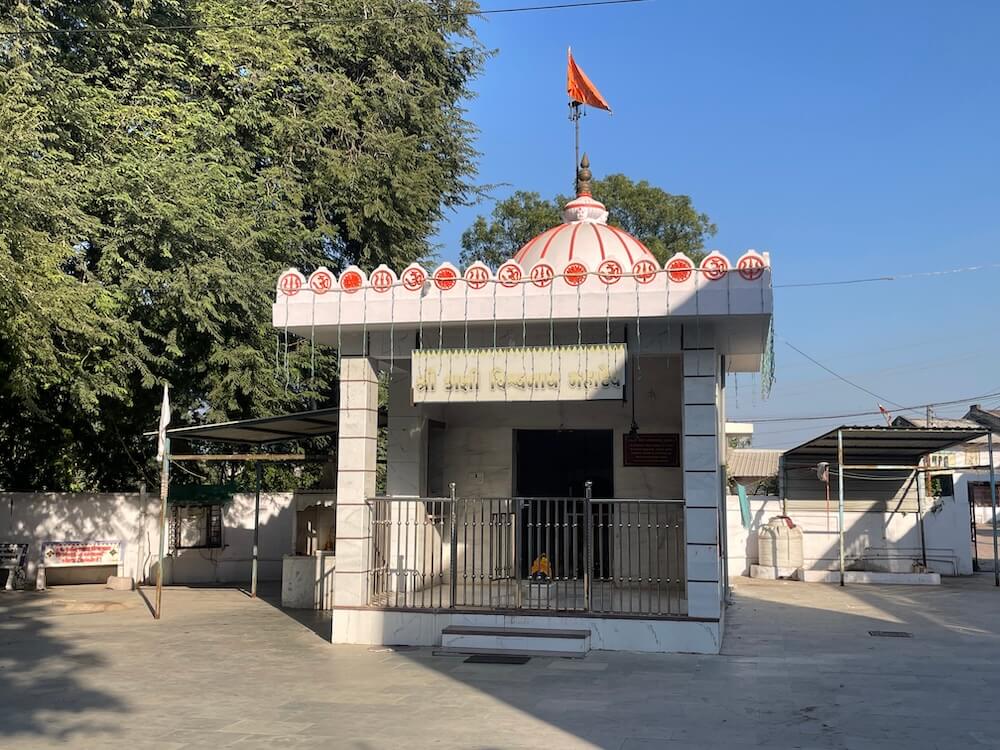
 Steeped in the hallowed mists of antiquity, the Siddheshwari Mata Temple at Gadkhol Patiya stands as a testament to the rigorous penance of the great sage Kapil Muni. Mentioned in the Skanda Purana, this Goddess is the Kuldevi (ancestral tutelary deity) of various communities across fifty-two neighbouring villages. Devotees hold the unwavering belief that this Goddess is a manifestation of Hinglaj Mata, whose primary seat lies in Pakistan and that sincere devotion at her feet ensures the fulfilment of all earthly desires. During the Sharadiya Navratri festival, countless devotees bow before Her holy presence.
The original abode of Hinglaj Mata lies in the province of Balochistan in Pakistan, where She is worshipped in a cave-like shrine. According to the Linga Purana, there exists a poignant legend where Lord Shiva, fearing Ravana, sought refuge in the Balhik forest. Unaware of his whereabouts, Parvati wandered in search of her lord and eventually arrived at this spot in a veiled form. Here she saw Lord Shiva sporting joyfully with River Ganga. A temple of Parvati was later established here. As the site sits upon the banks of the Hingol or Hingula River, the deity was named Hingula, a title that evolved phonetically into Hinglaj. The Siddheshwari Devi of Gadkhol Patiya is revered as the primal form of this very Hinglaj Mata.
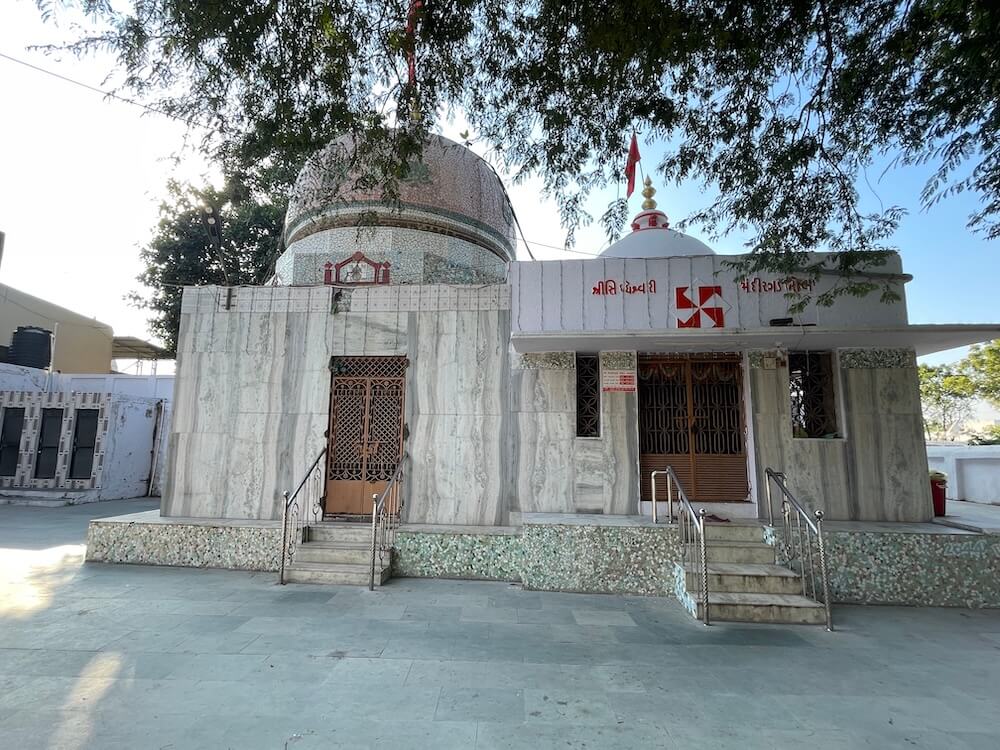 The legend of Siddheshwari Mata’s presence at Gadkhol Patia is deeply connected with Kapil Muni. The Bhagavata Purana identifies Kapil Muni, the son of Sage Kardama and Devahuti, as one of the twenty-four incarnations of Lord Vishnu. It was he who imparted the wisdom of Sankhya Darshana (one of the six schools of Hindu philosophy) to his mother. It is believed that Kapil Muni performed intense penance here and pleased the Goddess, praying to Her to remain here for the welfare of humanity. Since then, it is said that Siddheshwari Devi has stood as the eternal guardian of this realm. In the tenth chapter of the Bhagavad Gita, Lord Krishna declares, “Siddhanam Kapilo Munih” – amongst the Siddhas, I am sage Kapila. As the Goddess manifested here due to such Siddha, she came to be known as Siddheshwari. It is said that the temple was established around seven centuries ago.
 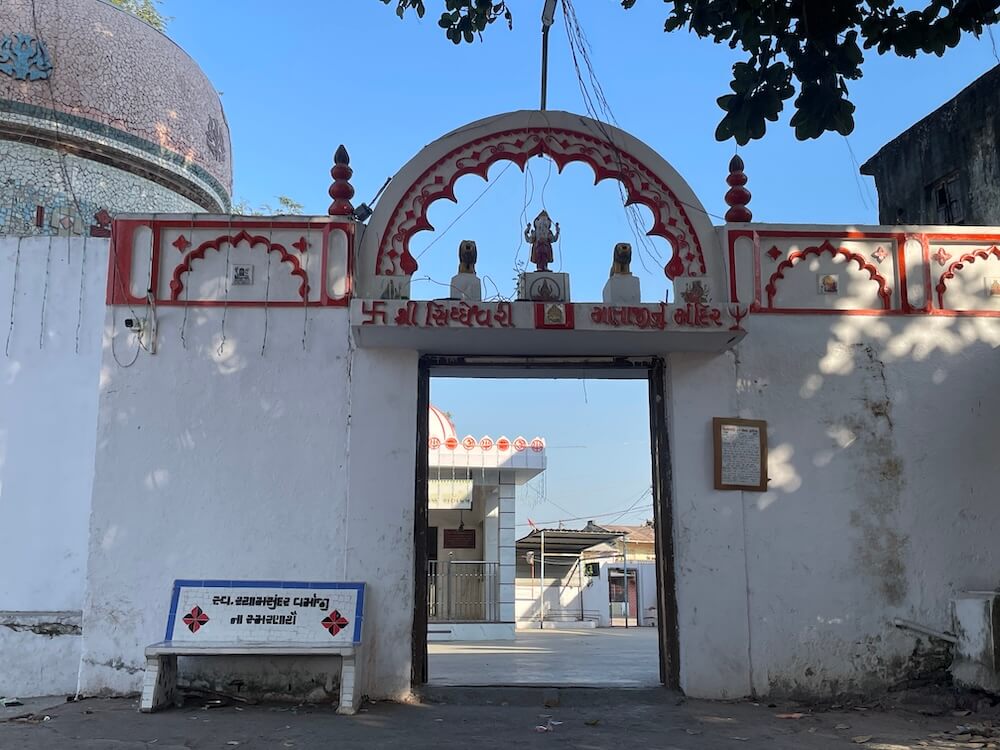 Over time, it underwent several restorations and in its recent renovation the temple received its present graceful form.
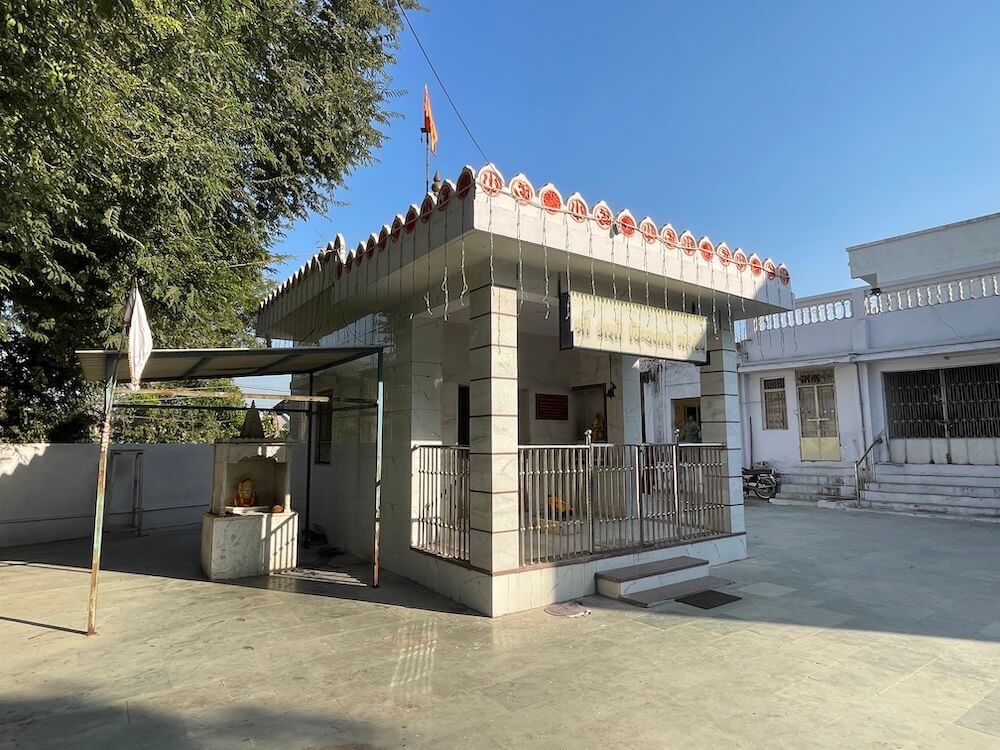
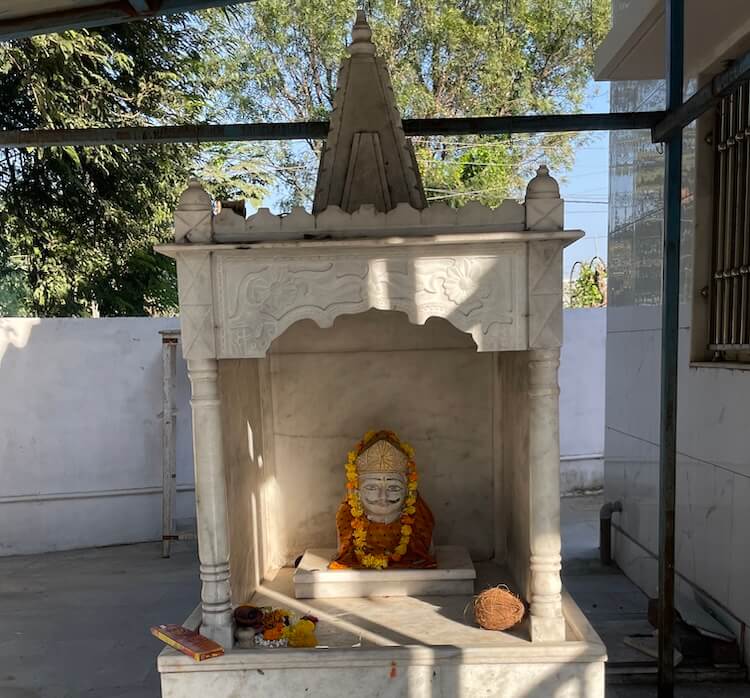
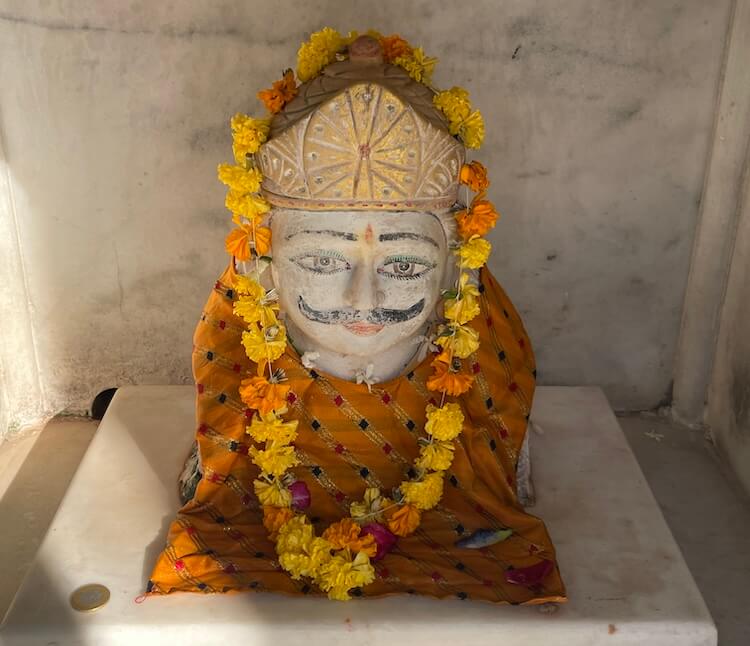
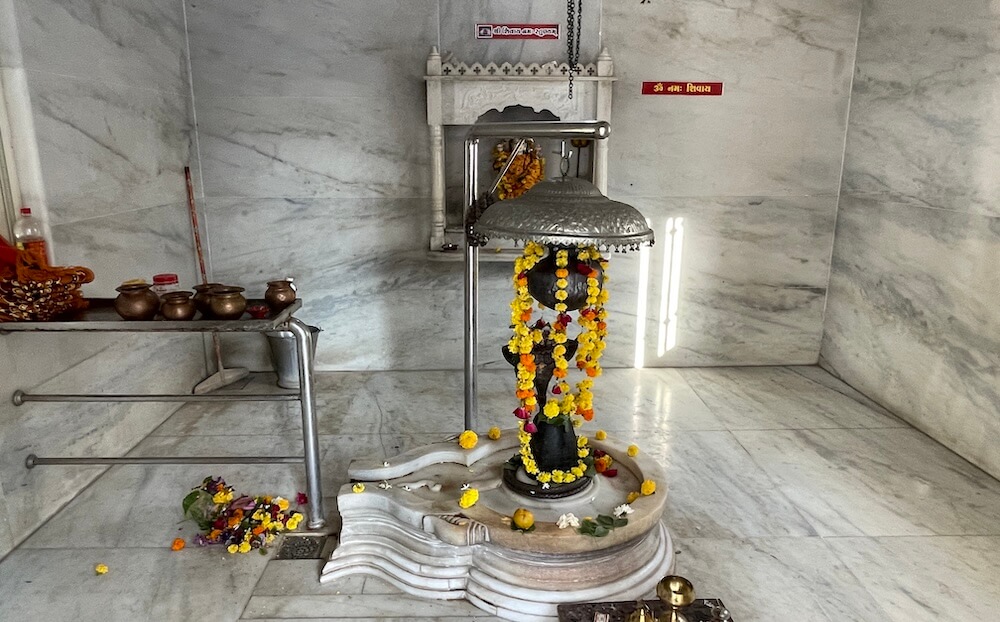
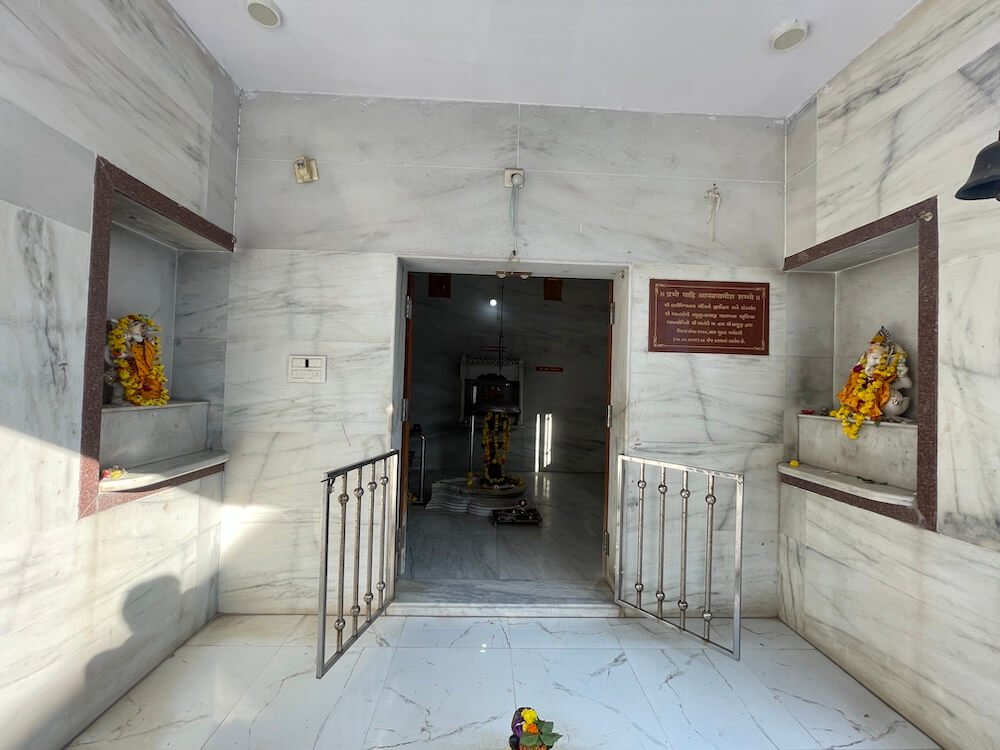
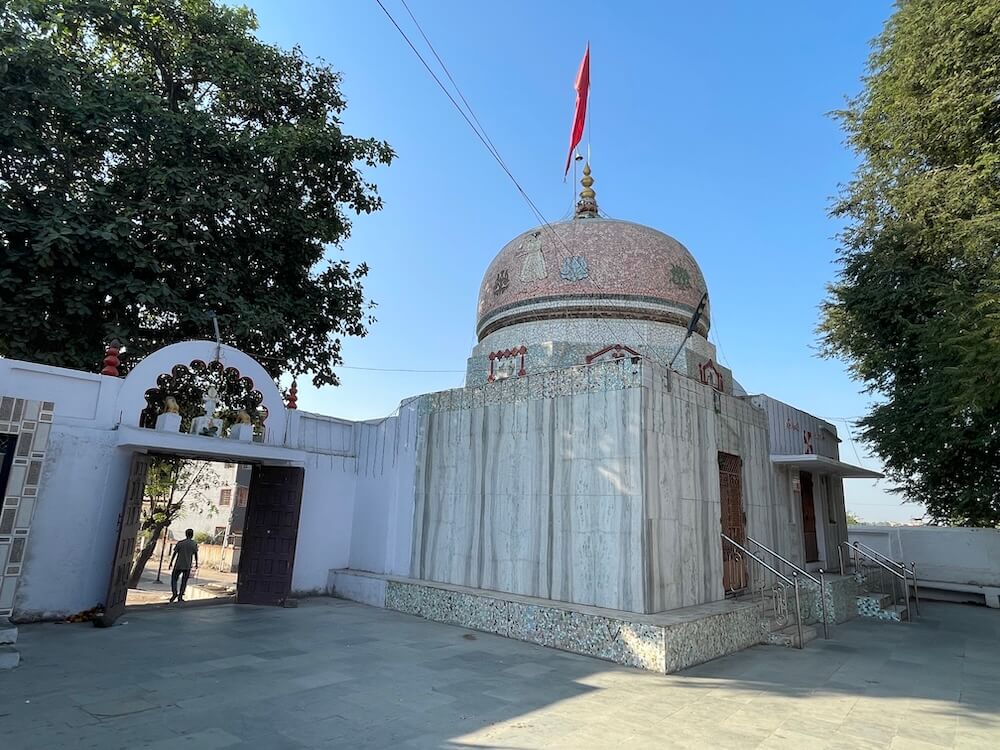
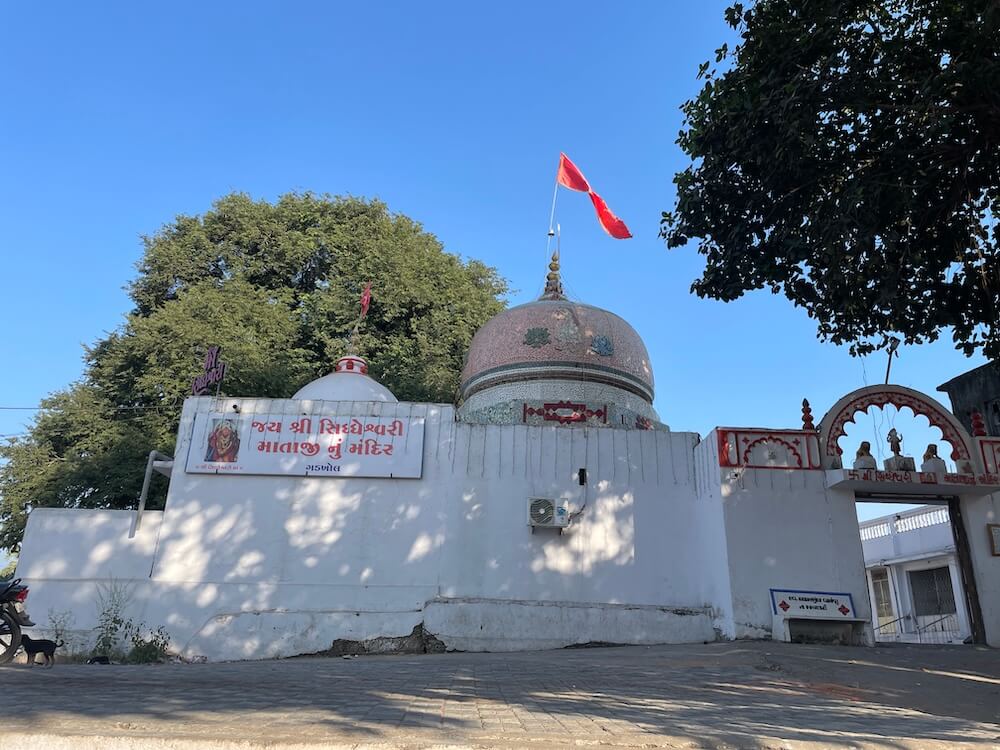
The temple is perched gracefully upon a small hillock on the outskirts of Gadkhol Patiya village. Encircling the grounds is a formidable boundary wall, with a modest entrance featuring a standing figure of Lord Ganesha flanked by two guardian lions. Upon entering, one first beholds the small temple of Kashi Vishwanath Mahadev. This temple, renovated on Magh Shukla Trayodashi, 14 February 2022, has a small Sabha Mandap housing an idol of Nandi. In the inner shrines are sacred places of Ganesh and Hanuman. In the Garbhagriha, within a marble shalunka, is installed the elongated Shivling of Kashi Vishweshwar Mahadev, crowned by a serpent. 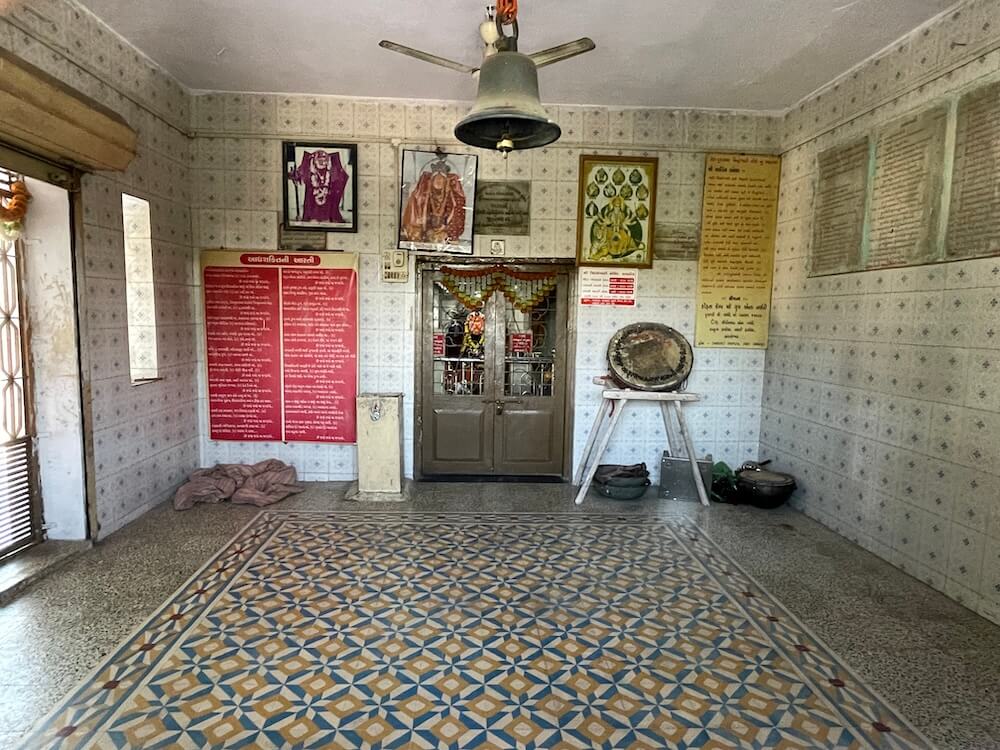 Behind it, in the shrine niche, rests the idol of Parvati Mata. To the left of this temple is a small shrine of Baliadev and directly ahead stands the magnificent shrine of Siddheshwari Mata.
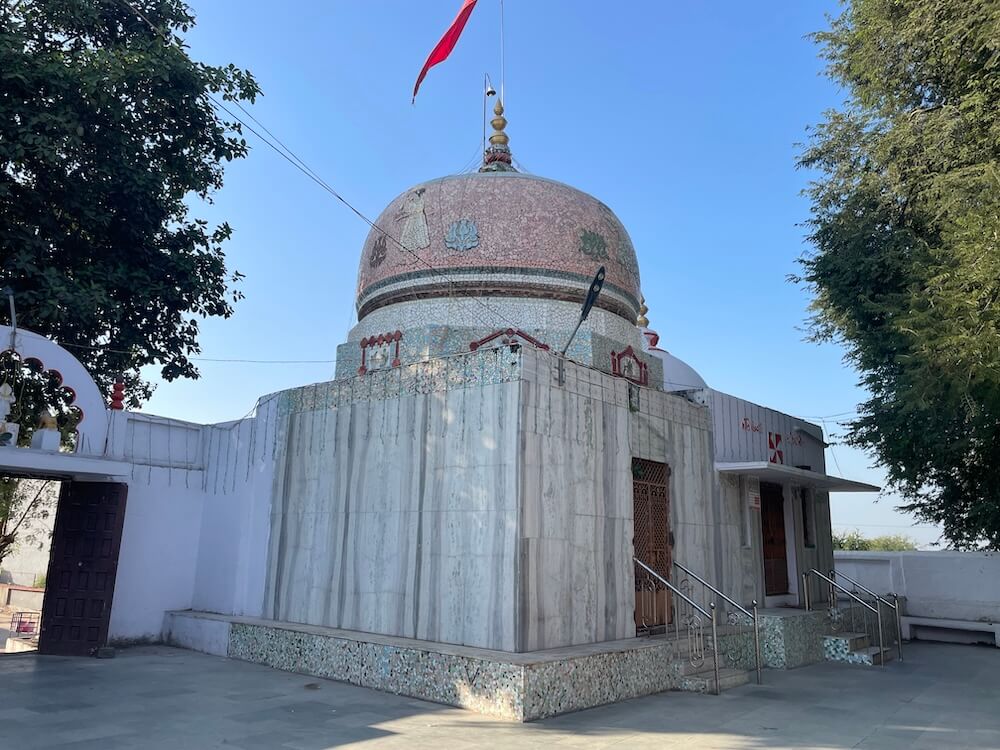
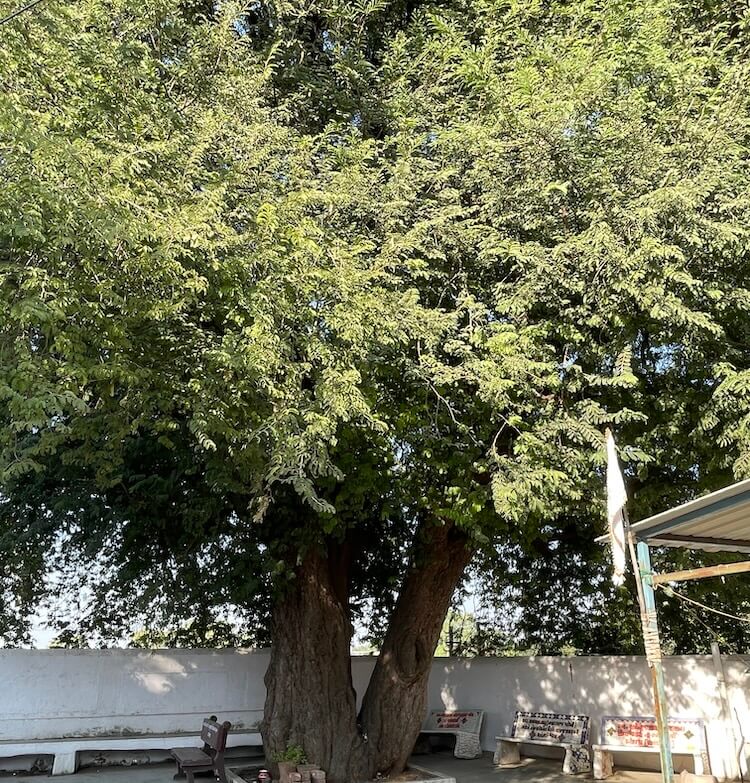
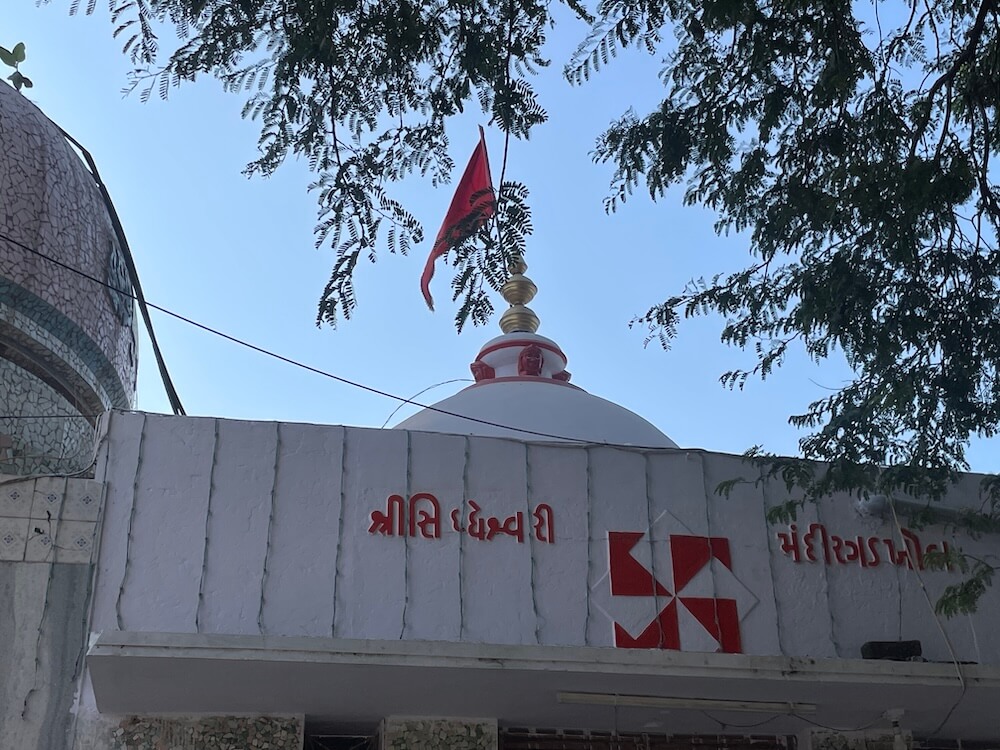
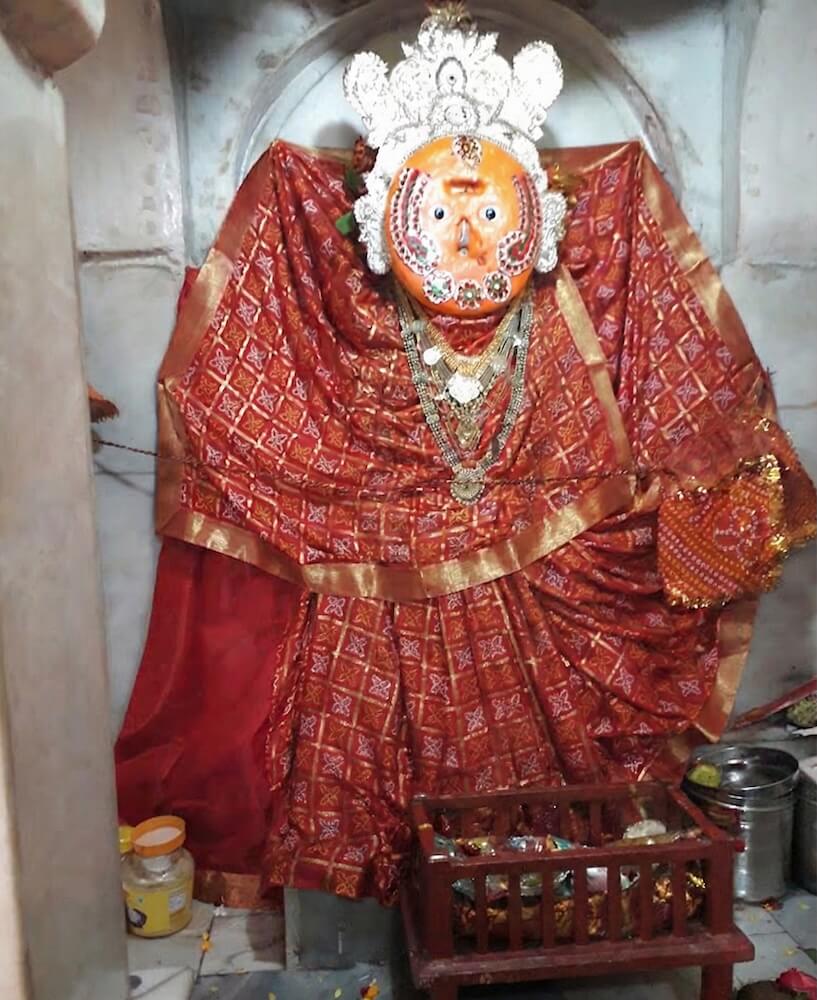
Built on a Jagati (a elevated plinth), the temple comprises a Sabha Mandap and Garbhagriha. In the Sabha Mandap, before the sanctum, stands the lion, Her divine vehicle. In the Garbhagriha, within a marble shrine, rests the sacred circular sindoor-adorned rice symbol of the Goddess, richly decorated with garments and ornaments. The sanctum and mandap are crowned with domed shikharas, beautifully topped with two-tiered amalakas and kalash. Within the courtyard stands an ancient banyan tree. Tradition says that around two hundred years ago, Bhagwan Swaminarayan, founder of the Swaminarayan Sampradaya, meditated beneath this very tree.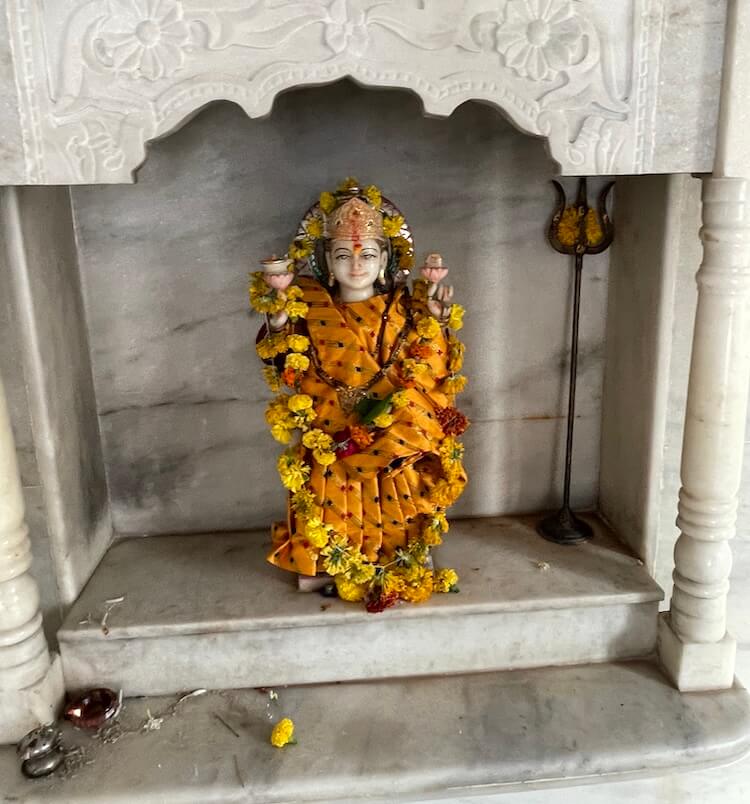
Devotees may seek Darshan (divine viewing) throughout the day, except during the brief afternoon respite between two and four o’clock. The ritual calendar is rich and vibrant. During the Chaitri Navratri, nine days of Navchandi Yagya (fire rituals) are performed, while the Sharadiya Navratri features the ceremonial Ghatasthapana (installation of the sacred pot) and traditional Garba dances. On the eighth day (Ashtami), a grand fair is held, drawing vast throngs of the faithful. It is a firm belief that a ritual bath followed by Darshan on Ashtami or Chaturdashi bestows wealth and the blessing of progeny. Before commencing any auspicious ceremony, the villagers of this region first seek the blessings of Siddheshwari Mata.
In close proximity of this temple stands the Shaktidham Temple. On 11 March 1989, idols of various deities were consecrated here. Durga Mata is the presiding Goddess and Her nine forms are worshipped. An eternal sacred flame (Akhand Jyot) burns here. The temple houses idols of Ganesh, Hanuman, Saibaba, Vishwakarma, Jalaram Bapa, Shri Ram-Sita-Lakshman, Radha-Krishna, Santoshi Mata, Ranga Avdhut Maharaj, Narmada Mata, Mahishasurmardini, Dattatreya, Gayatri Devi, Suryanarayan, Lakshminarayan and many others. During Navratrotsav, a grand Mahaprasad is organised in its courtyard.