 Steeped in ancient lore, the shrine of Lord Shiva, revered here as Siddharudra or Siddhanath Mahadev, is situated in the village of Sajod to the west of Ankleshwar. It is linked with the tale of Shivshankar undertaking a pilgrimage to purify himself of the sin of Brahmahatya (slaying of Brahma’s head). At this very site lies the ancient and mythologically illustrious Rudrakund, said to have been created by Shivshankar himself in the presence of gods and Gandharvas. Devotees hold the fervent belief that bathing in this kund, filled with the holy waters of the River Narmada, cures all kinds of skin ailments. This temple, enriched with spiritual and mythological significance, lies on the route of the Narmada parikrama (circumambulatory pilgrimage) and arrangements for the halt of the parikramavasis are made here.
 This ancient pilgrimage place is mentioned in Chapter 168 of the Reva Khand of the Skanda Purana. The legend narrates a celestial dispute between Lord Brahma and Lord Vishnu regarding who amongst them was superior. Unable to resolve the matter, they approached Shankar. Bhagwan Shankar assumed the form of an enormous pillar of light (Linga) and challenged them to find its end. While Vishnu descended towards the netherworld, Brahma ascended towards the heavens. Neither could find the end. Vishnu candidly confessed his failure. However Brahmadev falsely declared that he had seen the top of the linga, even bringing Kamadhenu (celestial cow) and the Ketaki flower as witnesses. Enraged by this falsehood, Shankar severed Brahmadev’s fifth head.
According to the chronicle, the severed head adhered to Shankar’s hand, symbolising the burden of sin incurred by slaying Brahma’s fifth head. Seeking liberation from this sin, Shankar journeyed to numerous holy places, yet found no release. At last, he arrived at Vardhamanpur, situated on the banks of the Narmada – now known as Sajod. Here, he undertook intense penance. In the presence of thousands of deities, Gandharvas and Siddhas, he consecrated a sacred kund, which became filled with the pure waters of the Narmada. This kund is today revered as ‘Devkhat’. After bathing here, Shankar was freed from the sin of Brahmahatya. Since Shivshankar bathed at this holy site, the kund came to be known as Rudrakund. Here, the gods performed worship of Shankar and, alongside, established Siddheshwari Devi.
 Another local legend is also narrated about this temple, closely resembling the tale associated with the Attarnath Mahadev Temple of Ankleshwar. During Mahmud of Ghazni’s invasion to plunder the Somnath Temple, some of his soldiers are said to have attacked this shrine as well. When they entered the sanctum and attempted to destroy the Shivalinga, a miraculous event occurred here – one not witnessed even at Somnath Temple. Countless giant bees swarmed out from within the temple and fiercely attacked the invaders, driving them away.
It is believed that the marks of the blows inflicted upon the Shivalinga by those attackers are still visible today. Around two and a half centuries ago, the villagers of Sajod consecrated another Shivalinga a short distance away from the original one.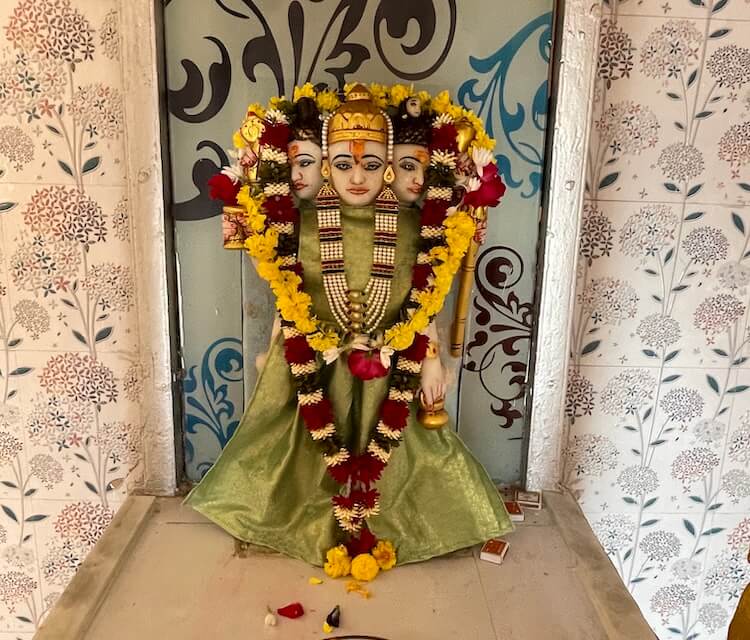 Since then, the temple has undergone restoration several times and after the renovation in 2015, it has attained its present form.
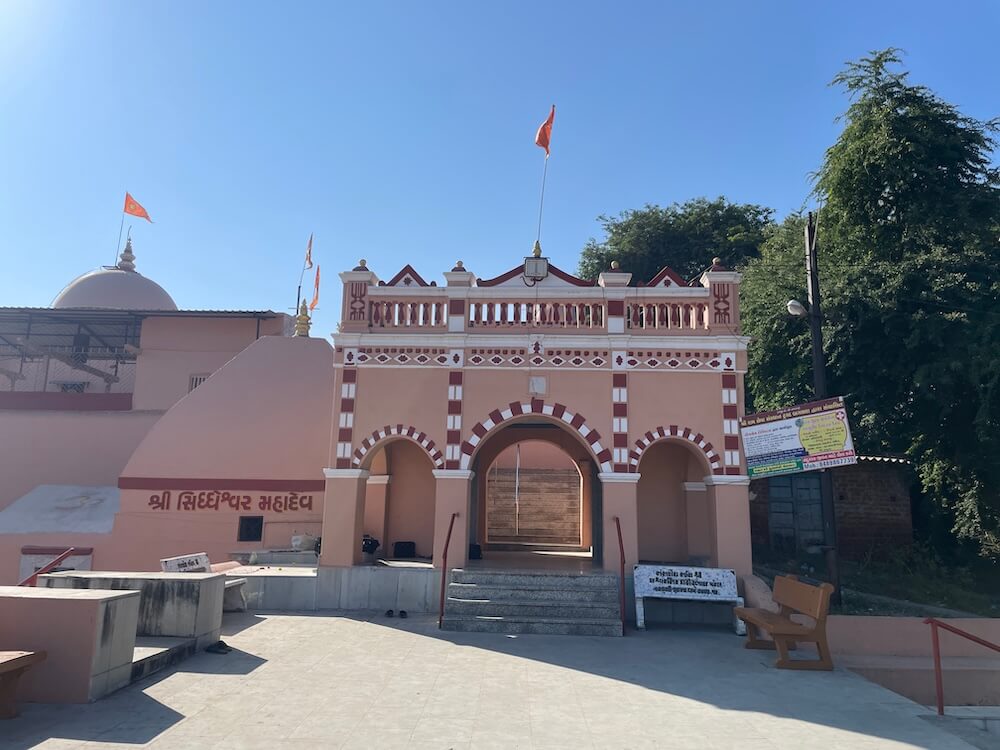
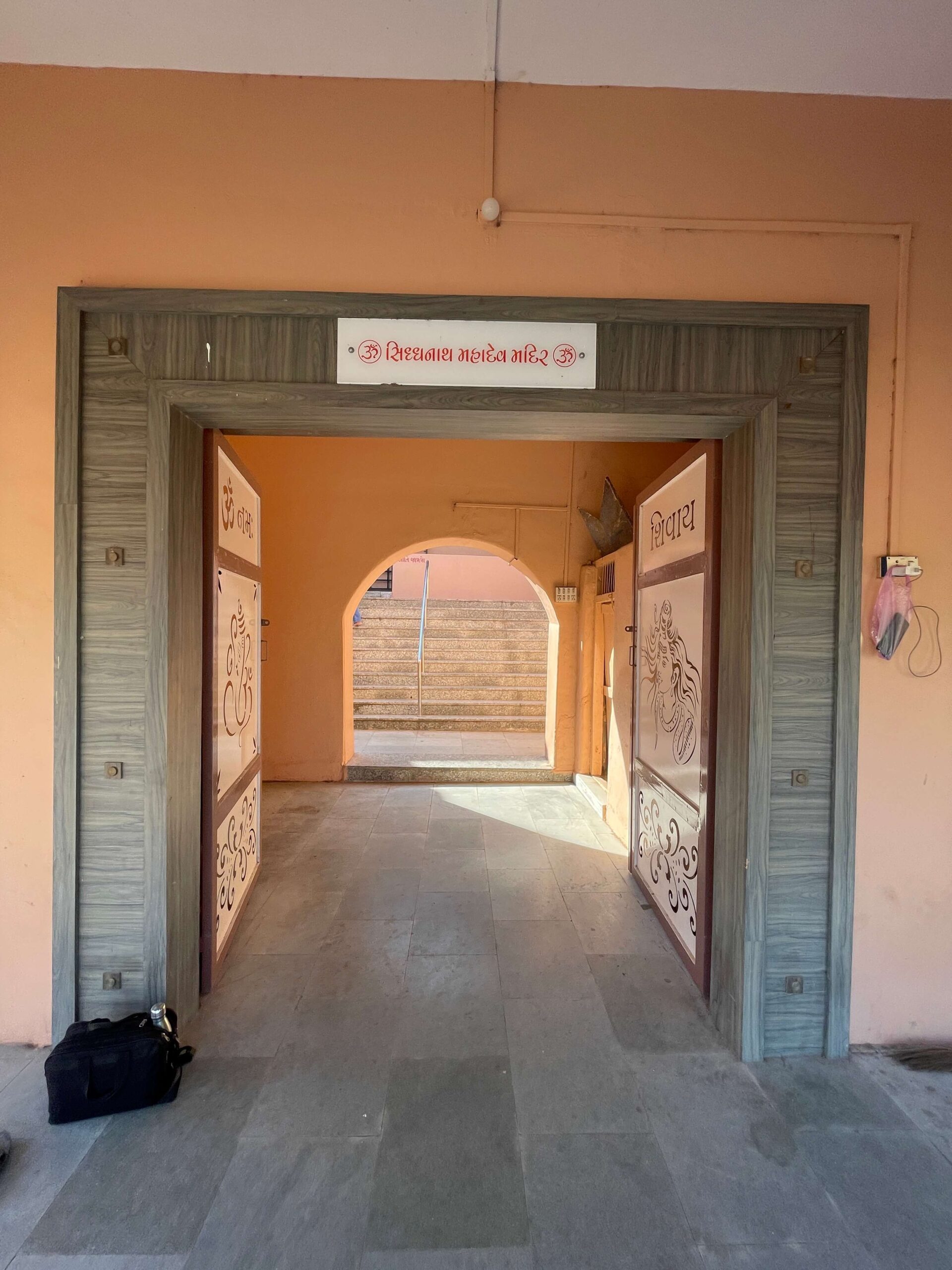
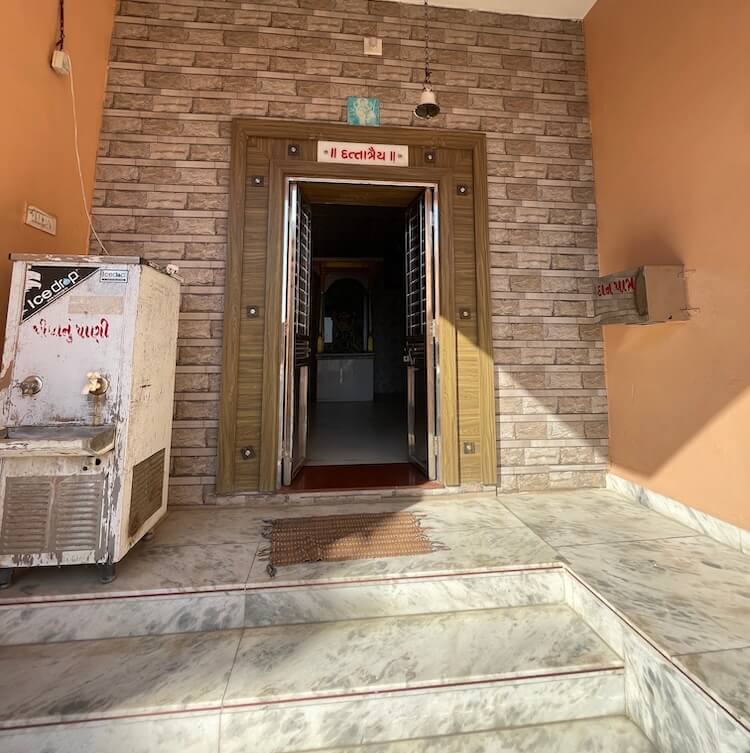
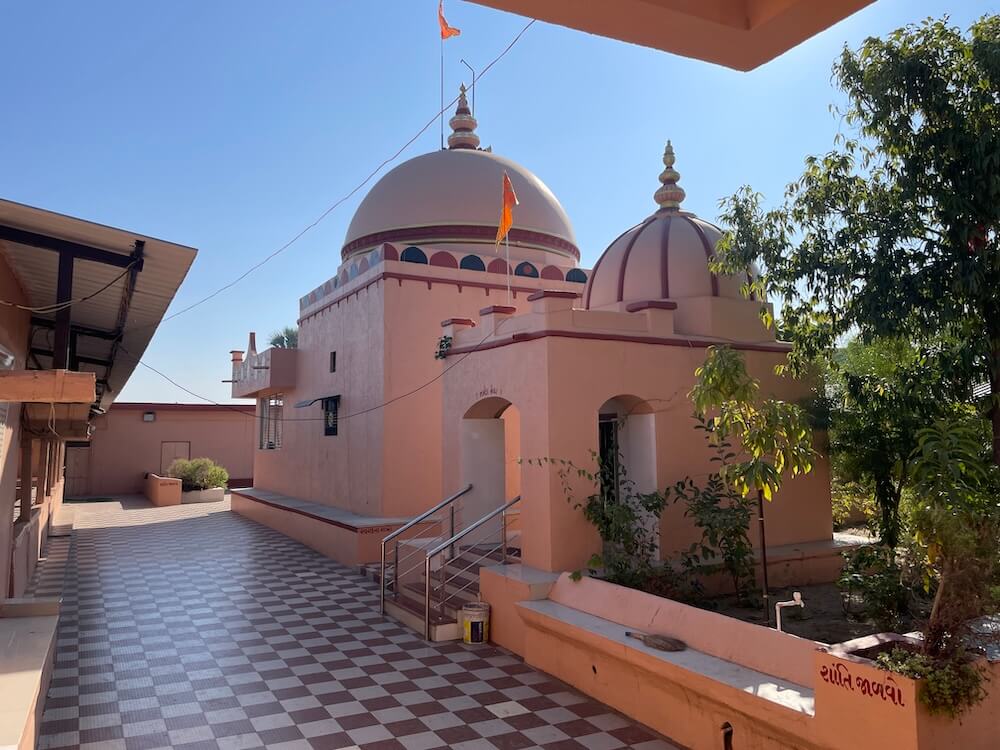
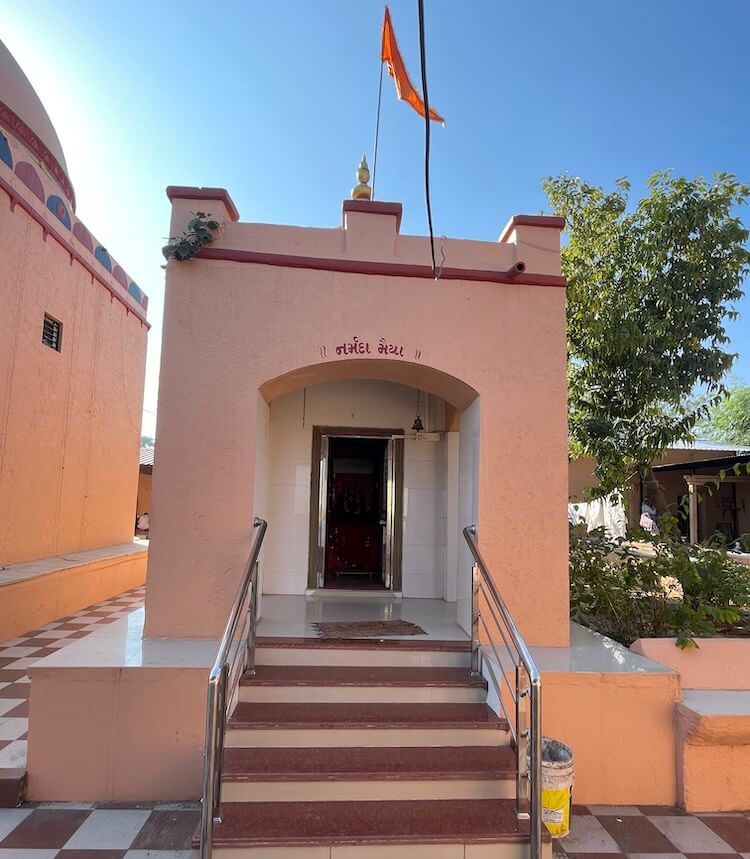
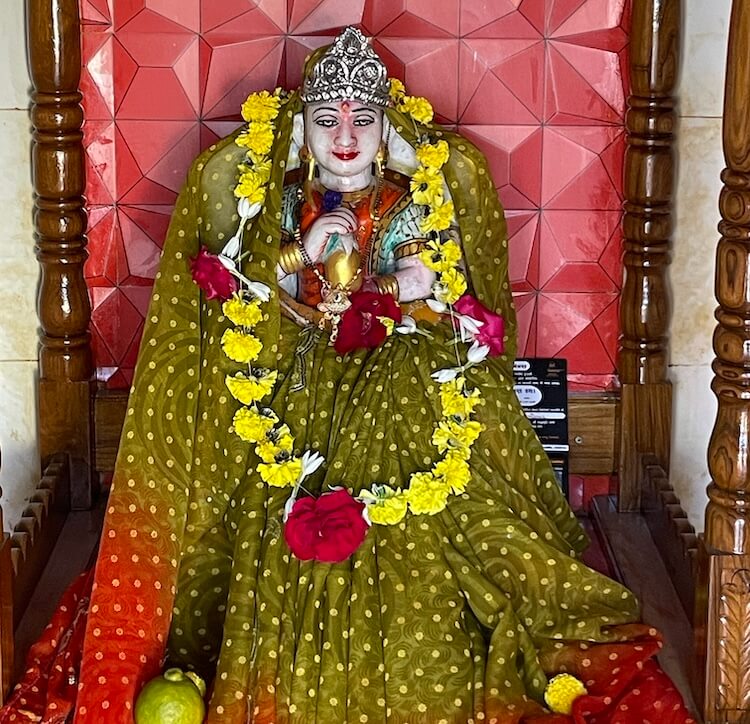
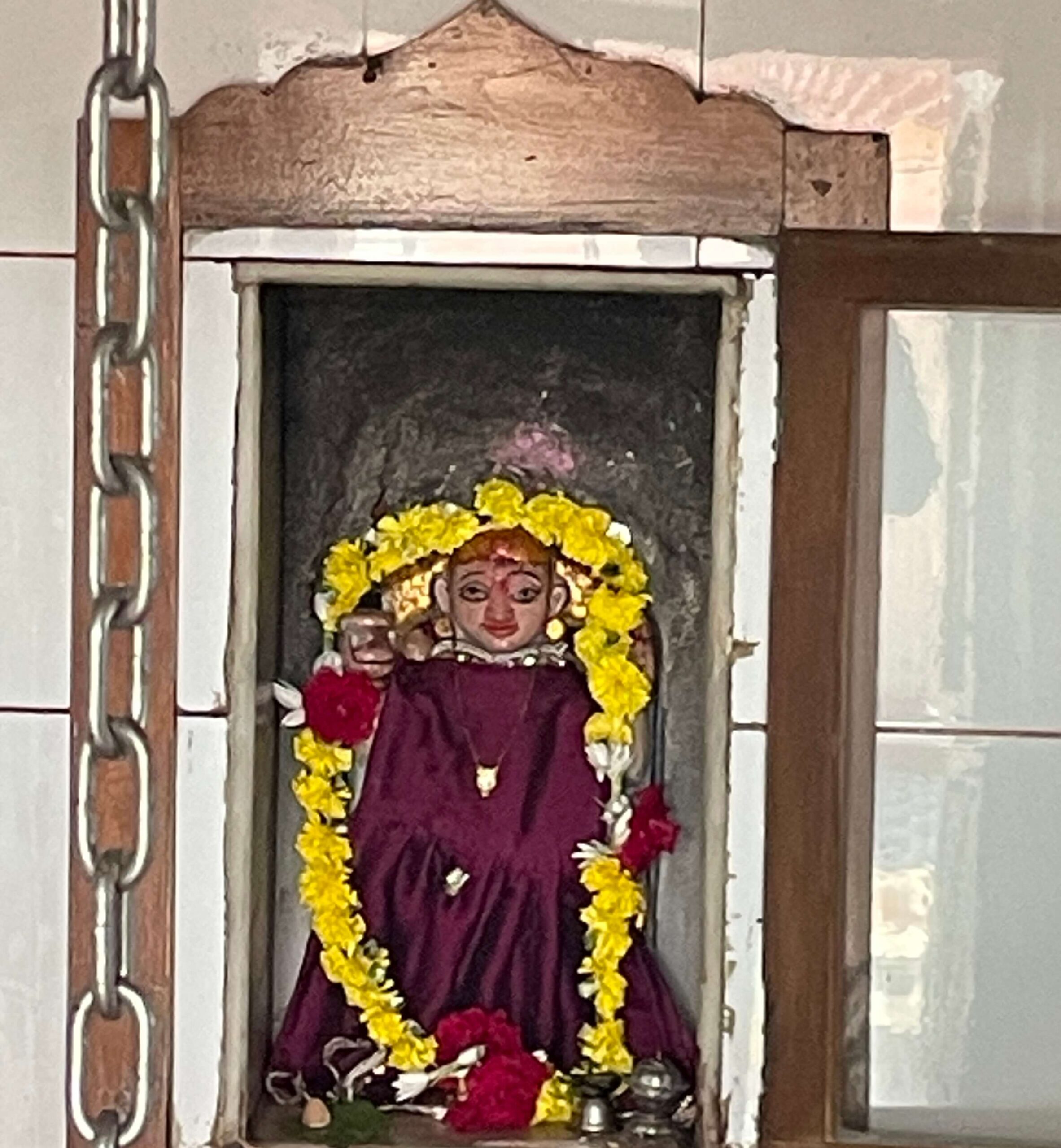
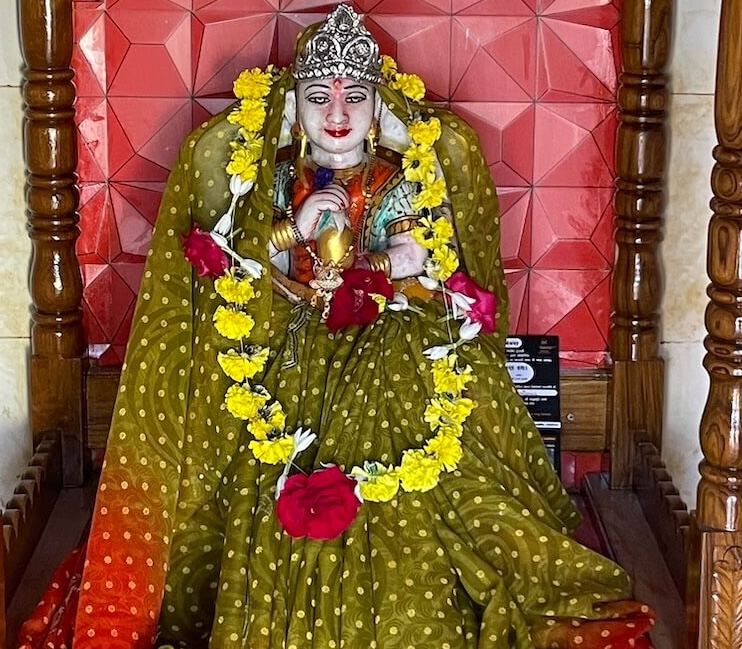
This ancient temple stands outside the village of Sajod. In the paved space before the shrine, seating arrangements have been made for devotees. The entrance resembles the gateway of a fort. Through this grand arched doorway, one ascends sixteen steps to reach the main courtyard. To the right stands the temple of Dattatreya, enshrining upon a tall platform a marble idol of the three-faced Dattatreya. A little further ahead is a small shrine of Narmada Mata, built upon a high plinth, with a small mukh mandapa and a sanctum. Within, upon a raised pedestal, is the beautifully adorned idol of Narmada Mata, holding a small water vessel in her hand. The shrine bears a modest domed spire. In front of the temple lies a large havan-mandapa. Proceeding further, one reaches the entrance to the Siddhanath Mahadev Temple.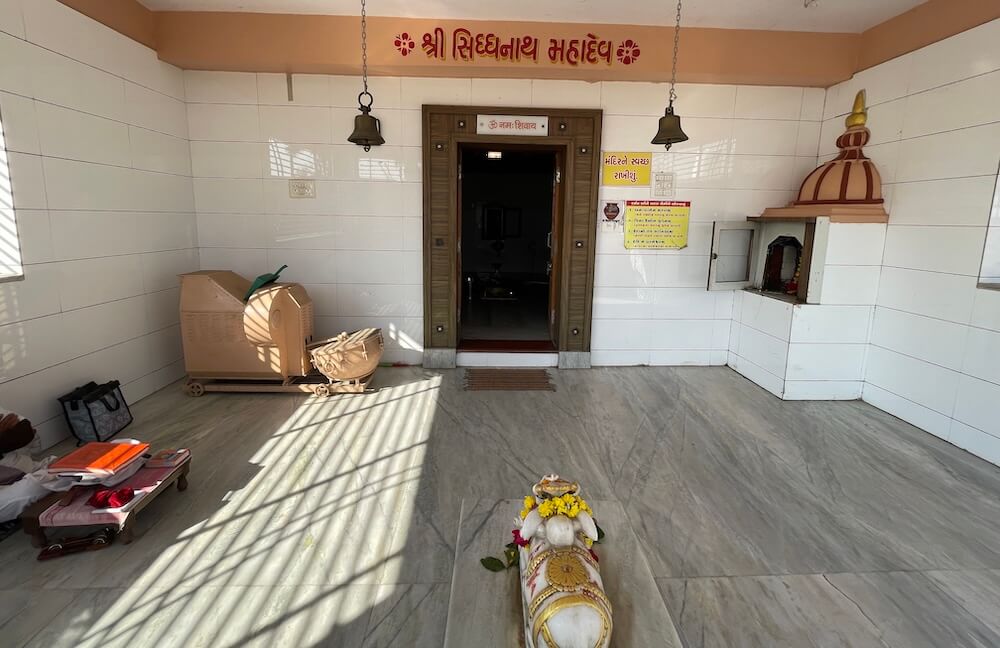
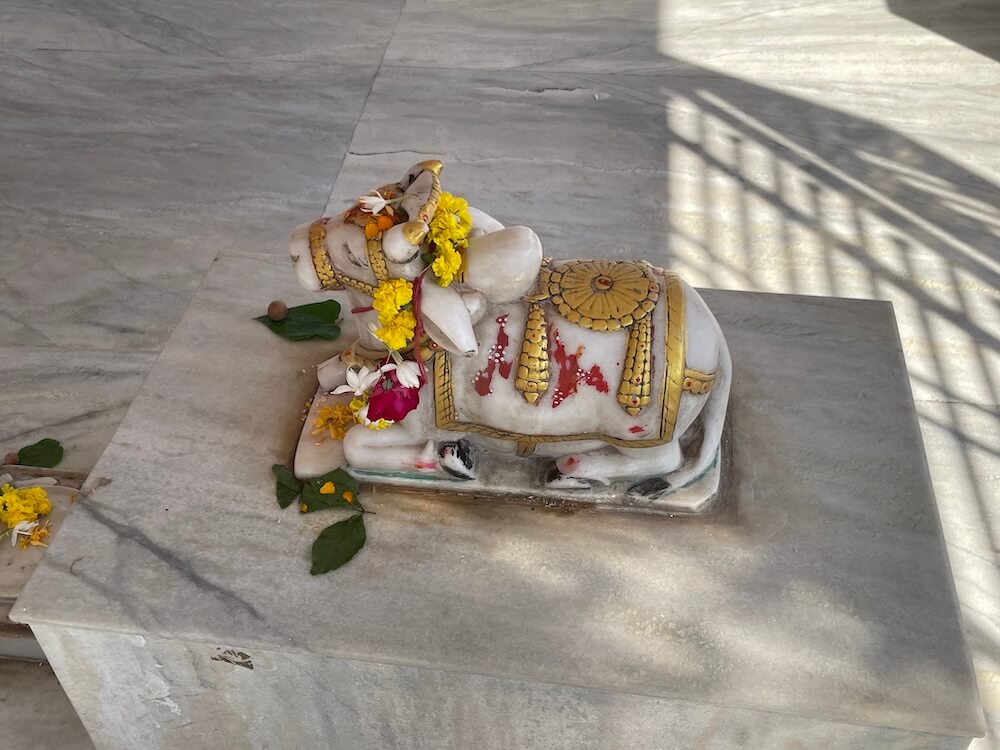
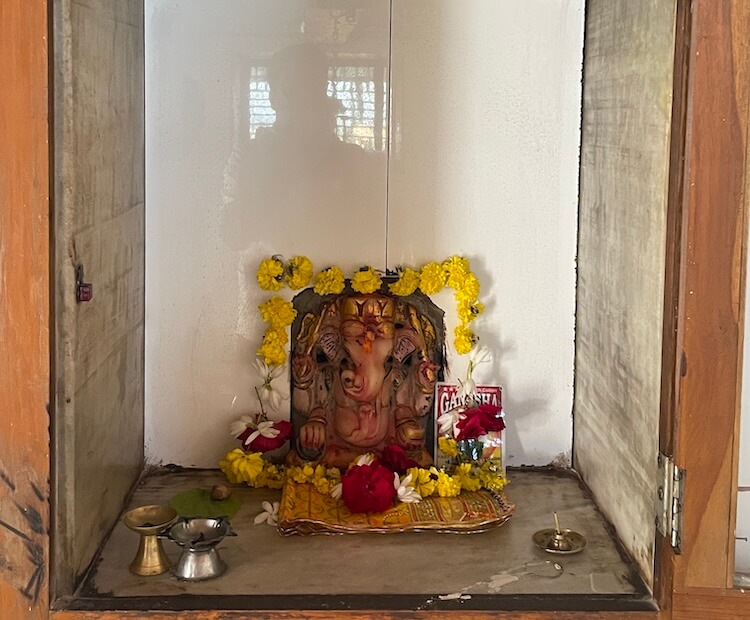
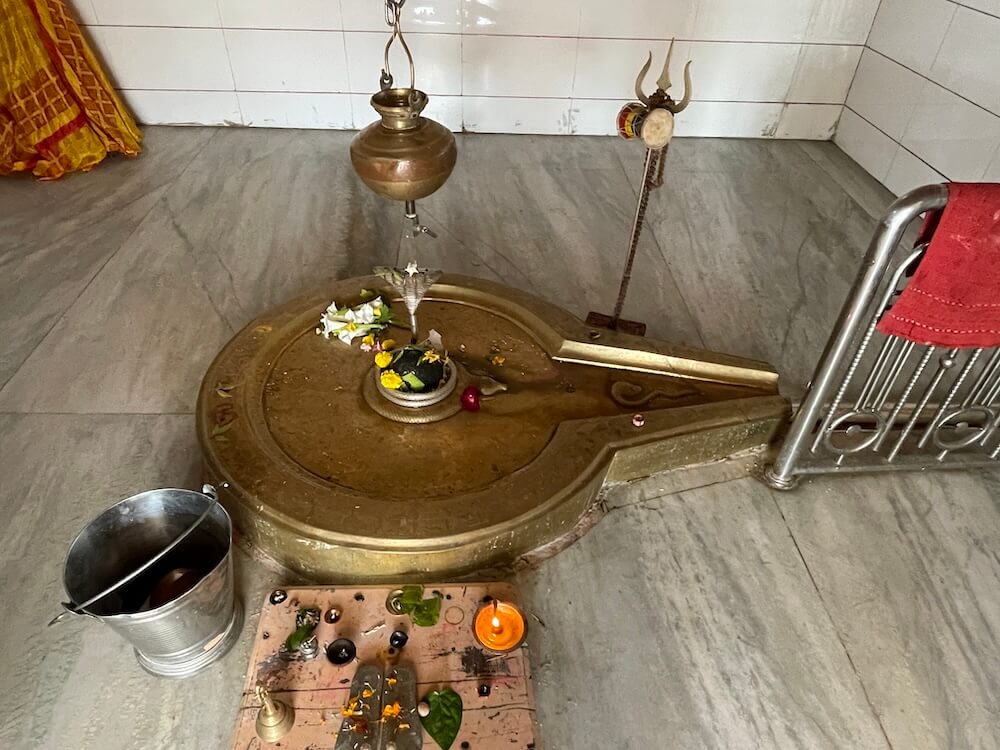
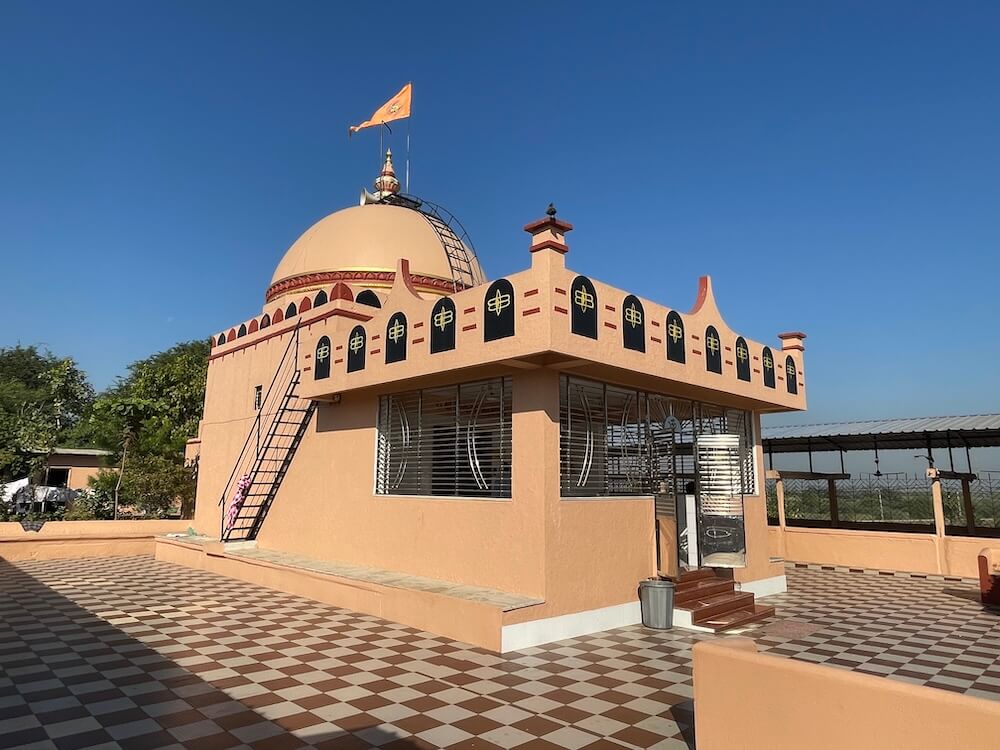
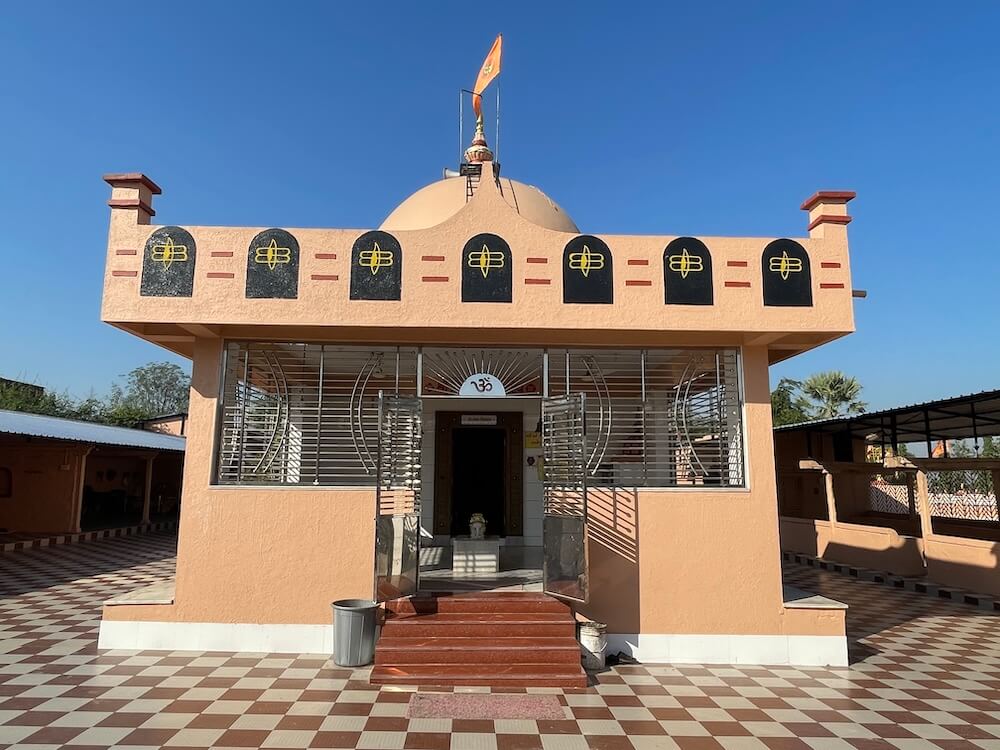
This east-facing temple is a modern construction built upon a high Jagati (plinth). Four steps lead into its sabhamandapa, which is semi-open in design. Painted upon the parapet near the ceiling are depictions of Shivalingas. In the centre of the hall stands an idol of Nandi upon a marble platform. In a shrine to the side, the idol of Hanuman is installed. Within the sanctum, at ground level, is the sacred Shivapindi consisting of a large shalunka sheathed in panchadhatu (five-metal alloy), enshrining a smaller stone linga. A serpent canopy rises above the linga, with an abhisheka-vessel above it. A brass trishula stands at the side. In the temple’s recesses are idols of Parvati Mata and Ganesh. 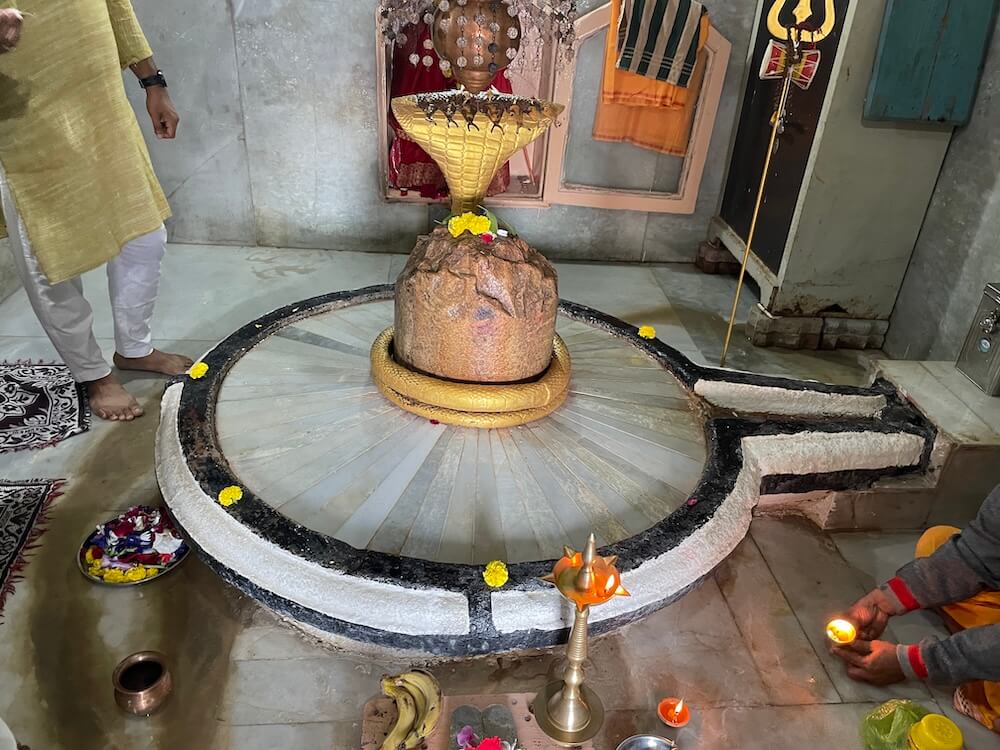 The sanctum is crowned with a domed spire, topped by a double-layered amalaka and kalasha. To the right of the temple is a large owari (veranda) constructed for parikramavasis.
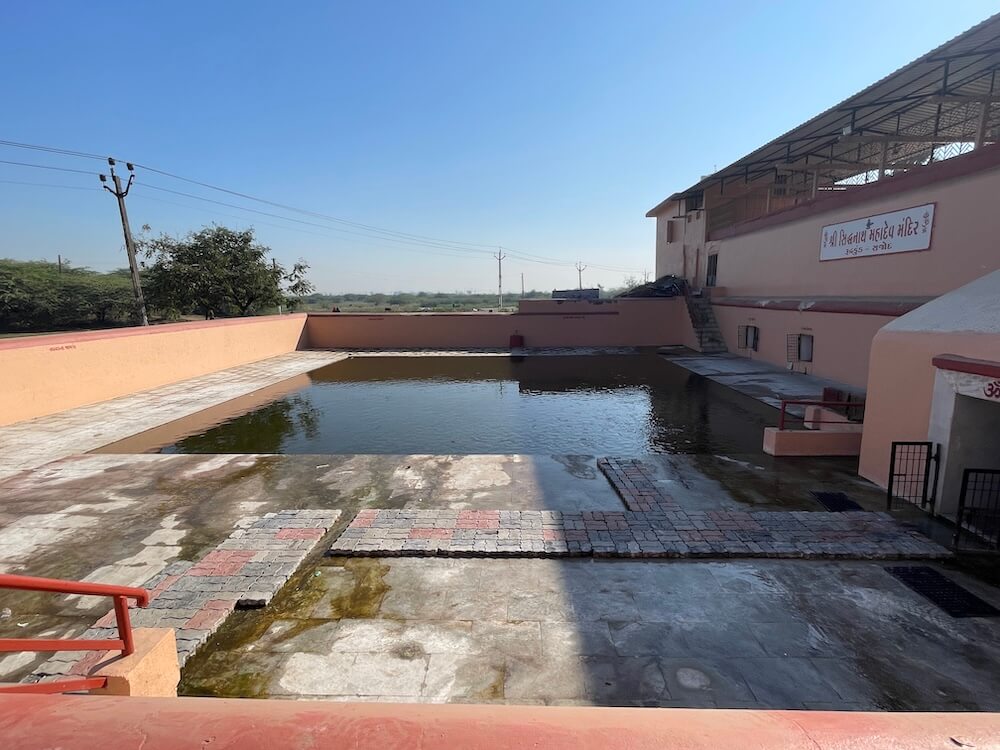
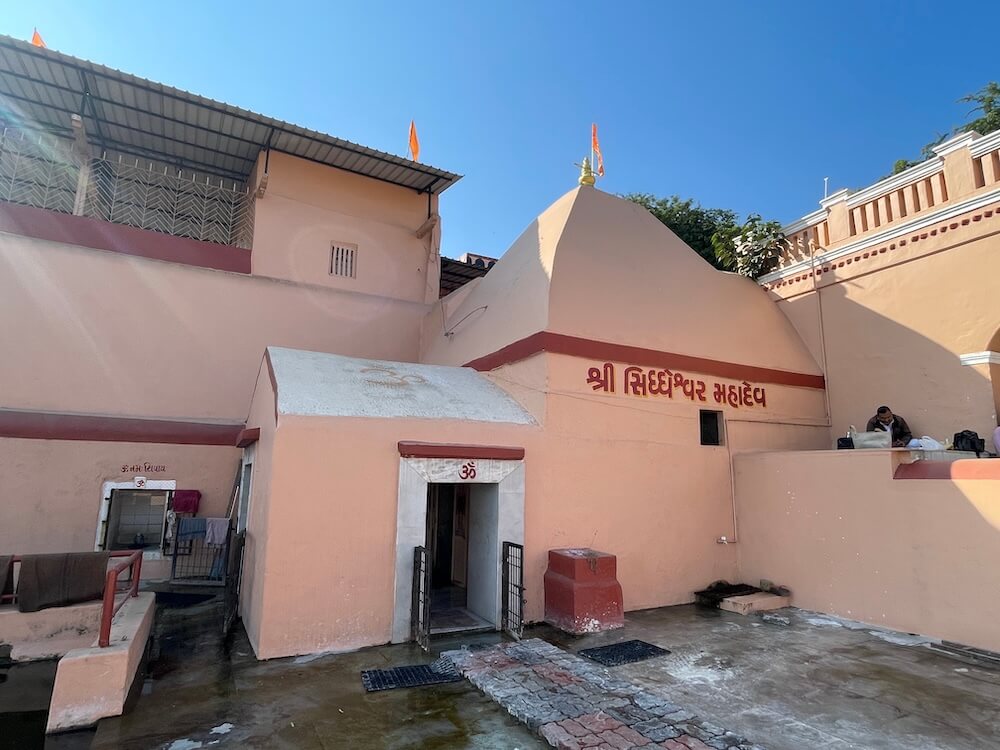
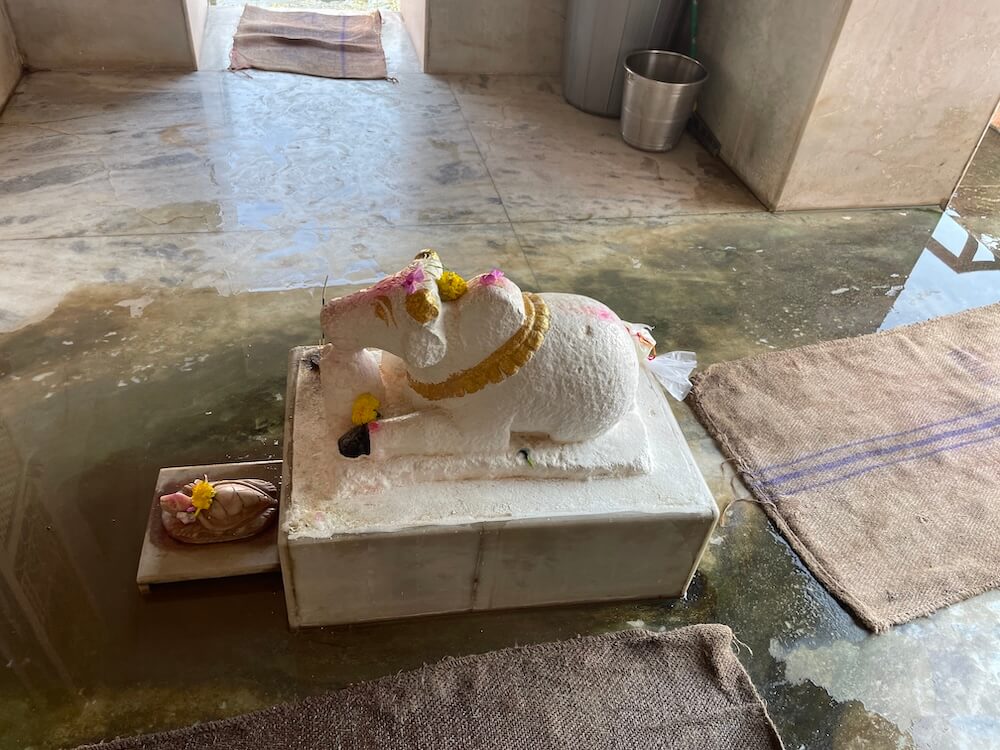
Outside the main structure lies the expansive Rudrakunda. This pool of clear water is enclosed on all four sides and many fish can be seen gliding within. While devotees formerly bathed in the Rudrakunda, ritual bathing is now prohibited for reasons of safety. Near the kund stands a small temple of Siddheshwar Mahadev, believed to be the original shrine of Siddheshwar. This temple has a small mukh mandapa, with a homakunda situated outside. Within the hall, an idol of Nandi is enshrined upon a platform, with a tortoise sculpture before it. In the sanctum, 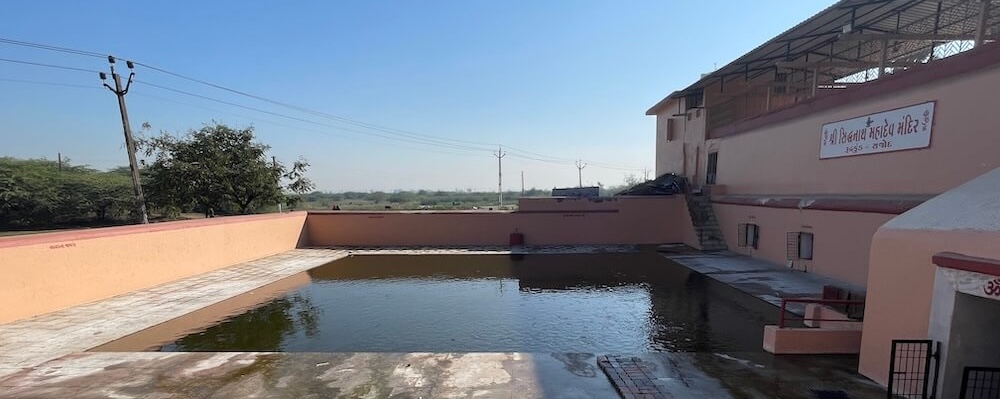 within a large circular shalunka, stands an impressive Shivalinga about thirty-eight inches high. Its upper portion appears as though broken and local tradition holds that it was struck by the invaders. A serpent canopy rises above it. On the wall behind the Shivalinga is the shrine of Parvati Mata. The sanctum is crowned with a tapering spire, bearing a small kalasha atop.
Situated upon the sacred route of the Narmada parikrama, this holy site witnesses a continuous flow of visiting pilgrims during the pilgrimage season. Daily puja and arati are performed here and various festivals are celebrated throughout the year. On Mahashivaratri and during the holy month of Shravan, numerous devotees come to behold Siddhanath Mahadev with reverence and devotion.