
शूलपाणेश्वर महादेव मंदिर
गोरा गाव, केवडिया रोड, ता. नांदोड, जि. नर्मदा
Shoolpaneshwar Mahadev Temple
Gora Village, Kevadia Road, Tal. Nandod, Dist. Narmada
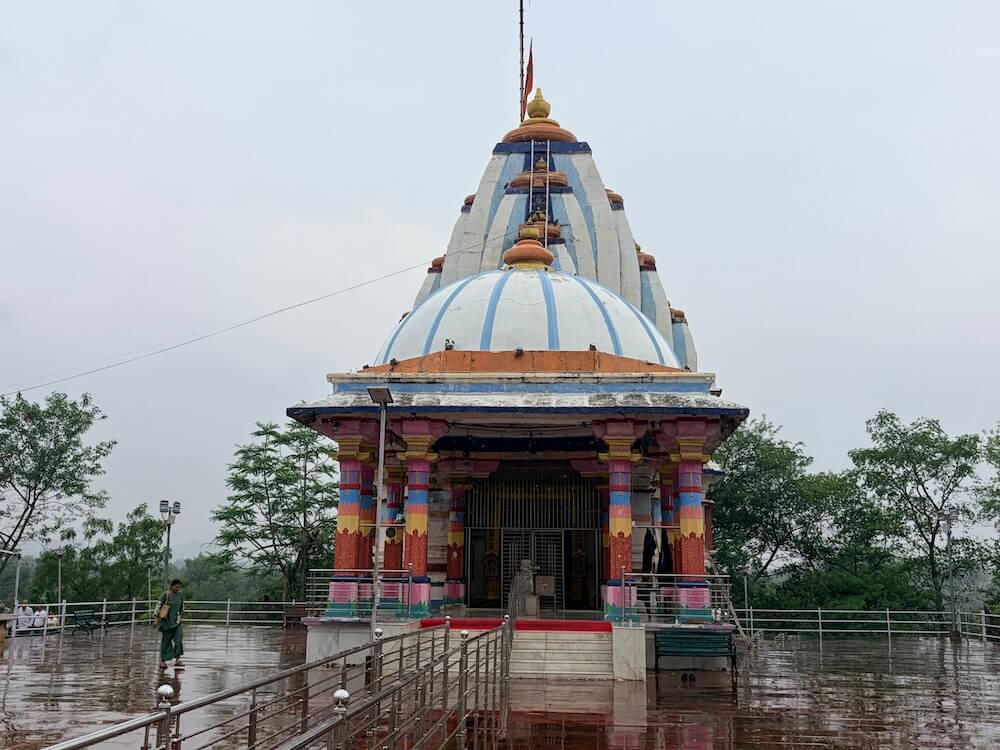
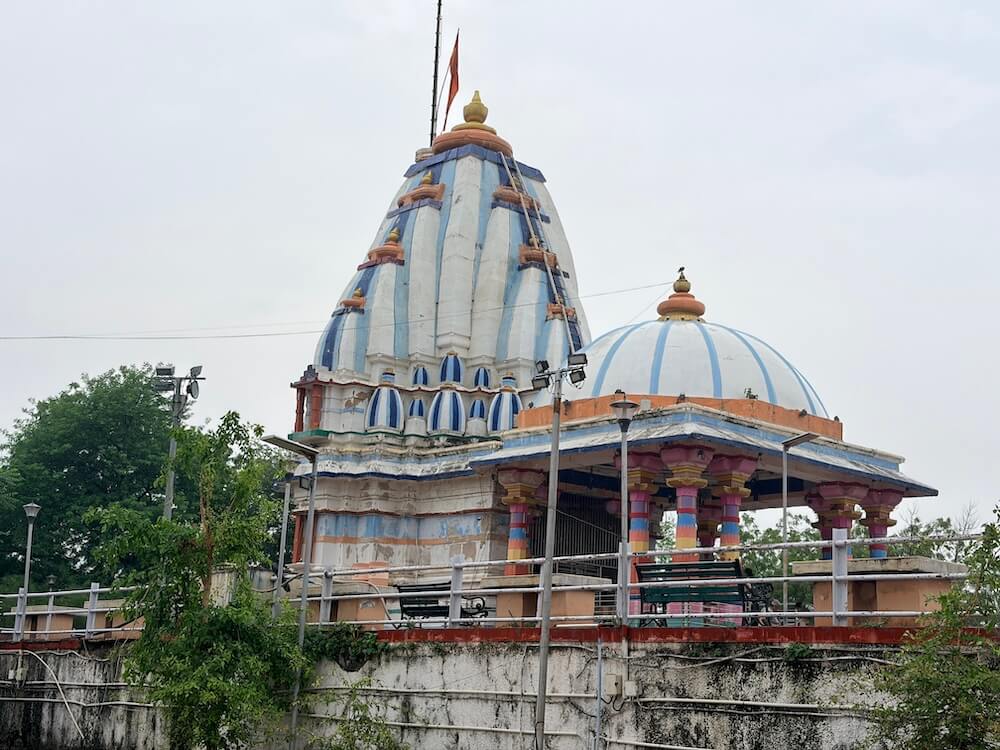
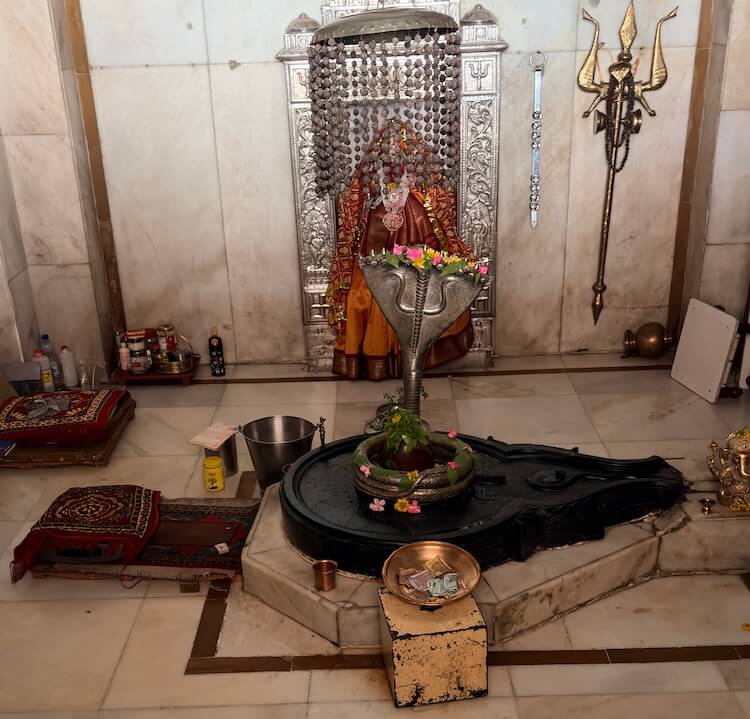 Shoolpani is one of the names of Lord Shiv. “Shoolpani” means “the one who holds a trident (shool) in his hand.” The ancient abode of this form of Shiv, known as Shoolpaneshwar, is located in Gora village near Rajpipla on the banks of the Narmada River. Due to the Sardar Sarovar Project, the original temple was submerged. Hence, a new temple was constructed at a nearby site along the Narmada River. Many devotees come here to bow before Lord Shiva with the belief that, the divine energy of the original Shoolpaneshwar resides in the new temple too. Since the exact period of the original temple’s construction is unknown, local legends attribute it to the Pandavas.
This location is also associated with the slaying of the demon Andhakasura. According to the Shri Rudra Samhita (Part 4) of the Shiv Purana, there’s a tale of Shiv engaging in battle with the demon Andhakasura. During the battle, Shiv struck the demon’s heart with his trident and lifted him on it. The demon’s body was scorched by the sun’s intense rays, 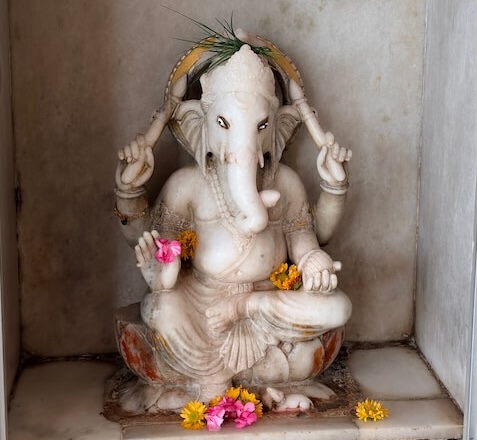 drenched by rains and torn apart by hailstones. According to mythology, although Shiv defeated the demon, he incurred the sin of Brahmahatya (killing a Brahmin), which caused Andhakasura’s bloodstains to remain on his trident. In an effort to cleanse the trident, Shiv wandered into a forest and arrived at the site of the original temple in Gora. When he struck the ground with his trident, a stream of water emerged from the earth – the sacred Narmada – which washed away the bloodstains and absolved Shiv of the sin. A Shivling appeared at the very spot where the trident struck, hence the temple came to be known as Shoolpaneshwar.
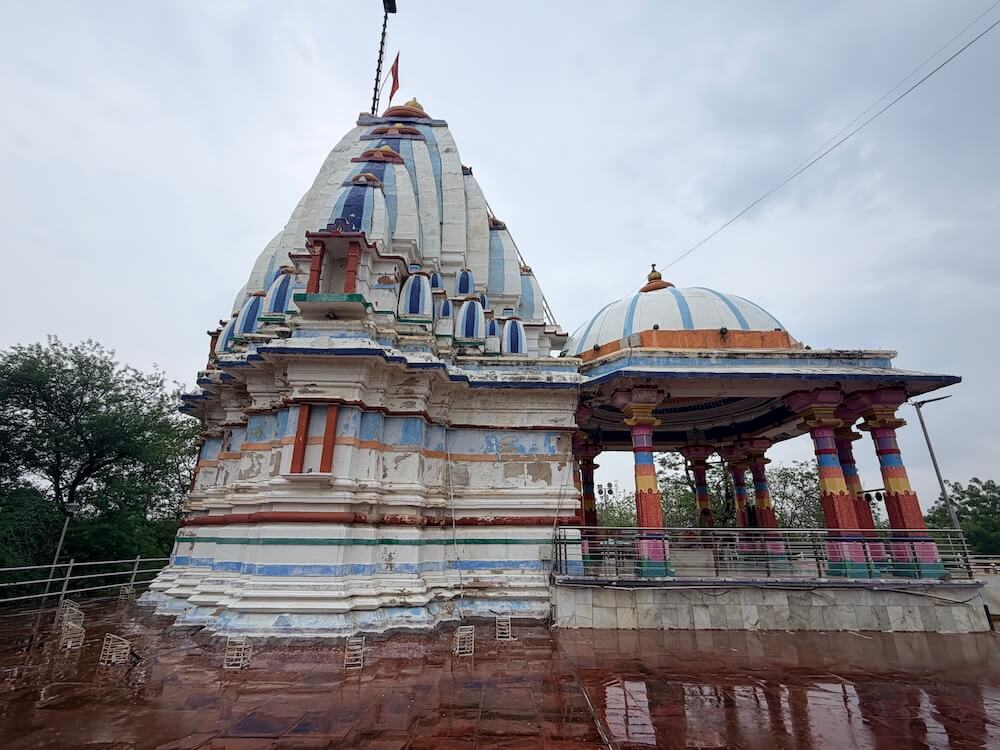
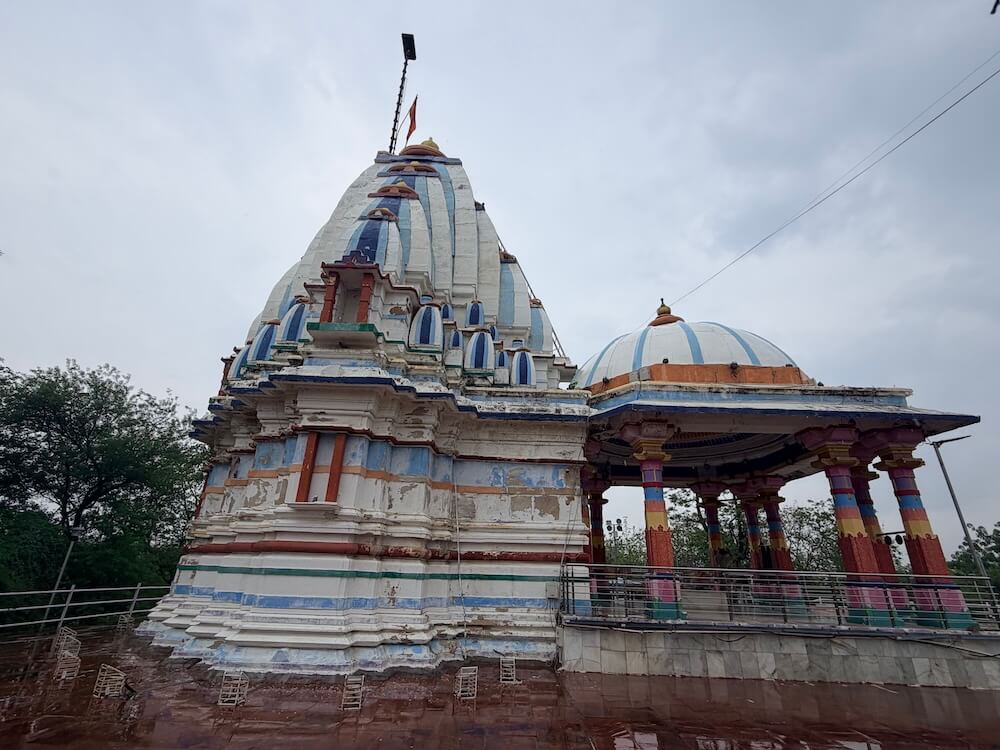
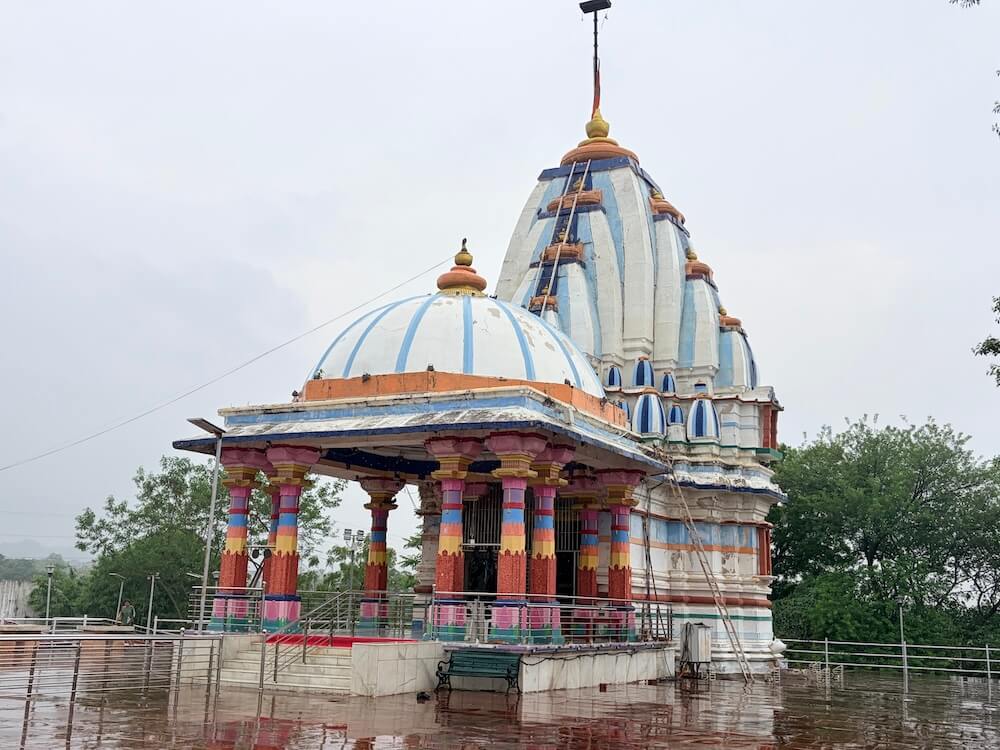
The temple is located just 5 km from Gujarat’s famous ‘Statue of Unity’, a colossal 600-foot tall statue of Sardar Vallabhbhai Patel. Nearby is also the Shoolpaneshwar Wildlife Sanctuary. The original temple was near Manibeli village in Maharashtra, at the confluence of the Narmada and Devganga rivers. 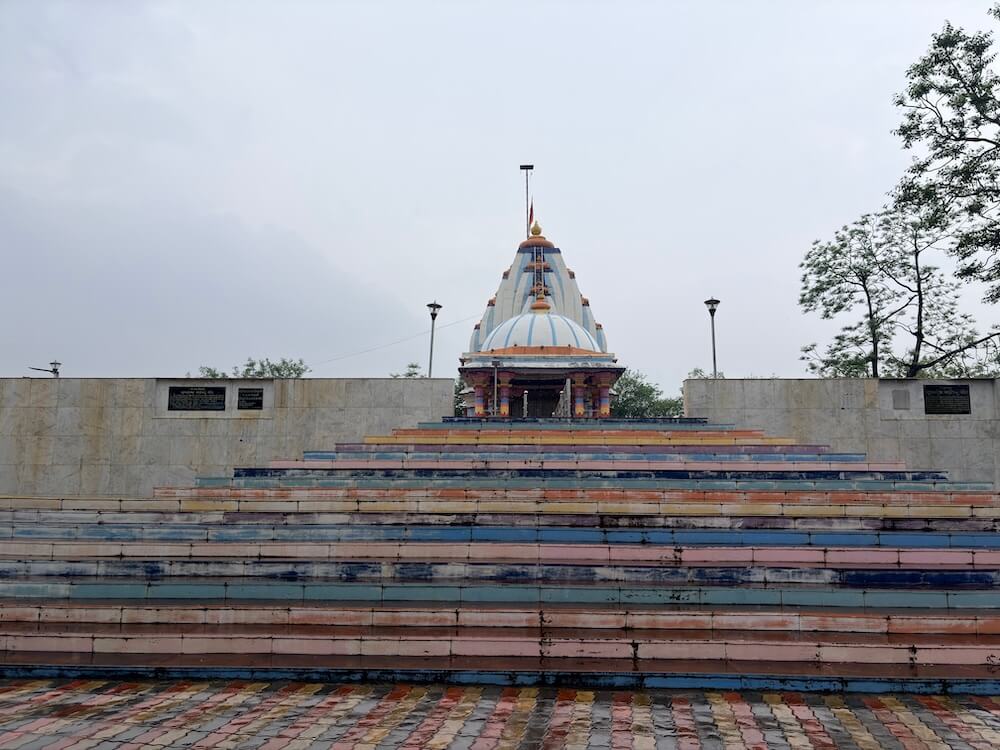 It was an ancient and magnificent structure. During the Sardar Sarovar Project, the increase in the dam’s height led to the submergence of the original temple. As a result, the Gujarat government allocated a site 160 feet above the left side of Gora bridge to build the new temple. On May 7, 1994, a new Shivling was ceremoniously installed in the newly constructed temple. Many attempts were made to extract the Shivling from the original temple before it was submerged, but the deeper they dug, the more the Shivling seemed to sink into the earth. The Shivling remains submerged to this day.
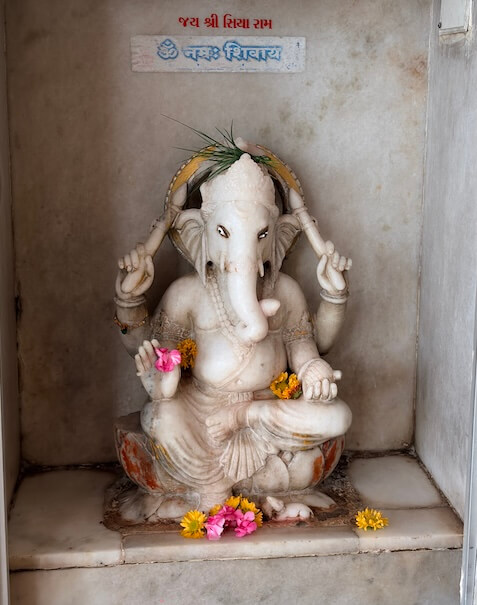
A vast ghat has been constructed near this temple on the banks of the Narmada. After walking upward some distance from there, one reaches the spacious, tiled courtyard of the temple. 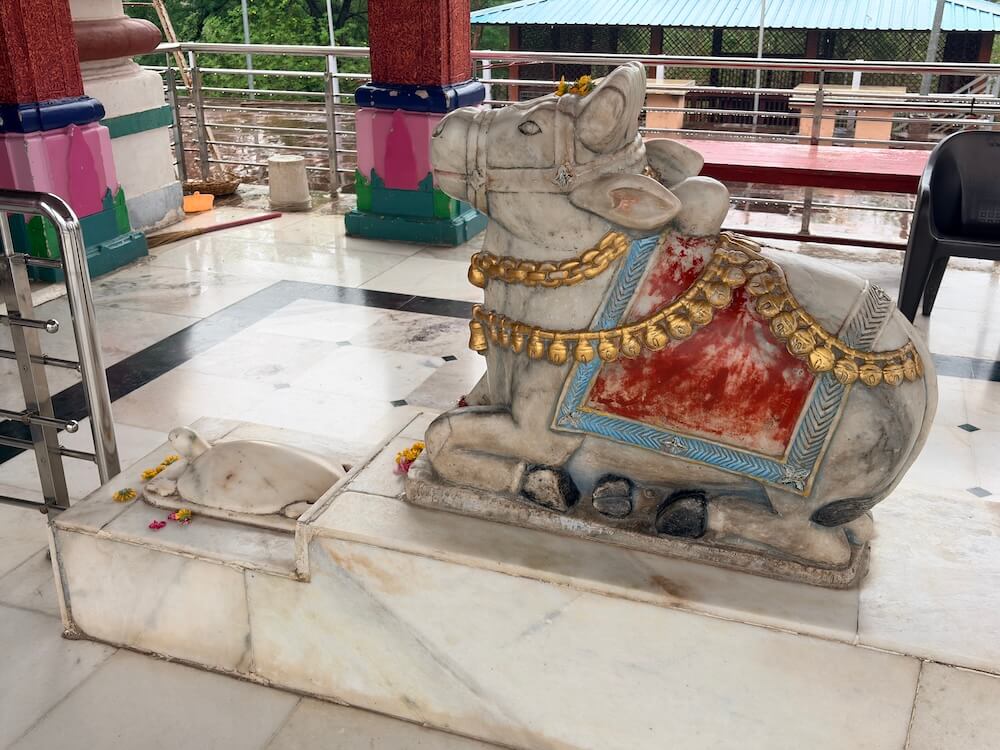 In the center is a temple of modern construction. The temple consists of an open assembly hall (sabha mandap), an antechamber (antaral), and a sanctum sanctorum (garbhagriha). The domed ceiling of the assembly hall has attractive carvings. In the assembly hall, on a platform in front of the sanctum, there is a statue of Nandi. In the antechamber, there is an idol of Ganesha in the shrine on the left side and an idol of Hanuman in the shrine on the right side. There are doorkeepers (dwarpalas) near the entrance to the sanctum. One needs to descend a few steps to enter the sanctum. In the sanctum, there is a Shivling in the center with a cobra forming a canopy over it. From the water vessel (Galantika) in the upper part, the Pindi (Shivalinga) receives continuous abhisheka. In the small shrine on the wall behind the Shivling, there is an idol of Goddess Narmada.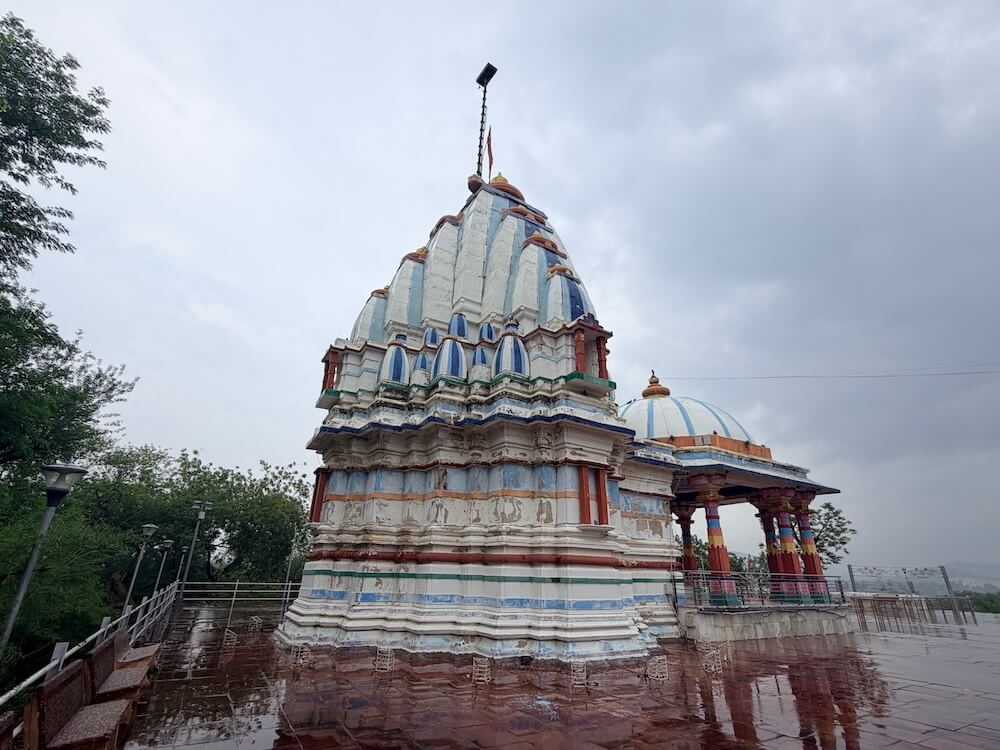
Many devotees and tourists visit this temple from Gujarat as well as other states. A grand fair is held in the temple premises from the thirteenth day (Trayodashi) of the dark fortnight of Chaitra month until the new moon (Amavasya).
At that time, this area becomes crowded with devotees from Gujarat, Maharashtra, Madhya Pradesh, and Rajasthan. Various cultural programs are also organized during this fair. A grand aarti of the Narmada River is performed on the vast ghat near the temple, similar to the aartis performed on the ghats of the Ganges and Yamuna rivers.
The temple doors remain open to welcome devotees and tourists for the darshan of Shoolpaneshwar Mahadev daily from 6:00 am until 8:00 pm.
Key Features –
- Situated at a distance of 21 km from Rajpipla
- State transport buses and private vehicle services operate regularly from Rajpipla and Nandod.
- Private vehicles can drive directly up to the temple premises.
- Comfortable lodging and breakfast facilities are available in the immediate vicinity.
- Contact: Temple Office, Mob. 9998898084
शूलपाणेश्वर महादेव मंदिर
गोरा गांव, केवडिया रोड, ताल। नान्दोद, जिला. नर्मदा
मंदिरे
Temples
मंदिर
મંદિરો
கோவில்கள்
దేవాలయాలు
ക്ഷേത്രങ്ങൾ
ದೇವಾಲಯಗಳು
মন্দিরসমূহ
ਮੰਦਿਰ
-
तपोवन आश्रम मंगरोळ, ता. नांदोड (राजपिपळा), जि. नर्मदा
अधिक माहितीTapovan Ashram Mangrol, Tal. Nandod (Rajpipla), Dist. Narmada
View Detailsतपोवन आश्रम मांगरोल, तहसील नांदोद (राजपीपला), जिला नर्मदा
विवरण देखेंતપોવન આશ્રમ, માંગરોળ, તા. નાંદોદ (રાજપીપળા), જિ. નર્મદા
વિગત જુઓதபோவனம் ஆசிரமம், மங்களூர், தாலுகா: நந்தோடு (ராஜ்பிப்லா), மாவட்டம்: நர்மதை
விவரங்களைக் காண்கతపోవన ఆశ్రమం, మంగ్రోల్, తాలూకా: నాందోద్ (రాజ్పిప్లా), జిల్లా: నర్మద
వివరాలను చూడండిതപോവൻ ആശ്രമം മംഗ്രോൾ, താലൂക്ക് നന്ദോദ് (രാജ്പിപ്ല), ജില്ല നർമ്മദ
വിശദാംശങ്ങൾ കാണുകತಪೋವನ ಆಶ್ರಮ ಮಂಗಳೂರು, ತಾ|| ನಾಂದೋದ (ರಾಜಪಿಪ್ಲಾ), ಜಿ|| ನರ್ಮದಾ
ವಿವರಗಳನ್ನು ವೀಕ್ಷಿಸಿতপোবন আশ্রম মাংরোল, তালুকা নন্দোদ (রাজপিপলা), জেলা নর্মদা
বিস্তারিত দেখুনਤਪੋਵਨ ਆਸ਼ਰਮ ਮੰਗਰੋਲ, ਤਾਲੁਕਾ ਨੰਦੋਦ (ਰਾਜਪੀਪਲਾ), ਜ਼ਿਲ੍ਹਾ ਨਰਮਦਾ
ਵੇਰਵੇ ਦੇਖੋ -
भाथीजी महाराज मंदिर भदरवा, ता. टिळकवाडा, जि. नर्मदा
अधिक माहितीBhathiji Maharaj Temple Bhadarwa, Tal. Tilakwada, Dist. Narmada
View Detailsभाथीजी महाराज मंदिर भादरवा, ता. तिलकवाड़ा, जि. नर्मदा
विवरण देखेंભાથીજી મહારાજ મંદિર ભાદરવા, તા. તિલકવાડા, જિ. નર્મદા
વિગત જુઓபத்திஜி மஹராஜ் கோவில், பாதர்வா, தாலுக்கா. திலக்வாடா, மாவட்டம். நர்மதா
விவரங்களைக் காண்கభథిజీ మహారాజ్ మందిరం భదర్వా, తా. తిలక్వాడ, జి. నర్మద
వివరాలను చూడండిഭാഥിജി മഹാരാജ് ക്ഷേത്രം, ഭാദർവ, താലൂക്ക് തിലക്വാഡ, ജില്ല നർമ്മദ
വിശദാംശങ്ങൾ കാണുകಭಾಥಿಜಿ ಮಹಾರಾಜ್ ಮಂದಿರ ಭಾದರ್ವಾ, ತಾ. ತಿಲಕವಾಡ, ಜಿ. ನರ್ಮದಾ
ವಿವರಗಳನ್ನು ವೀಕ್ಷಿಸಿভাথিজি মহারাজ মন্দির ভাদরওয়া, তাং. তিলকওয়াড়া, জি. নর্মদা
বিস্তারিত দেখুনਭੱਠੀਜੀ ਮਹਾਰਾਜ ਮੰਦਿਰ ਭਾਦਰਵਾ, ਤਾਲੁਕਾ ਤਿਲਕਵਾੜਾ, ਜ਼ਿਲ੍ਹਾ ਨਰਮਦਾ
ਵੇਰਵੇ ਦੇਖੋ -
नंदिकेश्वर महादेव मंदिर जितनगर, राजपिपळा, ता. नांदोड, जि. नर्मदा
अधिक माहितीNandikeshwar Mahadev Temple Jitnagar, Rajpipla, Tal. Nandod, Dist. Narmada
View Detailsनंदीश्वर महादेव मंदिर जीतनगर, राजपीपला, ता. नांदोद, जि. नर्मदा
विवरण देखेंનંદિકેશ્વર મહાદેવ મંદિર જીતનગર, રાજપીપળા, તા. નાંદોદ, જિ. નર્મદા
વિગત જુઓநந்திகேஸ்வர மகாதேவ் கோவில், ஜித்நகர், ராஜ்பிப்லா, தாலுகா: நந்தோடு, மாவட்டம்: நர்மதா
விவரங்களைக் காண்கనందికేశ్వర మహాదేవ దేవాలయం, జిత్నగర్, రాజ్పిప్లా, తాలూకా నందోద్, జిల్లా నర్మద
వివరాలను చూడండిനന്ദികേശ്വര മഹാദേവ ക്ഷേത്രം, ജിത്നഗർ, രാജ്പിപ്ല, താലൂക്ക്: നന്ദോദ്, ജില്ല: നർമ്മദ
വിശദാംശങ്ങൾ കാണുകನಂದಿಕೇಶ್ವರ ಮಹಾದೇವ ದೇವಸ್ಥಾನ, ಜಿತನಗರ, ರಾಜಪೀಪ್ಲಾ, ತಾಲ್ಲೂಕು: ನಂದೋದ, ಜಿಲ್ಲೆ: ನರ್ಮದಾ
ವಿವರಗಳನ್ನು ವೀಕ್ಷಿಸಿনন্দিকেশ্বর মহাদেব মন্দির, জিতনগর, রাজপিপলা, তালুক: নন্দোদ, জেলা: নর্মদা
বিস্তারিত দেখুনਨੰਦੀਕੇਸ਼ਵਰ ਮਹਾਦੇਵ ਮੰਦਰ ਜੀਤਨਗਰ, ਰਾਜਪੀਪਲਾ, ਤਾਲੁਕਾ ਨੰਦੋਦ, ਜ਼ਿਲ੍ਹਾ ਨਰਮਦਾ
ਵੇਰਵੇ ਦੇਖੋ