
पोरुवाझी पेरुविरुथी मलानदा दुर्योधन मंदिर
पोरुवाझी, एडक्कड, कोल्लम जिल्हा
Poruvazhy Peruviruthy Malanada Duryodhana Temple
Poruvazhy, Edakkad. Dist. Kollam
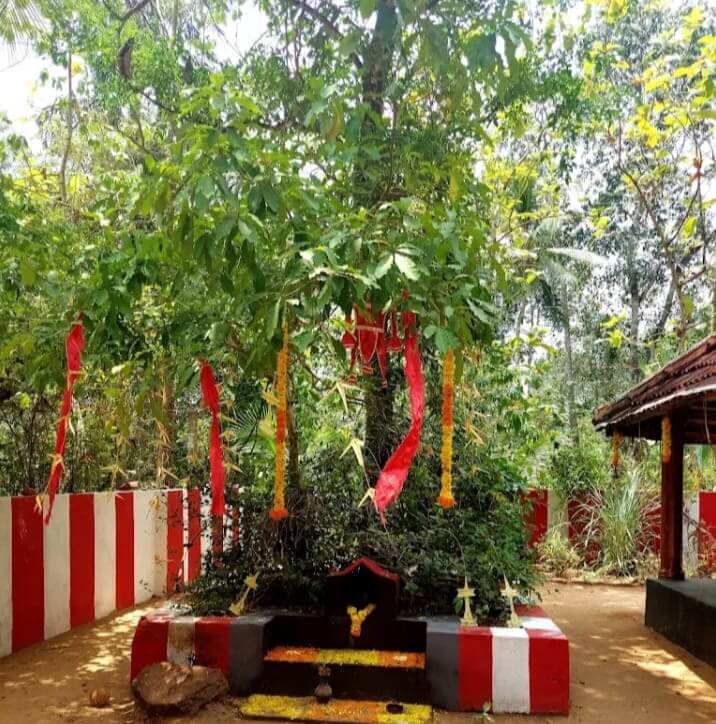
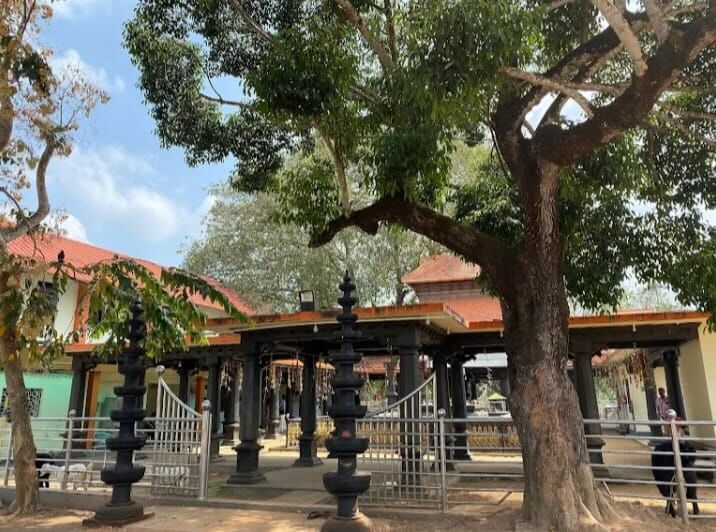
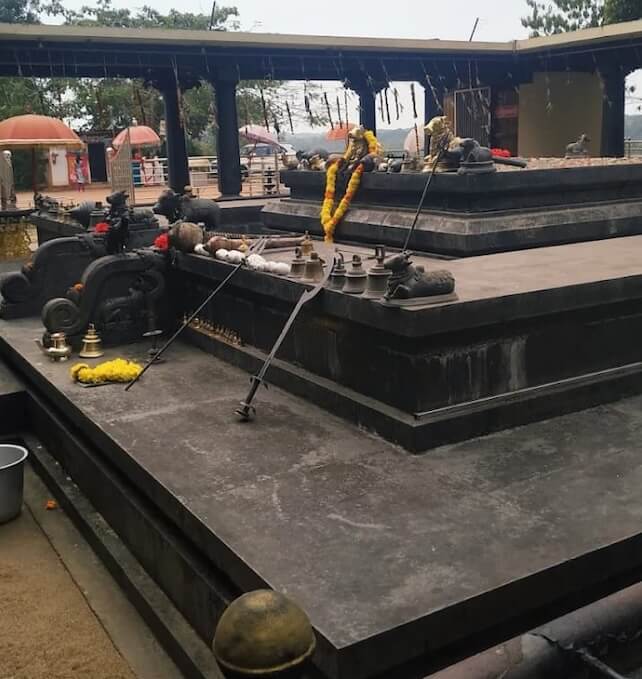 Poruvazhy Peruviruthy Malanada Temple, located at Poruvazhy in Kollam district, is one of the most unique and remarkable centres of worship in Kerala. Dedicated to Duryodhana, the antagonist of the Mahabharata, this rare temple is regarded as a symbol of Kerala’s folk beliefs and indigenous Dravidian cultural traditions. Unlike conventional temples, there is no sanctum sanctorum or idol consecration here; worship is performed at an open altar amidst nature. Another distinctive feature of the temple is that the rituals are performed by a priest belonging to the Kurava community.
The Malanada continues to function under the leadership and traditional customs of the Kurava community. It is often described as a living monument of an ancient culture that worshipped nature and ancestors. Peruviruthy Malanada is considered one of the oldest folk worship centres in Kerala. Although no exact historical records regarding its construction period are available, historical studies indicate that its origins are connected to pre-Brahmanical Dravidian and tribal worship traditions.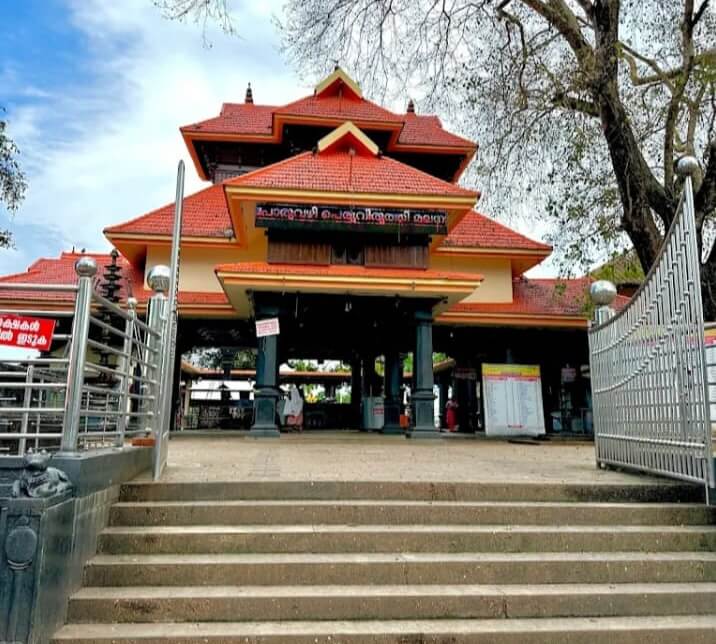
Though the present mandapams and associated structures have been renovated during different periods, it is widely accepted that the core concept and worship traditions of Peruviruthy Malanada date back several centuries. The principal legend associated with Poruvazhy Peruviruthy Malanada Temple revolves around Duryodhana from the Mahabharata. According to belief, during the Pandavas’ exile, Duryodhana travelled through the forests of South India in search of them. While passing through the southern forests of Kerala, he became exhausted and thirsty and asked the local people for water.
At that time, an elderly woman from the Kurava community offered him a fresh toddy without fear or hesitation. Seeing his royal appearance and attire, she realized he was no ordinary man. However, Duryodhana, who is believed to have rejected caste discrimina-tion and social hierarchy, accepted the drink without hesitation. Pleased by the sincerity of the woman and the simplicity of the villagers, 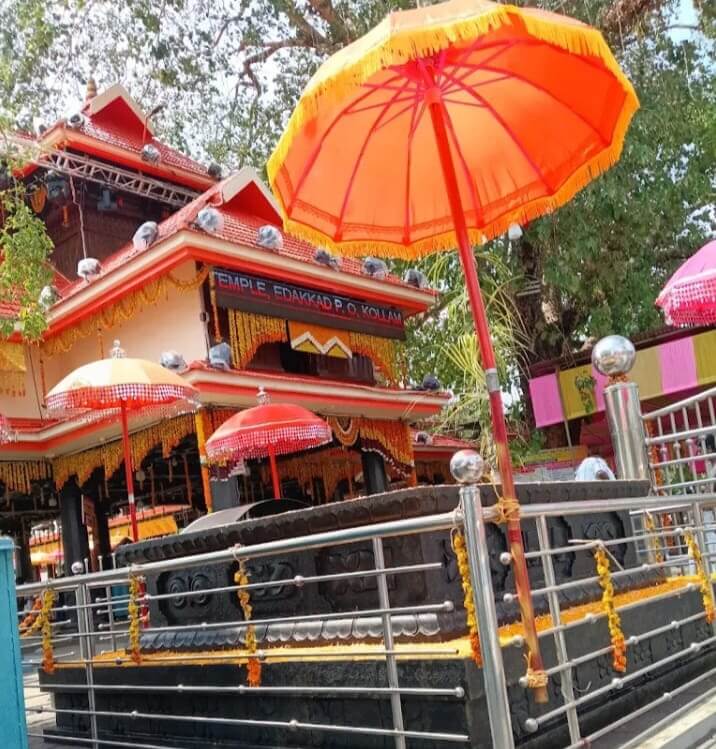 Duryodhana is believed to have devel-oped a close bond with the people and worked for their welfare. It is also believed that he meditated on the hilltop and prayed to Lord Shiva for the prosperity and protection of the villagers. The place where Duryodhana meditated later became the sacred centre known as “Malanada.”
Even today, the rituals and beliefs of the temple clearly reflect this folk tradition. One of the temple’s unique customs is that the priest belongs to the Kurava community. Another distinctive practice is the offering of toddy as sacred prasadam to devotees, which makes the temple different from most other places of worship. The architectural style of Poruvazhy Peruviruthy Malanada Temple is entirely different from that of traditional Kerala temples. There are no structures such as sanctum sanctorum, idol consecration, nalambalam, or gopuram.
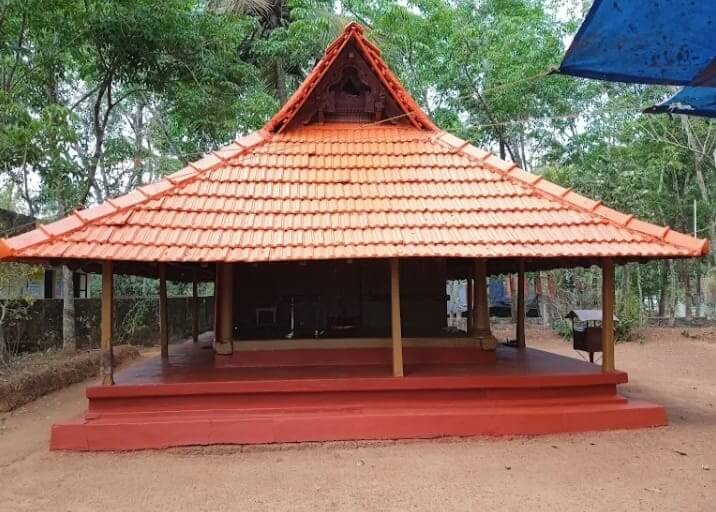
The temple is built around an open altar concept that blends harmoniously with nature. The main worship area is situated on a hilltop amidst a vast open space. A raised altar and an adjacent mandapam form the primary structures of the shrine. 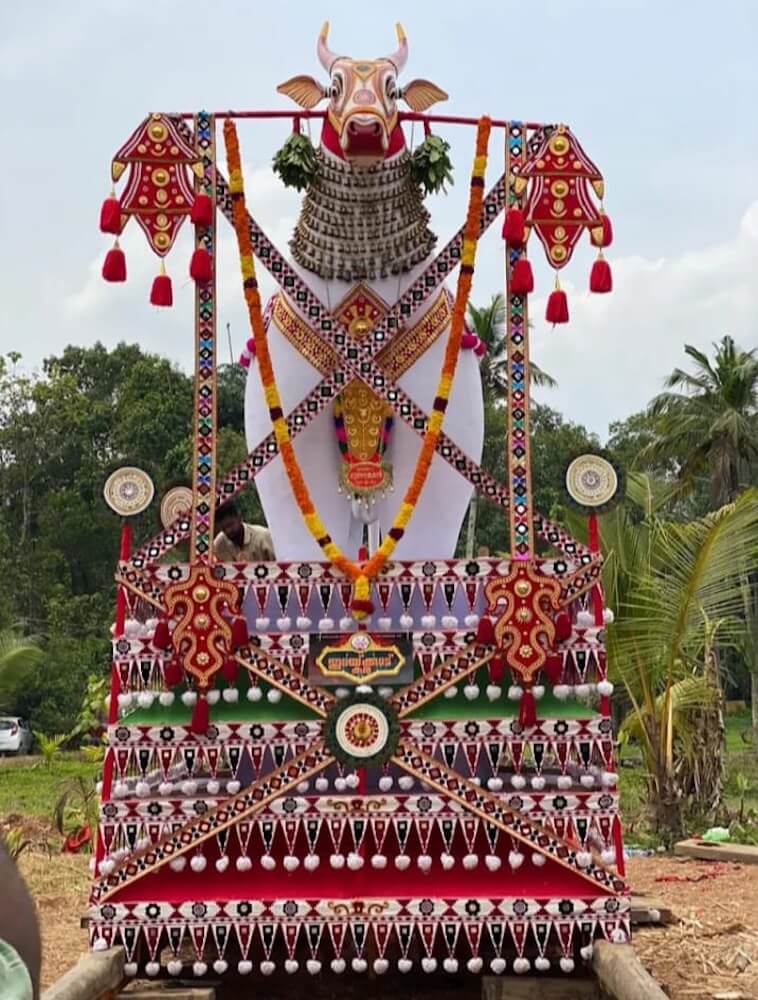 Duryodhana is worshipped here in the form of “Malayappooppan.” However, there is no idol conse-cration; devotees worship through meditation and spiritual presence. The influence of
Dravidian folk worship traditions centered around nature and ancestor worship is clearly visible in this architectural style. Spacious grounds and facilities for rituals and festivals are also arranged within the temple premises. The simplicity and natural surroundings of the shrine make Malanada distinct from other temples.
The most important festival of the temple is the “Malanada Kettukazhcha,” considered one of the grandest folk festivals in Kerala. It is celebrated during the Bharani star in the Malayalam month of Meenam. Magnificently decorated Kettukazhcha structures are brought to the temple in grand processions from different kara (local regions). Folk art performances, traditional percussion ensembles, and the participation of thousands of devotees make the festival highly spectacular.
The festival begins when the Ooralan descends the hill carrying the heavy “Malakkuda” while dancing in traditional attire. One of the most notable features of the celebration is the display of giant decorative bulls and effigies of horses known as “Eduppu Kuthira.” The large ceremonial bull is offered by the people of Idakkad Kara and is believed to be a favorite offering of Malanada Appooppan. Another major attraction is the gigantic horse effigy measuring twenty-one and a quarter feet in height. 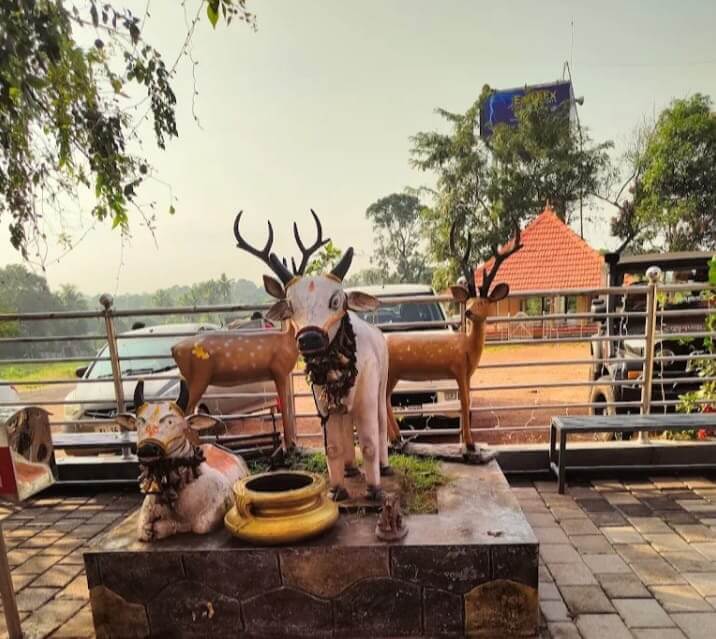 Beautifully decorated horse structures from six karas are assembled at Muravukandam and later carried uphill by hundreds of people amidst loud cheers. Devotees believe that with the blessings of Appooppan, the hill becomes easy to climb and no one feels exhausted.
Another important aspect of Malanada is the presence of folk rituals such as “Kurathi Aattam.” Several ceremonies connected with the traditions of the Kurava community are conducted during festival periods. Among the special occasions, Meena Bharani is considered the most important. During the Mandala season and other auspicious days, the temple witnesses a huge gathering of devotees. The festivals of Malanada continue to stand as vibrant expressions of Kerala’s folk and Dravidian ritual traditions. One of the most significant rituals of the temple is the “Pallippana,” conducted once every twelve years. 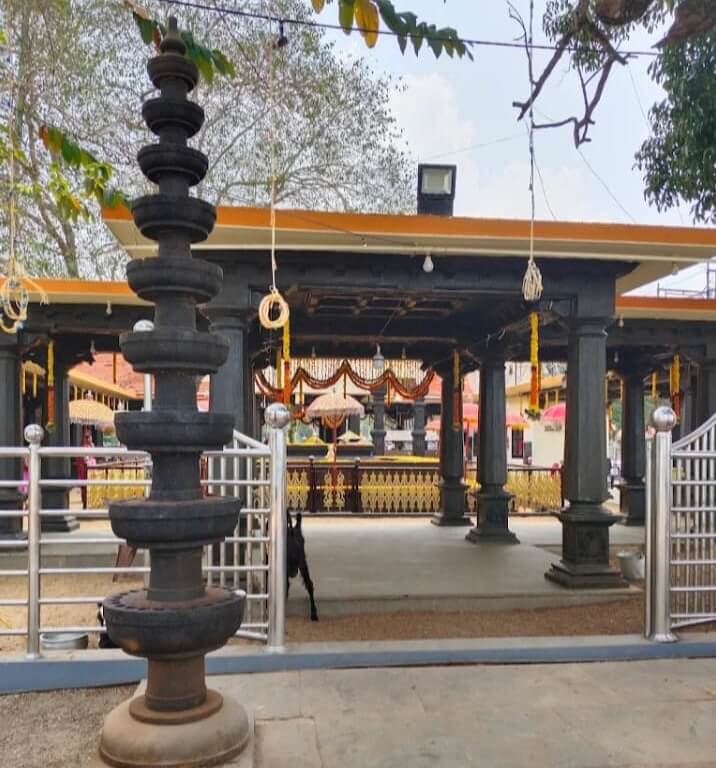 This unique ritual is performed under the leadership of members of the Vela community and continues for twelve days. During the ceremony, devotees roll around the temple courtyard with cane vines wrapped around their bodies.
The ritual is believed to symbolize Bhishma lying on the bed of arrows during the Ku-rukshetra war in the Mahabharata. Pallippana, which combines folk traditions with Mahabharata symbolism, is regarded as one of the major cultural features of Malanada. The most recent Pallippana was conducted in 2023. The offerings at the temple reflect the distinctiveness of folk and Dravidian worship traditions. The most prominent offering is toddy, which is later distributed to devotees as sacred prasadam after rituals. Other offerings include silk cloths, ceremonial offerings, coconut breaking, and lamp offerings.
Another important custom is the offering of wooden bull effigies by devotees as a vow of-fering. Known as “Kettukala,” these are believed to be the favorite offering of Malanada Appooppan. Annadanam (community feast) is also conducted during festivals and spe-cial occasions. The grand Kettukazhcha structures offered by different karas during the Malanada festival are also considered major ritual offerings.
“Poruvazhy Peruviruthy Malanada Temple remains open for devotees from 6:00 AM to 1:00 PM and from 3:00 PM to 9:00. PM. The temple follows ritual practices rooted in folk and Dravidian worship traditions. Special poojas and ceremonies are conducted during festival seasons and other important occasions.
Key highlight
- Located 12 km away from Shasthamkotta, 13 km away from Adoor and 25 km away from Kottarakkara.
- State Transport (KSRTC) and local transportation are available to the temple.
- Large open parking facilities available.
- Food facilities available near the temple.
- Accommodation available in the nearby town.
- Contact number 90618 20338, +91 4762820338
पोरुवाझी पेरुविरुथी मलानाडा दुर्योधन मंदिर
पोरुवाझी, एडक्कड़, कोल्लम जिला
मंदिरे
Temples
मंदिर
-
पूवत्तूर भगवती मंदिर पूवत्तूर, कोट्टारक्करा, जि. कोल्लम.
अधिक माहितीPoovattoor Bhagavathy Temple Poovattoor, Kottarakkara, Dist. Kollam.
View Detailsपूवत्तूर भगवती मंदिर पूवत्तूर, कोट्टाराक्कारा, जिला। कोल्लम.
विवरण देखें -
आर्यंकवू संस्थान मंदिर तिरुमंगलम रोड, आर्यनकावू, जि. कोल्लम.
अधिक माहितीAryankavu Sastha Temple Thirumangalam road, Aryankavu, Dist. Kollam.
View Detailsआर्यंकावु संस्था मंदिर थिरुमंगलम रोड, आर्यनकावु, जिला। कोल्लम.
विवरण देखें