
मृदंगशैलेश्वरी मंदिर
मुळक्कुन्नू, पेरावूर, जिल्हा कन्नूर
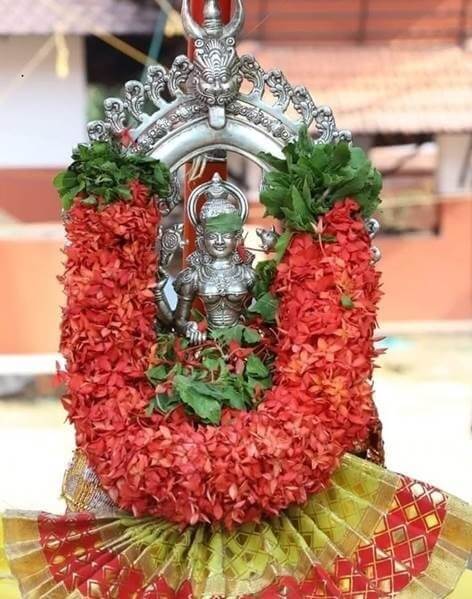 मुळक्कुन्नू मृदंगशैलेश्वरी मंदिर हे केरळमधील कन्नूर जिल्ह्यातील इरित्ती तालुक्यातील मुळक्कुन्नू पंचायत येथे स्थित एक प्रसिद्ध भगवती (देवी) मंदिर आहे. हे केरळमधील महत्त्वाच्या भगवती मंदिरांपैकी एक मानले जाते. हिंदू मान्यतेनुसार, येथील मुख्य देवता आदि पराशक्ती असून तिची सरस्वती, लक्ष्मी आणि काली या रूपांत पूजा केली जाते. कथकली या अभिजात कलाप्रकाराची उत्पत्ती याच मंदिरातून झाली, अशीही श्रद्धा आहे. या मंदिराला भेट दिल्याने कलात्मक प्रगती, शैक्षणिक उत्कृष्टता आणि अडचणींवर मात करण्यास मदत होते, अशी भाविकांची धारणा आहे.
या मंदिरातील देवी ही कोट्टायम राजघराण्याची कुलदेवता आहे. त्यांचे सुरुवातीचे मुख्यालय मुळक्कुन्नूजवळील पुराली माला येथे होते, म्हणून त्यांना “पुरालीश्वरनमार” असे म्हटले जाई. राजा हरिश्चंद्रन आणि राजा शंकरन कोथा वर्मा यांसारख्या राजांच्या कारकिर्दीत मंदिराची भरभराट झाली. मंदिराच्या पश्चिमेला एकेकाळी मूळ पोर्कली मंदिर होते, जिथे राजे युद्धावर जाण्यापूर्वी विधी करत असत. केरळमधील इतर पोर्कली मंदिरांचे उगमस्थान मानले जाणारे हे गुहा मंदिर आता पडक्या अवस्थेत आहे, तरीही पुनर्रचना कार्य सुरू आहे. जवळच राजांचे मार्शल ट्रेनिंग सेंटर (युद्धकला प्रशिक्षण केंद्र) ‘पिंडारी कलारी’ आहे.
कोट्टायम राजघराण्याच्या ऱ्हासानंतर, मंदिराकडे दुर्लक्ष झाले. टिपू सुलतान आणि ब्रिटिश ईस्ट इंडिया कंपनीच्या आक्रमणादरम्यान, गुहा मंदिर आणि जवळचे कृष्ण मंदिर नष्ट झाले.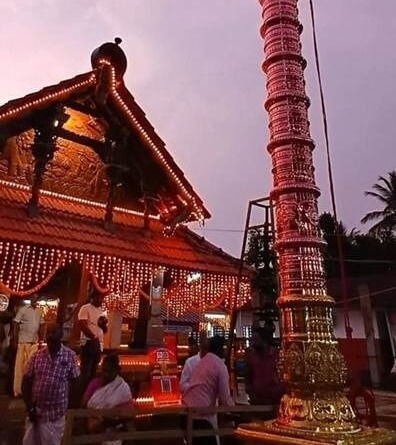 तथापि, मुख्य मृदंगशैलेश्वरी मंदिर आणि त्याची मूर्ती किरकोळ नुकसानीसह वाचली, परंतु हळूहळू ते विस्मृतीत गेले. १९०७ मध्ये, मद्रास सरकारने मंदिराचा ताबा घेतला आणि नंतर ते एच.आर. आणि सी.ई. विभागाकडे सोपवले. २००८ मध्ये, मलबार देवस्वम बोर्डाच्या स्थापनेनंतर, मंदिर त्यांच्या नियंत्रणाखाली आले. पुनरुज्जीवनासह, प्रसिद्ध वास्तू तज्ज्ञ कणीप्पय्यूर कृष्णन नंपूतिरीपाद यांनी मंदिराची रचना केली. त्यानंतर नूतनीकरण झाले आणि २०२३ मध्ये मूर्तीची पुनर्प्रतिष्ठापना करण्यात आली.
हे मंदिर परशुरामांनी स्थापन केलेल्या १०८ दुर्गा मंदिरांपैकी एक मानले जाते आणि ते २,००० वर्षांहून अधिक जुने आहे. पौराणिक कथेनुसार, देवी सरस्वती येथे “मिझावू” (एक तालवाद्य) स्वरूपात अवतरली. 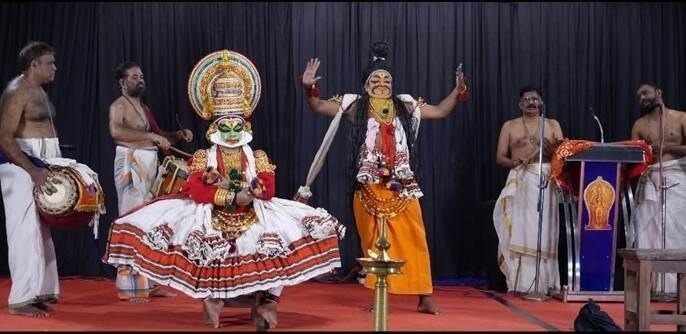 ज्या ठिकाणी ते पडले, ते ठिकाण मृदंगशैला (नगाऱ्याचा डोंगर) म्हणून ओळखले जाऊ लागले, ज्याचे नंतर “मुळक्कुन्नू” असे नामकरण झाले. मंदिराच्या आत, आग्नेय कोपऱ्यात थोडा खोलगट भाग आहे, जो हा पवित्र भाग असल्याचे मानले जाते आणि तो आदि पराशक्तीचे मूळ स्थान मानला जातो. हे मंदिर केरळ वर्मा पझस्सी राजा यांच्याशीही संबंधित आहे, ज्यांनी ब्रिटीश राजवटीविरुद्ध लढण्यापूर्वी येथे पूजा केली होती. मंदिराच्या जवळ पझस्सी राजांचा पुतळा आहे.
कथकली हा केरळची जगभरात प्रतिष्ठा वाढवणारा कलाप्रकार आहे. कथकलीचा प्रसिद्ध वंदन श्लोक मुळक्कुन्नू मृदंगशैलेश्वरी मंदिरात देवतेच्या उपस्थितीत रचला गेला असल्याचे मानले जाते. हा श्लोक देवी मृदंगशैलेश्वरीच्या स्तुतीसाठी आहे. त्यामुळे, कथकली या कलाप्रकाराची उत्पत्ती येथूनच झाली असल्याचे मानले जाते.
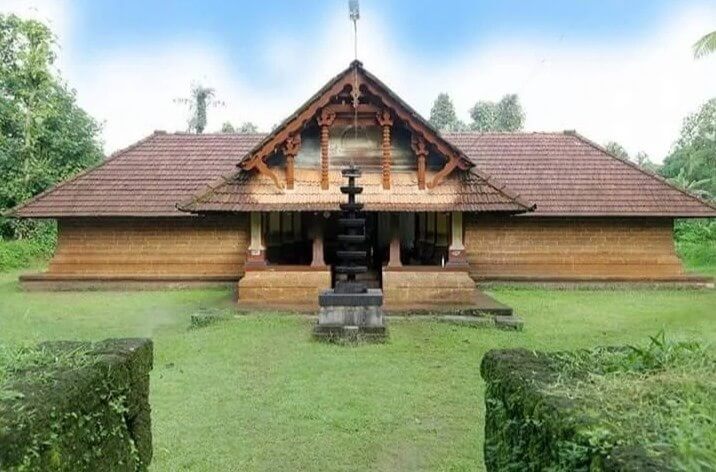
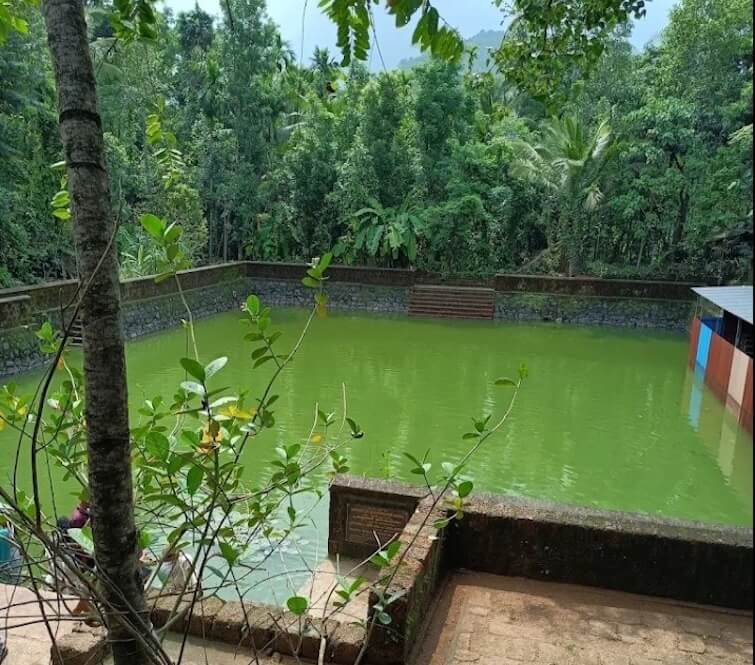
हे मंदिर डोंगरांनी वेढलेल्या एका निसर्गरम्य गावात वसलेले आहे. त्याचे तोंड पूर्वेकडे आहे आणि भाविकांना प्रवेशद्वारापासून मंदिरापर्यंत पोहोचण्यासाठी थोडे चालावे लागते. उत्तरेला एक पवित्र मंदिर तलाव आहे. 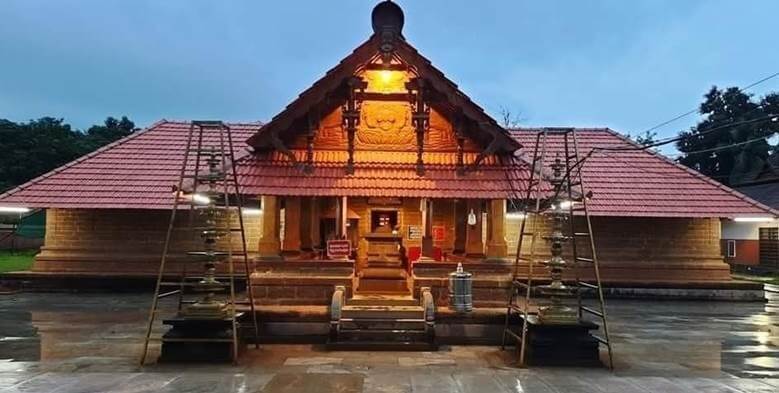 मंदिर परिसर चारही बाजूंनी भिंतींनी वेढलेला असून सर्व बाजूंना गोपुरे आहेत. पझस्सी राजांचा पुतळा उत्तर प्रवेशद्वाराजवळ आहे, तर त्यांचा राजवाडा पश्चिम भिंतीच्या बाहेर पुनर्निर्मित केला गेला आहे. पूर्व प्रवेशद्वाराजवळ बळीकल पुरा (बळी वेदी) आहे. सरस्वती मंडप आग्नेय दिशेला आहे. प्रदक्षिणा मार्गाच्या नैऋत्येला पूर्वेकडे तोंड असलेले शास्ताचे मंदिर आहे, ज्याला छप्पर नसल्यामुळे ‘वन शास्ता’ म्हणून ओळखले जाते.
नालंबलमच्या बाहेरील भिंती दगडी दिव्यांनी सजवलेल्या आहेत. नालंबलमच्या प्रवेशद्वाराच्या दोन्ही बाजूंना, 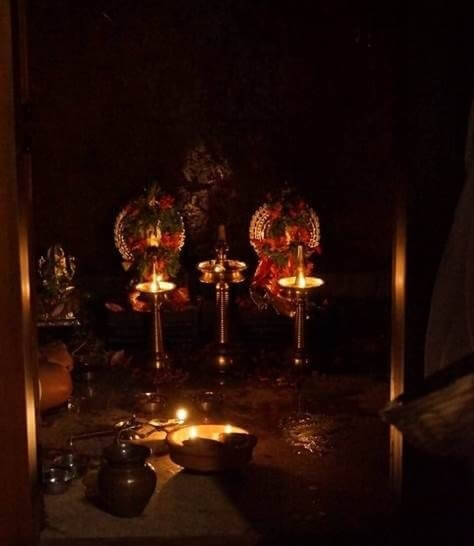 ‘वातिल माडम’ (प्रवेश मंडप) नावाच्या लहान वास्तू आहेत. दक्षिण वातिल माडमजवळ देवीचे (भगवती) मंदिर आहे, जिथे फक्त एक स्वयंभू पवित्र ढिगारा (चित्तप्पुरत्तु) दिसतो. भाविकांना या भागात थेट प्रवेश करण्याची परवानगी नाही, परंतु श्रीकोविल (गर्भगृह) कडे जाण्यापूर्वी येथे प्रार्थना करण्याची प्रथा आहे.
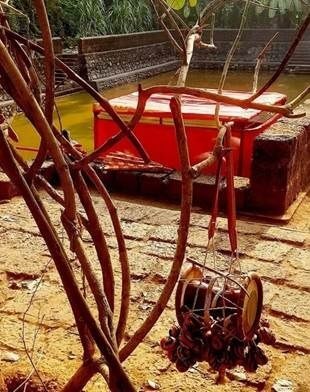
आणखी एक वैशिष्ट्य म्हणजे दक्षिण वातिल माडमजवळ असलेले गणपतीचे मंदिर आणि जवळच असलेले होमकंड. तुपाच्या दिव्यांच्या मंचावर, भाविकांनी अर्पण केलेल्या तुपाने पेटवलेले दिवे नेहमी दिसतात. उत्तर वातिल माडमचा वापर नामजपासाठी आणि संगीत अर्चनेसाठी केला जातो. तिथे चेंडा, मद्दलम्, तिमिला आणि इडक्का ही पारंपारिक वाद्ये टांगलेली दिसतात. नालंबलमच्या आत, आग्नेय कोपऱ्यात तिडप्पल्ली (मंदिर स्वयंपाकघर) आणि ईशान्य कोपऱ्यात एक विहीर आहे.
गर्भगृह (श्रीकोविल) ही विटांनी बनलेली दोन मजली चौकोनी वास्तू असून ती तांब्याने झाकलेली आहे आणि त्यावर सोन्याचा कळस आहे. गर्भगृहात प्रवेश करण्यासाठी पायऱ्या चढाव्या लागतात. 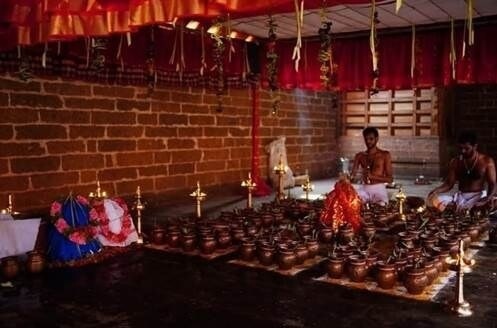 गर्भगृह पूर्णपणे लॅटराइट दगडाने बांधलेले असून त्याचे दोन्ही स्तर तांब्याने झाकलेले आहेत आणि त्यावर सोन्याचा कळस आहे. आत तीन कक्ष आहेत, ज्यापैकी सर्वात पश्चिमेकडील कक्ष गर्भगृह आहे. देवीची चार फुटांची पांंचधातूची मूर्ती पूर्वेकडे तोंड करून आहे, जी दुर्गा देवीचे शांत रूप ‘कात्यायनी’ दर्शवते. तिच्या चार हातांत श्रीचक्र आणि शंख असून, एक हात आशीर्वादाच्या मुद्रेत आहे आणि दुसरा कमरेवर विसावलेला आहे. ही देवता दुर्गा, काली, लक्ष्मी, पार्वती आणि सरस्वती अशा पराशक्तीच्या सर्व रूपांचे मूर्त स्वरूप आहे. उपदेवतांमध्ये महागणपती, दक्षिणामूर्ती, धन्वंतरी, शास्ता, कृष्ण, वेत्ताक्करण आणि नाग देवतांचा समावेश आहे.
प्रमुख उत्सवांपैकी एक म्हणजे मल्याळम महिना मीनममध्ये कार्तिका नक्षत्रावर साजरा केला जाणारा पूरम उत्सव, 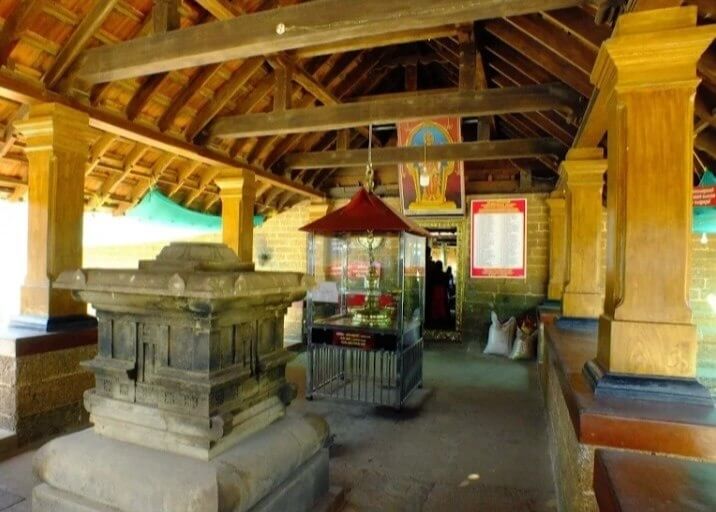 दहा दिवस चालणाऱ्या या उत्सवात विविध धार्मिक विधी आणि सांस्कृतिक कार्यक्रमांचे आयोजन केले जाते. नवरात्री, त्रिकार्तिका आणि मकर संक्रामण हे इतर महत्त्वाचे सण आहेत.
मुळक्कन्नू मृदंगशैलेश्वरी मंदिर हे एक प्रमुख मंदिर असून येथे दररोज चार पूजा (धार्मिक विधी) केल्या जातात. पहाटे ४:०० वाजता शंख सात वेळा वाजवून देवीला जागृत केले जाते. पहाटे ५:०० वाजता मंदिराचे दरवाजे उघडतात आणि निर्माल्य दर्शनाला सुरुवात होते. त्यानंतर तेल आणि पाण्याने अभिषेक केला जातो. अभिषेक झाल्यानंतर मालार निवेद्यम (लाह्यांचा नैवेद्य) अर्पण केला जातो. सकाळी ७:०० वाजता गणपती होमासह उषा पूजा केली जाते. उच्च पूजा (दुपारची पूजा) सकाळी ११:१५ ते दुपारी १२:०० या वेळेत पार पडते, त्यानंतर दुपारी १:०० वाजता मंदिर बंद होते. मंदिर पुन्हा संध्याकाळी ५:०० वाजता उघडते. संध्याकाळी सूर्यास्ताच्या वेळी दीपाराधना केली जाते. त्यानंतर विशेष भगवती सेवा केली जाते. रात्री ७:०० च्या सुमारास अथाळ पूजा (रात्रीची पूजा) केली जाते आणि रात्री ८:०० वाजता मंदिर पुन्हा बंद होते.
मुख्य वैशिष्ट्ये
- मट्टन्नूर शहरापासून १७ किमी आणि थलसेरी शहरापासून ३७ किमी अंतरावर स्थित आहे.
- कन्नूर आंतरराष्ट्रीय विमानतळापासून २२ किमी अंतरावर आहे.
- खाजगी वाहने मंदिराच्या विस्तीर्ण पार्किंग ग्राउंडमध्ये उभी करता येतात.
- मंदिराच्या जवळ राहण्याची आणि भोजनाची सोय उपलब्ध आहे.
- संपर्क क्रमांक: ०४९०२४०६४०८
Mridangasaileswari Temple
Muzhakkunnu, Peravoor, Dist. Kannur
The Muzhakkunnu Mridangasaileswari Temple is a famous Bhagavathi (Goddess) temple located in Muzhakkunnu Panchayat in Iritty Taluk of Kannur district, Kerala. It is considered one of the important Bhagavathi temples in Kerala. According to Hindu belief, the main deity here is Adi Parashakti, worshipped in the forms of Saraswati, Lakshmi, and Kali. It is also believed that the classical art form Kathakali originated from this temple. Devotees believe that visiting this temple helps in artistic growth, educational excellence, and overcoming difficulties.
The goddess of this temple is the family deity of the Kottayam royal family. Their early headquarters was at Purali Mala near Muzhakkunnu, and hence they were known as “Puraliswaranmar.” During the reign of kings like Raja Harishchandran and Raja Sankaran Kotha Varma, the temple flourished. To the west of the temple once stood the original Porkkali temple, where the kings performed rituals before going to war. This cave temple, considered the origin of other Porkkali temples in Kerala, is now in ruins, though reconstruction efforts are ongoing. Nearby is the Pindari Kalari, the martial training centre of the kings.
With the decline of the Kottayam royal lineage, the temple also fell into neglect. During the invasions of Tipu Sultan and the British East India Company, the cave temple and a nearby Krishna temple were destroyed. However, the main Mridangasaileswari temple and its idol survived with minor damage but gradually faded into obscurity. In 1907, the Madras Government took over the temple, later transferring it to the H.R. & C.E. department. In 2008, after the formation of the Malabar Devaswom Board, the temple came under its control. With its revival, renowned vasthu expert Kanippayyur Krishnan Namboothiripad designed the temple layout. Renovation followed, and in 2023, the idol was reinstalled.
The temple is believed to be one of the 108 Durga temples established by Parashurama, with an age of over 2000 years. According to legend, Goddess Saraswati descended here in the form of a “Mizhavu” (a percussion instrument). The place where it fell came to be known as Mridangasaila (hill of the drum), later evolving into “Muzhakkunnu.” Inside the temple, a slightly sunken area in the southeast corner is believed to be this sacred spot, considered the original seat of Adi Parashakti. The temple is also associated with Kerala Varma Pazhassi Raja, who worshipped here before going to battle against British rule. A statue of Pazhassi Raja stands near the temple.
Kathakali is an art form that upholds Kerala’s prestige before the world. The famous invocation verse (vandana shloka) of Kathakali is believed to have been composed in the presence of the deity at the Muzhakkunnu Mridangasaileswari Temple. This verse is in praise of Goddess Mridangasaileswari. Therefore, it is believed that the art form of Kathakali originated from here.
The temple is situated in a scenic village surrounded by hills. It faces east, and devotees must walk a short distance from the entrance to reach it. A sacred temple pond lies to the north. The temple complex is enclosed by walls with gopurams on all four sides. The statue of Pazhassi Raja is near the northern entrance, while his palace has been reconstructed outside the western wall. Near the eastern entrance is the Balikkal Pura (sacrificial altar). The Saraswati Mandapam is located in the southeast. On the southwest side of the circumambulatory path is a shrine of Sastha facing east, known as Vana Sastha due to the absence of a roof.
The outer walls of the nalambalam are decorated with stone lamps. On either side of the entrance to the nalambalam, there are small structures known as vāthil mādams (gateway pavilions). Near the southern vāthil mādam is the shrine of the Goddess (Bhagavathi), where only a self manifested sacred mound (chithappurttu) can be seen. Devotees are not allowed to enter this area directly, but it is customary to offer prayers here before proceeding to the sreekovil (sanctum).
Another distinctive feature is the shrine of Ganapathi near the southern vāthil mādam, along with a homakundam (sacrificial fire pit) located nearby. On the platform for ghee lamps, one can always see lamps lit with ghee offerings made by devotees. Northern vāthil mādam is used for chanting prayers (namajapam) and for musical offerings (sangeetha archana). Traditional instruments such as chenda, maddalam, thimila, and idakka are seen hung there. Inside the nalambalam, there is a thidappalli (temple kitchen) in the southeastern corner and a well in the northeastern corner.
The sanctum (Sreekovil) is a two-storied square structure made of brick, covered with copper and topped with a golden finial. You have to climb steps to enter the sanctum (Sreekovil). The sanctum is constructed entirely of laterite stone, with both its tiers covered in copper, and it is topped with a golden finial (kalasham). Inside are three chambers, with the westernmost being the sanctum. The four-foot Panchaloha idol of the goddess faces east, representing Durga in her peaceful form as Katyayani. She has four arms holding a Sri Chakra and conch, with one hand in blessing and the other resting on her waist. The deity embodies all forms of Parashakti, including Durga, Kali, Lakshmi, Parvati, and Saraswati. Sub-deities include Mahaganapathi, Dakshinamurthy, Dhanvantari, Sastha, Krishna, Vettakkaran, and serpent deities.
One of the major festivals is the Pooram festival held in the Malayalam month of Meenam on the Karthika star, lasting ten days with rituals and cultural programs. Other important festivals include Navaratri, Thrikarthika, and Makara Sankramam.
The Muzhakkunnu Mridangasaileswari Temple is a major temple where four daily poojas (rituals) are performed. At 4:00 AM, the goddess is awakened with the blowing of the conch seven times. At 5:00 AM, the temple doors open, and Nirmalyam Darshan begins. This is followed by abhishekams (ritual bathing) with oil and water. After the abhishekam, malar nivedyam (offering of puffed rice) is performed. At 7:00 AM, the Usha Pooja is conducted along with Ganapathi Homam. The Ucha Pooja (midday pooja) takes place from 11:15 AM to 12:00 PM, after which the temple closes at 1:00 PM. The temple reopens at 5:00 PM. In the evening, Deeparadhana (lamp worship) is performed at sunset. This is followed by a special Bhagavathi Seva. Around 7:00 PM, the Athazha Pooja (night pooja) is conducted, and the temple closes again at 8:00 PM.
Key highlight
- Located 17 km away from Mattannur Town and 37 km away from Thalassery town.
- 22 km away from Kannur International Airport.
- Private vehicles can park at the vast parking ground of the temple.
- Accommodation and food facilities are available near to the temple.
- Contact number: 04902406408
मृदंगशैलेश्वरी मंदिर
मुळक्कुन्नु, पेरावूर, जिला कन्नूर
मुळक्कुन्नु मृदंगशैलेश्वरी मंदिर केरल के कन्नूर जिले के इरित्ती तालुक में मुळक्कुन्नु पंचायत में स्थित एक प्रसिद्ध भगवती (देवी) मंदिर है। इसे केरल के महत्वपूर्ण भगवती मंदिरों में से एक माना जाता है। हिंदू मान्यता के अनुसार, यहाँ की मुख्य अधिष्ठात्री देवी आदि पराशक्ति हैं, जिनकी पूजा सरस्वती, लक्ष्मी और काली के रूपों में की जाती है। यह भी माना जाता है कि शास्त्रीय कला रूप कथकली की उत्पत्ति इसी मंदिर से हुई है। भक्तों का विश्वास है कि इस मंदिर के दर्शन से कलात्मक विकास, शैक्षिक उत्कृष्टता और कठिनाइयों से मुक्ति मिलती है।
इस मंदिर की देवी कोट्टयम राजपरिवार की कुलदेवी हैं। उनका प्रारंभिक मुख्यालय मुळक्कुन्नु के पास पुराली माला में था, और इसलिए उन्हें “पुरालीश्वरनमार” के नाम से जाना जाता था। राजा हरिश्चंद्रन और राजा शंकरन कोथा वर्मा जैसे राजाओं के शासनकाल में मंदिर का खूब विकास हुआ। मंदिर के पश्चिम में कभी मूल पोर्ककली मंदिर स्थित था, जहाँ राजा युद्ध पर जाने से पहले अनुष्ठान करते थे। यह गुफा मंदिर, जिसे केरल के अन्य पोर्ककली मंदिरों का मूल माना जाता है, अब खंडहर हो चुका है, हालाँकि इसके पुनर्निर्माण के प्रयास जारी हैं। पास ही पिंडाड़ी कलारी है, जो राजाओं का मार्शल आर्ट प्रशिक्षण केंद्र था।
कोट्टयम राजवंश के पतन के साथ, मंदिर भी उपेक्षा का शिकार हो गया। टीपू सुल्तान और ब्रिटिश ईस्ट इंडिया कंपनी के आक्रमणों के दौरान, गुफा मंदिर और पास का एक कृष्ण मंदिर नष्ट कर दिए गए। हालाँकि, मुख्य मृदंगशैलेश्वरी मंदिर और उसकी मूर्ति मामूली क्षति के साथ बच गई लेकिन धीरे-धीरे गुमनामी में खो गई। १९०७ में, मद्रास सरकार ने मंदिर का अधिग्रहण कर लिया और बाद में इसे एच.आर. एंड सी.ई. विभाग को स्थानांतरित कर दिया। २००८ में, मालाबार देवस्वोम बोर्ड के गठन के बाद, मंदिर उसके नियंत्रण में आ गया। इसके पुनरुद्धार के साथ, प्रसिद्ध वास्तु विशेषज्ञ कनिप्पय्यूर कृष्णन नंबूदरीपाद ने मंदिर के लेआउट को डिजाइन किया। इसके बाद जीर्णोद्धार हुआ और २०२३ में मूर्ति की पुनः स्थापना की गई।
माना जाता है कि यह मंदिर परशुराम द्वारा स्थापित १०८ दुर्गा मंदिरों में से एक है, जिसकी आयु २००० वर्षों से अधिक है। किंवदंती के अनुसार, देवी सरस्वती यहाँ एक “मिझावु” (एक ताल वाद्य) के रूप में अवतरित हुई थीं। जहाँ वह गिरी, वह स्थान मृदंगशैल (ढोल की पहाड़ी) के रूप में जाना जाने लगा, जो बाद में “मुळक्कुन्नु” में विकसित हो गया। मंदिर के अंदर, दक्षिण-पूर्व कोने में थोड़ा धंसा हुआ क्षेत्र यही पवित्र स्थान माना जाता है, जिसे आदि पराशक्ति का मूल स्थान माना जाता है। मंदिर केरल वर्मा पझस्सी राजा से भी जुड़ा है, जिन्होंने ब्रिटिश शासन के खिलाफ युद्ध में जाने से पहले यहाँ पूजा की थी। मंदिर के पास पझस्सी राजा की एक प्रतिमा स्थित है।
कथकली एक ऐसी कला है जो दुनिया के सामने केरल की प्रतिष्ठा को बनाए रखती है। माना जाता है कि कथकली का प्रसिद्ध वंदना श्लोक मुळक्कुन्नु मृदंगशैलेश्वरी मंदिर में देवी की उपस्थिति में रचा गया था। यह श्लोक देवी मृदंगशैलेश्वरी की स्तुति में है। इसलिए, यह माना जाता है कि कथकली कला की उत्पत्ति यहीं से हुई है।
मंदिर पहाड़ियों से घिरे एक सुंदर गाँव में स्थित है। इसका मुख पूर्व की ओर है, और भक्तों को प्रवेश द्वार से मंदिर तक पहुँचने के लिए थोड़ी दूरी पैदल चलनी पड़ती है। उत्तर में एक पवित्र मंदिर का तालाब है। मंदिर परिसर चारों ओर से दीवारों से घिरा है और चारों दिशाओं में गोपुरम बने हैं। पझस्सी राजा की प्रतिमा उत्तरी प्रवेश द्वार के पास है, जबकि उनका महल पश्चिमी दीवार के बाहर पुनर्निर्मित किया गया है। पूर्वी प्रवेश द्वार के पास बलि-कल पुरा (बलि वेदी) है। सरस्वती मंडपम दक्षिण-पूर्व में स्थित है। प्रदक्षिणा पथ के दक्षिण-पश्चिम की ओर पूर्व मुखी शास्ता का एक मंदिर है, जिसे छत के अभाव के कारण वन शास्ता के रूप में जाना जाता है।
नालंबलम की बाहरी दीवारें पत्थर के दीयों से सजी हैं। नालंबलम के प्रवेश द्वार के दोनों ओर, छोटे ढांचे हैं जिन्हें वातिल माडम (प्रवेश मंडप) कहा जाता है। दक्षिणी वातिल माडम के पास देवी (भगवती) का मंदिर है, जहाँ केवल एक स्वयंभू पवित्र टीला (चित्तप्पुरुत्तु) देखा जा सकता है। भक्तों को इस क्षेत्र में सीधे प्रवेश करने की अनुमति नहीं है, लेकिन श्रीकोविल (गर्भगृह) में जाने से पहले यहाँ प्रार्थना करना प्रथा है।
एक और विशिष्ट विशेषता दक्षिणी वातिल माडम के पास गणपति का मंदिर है, साथ ही पास में स्थित एक होमकुंडम (यज्ञ वेदी) है। घी के दीयों के मंच पर, हमेशा भक्तों द्वारा अर्पित किए गए घी के दीये जलते हुए देखे जा सकते हैं। उत्तरी वातिल माडम का उपयोग नामजप और संगीत अर्चना के लिए किया जाता है। वहाँ चेंडा, मद्दलम्, तिमिला और इडक्का जैसे पारंपरिक वाद्ययंत्र लटके हुए दिखाई देते हैं। नालंबलम के अंदर, दक्षिण-पूर्वी कोने में एक तिडप्पल्ली (मंदिर की रसोई) और उत्तर-पूर्वी कोने में एक कुआँ है।
गर्भगृह (श्रीकोविल) ईंटों से बनी दो मंजिला वर्गाकार संरचना है, जो तांबे से ढकी है और इसके ऊपर एक स्वर्ण कलश है। गर्भगृह में प्रवेश करने के लिए आपको सीढ़ियाँ चढ़नी पड़ती हैं। गर्भगृह पूरी तरह से लेटराइट पत्थर से बना है, जिसकी दोनों परतें तांबे से ढकी हैं, और इसके ऊपर एक स्वर्ण कलश है। अंदर तीन कक्ष हैं, जिनमें सबसे पश्चिमी गर्भगृह है। देवी की चार फुट की पंचलोहा मूर्ति पूर्व की ओर मुख किए हुए है, जो कात्यायनी के रूप में दुर्गा का सौम्य रूप दर्शाती है। उनकी चार भुजाएँ हैं जिनमें श्री चक्र और शंख है, एक हाथ आशीर्वाद की मुद्रा में है और दूसरा कमर पर टिका है। देवी दुर्गा, काली, लक्ष्मी, पार्वती और सरस्वती सहित पराशक्ति के सभी रूपों का प्रतीक हैं। उप-देवताओं में महागणपति, दक्षिणामूर्ति, धन्वंतरि, शास्ता, कृष्ण, वेट्टक्करण और नाग देवता शामिल हैं।
प्रमुख त्योहारों में से एक पूरम उत्सव है जो मलयालम महीने मीनम् में कार्तिका नक्षत्र पर आयोजित किया जाता है, जो दस दिनों तक अनुष्ठानों और सांस्कृतिक कार्यक्रमों के साथ चलता है। अन्य महत्वपूर्ण त्योहारों में नवरात्रि, थ्रिक्कार्तिका और मकर संक्रामम शामिल हैं।
मुझक्कुन्नु मृदंगशैलेश्वरी मंदिर एक प्रमुख मंदिर है जहाँ प्रतिदिन चार पूजाएँ (अनुष्ठान) की जाती हैं। सुबह ४:०० बजे, शंख को सात बार बजाकर देवी को जगाया जाता है। सुबह ५:०० बजे मंदिर के कपाट खुलते हैं और निर्मल्य दर्शन शुरू होता है। इसके बाद तेल और जल से अभिषेक किया जाता है। अभिषेक के बाद, मालार निवेद्यम (खील का भोग) अर्पित किया जाता है। सुबह ७:०० बजे गणपति होम के साथ उषा पूजा संपन्न होती है। उच्च पूजा (मध्याह्न पूजा) सुबह ११:१५ बजे से दोपहर १२:०० बजे तक होती है, जिसके बाद दोपहर १:०० बजे मंदिर बंद हो जाता है। मंदिर शाम ५:०० बजे पुनः खुलता है। शाम को सूर्यास्त के समय दीपाराधना की जाती है। इसके बाद विशेष भगवती सेवा होती है। लगभग शाम ७:०० बजे अथाझा पूजा (रात्रि पूजा) संपन्न होती है, और रात ८:०० बजे मंदिर पुनः बंद हो जाता है।
मुख्य आकर्षण
- मट्टन्नूर शहर से १७ किमी और थलस्सेरी शहर से ३७ किमी दूर स्थित है।
- कन्नूर अंतर्राष्ट्रीय हवाई अड्डे से २२ किमी दूर है।
- निजी वाहन मंदिर के विशाल पार्किंग मैदान में खड़े किए जा सकते हैं।
- मंदिर के निकट आवास और भोजन की सुविधा उपलब्ध है।
- संपर्क संख्या: ०४९०२४०६४०८
મૃદંગશૈલેશ્વરી મંદિર
મુઝક્કુન્નૂ, પેરાવૂર, જિલ્લો કન્નૂર
મુઝક્કુન્નૂ મૃદંગશૈલેશ્વરી મંદિર એ કેરળના કન્નૂર જિલ્લાના ઇરિટ્ટી તાલુકાના મુઝક્કુન્નૂ પંચાયતમાં આવેલું એક પ્રસિદ્ધ ભગવતી (દેવી) મંદિર છે. તેને કેરળના મહત્વપૂર્ણ ભગવતી મંદિરોમાંનું એક માનવામાં આવે છે. હિન્દુ માન્યતા અનુસાર, અહીંના મુખ્ય દેવી આદિ પરાશક્તિ છે, જેમને સરસ્વતી, લક્ષ્મી અને કાલીના સ્વરૂપમાં પૂજવામાં આવે છે. એવી પણ માન્યતા છે કે શાસ્ત્રીય કલા સ્વરૂપ કથકલીનો ઉદ્ભવ આ મંદિરથી થયો હતો. ભક્તો માને છે કે આ મંદિરની મુલાકાત લેવાથી કલાત્મક વિકાસ, શૈક્ષણિક શ્રેષ્ઠતા અને મુશ્કેલીઓ દૂર કરવામાં મદદ મળે છે.
આ મંદિરના દેવી કોટ્ટાયમ રાજ પરિવારના કુળદેવી છે. તેમનું પ્રારંભિક મુખ્ય મથક મુઝક્કુન્નૂ નજીક પુરાલી માલા ખાતે હતું, અને તેથી તેઓ “પુરાલીશ્વરનમાર” તરીકે ઓળખાતા હતા. રાજા હરિશ્ચંદ્રન અને રાજા શંકરન કોથા વર્મા જેવા રાજાઓના શાસનકાળ દરમિયાન મંદિરનો વિકાસ થયો હતો. મંદિરની પશ્ચિમે એક સમયે મૂળ પોરક્કાલી મંદિર હતું, જ્યાં રાજાઓ યુદ્ધમાં જતા પહેલા ધાર્મિક વિધિઓ કરતા હતા. આ ગુફા મંદિર, જેને કેરળના અન્ય પોરક્કાલી મંદિરોનું મૂળ માનવામાં આવે છે, તે હવે ખંડેર હાલતમાં છે, જોકે પુનઃનિર્માણના પ્રયાસો ચાલુ છે. નજીકમાં પિંડારી કલારી છે, જે રાજાઓનું માર્શલ આર્ટ તાલીમ કેન્દ્ર હતું.
કોટ્ટાયમ રાજવંશના પતન સાથે, મંદિર પણ ઉપેક્ષિત થઈ ગયું. ટીપુ સુલતાન અને બ્રિટિશ ઈસ્ટ ઈન્ડિયા કંપનીના આક્રમણો દરમિયાન, ગુફા મંદિર અને નજીકનું કૃષ્ણ મંદિર નાશ પામ્યા હતા. જો કે, મુખ્ય મૃદંગશૈલેશ્વરી મંદિર અને તેની મૂર્તિ સામાન્ય નુકસાન સાથે બચી ગયા હતા પરંતુ ધીમે ધીમે અસ્પષ્ટતામાં ખોવાઈ ગયા હતા. ૧૯૦૭ માં, મદ્રાસ સરકારે મંદિરનો કબજો લીધો, અને બાદમાં તેને એચ.આર. એન્ડ સી.ઈ. વિભાગને સોંપ્યું. ૨૦૦૮ માં, મલબાર દેવસ્વમ બોર્ડની રચના પછી, મંદિર તેના નિયંત્રણ હેઠળ આવ્યું. તેના પુનરુત્થાન સાથે, પ્રખ્યાત વાસ્તુ નિષ્ણાત કણિપાયૂર કૃષ્ણન નમ્બૂદિરિપાડે મંદિરના લેઆઉટની ડિઝાઇન તૈયાર કરી. ત્યારબાદ નવીનીકરણ થયું, અને ૨૦૨૩ માં, મૂર્તિની પુનઃસ્થાપના કરવામાં આવી.
આ મંદિર પરશુરામ દ્વારા સ્થાપિત ૧૦૮ દુર્ગા મંદિરોમાંનું એક માનવામાં આવે છે, જે ૨૦૦૦ વર્ષથી વધુ જૂનું છે. દંતકથા અનુસાર, દેવી સરસ્વતી અહીં “મિઝાવુ” (એક વાદ્ય) ના સ્વરૂપમાં અવતર્યા હતા. જે જગ્યાએ તે પડ્યું તે મૃદંગશૈલા (ઢોલનો પહાડ) તરીકે ઓળખાયું, જે પાછળથી “મુઝક્કુન્નૂ” માં વિકસિત થયું. મંદિરની અંદર, દક્ષિણ-પૂર્વ ખૂણામાં થોડો ખાડો પડેલો વિસ્તાર આ પવિત્ર સ્થળ માનવામાં આવે છે, જેને આદિ પરાશક્તિનું મૂળ સ્થાન માનવામાં આવે છે. આ મંદિર કેરળ વર્મા પઝશી રાજા સાથે પણ જોડાયેલું છે, જેમણે બ્રિટિશ શાસન સામે યુદ્ધમાં જતા પહેલા અહીં પૂજા કરી હતી. મંદિરની નજીક પઝશી રાજાની પ્રતિમા આવેલી છે.
કથકલી એ એક કલા સ્વરૂપ છે જે વિશ્વ સમક્ષ કેરળની પ્રતિષ્ઠા જાળવી રાખે છે. કથકલીનો પ્રખ્યાત વંદના શ્લોક મુઝક્કુન્નૂ મૃદંગશૈલેશ્વરી મંદિરમાં દેવીની હાજરીમાં રચાયો હોવાનું માનવામાં આવે છે. આ શ્લોક દેવી મૃદંગશૈલેશ્વરીની સ્તુતિમાં છે. તેથી, એવું માનવામાં આવે છે કે કથકલી કલા સ્વરૂપનો ઉદ્ભવ અહીંથી થયો છે.
આ મંદિર પહાડોથી ઘેરાયેલા એક સુંદર ગામમાં આવેલું છે. તે પૂર્વ તરફ મુખ ધરાવે છે, અને ભક્તોએ પ્રવેશદ્વારથી મંદિર સુધી પહોંચવા માટે થોડું અંતર ચાલવું પડે છે. ઉત્તરમાં એક પવિત્ર મંદિર તળાવ આવેલું છે. મંદિર સંકુલ ચારે બાજુ ગોપુરમ ધરાવતી દીવાલોથી ઘેરાયેલું છે. પઝશી રાજાની પ્રતિમા ઉત્તરીય પ્રવેશદ્વાર પાસે છે, જ્યારે તેમનો મહેલ પશ્ચિમી દીવાલની બહાર પુનઃનિર્માણ કરવામાં આવ્યો છે. પૂર્વીય પ્રવેશદ્વાર પાસે બલિકલ પુરા (બલિદાન વેદી) છે. સરસ્વતી મંડપ દક્ષિણ-પૂર્વમાં આવેલો છે. પ્રદક્ષિણા પથની દક્ષિણ-પશ્ચિમ બાજુએ પૂર્વ તરફ મુખ ધરાવતું શાસ્તાનું મંદિર છે, જે છત ન હોવાને કારણે વન શાસ્તા તરીકે ઓળખાય છે.
નાલંબલમની બહારની દીવાલો પથ્થરના દીવાઓથી શણગારેલી છે. નાલંબલમના પ્રવેશદ્વારની બંને બાજુએ, વાથિલ માડમ (ગેટવે પેવેલિયન) તરીકે ઓળખાતા નાના માળખાં છે. દક્ષિણી વાથિલ માડમની નજીક દેવી (ભગવતી) નું મંદિર છે, જ્યાં માત્ર એક સ્વયંભૂ પવિત્ર ટેકરો (ચિથપ્પુરત્તુ) જોઈ શકાય છે. ભક્તોને આ વિસ્તારમાં સીધા પ્રવેશવાની મંજૂરી નથી, પરંતુ શ્રીકોવિલ (ગર્ભગૃહ) માં જતા પહેલા અહીં પ્રાર્થના કરવાની પરંપરા છે.
અન્ય એક વિશિષ્ટ લક્ષણ દક્ષિણી વાથિલ માડમ પાસે ગણપતિનું મંદિર છે, જેની નજીક હોમકુંડમ (યજ્ઞકુંડ) આવેલું છે. ઘીના દીવાઓ માટેના પ્લેટફોર્મ પર, ભક્તો દ્વારા કરવામાં આવેલી ઘીની અર્પણથી પ્રજ્વલિત દીવાઓ હંમેશા જોઈ શકાય છે. ઉત્તરીય વાથિલ માડમનો ઉપયોગ નામજપ અને સંગીત અર્ચના માટે થાય છે. ત્યાં ચેન્ડા, મદ્દલમ, થિમિલા અને ઇડક્કા જેવા પરંપરાગત વાદ્યો લટકાવેલા જોવા મળે છે. નાલંબલમની અંદર, દક્ષિણ-પૂર્વ ખૂણામાં એક થિડપ્પલ્લી (મંદિરનું રસોડું) અને ઉત્તર-પૂર્વ ખૂણામાં એક કૂવો છે.
ગર્ભગૃહ (શ્રીકોવિલ) એ ઈંટોથી બનેલું બે માળનું ચોરસ માળખું છે, જે તાંબાથી ઢંકાયેલું છે અને તેના પર સુવર્ણ કળશ છે. ગર્ભગૃહમાં પ્રવેશવા માટે તમારે પગથિયાં ચઢવા પડે છે. ગર્ભગૃહ સંપૂર્ણપણે લેટેરાઈટ પથ્થરથી બનેલું છે, તેના બંને સ્તરો તાંબાથી ઢંકાયેલા છે, અને તે સુવર્ણ કળશથી ટોચ પર છે. અંદર ત્રણ ખંડો છે, જેમાં સૌથી પશ્ચિમનો ખંડ ગર્ભગૃહ છે. દેવીની ચાર ફૂટની પંચલોહ મૂર્તિ પૂર્વ તરફ મુખ ધરાવે છે, જે દુર્ગાના શાંત સ્વરૂપ કાત્યાયનીનું પ્રતિનિધિત્વ કરે છે. તેમની ચાર ભુજાઓ છે જેમાં શ્રી ચક્ર અને શંખ છે, એક હાથ આશીર્વાદની મુદ્રામાં છે અને બીજો હાથ કમર પર છે. દેવી દુર્ગા, કાલી, લક્ષ્મી, પાર્વતી અને સરસ્વતી સહિત પરાશક્તિના તમામ સ્વરૂપોને મૂર્તિમંત કરે છે. પેટા-દેવતાઓમાં મહાગણપતિ, દક્ષિણામૂર્તિ, ધન્વંતરિ, શાસ્તા, કૃષ્ણ, વેત્તાક્કરણ અને નાગ દેવતાઓનો સમાવેશ થાય છે.
મુખ્ય તહેવારોમાંનો એક પૂરમ ઉત્સવ છે જે મલયાલમ મહિના મીનમના કાર્તિકા નક્ષત્રમાં ઉજવવામાં આવે છે, જે દસ દિવસ સુધી ધાર્મિક વિધિઓ અને સાંસ્કૃતિક કાર્યક્રમો સાથે ચાલે છે. અન્ય મહત્વના તહેવારોમાં નવરાત્રિ, ત્રિકાર્તિકા અને મકર સંક્રમણનો સમાવેશ થાય છે.
મુઝક્કુન્નૂ મૃદંગશૈલેશ્વરી મંદિર એક મુખ્ય મંદિર છે જ્યાં દરરોજ ચાર પૂજાઓ (ધાર્મિક વિધિઓ) કરવામાં આવે છે. સવારે ૪:૦૦ વાગ્યે, સાત વખત શંખનાદ સાથે દેવીને જગાડવામાં આવે છે. સવારે ૫:૦૦ વાગ્યે મંદિરના દ્વાર ખુલે છે અને નિર્માલ્ય દર્શન શરૂ થાય છે. ત્યારબાદ તેલ અને જળથી અભિષેક કરવામાં આવે છે. અભિષેક પછી, મલાર નિવેદ્યમ (પૌઆનો ભોગ) ધરાવવામાં આવે છે. સવારે ૭:૦૦ વાગ્યે ગણપતિ હોમ સાથે ઉષા પૂજા કરવામાં આવે છે. ઉચ્ચ પૂજા (મધ્યાહ્ન પૂજા) સવારે ૧૧:૧૫ થી બપોરે ૧૨:૦૦ વાગ્યા સુધી થાય છે, ત્યારબાદ બપોરે ૧:૦૦ વાગ્યે મંદિર બંધ થાય છે. મંદિર સાંજે ૫:૦૦ વાગ્યે ફરી ખુલે છે. સાંજે સૂર્યાસ્ત સમયે દીપારાધના કરવામાં આવે છે. ત્યારબાદ વિશેષ ભગવતી સેવા કરવામાં આવે છે. રાત્રે આશરે ૭:૦૦ વાગ્યે અથાઝા પૂજા (રાત્રિ પૂજા) કરવામાં આવે છે અને રાત્રે ૮:૦૦ વાગ્યે મંદિર ફરી બંધ થાય છે.
મુખ્ય વિશેષતા
- મટ્ટન્નૂર ટાઉનથી ૧૭ કિમી અને തലശ്ശേരി (થલાસ્સેરી) ટાઉનથી ૩૭ કિમી દૂર આવેલું છે.
- કન્નૂર આંતરરાષ્ટ્રીય એરપોર્ટથી ૨૨ કિમી દૂર છે.
- ખાનગી વાહનો મંદિરના વિશાળ પાર્કિંગ ગ્રાઉન્ડમાં પાર્ક કરી શકાય છે.
- મંદિરની નજીક રહેવાની અને ભોજનની સુવિધાઓ ઉપલબ્ધ છે.
- સંપર્ક નંબર: ૦૪૯૦૨૪૦૬૪૦૮
மிருதங்கசைலேஸ்வரி கோயில்
முழக்குன்னு, பேராவூர், கண்ணூர் மாவட்டம்
கேரள மாநிலம், கண்ணூர் மாவட்டம், இரிட்டி தாலுக்காவில் உள்ள முழக்குன்னு பஞ்சாயத்தில் அமைந்துள்ள புகழ்பெற்ற பகவதி கோயில் முழக்குன்னு மிருதங்கசைலேஸ்வரி கோயில் ஆகும். இது கேரளாவின் மிக முக்கியமான பகவதி கோயில்களில் ஒன்றாகக் கருதப்படுகிறது. இந்து நம்பிக்கையின்படி, இங்குள்ள முதன்மைக் கடவுள் ஆதி பராசக்தி ஆவார்; அவர் சரஸ்வதி, லட்சுமி மற்றும் காளி ஆகிய வடிவங்களில் வழிபடப்படுகிறார். செவ்வியல் கலை வடிவமான கதகளி இக்கோயிலில் இருந்தே தோன்றியதாக நம்பப்படுகிறது. இக்கோயிலுக்குச் செல்வது கலை வளர்ச்சிக்கும், கல்வி மேன்மைக்கும், தடைகளைத் தகர்ப்பதற்கும் உதவும் என்று பக்தர்கள் நம்புகின்றனர்.
இக்கோயிலின் தேவி, கோட்டயம் அரச குடும்பத்தின் குலதெய்வம் ஆவார். இவர்களது ஆரம்பகாலத் தலைமையகம் முழக்குன்னு அருகிலுள்ள புராளி மலையில் இருந்தது, எனவே அவர்கள் “புராளிஸ்வரன்மார்” என்று அழைக்கப்பட்டனர். ராஜா ஹரிச்சந்திரன் மற்றும் ராஜா சங்கரன் கோத வர்மா போன்ற மன்னர்களின் ஆட்சிக் காலத்தில் கோயில் செழித்தோங்கியது. கோயிலின் மேற்குப் பகுதியில் ஒரு காலத்தில் அசல் பொற்காளி கோயில் இருந்தது, அங்கு மன்னர்கள் போருக்குச் செல்லும் முன் சடங்குகளைச் செய்தனர். கேரளாவில் உள்ள மற்ற பொற்காளி கோயில்களின் பிறப்பிடமாகக் கருதப்படும் இந்த குகைக் கோயில், தற்போது சிதிலமடைந்து காணப்பட்டாலும், மறுசீரமைப்புப் பணிகள் நடைபெற்று வருகின்றன. அருகிலேயே மன்னர்களின் தற்காப்புக் கலைப் பயிற்சி மையமான பிண்டாரி களரி உள்ளது.
கோட்டயம் அரச வம்சத்தின் வீழ்ச்சியுடன், கோயிலும் புறக்கணிக்கப்பட்டது. திப்பு சுல்தான் மற்றும் பிரிட்டிஷ் கிழக்கிந்திய கம்பெனியின் படையெடுப்புகளின் போது, குகைக் கோயிலும் அருகிலுள்ள கிருஷ்ணர் கோயிலும் அழிக்கப்பட்டன. இருப்பினும், முதன்மையான மிருதங்கசைலேஸ்வரி கோயிலும் அதன் சிலையும் சிறிய சேதங்களுடன் தப்பின, ஆனால் காலப்போக்கில் மறைந்து போயின. ௧௯௦௭-ஆம் ஆண்டில், மெட்ராஸ் அரசாங்கம் கோயிலைக் கையகப்படுத்தியது, பின்னர் அதை இந்து சமய அறநிலையத் துறைக்கு மாற்றியது. ௨௦௦௮-ஆம் ஆண்டில், மலபார் தேவஸ்வம் போர்டு அமைக்கப்பட்ட பிறகு, கோயில் அதன் கட்டுப்பாட்டின் கீழ் வந்தது. அதன் மறுமலர்ச்சியுடன், புகழ்பெற்ற வாஸ்து நிபுணர் கனிப்பையூர் கிருஷ்ணன் நம்பூதிரிப்பாடு கோயிலின் அமைப்பை வடிவமைத்தார். புனரமைப்புப் பணிகள் மேற்கொள்ளப்பட்டு, ௨௦௨௩-ஆம் ஆண்டில் சிலை மீண்டும் பிரதிஷ்டை செய்யப்பட்டது.
இக்கோயில் பரசுராமரால் நிறுவப்பட்ட ௧௦௮ துர்கா கோயில்களில் ஒன்று என்றும், ௨௦௦௦ ஆண்டுகளுக்கும் மேலான பழமையானது என்றும் நம்பப்படுகிறது. புராணங்களின்படி, சரஸ்வதி தேவி இங்கு “மிழவு” (ஒரு தாள வாத்தியம்) வடிவில் இறங்கினார். அது விழுந்த இடம் மிருதங்கசைலம் (முரசின் மலை) என்று அழைக்கப்பட்டது, அது பிற்காலத்தில் “முழக்குன்னு” என்று மாறியது. கோயிலுக்குள், தென்கிழக்கு மூலையில் சற்று தாழ்வான பகுதி இந்த புனித இடமாகக் கருதப்படுகிறது, இது ஆதி பராசக்தியின் அசல் இருப்பிடமாகக் கருதப்படுகிறது. பிரிட்டிஷ் ஆட்சிக்கு எதிராகப் போரிடுவதற்கு முன்பு இங்கு வழிபட்ட கேரள வர்மா பழசி ராஜாவுடனும் இக்கோயில் தொடர்புடையது. கோயிலுக்கு அருகில் பழசி ராஜாவின் சிலை உள்ளது.
கதகளி என்பது உலகிற்கு முன்னால் கேரளாவின் பெருமையை நிலைநாட்டும் ஒரு கலை வடிவமாகும். கதகளியின் புகழ்பெற்ற வந்தன ஸ்லோகம், முழக்குன்னு மிருதங்கசைலேஸ்வரி கோயிலில் தெய்வத்தின் முன்னிலையில் இயற்றப்பட்டதாக நம்பப்படுகிறது. இந்த ஸ்லோகம் மிருதங்கசைலேஸ்வரி தேவியைப் புகழ்ந்து பாடுவதாகும். எனவே, கதகளி கலை வடிவம் இங்கிருந்துதான் தோன்றியது என்று நம்பப்படுகிறது.
இக்கோயில் மலைகளால் சூழப்பட்ட ஒரு அழகான கிராமத்தில் அமைந்துள்ளது. இது கிழக்கு நோக்கி அமைந்துள்ளது, பக்தர்கள் நுழைவாயிலிலிருந்து கோயிலை அடைய சிறிது தூரம் நடக்க வேண்டும். வடக்கே ஒரு புனிதமான கோயில் குளம் உள்ளது. கோயில் வளாகம் நான்கு பக்கங்களிலும் கோபுரங்களுடன் கூடிய சுவர்களால் சூழப்பட்டுள்ளது. பழசி ராஜாவின் சிலை வடக்கு நுழைவாயிலுக்கு அருகில் உள்ளது, அதே சமயம் அவரது அரண்மனை மேற்குச் சுவருக்கு வெளியே புனரமைக்கப்பட்டுள்ளது. கிழக்கு நுழைவாயிலுக்கு அருகில் பலிக்கல் புரை உள்ளது. சரஸ்வதி மண்டபம் தென்கிழக்கில் அமைந்துள்ளது. பிரதட்சணப் பாதையின் தென்மேற்குப் பக்கத்தில் கிழக்கு நோக்கிய சாஸ்தா சன்னதி உள்ளது, இது கூரை இல்லாததால் வன சாஸ்தா என்று அழைக்கப்படுகிறது.
நாலம்பலத்தின் வெளிச் சுவர்கள் கல் விளக்குகளால் அலங்கரிக்கப்பட்டுள்ளன. நாலம்பலத்தின் நுழைவாயிலின் இருபுறமும், வாதில் மாடங்கள் என்று அழைக்கப்படும் சிறிய அமைப்புகள் உள்ளன. தெற்கு வாதில் மாடத்திற்கு அருகில் தேவியின் (பகவதி) சன்னதி உள்ளது, அங்கு சுயம்புவாகத் தோன்றிய புனித மேட்டை (சித்தப்புருட்டு) மட்டுமே காண முடியும். பக்தர்கள் இந்த பகுதிக்குள் நேரடியாக நுழைய அனுமதி இல்லை, ஆனால் ஸ்ரீகோவிலுக்குச் செல்வதற்கு முன் இங்கு பிரார்த்தனை செய்வது வழக்கம்.
மற்றொரு தனித்துவமான அம்சம் தெற்கு வாதில் மாடத்திற்கு அருகிலுள்ள கணபதி சன்னதி மற்றும் அருகிலுள்ள ஹோமகுண்டம் ஆகும். நெய் விளக்குகள் ஏற்றப்படும் மேடையில், பக்தர்கள் காணிக்கையாக வழங்கும் நெய்யால் ஏற்றப்பட்ட விளக்குகளை எப்போதும் காணலாம். வடக்கு வாதில் மாடம் நாமஜபம் மற்றும் சங்கீத அர்ச்சனைக்கு பயன்படுத்தப்படுகிறது. செண்டை, மத்தளம், திமிலா மற்றும் இடக்கை போன்ற பாரம்பரிய வாத்தியங்கள் அங்கு தொங்கவிடப்பட்டிருப்பதைக் காணலாம். நாலம்பலத்திற்குள், தென்கிழக்கு மூலையில் ஒரு திடப்பள்ளி (கோயில் சமையலறை) மற்றும் வடகிழக்கு மூலையில் ஒரு கிணறு உள்ளது.
ஸ்ரீகோவில் என்பது செங்கற்களால் ஆன, செம்பால் மூடப்பட்டு, தங்கக் கலசத்தால் உச்சியில் அலங்கரிக்கப்பட்ட இரண்டு அடுக்கு சதுர அமைப்பாகும். ஸ்ரீகோவிலுக்குள் நுழைய படிகளில் ஏற வேண்டும். ஸ்ரீகோவில் முழுவதுமாக செங்கற்களால் கட்டப்பட்டுள்ளது, அதன் இரண்டு அடுக்குகளும் செம்பால் மூடப்பட்டு, தங்கக் கலசத்தால் அலங்கரிக்கப்பட்டுள்ளது. உள்ளே மூன்று அறைகள் உள்ளன, அதில் மேற்கே உள்ள அறைதான் கருவறை. தேவியின் நான்கு அடி உயர பஞ்சலோக சிலை கிழக்கு நோக்கி உள்ளது, இது துர்கையை சாந்தமான காத்யாயனி வடிவத்தில் காட்டுகிறது. அவர் நான்கு கைகளைக் கொண்டுள்ளார், அதில் ஸ்ரீ சக்கரம் மற்றும் சங்கு ஏந்தியுள்ளார், ஒரு கை ஆசிர்வதிக்கும் நிலையிலும் மற்றொன்று இடுப்பில் வைக்கப்பட்டும் உள்ளது. தேவி துர்கா, காளி, லட்சுமி, பார்வதி மற்றும் சரஸ்வதி உள்ளிட்ட பராசக்தியின் அனைத்து வடிவங்களையும் உள்ளடக்கியவர். துணைத் தெய்வங்களில் மகா கணபதி, தட்சிணாமூர்த்தி, தன்வந்திரி, சாஸ்தா, கிருஷ்ணர், வேட்டக்காரன் மற்றும் நாக தேவதைகள் அடங்குவர்.
முக்கியமான திருவிழாக்களில் ஒன்று மீனம் மாதத்தில் கார்த்திகை நட்சத்திரத்தில் நடைபெறும் பூரம் திருவிழா ஆகும். பத்து நாட்கள் நடைபெறும் சடங்குகள் மற்றும் கலாச்சார நிகழ்ச்சிகளுடன் இது நிறைவடைகிறது. நவராத்திரி, திருக்கார்த்திகை மற்றும் மகர சங்கராந்தி ஆகியவை இங்கு கொண்டாடப்படும் பிற முக்கிய திருவிழாக்களாகும்.
முழுக்குன்னு மிருதங்கசைலேஸ்வரி கோயில் நான்கு கால பூஜைகள் நடைபெறும் ஒரு முக்கிய கோயிலாகும். அதிகாலை ௪:௦௦ மணிக்கு, சங்கு ஏழு முறை முழங்கப்பட்டு அன்னை துயில் எழுப்பப்படுகிறார். காலை ௫:௦௦ மணிக்கு கோயில் நடை திறக்கப்பட்டு, நிர்மால்ய தரிசனம் தொடங்குகிறது. இதனைத் தொடர்ந்து எண்ணெய் மற்றும் நீரால் அபிஷேகங்கள் நடைபெறுகின்றன. அபிஷேகத்திற்குப் பிறகு மலர் நிவேத்தியம் (பொரி நிவேத்தியம்) சமர்ப்பிக்கப்படுகிறது. காலை ௭:௦௦ மணிக்கு கணபதி ஹோமத்துடன் உஷபூஜை நடைபெறுகிறது. உச்சிபூஜை காலை ௧௧:௧௫ முதல் மதியம் ௧௨:௦௦ மணி வரை நடைபெறுகிறது, அதன் பிறகு மதியம் ௧:௦௦ மணிக்கு கோயில் நடை சாத்தப்படுகிறது. மாலை ௫:௦௦ மணிக்கு கோயில் மீண்டும் திறக்கப்படுகிறது. அந்தி சாயும் வேளையில் தீபாராதனை நடைபெறுகிறது. இதனைத் தொடர்ந்து சிறப்பு பகவதி சேவை நடைபெறுகிறது. இரவு ௭:௦௦ மணியளவில் அத்தாழ பூஜை நடைபெற்று, இரவு ௮:௦௦ மணிக்கு கோயில் நடை மீண்டும் சாத்தப்படுகிறது.
முக்கிய சிறப்பம்சங்கள்
- மட்டன்னூர் நகரத்திலிருந்து ௧௭ கி.மீ தொலைவிலும், தலச்சேரி நகரத்திலிருந்து ௩௭ கி.மீ தொலைவிலும் அமைந்துள்ளது.
- கண்ணூர் சர்வதேச விமான நிலையத்திலிருந்து ௨௨ கி.மீ தொலைவில் உள்ளது.
- சொந்த வாகனங்களை நிறுத்த கோயிலின் விசாலமான வாகன நிறுத்துமிடம் உள்ளது.
- கோயிலுக்கு அருகிலேயே தங்குமிடம் மற்றும் உணவு வசதிகள் உள்ளன.
- தொடர்பு எண்: ௦௪௯௦-௨௪௦௬௪௦௮
మృదంగశైలేశ్వరి ఆలయం
ముళక్కున్ను, పేరవూర్, జిల్లా కన్నూర్
కేరళలోని కన్నూర్ జిల్లా, ఇరిట్టి తాలూకాలోని ముళక్కున్ను పంచాయతీలో ఉన్న ముళక్కున్ను మృదంగశైలేశ్వరి ఆలయం ఒక ప్రసిద్ధ భగవతి (దేవి) ఆలయం. ఇది కేరళలోని ముఖ్యమైన భగవతి ఆలయాలలో ఒకటిగా పరిగణించబడుతుంది. హిందూ విశ్వాసం ప్రకారం, ఇక్కడి ప్రధాన దైవం ఆది పరాశక్తి, ఈమె సరస్వతీ, లక్ష్మీ, కాళీ రూపాలలో ఆరాధించబడుతుంది. శాస్త్రీయ కళారూపమైన కథాకళి ఈ ఆలయం నుండే ఉద్భవించిందని కూడా నమ్ముతారు. ఈ ఆలయాన్ని దర్శించడం వల్ల కళాత్మక వృద్ధి, విద్యాపరమైన నైపుణ్యం లభిస్తాయని మరియు కష్టాలు తొలగిపోతాయని భక్తులు విశ్వసిస్తారు.
ఈ ఆలయ దేవత కోట్టాయం రాజవంశం యొక్క కులదైవం. వారి ప్రారంభ ప్రధాన కార్యాలయం ముళక్కున్ను సమీపంలోని పురళీ మలలో ఉండేది, అందుకే వారు “పురళీశ్వరన్మార్” అని పిలువబడేవారు. రాజా హరిశ్చంద్రన్ మరియు రాజా శంకరన్ కోత వర్మ వంటి రాజుల పాలనలో ఈ ఆలయం వైభవంగా విరాజిల్లింది. ఆలయానికి పశ్చిమ దిశలో ఒకప్పుడు అసలైన పొక్కలి ఆలయం ఉండేది, అక్కడ రాజులు యుద్ధానికి వెళ్లే ముందు పూజలు చేసేవారు. కేరళలోని ఇతర పొక్కలి ఆలయాలకు మూలంగా పరిగణించబడే ఈ గుహాలయం ప్రస్తుతం శిథిలావస్థలో ఉన్నప్పటికీ, పునర్నిర్మాణ పనులు జరుగుతున్నాయి. సమీపంలోనే రాజుల యుద్ధ శిక్షణ కేంద్రమైన పిండారి కళరి ఉంది.
కోట్టాయం రాజవంశం క్షీణించడంతో, ఆలయం కూడా నిర్లక్ష్యానికి గురైంది. టిప్పు సుల్తాన్ మరియు బ్రిటిష్ ఈస్ట్ ఇండియా కంపెనీ దాడుల సమయంలో, గుహాలయం మరియు సమీపంలోని కృష్ణాలయం ధ్వంసమయ్యాయి. అయినప్పటికీ, ప్రధాన మృదంగశైలేశ్వరి ఆలయం మరియు దాని విగ్రహం స్వల్ప నష్టంతో బయటపడ్డాయి, కానీ క్రమంగా ప్రాచుర్యం కోల్పోయాయి. ౧౯౦౭లో, మద్రాసు ప్రభుత్వం ఆలయాన్ని స్వాధీనం చేసుకుంది, తరువాత దానిని హెచ్.ఆర్. & సి.ఇ. విభాగానికి బదిలీ చేసింది. ౨౦౦౮లో, మలబార్ దేవస్వం బోర్డు ఏర్పడిన తర్వాత, ఆలయం దాని నియంత్రణలోకి వచ్చింది. ఆలయ పునరుద్ధరణలో భాగంగా, ప్రసిద్ధ వాస్తు నిపుణులు కనిప్పయ్యూర్ కృష్ణన్ నంబూతిరిపాద్ ఆలయ నమూనాను రూపొందించారు. పునరుద్ధరణ పనులు జరిగాయి మరియు ౨౦౨౩లో విగ్రహ ప్రతిష్ఠ జరిగింది.
ఈ ఆలయం పరశురాముడు ప్రతిష్టించిన ౧౦౮ దుర్గా ఆలయాలలో ఒకటిగా, ౨౦౦౦ ఏళ్లకు పైగా చరిత్ర కలిగినదిగా నమ్ముతారు. పురాణాల ప్రకారం, సరస్వతీ దేవి ఇక్కడ “మిళవు” (ఒక వాయిద్యం) రూపంలో అవతరించింది. అది పడిన ప్రదేశం మృదంగశైలం (డ్రమ్ కొండ) అని పిలువబడింది, కాలక్రమేణా అది “ముళక్కున్ను”గా మారింది. ఆలయం లోపల, ఆగ్నేయ మూలలో కొంచెం లోతుగా ఉన్న ప్రదేశమే ఈ పవిత్ర స్థలమని, ఇది ఆది పరాశక్తి యొక్క అసలైన పీఠమని నమ్ముతారు. ఈ ఆలయం కేరళ వర్మ పళశి రాజాకు కూడా సంబంధం కలిగి ఉంది, ఆయన బ్రిటిష్ పాలనకు వ్యతిరేకంగా యుద్ధానికి వెళ్లే ముందు ఇక్కడ పూజలు చేసేవారు. ఆలయం సమీపంలో పళశి రాజా విగ్రహం ఉంది.
కథాకళి అనేది ప్రపంచం ముందు కేరళ ప్రతిష్టను చాటిచెప్పే ఒక కళారూపం. కథాకళి యొక్క ప్రసిద్ధ వందన శ్లోకం ముళక్కున్ను మృదంగశైలేశ్వరి ఆలయంలో దైవ సాన్నిధ్యంలోనే రచించబడిందని నమ్ముతారు. ఈ శ్లోకం మృదంగశైలేశ్వరి దేవిని స్తుతించేది. అందువల్ల, కథాకళి కళారూపం ఇక్కడే ఉద్భవించిందని నమ్ముతారు.
ఈ ఆలయం కొండల మధ్య ఉన్న ఒక సుందరమైన గ్రామంలో ఉంది. ఇది తూర్పు ముఖంగా ఉంటుంది, భక్తులు ప్రవేశ ద్వారం నుండి ఆలయానికి చేరుకోవడానికి కొంత దూరం నడవాలి. ఉత్తరాన ఒక పవిత్రమైన ఆలయ కోనేరు ఉంది. ఆలయ సముదాయం నాలుగు వైపులా గోపురాలతో కూడిన గోడలతో చుట్టబడి ఉంటుంది. పళశి రాజా విగ్రహం ఉత్తర ద్వారం వద్ద ఉంది, పశ్చిమ గోడ వెలుపల ఆయన ప్యాలెస్ను పునర్నిర్మించారు. తూర్పు ద్వారం సమీపంలో బలికల్ పుర (బలిపీఠం) ఉంది. సరస్వతీ మండపం ఆగ్నేయంలో ఉంది. ప్రదక్షిణ మార్గం యొక్క నైరుతి వైపున తూర్పు ముఖంగా శాస్త ఆలయం ఉంది, దీనికి పైకప్పు లేకపోవడం వల్ల దీనిని వన శాస్త అని పిలుస్తారు.
నాలంబలం యొక్క బయటి గోడలు రాతి దీపాలతో అలంకరించబడి ఉంటాయి. నాలంబలం ప్రవేశ ద్వారానికి ఇరువైపులా, వాతిల్ మాడమ్స్ (ద్వార మండపాలు) అని పిలువబడే చిన్న నిర్మాణాలు ఉన్నాయి. దక్షిణ వాతిల్ మాడమ్ సమీపంలో దేవి (భగవతి) ఆలయం ఉంది, అక్కడ స్వయంభువైన పవిత్ర మట్టిదిబ్బ (చిత్తప్పుర్తు) మాత్రమే కనిపిస్తుంది. భక్తులను ఈ ప్రాంతంలోకి నేరుగా అనుమతించరు, కానీ శ్రీకోవిల్ (గర్భాలయం)కి వెళ్లే ముందు ఇక్కడ ప్రార్థనలు చేయడం ఆచారం.
మరొక ప్రత్యేకత ఏమిటంటే, దక్షిణ వాతిల్ మాడమ్ సమీపంలో గణపతి ఆలయం మరియు సమీపంలో హోమకుండం ఉన్నాయి. నెయ్యి దీపాల పీఠంపై, భక్తులు సమర్పించిన నెయ్యితో వెలిగించిన దీపాలను ఎల్లప్పుడూ చూడవచ్చు. ఉత్తర వాతిల్ మాడమ్ను నామజపం మరియు సంగీత అర్చనల కోసం ఉపయోగిస్తారు. చెండ, మద్దళం, తిమిల మరియు ఇడక్క వంటి సాంప్రదాయ వాయిద్యాలు అక్కడ వేలాడదీయబడి ఉంటాయి. నాలంబలం లోపల, ఆగ్నేయ మూలలో తిడప్పల్లి (ఆలయ వంటగది) మరియు ఈశాన్య మూలలో బావి ఉన్నాయి.
గర్భాలయం (శ్రీకోవిల్) రాతితో నిర్మించబడిన రెండు అంతస్తుల చతురస్రాకార నిర్మాణం, రాగితో కప్పబడి బంగారు కలశంతో అగ్రభాగాన ఉంటుంది. గర్భాలయంలోకి ప్రవేశించడానికి మెట్లు ఎక్కాలి. గర్భాలయం పూర్తిగా లాటరైట్ రాతితో నిర్మించబడింది, దీని రెండు అంతస్తులు రాగితో కప్పబడి, బంగారు కలశంతో అగ్రభాగాన ఉంటుంది. లోపల మూడు గదులు ఉంటాయి, పశ్చిమ వైపున ఉన్నది గర్భాలయం. నాలుగు అడుగుల పంచలోహ దేవి విగ్రహం తూర్పు ముఖంగా ఉంటుంది, ఇది శాంత స్వరూపిణి అయిన కాత్యాయని దుర్గా దేవిని సూచిస్తుంది. ఆమె నాలుగు చేతులతో శ్రీ చక్రం మరియు శంఖాన్ని కలిగి ఉండి, ఒక చేయి ఆశీర్వదిస్తూ, మరొక చేయి నడుముపై ఉంటుంది. ఈ దైవం దుర్గ, కాళీ, లక్ష్మి, పార్వతి మరియు సరస్వతి వంటి పరాశక్తి యొక్క అన్ని రూపాలను కలిగి ఉంటుంది. ఉప దేవతలలో మహా గణపతి, దక్షిణామూర్తి, ధన్వంతరి, శాస్త, కృష్ణ, వేట్టక్కారన్ మరియు నాగ దేవతలు ఉన్నారు.
ప్రధాన పండుగలలో ఒకటి మీన మాసంలో కార్తీక నక్షత్రం రోజున నిర్వహించే పూరం పండుగ, పది రోజుల పాటు ఆచారాలు మరియు సాంస్కృతిక కార్యక్రమాలతో జరుగుతుంది. నవరాత్రి, త్రికార్తిక మరియు మకర సంక్రమం వంటివి ఇతర ముఖ్యమైన పండుగలు.
ముళక్కున్ను మృదంగశైలేశ్వరి ఆలయం ఒక ప్రధాన దేవాలయం, ఇక్కడ ప్రతిరోజూ నాలుగు పూజలు నిర్వహిస్తారు. ఉదయం ౪:౦౦ గంటలకు, శంఖాన్ని ఏడుసార్లు ఊదడం ద్వారా అమ్మవారిని మేల్కొల్పుతారు. ఉదయం ౫:౦౦ గంటలకు ఆలయ తలుపులు తెరుస్తారు మరియు నిర్మాల్య దర్శనం ప్రారంభమవుతుంది. దీని తర్వాత నూనె మరియు నీటితో అభిషేకాలు నిర్వహిస్తారు. అభిషేకం తర్వాత మలర్ నివేద్యం (పేలాలు) సమర్పిస్తారు. ఉదయం ౭:౦౦ గంటలకు గణపతి హోమంతో పాటు ఉష పూజ నిర్వహిస్తారు. ఉచ్చ పూజ (మధ్యాహ్న పూజ) ఉదయం ౧౧:౧౫ నుండి మధ్యాహ్నం ౧౨:౦౦ గంటల వరకు జరుగుతుంది, ఆ తర్వాత మధ్యాహ్నం ౧:౦౦ గంటలకు ఆలయం మూసివేయబడుతుంది. సాయంత్రం ౫:౦౦ గంటలకు ఆలయం తిరిగి తెరుస్తారు. సాయంత్రం సూర్యాస్తమయ సమయంలో దీపారాధన నిర్వహిస్తారు. దీని తర్వాత ప్రత్యేక భగవతి సేవ జరుగుతుంది. రాత్రి ౭:౦౦ గంటల సమయంలో అത്താళ పూజ నిర్వహిస్తారు మరియు రాత్రి ౮:౦౦ గంటలకు ఆలయం తిరిగి మూసివేయబడుతుంది.
ముఖ్య విశేషాలు
- మట్టన్నూర్ పట్టణం నుండి ౧౭ కి.మీ మరియు తలശ്ശేరి పట్టణం నుండి ౩౭ కి.మీ దూరంలో ఉంది.
- కన్నూర్ అంతర్జాతీయ విమానాశ్రయం నుండి ౨౨ కి.మీ దూరంలో ఉంది.
- సొంత వాహనాలను ఆలయ విశాలమైన పార్కింగ్ స్థలంలో నిలుపుకోవచ్చు.
- ఆలయానికి సమీపంలో వసతి మరియు భోజన సౌకర్యాలు అందుబాటులో ఉన్నాయి.
- సంప్రదించవలసిన నంబర్: ౦౪౯౦౨౪౦౬౪౦౮
മൃദംഗശൈലേശ്വരി ക്ഷേത്രം
മുഴക്കുന്ന്, പേരാവൂർ, കണ്ണൂർ ജില്ല
കേരളത്തിലെ കണ്ണൂർ ജില്ലയിലെ ഇരിട്ടി താലൂക്കിൽ മുഴക്കുന്ന് പഞ്ചായത്തിൽ സ്ഥിതി ചെയ്യുന്ന പ്രശസ്തമായ ഭഗവതി ക്ഷേത്രമാണ് മുഴക്കുന്ന് മൃദംഗശൈലേശ്വരി ക്ഷേത്രം. കേരളത്തിലെ പ്രധാനപ്പെട്ട ഭഗവതി ക്ഷേത്രങ്ങളിൽ ഒന്നായി ഇത് കണക്കാക്കപ്പെടുന്നു. ഹൈന്ദവ വിശ്വാസമനുസരിച്ച്, സരസ്വതി, ലക്ഷ്മി, കാളി എന്നീ ഭാവങ്ങളിൽ ആരാധിക്കപ്പെടുന്ന ആദിപരാശക്തിയാണ് ഇവിടുത്തെ പ്രധാന പ്രതിഷ്ഠ. കഥകളി എന്ന കലാരൂപം ഈ ക്ഷേത്രത്തിൽ നിന്നാണ് ഉത്ഭവിച്ചതെന്നും വിശ്വസിക്കപ്പെടുന്നു. ഈ ക്ഷേത്രദർശനം കലാപരമായ വളർച്ചയ്ക്കും വിദ്യാഭ്യാസപരമായ മികവിനും പ്രയാസങ്ങളെ തരണം ചെയ്യുന്നതിനും സഹായിക്കുമെന്ന് ഭക്തർ വിശ്വസിക്കുന്നു.
കോട്ടയം രാജവംശത്തിന്റെ കുലദൈവമാണ് ഈ ക്ഷേത്രത്തിലെ ദേവി. മുഴക്കുന്നിന് സമീപമുള്ള പുരളിമലയായിരുന്നു അവരുടെ ആദ്യകാല ആസ്ഥാനം, അതിനാൽ അവർ “പുരളീശ്വരന്മാർ” എന്നറിയപ്പെട്ടു. രാജാ ഹരിശ്ചന്ദ്രൻ, രാജാ ശങ്കരൻ കോതവർമ്മ തുടങ്ങിയ രാജാക്കന്മാരുടെ ഭരണകാലത്ത് ക്ഷേത്രം അഭിവൃദ്ധിപ്പെട്ടു. ക്ഷേത്രത്തിന് പടിഞ്ഞാറ് വശത്തായി ഒരിക്കൽ യഥാർത്ഥ പോർക്കലി ക്ഷേത്രം നിലനിന്നിരുന്നു, അവിടെ രാജാക്കന്മാർ യുദ്ധത്തിന് പോകുന്നതിന് മുൻപ് പൂജകൾ നടത്തിയിരുന്നു. കേരളത്തിലെ മറ്റ് പോർക്കലി ക്ഷേത്രങ്ങളുടെ ഉത്ഭവസ്ഥാനമായി കരുതപ്പെടുന്ന ഈ ഗുഹാക്ഷേത്രം ഇപ്പോൾ തകർന്ന അവസ്ഥയിലാണെങ്കിലും പുനർനിർമ്മാണ പ്രവർത്തനങ്ങൾ നടന്നുവരുന്നു. രാജാക്കന്മാരുടെ ആയോധന പരിശീലന കേന്ദ്രമായ പിണ്ഡാരി കളരി ഇതിനടുത്താണ് സ്ഥിതി ചെയ്യുന്നത്.
കോട്ടയം രാജവംശത്തിന്റെ തകർച്ചയോടെ ക്ഷേത്രവും അവഗണനയിലായി. ടിപ്പു സുൽത്താന്റെയും ബ്രിട്ടീഷ് ഈസ്റ്റ് ഇന്ത്യാ കമ്പനിയുടെയും ആക്രമണകാലത്ത് ഗുഹാക്ഷേത്രവും സമീപത്തുള്ള കൃഷ്ണക്ഷേത്രവും നശിപ്പിക്കപ്പെട്ടു. എങ്കിലും, പ്രധാന മൃദംഗശൈലേശ്വരി ക്ഷേത്രവും വിഗ്രഹവും ചെറിയ കേടുപാടുകളോടെ അതിജീവിച്ചുവെങ്കിലും ക്രമേണ വിസ്മൃതിയിലായി. ൧൯൦൭-ൽ മദ്രാസ് സർക്കാർ ക്ഷേത്രം ഏറ്റെടുക്കുകയും പിന്നീട് എച്ച്.ആർ. & സി.ഇ. വകുപ്പിന് കൈമാറുകയും ചെയ്തു. ൨൦൦൮-ൽ മലബാർ ദേവസ്വം ബോർഡ് രൂപീകരിച്ചതോടെ ക്ഷേത്രം അവരുടെ നിയന്ത്രണത്തിലായി. ക്ഷേത്രത്തിന്റെ പുനരുജ്ജീവനത്തിന്റെ ഭാഗമായി പ്രശസ്ത വാസ്തുവിദഗ്ദ്ധൻ കണിപ്പയ്യൂർ കൃഷ്ണൻ നമ്പൂതിരിപ്പാട് ക്ഷേത്രത്തിന്റെ ഘടന രൂപകൽപ്പന ചെയ്തു. തുടർന്ന് നവീകരണ പ്രവർത്തനങ്ങൾ നടക്കുകയും ൨൦൨൩-ൽ വിഗ്രഹം പുനഃപ്രതിഷ്ഠിക്കുകയും ചെയ്തു.
പരശുരാമൻ പ്രതിഷ്ഠിച്ച ൧൦൮ ദുർഗ്ഗാക്ഷേത്രങ്ങളിൽ ഒന്നാണെന്നും ൨൦൦൦ വർഷത്തിലേറെ പഴക്കമുണ്ടെന്നും ഈ ക്ഷേത്രം വിശ്വസിക്കപ്പെടുന്നു. ഐതിഹ്യമനുസരിച്ച്, സരസ്വതീദേവി ഇവിടെ ഒരു “മിഴാവ്” (വാദ്യോപകരണം) രൂപത്തിൽ ഇറങ്ങി വരികയായിരുന്നു. അത് വീണ സ്ഥലം മൃദംഗശൈലം (മൃദംഗത്തിന്റെ മല) എന്നറിയപ്പെടുകയും പിന്നീട് അത് “മുഴക്കുന്ന്” എന്ന് പരിണമിക്കുകയും ചെയ്തു. ക്ഷേത്രത്തിനുള്ളിൽ തെക്കുകിഴക്കേ മൂലയിൽ അല്പം താഴ്ന്ന ഭാഗം ഈ പുണ്യസ്ഥലമാണെന്നും ആദിപരാശക്തിയുടെ യഥാർത്ഥ ഇരിപ്പിടമാണെന്നും വിശ്വസിക്കപ്പെടുന്നു. ബ്രിട്ടീഷ് ഭരണത്തിനെതിരെ യുദ്ധത്തിന് പോകുന്നതിന് മുൻപ് ഇവിടെ ആരാധന നടത്തിയിരുന്ന കേരളവർമ്മ പഴശ്ശിരാജാവുമായും ഈ ക്ഷേത്രത്തിന് ബന്ധമുണ്ട്. ക്ഷേത്രത്തിന് സമീപം പഴശ്ശിരാജാവിന്റെ പ്രതിമ സ്ഥാപിച്ചിട്ടുണ്ട്.
ലോകത്തിന് മുന്നിൽ കേരളത്തിന്റെ അഭിമാനം ഉയർത്തിപ്പിടിക്കുന്ന കലാരൂപമാണ് കഥകളി. കഥകളിയുടെ പ്രശസ്തമായ വന്ദന ശ്ലോകം മുഴക്കുന്ന് മൃദംഗശൈലേശ്വരി ക്ഷേത്രത്തിലെ ദേവിയുടെ സാന്നിധ്യത്തിൽ രചിക്കപ്പെട്ടതാണെന്ന് വിശ്വസിക്കപ്പെടുന്നു. ഈ ശ്ലോകം മൃദംഗശൈലേശ്വരി ദേവിയെ സ്തുതിക്കുന്നതാണ്. അതിനാൽ, കഥകളി എന്ന കലാരൂപം ഇവിടെ നിന്നാണ് ഉത്ഭവിച്ചതെന്ന് വിശ്വസിക്കപ്പെടുന്നു.
കുന്നുകളാൽ ചുറ്റപ്പെട്ട മനോഹരമായ ഒരു ഗ്രാമത്തിലാണ് ക്ഷേത്രം സ്ഥിതി ചെയ്യുന്നത്. കിഴക്കോട്ട് ദർശനമായി സ്ഥിതി ചെയ്യുന്ന ക്ഷേത്രത്തിൽ പ്രവേശന കവാടത്തിൽ നിന്ന് അല്പദൂരം നടന്നുവേണം എത്തിച്ചേരാൻ. വടക്ക് വശത്തായി ഒരു പുണ്യക്ഷേത്രക്കുളമുണ്ട്. ക്ഷേത്ര സമുച്ചയം നാല് വശത്തും ഗോപുരങ്ങളോട് കൂടിയ മതിലുകളാൽ ചുറ്റപ്പെട്ടിരിക്കുന്നു. വടക്കേ പ്രവേശന കവാടത്തിന് സമീപം പഴശ്ശിരാജാവിന്റെ പ്രതിമയുണ്ട്, പടിഞ്ഞാറൻ മതിലിന് പുറത്ത് അദ്ദേഹത്തിന്റെ കൊട്ടാരം പുനർനിർമ്മിച്ചിട്ടുണ്ട്. കിഴക്കേ പ്രവേശന കവാടത്തിന് സമീപം ബലിക്കൽപ്പുര സ്ഥിതി ചെയ്യുന്നു. തെക്കുകിഴക്ക് ഭാഗത്താണ് സരസ്വതി മണ്ഡപം സ്ഥിതി ചെയ്യുന്നത്. പ്രദക്ഷിണവഴിയുടെ തെക്കുപടിഞ്ഞാറ് വശത്ത് മേൽക്കൂരയില്ലാത്തതിനാൽ വനശാസ്താവ് എന്നറിയപ്പെടുന്ന ശാസ്താവിന്റെ പ്രതിഷ്ഠയുണ്ട്.
നാലമ്പലത്തിന്റെ പുറംചുവരുകൾ കൽവിളക്കുകളാൽ അലങ്കരിച്ചിരിക്കുന്നു. നാലമ്പലത്തിലേക്കുള്ള പ്രവേശന കവാടത്തിന്റെ ഇരുവശത്തും വാതിൽമാടങ്ങൾ എന്നറിയപ്പെടുന്ന ചെറിയ നിർമ്മിതികളുണ്ട്. തെക്കേ വാതിൽമാടത്തിന് സമീപം ദേവിയുടെ (ഭഗവതി) പ്രതിഷ്ഠയുണ്ട്, അവിടെ സ്വയംഭൂവായ ഒരു പുണ്യ മണ്ണ് (ചിത്തപ്പൊട്ട്) മാത്രമേ കാണാൻ കഴിയൂ. ഭക്തർക്ക് ഈ ഭാഗത്തേക്ക് നേരിട്ട് പ്രവേശിക്കാൻ അനുവാദമില്ല, എന്നാൽ ശ്രീകോവിലിലേക്ക് പോകുന്നതിന് മുൻപ് ഇവിടെ പ്രാർത്ഥിക്കുന്നത് പതിവാണ്.
തെക്കേ വാതിൽമാടത്തിന് സമീപമുള്ള ഗണപതി പ്രതിഷ്ഠയും സമീപത്തുള്ള ഹോമകുണ്ഡവുമാണ് മറ്റൊരു പ്രത്യേകത. നെയ്യ് വിളക്കുകൾക്കുള്ള തട്ടിൽ ഭക്തർ സമർപ്പിക്കുന്ന നെയ്യ് കൊണ്ട് തെളിയിച്ച വിളക്കുകൾ എപ്പോഴും കാണാം. വടക്കേ വാതിൽമാടം നാമജപത്തിനും സംഗീത അർച്ചനയ്ക്കും ഉപയോഗിക്കുന്നു. ചെണ്ട, മദ്ദളം, തിമില, ഇടയ്ക്ക തുടങ്ങിയ പരമ്പരാഗത വാദ്യങ്ങൾ അവിടെ തൂക്കിയിട്ടിരിക്കുന്നത് കാണാം. നാലമ്പലത്തിനുള്ളിൽ തെക്കുകിഴക്കേ മൂലയിൽ തിടപ്പള്ളിയും വടക്കുകിഴക്കേ മൂലയിൽ കിണറുമുണ്ട്.
ശ്രീകോവിൽ ഇഷ്ടിക കൊണ്ട് നിർമ്മിച്ചതും ചെമ്പ് പൊതിഞ്ഞതും സ്വർണ്ണത്താഴികക്കുടം ഉള്ളതുമായ ഇരുനില കെട്ടിടമാണ്. ശ്രീകോവിലിലേക്ക് പ്രവേശിക്കാൻ പടികൾ കയറണം. ശ്രീകോവിൽ പൂർണ്ണമായും വെട്ടുകല്ലിലാണ് നിർമ്മിച്ചിരിക്കുന്നത്, രണ്ട് തട്ടുകളും ചെമ്പ് പൊതിഞ്ഞതാണ്, മുകളിൽ സ്വർണ്ണത്താഴികക്കുടം (കലശം) ഉണ്ട്. ഉള്ളിൽ മൂന്ന് അറകളുണ്ട്, അതിൽ പടിഞ്ഞാറേ അറ്റത്തുള്ളതാണ് ശ്രീകോവിൽ. നാല് അടി ഉയരമുള്ള പഞ്ചലോഹ വിഗ്രഹം കിഴക്കോട്ട് ദർശനമായി സ്ഥിതി ചെയ്യുന്നു, ഇത് ശാന്തഭാവത്തിലുള്ള കാർത്ത്യായനി ദുർഗ്ഗയെ പ്രതിനിധീകരിക്കുന്നു. നാല് കൈകളുള്ള ദേവി ശ്രീചക്രവും ശംഖും പിടിച്ചിരിക്കുന്നു, ഒരു കൈ അനുഗ്രഹിക്കുന്ന മുദ്രയിലും മറ്റേത് അരയിൽ വെച്ചിരിക്കുന്നതുമാണ്. ദുർഗ്ഗ, കാളി, ലക്ഷ്മി, പാർവ്വതി, സരസ്വതി തുടങ്ങി പരാശക്തിയുടെ എല്ലാ ഭാവങ്ങളും ദേവിയിൽ ഉൾക്കൊള്ളുന്നു. ഉപദേവതകളിൽ മഹാഗണപതി, ദക്ഷിണാമൂർത്തി, ധന്വന്തരി, ശാസ്താവ്, കൃഷ്ണൻ, വേട്ടയ്ക്കൊരുമകൻ, നാഗദൈവങ്ങൾ എന്നിവർ ഉൾപ്പെടുന്നു.
മീനം മാസത്തിലെ കാർത്തിക നക്ഷത്രത്തിൽ നടക്കുന്ന പൂരമാണ് പ്രധാന ഉത്സവങ്ങളിലൊന്ന്. പത്തുദിവസം നീണ്ടുനിൽക്കുന്ന ചടങ്ങുകളും സാംസ്കാരിക പരിപാടികളും ഇവിടെയുണ്ട്. നവരാത്രി, തൃക്കാർത്തിക, മകരസംക്രമം എന്നിവയാണ് മറ്റ് പ്രധാന ഉത്സവങ്ങൾ.
മുഴക്കുന്ന് മൃദംഗശൈലേശ്വരി ക്ഷേത്രം നാല് നിത്യപൂജകൾ നടക്കുന്ന ഒരു പ്രധാന ക്ഷേത്രമാണ്. പുലർച്ചെ ൪:൦൦ മണിക്ക് ശംഖ് ഏഴുതവണ മുഴക്കി ദേവിയെ പള്ളിയുണർത്തുന്നു. ൫:൦൦ മണിക്ക് ക്ഷേത്രനട തുറക്കുകയും നിർമ്മാല്യ ദർശനം ആരംഭിക്കുകയും ചെയ്യുന്നു. ഇതിനുശേഷം എണ്ണയും വെള്ളവും ഉപയോഗിച്ചുള്ള അഭിഷേകങ്ങൾ നടക്കുന്നു. അഭിഷേകത്തിന് ശേഷം മലർ നിവേദ്യം സമർപ്പിക്കുന്നു. ൭:൦൦ മണിക്ക് ഗണപതി ഹോമത്തോടൊപ്പം ഉഷഃപൂജ നടക്കുന്നു. ഉച്ചപൂജ ൧൧:൧൫ മുതൽ ൧൨:൦൦ വരെ നടക്കുന്നു, അതിനുശേഷം ൧:൦൦ മണിക്ക് ക്ഷേത്രനട അടയ്ക്കുന്നു. വൈകുന്നേരം ൫:൦൦ മണിക്ക് ക്ഷേത്രം വീണ്ടും തുറക്കുന്നു. സൂര്യാസ്തമയ സമയത്ത് ദീപാരാധന നടക്കുന്നു. ഇതിനുശേഷം പ്രത്യേക ഭഗവതി സേവയുണ്ട്. ഏകദേശം ൭:൦൦ മണിക്ക് അത്താഴപൂജ നടക്കുകയും, ൮:൦൦ മണിക്ക് ക്ഷേത്രനട വീണ്ടും അടയ്ക്കുകയും ചെയ്യുന്നു.
പ്രധാന സവിശേഷതകൾ
- മട്ടന്നൂർ ടൗണിൽ നിന്ന് ൧൭ കി.മീ അകലെയും തലശ്ശേരി ടൗണിൽ നിന്ന് ൩൭ കി.മീ അകലെയും സ്ഥിതി ചെയ്യുന്നു.
- കണ്ണൂർ അന്താരാഷ്ട്ര വിമാനത്താവളത്തിൽ നിന്ന് ൨൨ കി.മീ അകലെ.
- സ്വകാര്യ വാഹനങ്ങൾ ക്ഷേത്രത്തിന്റെ വിശാലമായ പാർക്കിംഗ് ഗ്രൗണ്ടിൽ പാർക്ക് ചെയ്യാം.
- ക്ഷേത്രത്തിന് സമീപം താമസ സൗകര്യങ്ങളും ഭക്ഷണ സൗകര്യങ്ങളും ലഭ്യമാണ്.
- ബന്ധപ്പെടേണ്ട നമ്പർ: ൦൪൯൦൨൪൦൬൪൦൮
ಮೃದಂಗಶೈಲೇಶ್ವರಿ ದೇವಸ್ಥಾನ
ಮುಳಕ್ಕುನ್ನು, ಪೆರವೂರು, ಜಿಲ್ಲೆ ಕಣ್ಣೂರು
ಮುಳಕ್ಕುನ್ನು ಮೃದಂಗಶೈಲೇಶ್ವರಿ ದೇವಸ್ಥಾನವು ಕೇರಳದ ಕಣ್ಣೂರು ಜಿಲ್ಲೆಯ ಇರಿಟ್ಟಿ ತಾಲೂಕಿನ ಮುಳಕ್ಕುನ್ನು ಪಂಚಾಯತ್ನಲ್ಲಿರುವ ಪ್ರಸಿದ್ಧ ಭಗವತಿ (ದೇವತೆ) ದೇವಸ್ಥಾನವಾಗಿದೆ. ಇದನ್ನು ಕೇರಳದ ಪ್ರಮುಖ ಭಗವತಿ ದೇವಸ್ಥಾನಗಳಲ್ಲಿ ಒಂದೆಂದು ಪರಿಗಣಿಸಲಾಗಿದೆ. ಹಿಂದೂ ನಂಬಿಕೆಯ ಪ್ರಕಾರ, ಇಲ್ಲಿನ ಮುಖ್ಯ ದೇವತೆ ಆದಿಪರಾಶಕ್ತಿ, ಈಕೆಯನ್ನು ಸರಸ್ವತಿ, ಲಕ್ಷ್ಮಿ ಮತ್ತು ಕಾಳಿ ರೂಪದಲ್ಲಿ ಪೂಜಿಸಲಾಗುತ್ತದೆ. ಶಾಸ್ತ್ರೀಯ ಕಲಾ ಪ್ರಕಾರವಾದ ಕಥಕ್ಕಳಿಯು ಈ ದೇವಸ್ಥಾನದಿಂದಲೇ ಉಗಮವಾಯಿತು ಎಂಬ ನಂಬಿಕೆಯೂ ಇದೆ. ಈ ದೇವಸ್ಥಾನಕ್ಕೆ ಭೇಟಿ ನೀಡುವುದರಿಂದ ಕಲಾತ್ಮಕ ಬೆಳವಣಿಗೆ, ಶೈಕ್ಷಣಿಕ ಶ್ರೇಷ್ಠತೆ ಮತ್ತು ಕಷ್ಟಗಳನ್ನು ನಿವಾರಿಸಿಕೊಳ್ಳಲು ಸಹಾಯವಾಗುತ್ತದೆ ಎಂದು ಭಕ್ತರು ನಂಬುತ್ತಾರೆ.
ಈ ದೇವಸ್ಥಾನದ ದೇವತೆಯು ಕೊಟ್ಟಾಯಂ ರಾಜಮನೆತನದ ಕುಲದೇವತೆಯಾಗಿದೆ. ಅವರ ಆರಂಭಿಕ ಪ್ರಧಾನ ಕಚೇರಿಯು ಮುಳಕ್ಕುನ್ನು ಸಮೀಪದ ಪುರಳಿ ಮಲೆಯಲ್ಲಿದ್ದ ಕಾರಣ, ಅವರನ್ನು “ಪುರಳಿಶ್ವರನ್ಮಾರ್” ಎಂದು ಕರೆಯಲಾಗುತ್ತಿತ್ತು. ರಾಜ ಹರಿಶ್ಚಂದ್ರನ್ ಮತ್ತು ರಾಜ ಶಂಕರನ್ ಕೋಥ ವರ್ಮರಂತಹ ರಾಜರ ಆಳ್ವಿಕೆಯಲ್ಲಿ ದೇವಸ್ಥಾನವು ಅಭಿವೃದ್ಧಿ ಹೊಂದಿತು. ದೇವಸ್ಥಾನದ ಪಶ್ಚಿಮಕ್ಕೆ ಹಿಂದೆ ಮೂಲ ಪೋರ್ಕಳಿ ದೇವಸ್ಥಾನವಿತ್ತು, ಅಲ್ಲಿ ರಾಜರು ಯುದ್ಧಕ್ಕೆ ಹೋಗುವ ಮೊದಲು ಧಾರ್ಮಿಕ ವಿಧಿಗಳನ್ನು ನೆರವೇರಿಸುತ್ತಿದ್ದರು. ಕೇರಳದ ಇತರ ಪೋರ್ಕಳಿ ದೇವಸ್ಥಾನಗಳ ಮೂಲವೆಂದು ಪರಿಗಣಿಸಲ್ಪಟ್ಟ ಈ ಗುಹಾ ದೇವಸ್ಥಾನವು ಈಗ ಪಾಳುಬಿದ್ದಿದೆ, ಆದರೂ ಪುನರ್ನಿರ್ಮಾಣ ಕಾರ್ಯಗಳು ನಡೆಯುತ್ತಿವೆ. ಹತ್ತಿರದಲ್ಲಿ ರಾಜರ ಸಮರ ತರಬೇತಿ ಕೇಂದ್ರವಾದ ಪಿಂಡಾರಿ ಕಳರಿ ಇದೆ.
ಕೊಟ್ಟಾಯಂ ರಾಜವಂಶದ ಅವನತಿಯೊಂದಿಗೆ, ದೇವಸ್ಥಾನವೂ ನಿರ್ಲಕ್ಷ್ಯಕ್ಕೆ ಒಳಗಾಯಿತು. ಟಿಪ್ಪು ಸುಲ್ತಾನ್ ಮತ್ತು ಬ್ರಿಟಿಷ್ ಈಸ್ಟ್ ಇಂಡಿಯಾ ಕಂಪನಿಯ ಆಕ್ರಮಣಗಳ ಸಮಯದಲ್ಲಿ, ಗುಹಾ ದೇವಸ್ಥಾನ ಮತ್ತು ಹತ್ತಿರದ ಕೃಷ್ಣ ದೇವಸ್ಥಾನವನ್ನು ನಾಶಪಡಿಸಲಾಯಿತು. ಆದಾಗ್ಯೂ, ಮುಖ್ಯ ಮೃದಂಗಶೈಲೇಶ್ವರಿ ದೇವಸ್ಥಾನ ಮತ್ತು ಅದರ ವಿಗ್ರಹವು ಸಣ್ಣಪುಟ್ಟ ಹಾನಿಗಳೊಂದಿಗೆ ಉಳಿದುಕೊಂಡಿತು ಆದರೆ ಕ್ರಮೇಣ ಮರೆಯಾಯಿತು. ೧೯೦೭ರಲ್ಲಿ ಮದ್ರಾಸ್ ಸರ್ಕಾರವು ದೇವಸ್ಥಾನವನ್ನು ವಶಕ್ಕೆ ತೆಗೆದುಕೊಂಡು, ನಂತರ ಅದನ್ನು ಎಚ್.ಆರ್. & ಸಿ.ಇ. ಇಲಾಖೆಗೆ ಹಸ್ತಾಂತರಿಸಿತು. ೨೦೦೮ರಲ್ಲಿ ಮಲಬಾರ್ ದೇವಸ್ವಂ ಮಂಡಳಿಯ ರಚನೆಯ ನಂತರ, ದೇವಸ್ಥಾನವು ಅದರ ನಿಯಂತ್ರಣಕ್ಕೆ ಬಂದಿತು. ಇದರ ಪುನರುಜ್ಜೀವನದೊಂದಿಗೆ, ಹೆಸರಾಂತ ವಾಸ್ತು ತಜ್ಞ ಕಣಿಪ್ಪಯ್ಯೂರು ಕೃಷ್ಣನ್ ನಂಬೂದಿರಿಪಾಡ್ ಅವರು ದೇವಸ್ಥಾನದ ವಿನ್ಯಾಸವನ್ನು ರೂಪಿಸಿದರು. ನವೀಕರಣದ ನಂತರ, ೨೦೨೩ರಲ್ಲಿ ವಿಗ್ರಹವನ್ನು ಮರುಪ್ರತಿಷ್ಠಾಪಿಸಲಾಯಿತು.
ಈ ದೇವಸ್ಥಾನವು ಪರಶುರಾಮರು ಸ್ಥಾಪಿಸಿದ ೧೦೮ ದುರ್ಗಾ ದೇವಸ್ಥಾನಗಳಲ್ಲಿ ಒಂದೆಂದು ನಂಬಲಾಗಿದೆ ಮತ್ತು ಇದು ೨೦೦೦ ವರ್ಷಗಳಿಗಿಂತ ಹಳೆಯದಾಗಿದೆ. ದಂತಕಥೆಯ ಪ್ರಕಾರ, ಸರಸ್ವತಿ ದೇವಿಯು ಇಲ್ಲಿ “ಮಿಳವು” (ಒಂದು ತಾಳವಾದ್ಯ) ರೂಪದಲ್ಲಿ ಇಳಿದು ಬಂದಳು. ಅದು ಬಿದ್ದ ಸ್ಥಳವು ಮೃದಂಗಶೈಲ (ಡ್ರಮ್ನ ಬೆಟ್ಟ) ಎಂದು ಕರೆಯಲ್ಪಟ್ಟಿತು, ನಂತರ ಅದು “ಮುಳಕ್ಕುನ್ನು” ಎಂದು ವಿಕಸನಗೊಂಡಿತು. ದೇವಸ್ಥಾನದ ಒಳಗೆ, ಆಗ್ನೇಯ ಮೂಲೆಯಲ್ಲಿರುವ ಸ್ವಲ್ಪ ತಗ್ಗು ಪ್ರದೇಶವು ಈ ಪವಿತ್ರ ಸ್ಥಳವೆಂದು ನಂಬಲಾಗಿದೆ, ಇದನ್ನು ಆದಿಪರಾಶಕ್ತಿಯ ಮೂಲ ಸ್ಥಾನವೆಂದು ಪರಿಗಣಿಸಲಾಗಿದೆ. ಈ ದೇವಸ್ಥಾನವು ಕೇರಳ ವರ್ಮ ಪಳಶಿ ರಾಜನೊಂದಿಗೆ ಸಂಬಂಧ ಹೊಂದಿದೆ, ಅವರು ಬ್ರಿಟಿಷ್ ಆಳ್ವಿಕೆಯ ವಿರುದ್ಧ ಯುದ್ಧಕ್ಕೆ ಹೋಗುವ ಮೊದಲು ಇಲ್ಲಿ ಪೂಜೆ ಸಲ್ಲಿಸುತ್ತಿದ್ದರು. ಪಳಶಿ ರಾಜನ ಪ್ರತಿಮೆಯು ದೇವಸ್ಥಾನದ ಹತ್ತಿರವಿದೆ.
ಕಥಕ್ಕಳಿಯು ಪ್ರಪಂಚದ ಮುಂದೆ ಕೇರಳದ ಪ್ರತಿಷ್ಠೆಯನ್ನು ಎತ್ತಿಹಿಡಿಯುವ ಕಲಾ ಪ್ರಕಾರವಾಗಿದೆ. ಕಥಕ್ಕಳಿಯ ಪ್ರಸಿದ್ಧ ವಂದನಾ ಶ್ಲೋಕವನ್ನು ಮುಳಕ್ಕುನ್ನು ಮೃದಂಗಶೈಲೇಶ್ವರಿ ದೇವಸ್ಥಾನದಲ್ಲಿ ದೇವತೆಯ ಸಮ್ಮುಖದಲ್ಲಿ ರಚಿಸಲಾಗಿದೆ ಎಂದು ನಂಬಲಾಗಿದೆ. ಈ ಶ್ಲೋಕವು ಮೃದಂಗಶೈಲೇಶ್ವರಿ ದೇವಿಯ ಸ್ತುತಿಯಾಗಿದೆ. ಆದ್ದರಿಂದ, ಕಥಕ್ಕಳಿ ಕಲಾ ಪ್ರಕಾರವು ಇಲ್ಲಿಂದಲೇ ಉಗಮವಾಯಿತು ಎಂದು ನಂಬಲಾಗಿದೆ.
ದೇವಸ್ಥಾನವು ಬೆಟ್ಟಗಳಿಂದ ಸುತ್ತುವರೆದ ಸುಂದರವಾದ ಹಳ್ಳಿಯಲ್ಲಿದೆ. ಇದು ಪೂರ್ವಕ್ಕೆ ಮುಖಮಾಡಿದೆ, ಮತ್ತು ಭಕ್ತರು ಪ್ರವೇಶದ್ವಾರದಿಂದ ದೇವಸ್ಥಾನವನ್ನು ತಲುಪಲು ಸ್ವಲ್ಪ ದೂರ ನಡೆಯಬೇಕು. ಉತ್ತರಕ್ಕೆ ಪವಿತ್ರ ದೇವಸ್ಥಾನದ ಕೊಳವಿದೆ. ದೇವಸ್ಥಾನದ ಸಂಕೀರ್ಣವು ನಾಲ್ಕು ಕಡೆಗಳಲ್ಲಿ ಗೋಪುರಗಳನ್ನು ಹೊಂದಿರುವ ಗೋಡೆಗಳಿಂದ ಸುತ್ತುವರೆದಿದೆ. ಪಳಶಿ ರಾಜನ ಪ್ರತಿಮೆಯು ಉತ್ತರ ಪ್ರವೇಶದ್ವಾರದ ಹತ್ತಿರವಿದೆ, ಆದರೆ ಅವರ ಅರಮನೆಯನ್ನು ಪಶ್ಚಿಮ ಗೋಡೆಯ ಹೊರಗೆ ಪುನರ್ನಿರ್ಮಿಸಲಾಗಿದೆ. ಪೂರ್ವ ಪ್ರವೇಶದ್ವಾರದ ಹತ್ತಿರ ಬಲಿಕಲ್ ಪುರ (ಬಲಿಪೀಠ) ಇದೆ. ಸರಸ್ವತಿ ಮಂಟಪವು ಆಗ್ನೇಯದಲ್ಲಿದೆ. ಪ್ರದಕ್ಷಿಣಾ ಪಥದ ನೈಋತ್ಯ ಭಾಗದಲ್ಲಿ ಪೂರ್ವಕ್ಕೆ ಮುಖಮಾಡಿದ ಶಾಸ್ತನ ದೇವಾಲಯವಿದೆ, ಮೇಲ್ಛಾವಣಿ ಇಲ್ಲದಿರುವುದರಿಂದ ಇದನ್ನು ವನ ಶಾಸ್ತ ಎಂದು ಕರೆಯಲಾಗುತ್ತದೆ.
ನಾಲಂಬಲದ ಹೊರ ಗೋಡೆಗಳನ್ನು ಕಲ್ಲಿನ ದೀಪಗಳಿಂದ ಅಲಂಕರಿಸಲಾಗಿದೆ. ನಾಲಂಬಲದ ಪ್ರವೇಶದ್ವಾರದ ಎರಡೂ ಬದಿಗಳಲ್ಲಿ, ವಾತಿಲ್ ಮಾದಂ (ಪ್ರವೇಶ ಮಂಟಪಗಳು) ಎಂದು ಕರೆಯಲ್ಪಡುವ ಸಣ್ಣ ರಚನೆಗಳಿವೆ. ದಕ್ಷಿಣದ ವಾತಿಲ್ ಮಾದಂ ಹತ್ತಿರ ದೇವಿಯ (ಭಗವತಿ) ದೇವಾಲಯವಿದೆ, ಅಲ್ಲಿ ಸ್ವಯಂಭೂ ಪವಿತ್ರ ಮಣ್ಣಿನ ದಿಬ್ಬವನ್ನು (ಚಿತಾಪುರ್ಟ್ಟು) ಮಾತ್ರ ಕಾಣಬಹುದು. ಭಕ್ತರಿಗೆ ಈ ಪ್ರದೇಶಕ್ಕೆ ನೇರವಾಗಿ ಪ್ರವೇಶಿಸಲು ಅನುಮತಿಯಿಲ್ಲ, ಆದರೆ ಶ್ರೀಕೋವಿಲ್ (ಗರ್ಭಗುಡಿ) ಗೆ ಹೋಗುವ ಮೊದಲು ಇಲ್ಲಿ ಪ್ರಾರ್ಥನೆ ಸಲ್ಲಿಸುವುದು ವಾಡಿಕೆ.
ಮತ್ತೊಂದು ವಿಶಿಷ್ಟ ಲಕ್ಷಣವೆಂದರೆ ದಕ್ಷಿಣದ ವಾತಿಲ್ ಮಾದಂ ಹತ್ತಿರವಿರುವ ಗಣಪತಿ ದೇವಾಲಯ ಮತ್ತು ಹತ್ತಿರದಲ್ಲಿರುವ ಹೋಮಕುಂಡ. ತುಪ್ಪದ ದೀಪಗಳ ವೇದಿಕೆಯಲ್ಲಿ, ಭಕ್ತರು ನೀಡಿದ ತುಪ್ಪದ ಕಾಣಿಕೆಯಿಂದ ಬೆಳಗಿದ ದೀಪಗಳನ್ನು ಯಾವಾಗಲೂ ಕಾಣಬಹುದು. ಉತ್ತರ ವಾತಿಲ್ ಮಾದಂ ಅನ್ನು ಪ್ರಾರ್ಥನೆ (ನಾಮಜಪ) ಮತ್ತು ಸಂಗೀತ ಅರ್ಚನೆಗಾಗಿ ಬಳಸಲಾಗುತ್ತದೆ. ಚೆಂಡೆ, ಮದ್ದಳಂ, ತಿಮಿಲ ಮತ್ತು ಇಡಕ್ಕಾದಂತಹ ಸಾಂಪ್ರದಾಯಿಕ ವಾದ್ಯಗಳು ಅಲ್ಲಿ ನೇತಾಡುವುದನ್ನು ಕಾಣಬಹುದು. ನಾಲಂಬಲದ ಒಳಗೆ, ಆಗ್ನೇಯ ಮೂಲೆಯಲ್ಲಿ ತಿಡಪ್ಪಳ್ಳಿ (ದೇವಸ್ಥಾನದ ಅಡುಗೆ ಮನೆ) ಮತ್ತು ಈಶಾನ್ಯ ಮೂಲೆಯಲ್ಲಿ ಬಾವಿ ಇದೆ.
ಶ್ರೀಕೋವಿಲ್ ಎರಡು ಅಂತಸ್ತಿನ ಚೌಕಾಕಾರದ ರಚನೆಯಾಗಿದ್ದು, ಇಟ್ಟಿಗೆಯಿಂದ ಮಾಡಲ್ಪಟ್ಟಿದೆ, ತಾಮ್ರದಿಂದ ಮುಚ್ಚಲ್ಪಟ್ಟಿದೆ ಮತ್ತು ಚಿನ್ನದ ಕಳಶವನ್ನು ಹೊಂದಿದೆ. ಶ್ರೀಕೋವಿಲ್ ಪ್ರವೇಶಿಸಲು ನೀವು ಮೆಟ್ಟಿಲುಗಳನ್ನು ಹತ್ತಬೇಕು. ಶ್ರೀಕೋವಿಲ್ ಸಂಪೂರ್ಣವಾಗಿ ಲ್ಯಾಟರೈಟ್ ಕಲ್ಲಿನಿಂದ ನಿರ್ಮಿಸಲ್ಪಟ್ಟಿದೆ, ಅದರ ಎರಡೂ ಹಂತಗಳು ತಾಮ್ರದಿಂದ ಮುಚ್ಚಲ್ಪಟ್ಟಿವೆ ಮತ್ತು ಇದು ಚಿನ್ನದ ಕಳಶವನ್ನು ಹೊಂದಿದೆ. ಒಳಗೆ ಮೂರು ಕೋಣೆಗಳಿವೆ, ಪಶ್ಚಿಮದ ಕೋಣೆಯು ಗರ್ಭಗುಡಿಯಾಗಿದೆ. ದೇವಿಯ ನಾಲ್ಕು ಅಡಿಗಳ ಪಂಚಲೋಹದ ವಿಗ್ರಹವು ಪೂರ್ವಕ್ಕೆ ಮುಖಮಾಡಿದೆ, ಇದು ಶಾಂತಿಯುತ ರೂಪದಲ್ಲಿ ಕాత್ಯಾಯನಿಯಾಗಿ ದುರ್ಗೆಯನ್ನು ಪ್ರತಿನಿಧಿಸುತ್ತದೆ. ಅವಳು ಶ್ರೀ ಚಕ್ರ ಮತ್ತು ಶಂಖವನ್ನು ಹಿಡಿದಿರುವ ನಾಲ್ಕು ಕೈಗಳನ್ನು ಹೊಂದಿದ್ದಾಳೆ, ಒಂದು ಕೈ ಆಶೀರ್ವದಿಸುತ್ತಿದೆ ಮತ್ತು ಇನ್ನೊಂದು ಸೊಂಟದ ಮೇಲೆ ವಿಶ್ರಮಿಸುತ್ತಿದೆ. ದೇವತೆಯು ದುರ್ಗಾ, ಕಾಳಿ, ಲಕ್ಷ್ಮಿ, ಪಾರ್ವತಿ ಮತ್ತು ಸರಸ್ವತಿ ಸೇರಿದಂತೆ ಪರಾಶಕ್ತಿಯ ಎಲ್ಲಾ ರೂಪಗಳನ್ನು ಒಳಗೊಂಡಿದ್ದಾಳೆ. ಉಪ ದೇವತೆಗಳಲ್ಲಿ ಮಹಾಗಣಪತಿ, ದಕ್ಷಿಣಾಮೂರ್ತಿ, ಧನ್ವಂತರಿ, ಶಾಸ್ತ, ಕೃಷ್ಣ, ವೆಟ್ಟಕ್ಕಾರನ್ ಮತ್ತು ನಾಗ ದೇವತೆಗಳು ಸೇರಿದ್ದಾರೆ.
ಪ್ರಮುಖ ಹಬ್ಬಗಳಲ್ಲಿ ಒಂದಾದ ಪೂரம் ಹಬ್ಬವನ್ನು ಮಲಯಾಳಂ ತಿಂಗಳ ಮೀನಂನಲ್ಲಿ ಕಾರ್ತಿಕ ನಕ್ಷತ್ರದಂದು ಆಚರಿಸಲಾಗುತ್ತದೆ, ಹತ್ತು ದಿನಗಳ ಕಾಲ ಧಾರ್ಮಿಕ ವಿಧಿವಿಧಾನಗಳು ಮತ್ತು ಸಾಂಸ್ಕೃತಿಕ ಕಾರ್ಯಕ್ರಮಗಳೊಂದಿಗೆ ನಡೆಯುತ್ತದೆ. ನವರಾತ್ರಿ, ತೃಕಾರ್ತಿಕ ಮತ್ತು ಮಕರ ಸಂಕ್ರಮಣ ಇತರ ಪ್ರಮುಖ ಹಬ್ಬಗಳಾಗಿವೆ.
ಮುಳಕ್ಕುನ್ನು ಮೃದಂಗಶೈಲೇಶ್ವರಿ ದೇವಾಲಯವು ಪ್ರಮುಖ ದೇವಾಲಯವಾಗಿದ್ದು, ಇಲ್ಲಿ ಪ್ರತಿದಿನ ನಾಲ್ಕು ಪೂಜೆಗಳನ್ನು ನೆರವೇರಿಸಲಾಗುತ್ತದೆ. ಬೆಳಿಗ್ಗೆ ೪:೦೦ ಗಂಟೆಗೆ ಶಂಖವನ್ನು ಏಳು ಬಾರಿ ಊದುವ ಮೂಲಕ ದೇವಿಯನ್ನು ಎಚ್ಚರಗೊಳಿಸಲಾಗುತ್ತದೆ. ಬೆಳಿಗ್ಗೆ ೫:೦೦ ಗಂಟೆಗೆ ದೇವಾಲಯದ ಬಾಗಿಲು ತೆರೆದು ನಿರ್ಮಾಲ್ಯ ದರ್ಶನ ಪ್ರಾರಂಭವಾಗುತ್ತದೆ. ಇದರ ನಂತರ ಎಣ್ಣೆ ಮತ್ತು ನೀರಿನಿಂದ ಅಭಿಷೇಕಗಳನ್ನು ಮಾಡಲಾಗುತ್ತದೆ. ಅಭಿಷೇಕದ ನಂತರ ಮಲರ್ ನಿವೇದ್ಯವನ್ನು (ಅರಳು ನೈವೇದ್ಯ) ಅರ್ಪಿಸಲಾಗುತ್ತದೆ. ಬೆಳಿಗ್ಗೆ ೭:೦೦ ಗಂಟೆಗೆ ಗಣಪತಿ ಹೋಮದೊಂದಿಗೆ ಉಷಾ ಪೂಜೆಯನ್ನು ನಡೆಸಲಾಗುತ್ತದೆ. ಉಚ್ಚ ಪೂಜೆಯು (ಮಧ್ಯಾಹ್ನದ ಪೂಜೆ) ಬೆಳಿಗ್ಗೆ ೧೧:೧೫ ರಿಂದ ಮಧ್ಯಾಹ್ನ ೧೨:೦೦ ರವರೆಗೆ ನಡೆಯುತ್ತದೆ, ನಂತರ ಮಧ್ಯಾಹ್ನ ೧:೦೦ ಗಂಟೆಗೆ ದೇವಾಲಯವನ್ನು ಮುಚ್ಚಲಾಗುತ್ತದೆ. ದೇವಾಲಯವು ಸಂಜೆ ೫:೦೦ ಗಂಟೆಗೆ ಪುನಃ ತೆರೆಯುತ್ತದೆ. ಸಂಜೆ ಸೂರ್ಯಾಸ್ತದ ಸಮಯದಲ್ಲಿ ದೀಪಾರಾಧನೆಯನ್ನು ನಡೆಸಲಾಗುತ್ತದೆ. ಇದರ ನಂತರ ವಿಶೇಷ ಭಗವತಿ ಸೇವೆಯನ್ನು ನೆರವೇರಿಸಲಾಗುತ್ತದೆ. ರಾತ್ರಿ ೭:೦೦ ಗಂಟೆಯ ಸುಮಾರಿಗೆ ಅത്താಳ ಪೂಜೆಯನ್ನು ನಡೆಸಲಾಗುತ್ತದೆ ಮತ್ತು ರಾತ್ರಿ ೮:೦೦ ಗಂಟೆಗೆ ದೇವಾಲಯವನ್ನು ಮತ್ತೆ ಮುಚ್ಚಲಾಗುತ್ತದೆ.
ಪ್ರಮುಖ ಅಂಶಗಳು
- ಮಟ್ಟನ್ನೂರು ಪಟ್ಟಣದಿಂದ ೧೭ ಕಿ.ಮೀ ಮತ್ತು ತಲಚೇರಿ ಪಟ್ಟಣದಿಂದ ೩೭ ಕಿ.ಮೀ ದೂರದಲ್ಲಿದೆ.
- ಕಣ್ಣೂರು ಅಂತರಾಷ್ಟ್ರೀಯ ವಿಮಾನ ನಿಲ್ದಾಣದಿಂದ ೨೨ ಕಿ.ಮೀ ದೂರದಲ್ಲಿದೆ.
- ಖಾಸಗಿ ವಾಹನಗಳನ್ನು ದೇವಾಲಯದ ವಿಶಾಲವಾದ ಪಾರ್ಕಿಂಗ್ ಮೈದಾನದಲ್ಲಿ ನಿಲ್ಲಿಸಬಹುದು.
- ದೇವಾಲಯದ ಸಮೀಪದಲ್ಲಿ ವಸತಿ ಮತ್ತು ಆಹಾರ ಸೌಲಭ್ಯಗಳು ಲಭ್ಯವಿವೆ.
- ಸಂಪರ್ಕ ಸಂಖ್ಯೆ: ೦೪೯೦೨೪೦೬೪೦೮
মৃদঙ্গশৈলেশ্বরী মন্দির
মুঝাক্কুন্নু, পেরভুর, জেলা কান্নুর
মুঝাক্কুন্নু মৃদঙ্গশৈলেশ্বরী মন্দির কেরালা রাজ্যের কান্নুর জেলার ইরিট্টি তালুকের মুঝাক্কুন্নু পঞ্চায়েতে অবস্থিত একটি বিখ্যাত ভগবতী (দেবী) মন্দির। এটি কেরালার অন্যতম গুরুত্বপূর্ণ ভগবতী মন্দির হিসেবে বিবেচিত হয়। হিন্দু বিশ্বাস অনুযায়ী, এখানকার প্রধান অধিষ্ঠাত্রী দেবী হলেন আদি পরাশক্তি, যিনি সরস্বতী, লক্ষ্মী এবং কালী রূপে পূজিতা হন। এটিও বিশ্বাস করা হয় যে শাস্ত্রীয় নৃত্যকলা কথাকলির উৎপত্তি এই মন্দির থেকেই। ভক্তদের বিশ্বাস, এই মন্দিরে দর্শন করলে শিল্পকলায় উন্নতি, শিক্ষায় উৎকর্ষ এবং জীবনের বাধা বিপত্তি কাটিয়ে ওঠা সম্ভব হয়।
এই মন্দিরের দেবী কোট্টায়াম রাজপরিবারের কুলদেবী। তাদের প্রাথমিক সদর দপ্তর ছিল মুঝাক্কুন্নুর কাছে পুরালি মালায়, তাই তারা “পুরালীশ্বরনমার” নামে পরিচিত ছিলেন। রাজা হরিশ্চন্দ্রন এবং রাজা শঙ্করন কোঠা বর্মার মতো রাজাদের শাসনামলে এই মন্দির সমৃদ্ধি লাভ করেছিল। মন্দিরের পশ্চিমে একসময় মূল পোরকালি মন্দিরটি ছিল, যেখানে রাজারা যুদ্ধে যাওয়ার আগে আচার-অনুষ্ঠান পালন করতেন। কেরালার অন্যান্য পোরকালি মন্দিরের উৎস হিসেবে বিবেচিত এই গুহা মন্দিরটি বর্তমানে ধ্বংসপ্রাপ্ত, যদিও এর পুনর্নির্মাণের কাজ চলছে। মন্দিরের কাছেই রয়েছে পিন্ডারি কালারি, যা ছিল রাজাদের মার্শাল আর্ট প্রশিক্ষণের কেন্দ্র।
কোট্টায়াম রাজবংশের পতনের সাথে সাথে মন্দিরটিও অবহেলার শিকার হয়। টিপু সুলতান এবং ব্রিটিশ ইস্ট ইন্ডিয়া কোম্পানির আক্রমণের সময় গুহা মন্দির এবং নিকটবর্তী একটি কৃষ্ণ মন্দির ধ্বংস হয়ে যায়। তবে, মূল মৃদঙ্গশৈলেশ্বরী মন্দির এবং এর বিগ্রহ সামান্য ক্ষয়ক্ষতি নিয়ে টিকে থাকলেও ধীরে ধীরে লোকচক্ষুর আড়ালে চলে যায়। ১৯০৭ সালে মাদ্রাজ সরকার মন্দিরের দায়িত্ব গ্রহণ করে এবং পরবর্তীতে তা এইচ.আর. অ্যান্ড সি.ই. (H.R. & C.E.) বিভাগের অধীনে হস্তান্তর করা হয়। ২০০৮ সালে মালাবার দেবস্বম বোর্ড গঠনের পর মন্দিরটি তাদের নিয়ন্ত্রণে আসে। মন্দিরের পুনরুজ্জীবনের সাথে সাথে বিখ্যাত বাস্তু বিশেষজ্ঞ কানিপ্পায়ুর কৃষ্ণন নাম্বুদিরিপাদ মন্দিরের নকশা তৈরি করেন। এরপর সংস্কার কাজ শুরু হয় এবং ২০২৩ সালে বিগ্রহ পুনরায় প্রতিষ্ঠা করা হয়।
মন্দিরটি পরশুরামের প্রতিষ্ঠিত ১০৮টি দুর্গা মন্দিরের অন্যতম বলে বিশ্বাস করা হয় এবং এর বয়স ২০০০ বছরেরও বেশি। কিংবদন্তি অনুসারে, দেবী সরস্বতী এখানে “মিঝাভু” (একটি বাদ্যযন্ত্র) রূপে অবতীর্ণ হয়েছিলেন। যে স্থানে এটি পড়েছিল তা মৃদঙ্গশৈল (ড্রামের পাহাড়) নামে পরিচিত হয়, যা পরবর্তীতে “মুঝাক্কুন্নু” নামে বিবর্তিত হয়। মন্দিরের ভেতরে দক্ষিণ-পূর্ব কোণে সামান্য নিচু একটি স্থান রয়েছে, যা এই পবিত্র স্থান বলে বিশ্বাস করা হয় এবং এটি আদি পরাশক্তির মূল পীঠস্থান হিসেবে গণ্য হয়। মন্দিরটি কেরালা বর্মা পাজাসি রাজার সাথেও যুক্ত, যিনি ব্রিটিশ শাসনের বিরুদ্ধে যুদ্ধে যাওয়ার আগে এখানে পূজা করেছিলেন। মন্দিরের কাছেই পাজাসি রাজার একটি মূর্তি রয়েছে।
কথাকলি এমন একটি শিল্পকলা যা বিশ্বের দরবারে কেরালার গৌরব তুলে ধরে। বিশ্বাস করা হয় যে, কথাকলির বিখ্যাত বন্দনা শ্লোকটি মুঝাক্কুন্নু মৃদঙ্গশৈলেশ্বরী মন্দিরে দেবীর উপস্থিতিতেই রচিত হয়েছিল। এই শ্লোকটি দেবী মৃদঙ্গশৈলেশ্বরীর স্তুতিতে রচিত। তাই বিশ্বাস করা হয় যে, কথাকলি শিল্পকলার উৎপত্তি এখান থেকেই।
মন্দিরটি পাহাড়ে ঘেরা এক মনোরম গ্রামে অবস্থিত। মন্দিরটি পূর্বমুখী এবং প্রবেশপথ থেকে মূল মন্দিরে পৌঁছাতে ভক্তদের কিছুটা পথ হাঁটতে হয়। মন্দিরের উত্তরে একটি পবিত্র পুকুর রয়েছে। মন্দির চত্বরটি চারদিকে গোপুরমসহ প্রাচীর দ্বারা ঘেরা। উত্তর প্রবেশপথের কাছে পাজাসি রাজার মূর্তি রয়েছে, আর পশ্চিম প্রাচীরের বাইরে তার প্রাসাদ পুনর্নির্মাণ করা হয়েছে। পূর্ব প্রবেশপথের কাছে বলিকল পুরা (বলিবেদী) অবস্থিত। দক্ষিণ-পূর্ব দিকে সরস্বতী মণ্ডপম অবস্থিত। প্রদক্ষিণ পথের দক্ষিণ-পশ্চিম দিকে পূর্বমুখী শাস্তার একটি মন্দির রয়েছে, যা ছাদহীন হওয়ার কারণে বন শাস্তা নামে পরিচিত।
নালাম্বালামের বাইরের দেয়ালগুলো পাথরের প্রদীপ দিয়ে সজ্জিত। নালাম্বালামের প্রবেশপথের উভয় পাশে ছোট ছোট কাঠামো রয়েছে যা বাথিল মাদাম (গেটওয়ে প্যাভিলিয়ন) নামে পরিচিত। দক্ষিণ বাথিল মাদামের কাছে দেবীর (ভগবতী) মন্দির রয়েছে, যেখানে কেবল একটি স্বয়ম্ভূ পবিত্র ঢিবি (চিত্তপ্পুরত্তু) দেখা যায়। ভক্তদের এই এলাকায় সরাসরি প্রবেশের অনুমতি নেই, তবে শ্রীকোভিলে (গর্ভগৃহ) যাওয়ার আগে এখানে প্রার্থনা করার রীতি রয়েছে।
আরেকটি বৈশিষ্ট্য হলো দক্ষিণ বাথিল মাদামের কাছে গণপতির মন্দির এবং তার পাশেই অবস্থিত হোমকুণ্ডম (যজ্ঞকুণ্ড)। ঘিয়ের প্রদীপের বেদিতে ভক্তদের নিবেদিত ঘিয়ের প্রদীপ সর্বদা জ্বলতে দেখা যায়। উত্তর বাথিল মাদাম নামজপ এবং সঙ্গীত অর্চনার জন্য ব্যবহৃত হয়। সেখানে চেণ্ডা, মদ্দালম, থিমিলার মতো ঐতিহ্যবাহী বাদ্যযন্ত্র ঝুলন্ত অবস্থায় দেখা যায়। নালাম্বালামের ভেতরে দক্ষিণ-পূর্ব কোণে একটি থিডাপ্পল্লি (মন্দিরের রান্নাঘর) এবং উত্তর-পূর্ব কোণে একটি কূপ রয়েছে।
গর্ভগৃহ (শ্রীকোভিল) ইটের তৈরি একটি দোতলা বর্গাকার কাঠামো, যা তামা দিয়ে আবৃত এবং এর চূড়ায় স্বর্ণকলস রয়েছে। গর্ভগৃহে প্রবেশের জন্য সিঁড়ি বেয়ে উঠতে হয়। গর্ভগৃহটি সম্পূর্ণ ল্যাটেরাইট পাথরে নির্মিত, যার দুটি স্তর তামা দিয়ে আবৃত এবং এর শীর্ষে একটি স্বর্ণকলস রয়েছে। ভেতরে তিনটি কক্ষ রয়েছে, যার পশ্চিমেরটি হলো গর্ভগৃহ। দেবীর চার ফুট উচ্চতার পঞ্চলোহ বিগ্রহ পূর্বমুখী, যা দুর্গার শান্ত রূপ কাত্যায়নীকে প্রতিনিধিত্ব করে। দেবীর চার হাতে শ্রীচক্র ও শঙ্খ রয়েছে, এক হাত আশীর্বাদ মুদ্রায় এবং অন্য হাত কোমরে রাখা। দেবী এখানে দুর্গা, কালী, লক্ষ্মী, পার্বতী এবং সরস্বতীসহ পরাশক্তির সমস্ত রূপ ধারণ করেন। উপদেবতাদের মধ্যে রয়েছেন মহাগণপতি, দক্ষিণামূর্তি, ধন্বন্তরি, শাস্তা, কৃষ্ণ, ভেট্টাক্কারন এবং সর্পদেবতা।
অন্যতম প্রধান উৎসব হলো মীনম মাসের কার্তিকা নক্ষত্রে অনুষ্ঠিত পূরম উৎসব। দশ দিনব্যাপী এই উৎসব বিভিন্ন আচার-অনুষ্ঠান ও সাংস্কৃতিক অনুষ্ঠানের মাধ্যমে পালিত হয়। অন্যান্য গুরুত্বপূর্ণ উৎসবের মধ্যে রয়েছে নবরাত্রি, থ্রিকার্থিকা এবং মকর সংক্রান্তি।
মুঝাক্কুন্নু মৃদঙ্গশৈলেশ্বরী মন্দির একটি প্রধান মন্দির যেখানে প্রতিদিন চারটি পূজা (আচার) সম্পন্ন হয়। ভোর ৪:০০টায় শঙ্খধ্বনি সাতবার বাজিয়ে দেবীকে জাগরিত করা হয়। ভোর ৫:০০টায় মন্দিরের দরজা খোলা হয় এবং নির্মাল্য দর্শন শুরু হয়। এরপর তেল ও জল দিয়ে অভিষেক (আচারিক স্নান) করা হয়। অভিষেকের পর মালার নিবেদ্যম (মুড়ি বা খইয়ের নৈবেদ্য) নিবেদন করা হয়। সকাল ৭:০০টায় গণপতি হোমমের সাথে ঊষা পূজা অনুষ্ঠিত হয়। বেলা ১১:১৫ থেকে ১২:০০টা পর্যন্ত উচ্চ পূজা (মধ্যাহ্ন পূজা) হয়, যার পর দুপুর ১:০০টায় মন্দির বন্ধ হয়ে যায়। মন্দিরটি পুনরায় বিকাল ৫:০০টায় খোলা হয়। সন্ধ্যায় সূর্যাস্তের সময় দীপারাধনা করা হয়। এরপর বিশেষ ভগবতী সেবা অনুষ্ঠিত হয়। সন্ধ্যা ৭:০০টার দিকে আতাঝা পূজা (রাত্রিকালীন পূজা) সম্পন্ন হয় এবং রাত ৮:০০টায় মন্দির পুনরায় বন্ধ হয়ে যায়।
প্রধান বৈশিষ্ট্য
- মাটানুর শহর থেকে ১৭ কিমি এবং থালাসেরি শহর থেকে ৩৭ কিমি দূরে অবস্থিত।
- কান্নুর আন্তর্জাতিক বিমানবন্দর থেকে ২২ কিমি দূরে।
- ব্যক্তিগত যানবাহন মন্দিরের বিশাল পার্কিং গ্রাউন্ডে রাখা যাবে।
- মন্দিরের কাছাকাছি আবাসন ও খাবারের সুবিধা রয়েছে।
- যোগাযোগের নম্বর: ০৪৯০২৪০৬৪০৮
ਮ੍ਰਿਦੰਗਸ਼ੈਲੇਸ਼ਵਰੀ ਮੰਦਰ
ਮੁਜ਼ੱਕੁੰਨੂ, ਪੇਰਾਵੂਰ, ਜ਼ਿਲ੍ਹਾ ਕੰਨੂਰ
ਮੁਜ਼ੱਕੁੰਨੂ ਮ੍ਰਿਦੰਗਸ਼ੈਲੇਸ਼ਵਰੀ ਮੰਦਰ ਕੇਰਲ ਦੇ ਕੰਨੂਰ ਜ਼ਿਲ੍ਹੇ ਦੇ ਇਰਿੱਟੀ ਤਾਲੁਕ ਵਿੱਚ ਮੁਜ਼ੱਕੁੰਨੂ ਪੰਚਾਇਤ ਵਿੱਚ ਸਥਿਤ ਇੱਕ ਪ੍ਰਸਿੱਧ ਭਗਵਤੀ (ਦੇਵੀ) ਮੰਦਰ ਹੈ। ਇਸਨੂੰ ਕੇਰਲ ਦੇ ਮਹੱਤਵਪੂਰਨ ਭਗਵਤੀ ਮੰਦਰਾਂ ਵਿੱਚੋਂ ਇੱਕ ਮੰਨਿਆ ਜਾਂਦਾ ਹੈ। ਹਿੰਦੂ ਮਾਨਤਾਵਾਂ ਅਨੁਸਾਰ, ਇੱਥੇ ਮੁੱਖ ਦੇਵੀ ਆਦਿ ਪਰਾਸ਼ਕਤੀ ਹਨ, ਜਿਨ੍ਹਾਂ ਦੀ ਪੂਜਾ ਸਰਸਵਤੀ, ਲਕਸ਼ਮੀ ਅਤੇ ਕਾਲੀ ਦੇ ਰੂਪ ਵਿੱਚ ਕੀਤੀ ਜਾਂਦੀ ਹੈ। ਇਹ ਵੀ ਮੰਨਿਆ ਜਾਂਦਾ ਹੈ ਕਿ ਕਲਾਸੀਕਲ ਕਲਾ ਰੂਪ ‘ਕਥਕਲੀ’ ਦੀ ਉਤਪਤੀ ਇਸੇ ਮੰਦਰ ਤੋਂ ਹੋਈ ਸੀ। ਸ਼ਰਧਾਲੂਆਂ ਦਾ ਮੰਨਣਾ ਹੈ ਕਿ ਇਸ ਮੰਦਰ ਦੇ ਦਰਸ਼ਨ ਕਰਨ ਨਾਲ ਕਲਾਤਮਕ ਵਿਕਾਸ, ਵਿਦਿਅਕ ਉੱਤਮਤਾ ਅਤੇ ਮੁਸ਼ਕਲਾਂ ਤੋਂ ਛੁਟਕਾਰਾ ਮਿਲਦਾ ਹੈ।
ਇਸ ਮੰਦਰ ਦੀ ਦੇਵੀ ਕੋਟਾਯਮ ਸ਼ਾਹੀ ਪਰਿਵਾਰ ਦੀ ਕੁਲਦੇਵੀ ਹੈ। ਉਨ੍ਹਾਂ ਦਾ ਸ਼ੁਰੂਆਤੀ ਮੁੱਖ ਦਫ਼ਤਰ ਮੁਜ਼ੱਕੁੰਨੂ ਦੇ ਨੇੜੇ ਪੁਰਾਲੀ ਮਾਲਾ ਵਿਖੇ ਸੀ, ਅਤੇ ਇਸ ਲਈ ਉਨ੍ਹਾਂ ਨੂੰ “ਪੁਰਾਲੀਸ਼ਵਰਨਮਾਰ” ਵਜੋਂ ਜਾਣਿਆ ਜਾਂਦਾ ਸੀ। ਰਾਜਾ ਹਰੀਸ਼ਚੰਦਰਨ ਅਤੇ ਰਾਜਾ ਸ਼ੰਕਰਨ ਕੋਥਾ ਵਰਮਾ ਵਰਗੇ ਰਾਜਿਆਂ ਦੇ ਸ਼ਾਸਨਕਾਲ ਦੌਰਾਨ, ਮੰਦਰ ਨੇ ਬਹੁਤ ਤਰੱਕੀ ਕੀਤੀ। ਮੰਦਰ ਦੇ ਪੱਛਮ ਵੱਲ ਕਦੇ ਅਸਲ ਪੋਰਕਾਲੀ ਮੰਦਰ ਹੁੰਦਾ ਸੀ, ਜਿੱਥੇ ਰਾਜੇ ਜੰਗ ਵਿੱਚ ਜਾਣ ਤੋਂ ਪਹਿਲਾਂ ਰਸਮਾਂ ਨਿਭਾਉਂਦੇ ਸਨ। ਇਹ ਗੁਫਾ ਮੰਦਰ, ਜਿਸਨੂੰ ਕੇਰਲ ਦੇ ਹੋਰ ਪੋਰਕਾਲੀ ਮੰਦਰਾਂ ਦਾ ਮੂਲ ਮੰਨਿਆ ਜਾਂਦਾ ਹੈ, ਹੁਣ ਖੰਡਰ ਹੋ ਚੁੱਕਾ ਹੈ, ਹਾਲਾਂਕਿ ਇਸਦੇ ਪੁਨਰ ਨਿਰਮਾਣ ਦੇ ਯਤਨ ਜਾਰੀ ਹਨ। ਨੇੜੇ ਹੀ ਪਿੰਡਾਰੀ ਕਲਾਰੀ ਹੈ, ਜੋ ਰਾਜਿਆਂ ਦਾ ਮਾਰਸ਼ਲ ਸਿਖਲਾਈ ਕੇਂਦਰ ਸੀ।
ਕੋਟਾਯਮ ਸ਼ਾਹੀ ਵੰਸ਼ ਦੇ ਪਤਨ ਦੇ ਨਾਲ, ਮੰਦਰ ਵੀ ਅਣਗੌਲਿਆ ਹੋ ਗਿਆ। ਟੀਪੂ ਸੁਲਤਾਨ ਅਤੇ ਬ੍ਰਿਟਿਸ਼ ਈਸਟ ਇੰਡੀਆ ਕੰਪਨੀ ਦੇ ਹਮਲਿਆਂ ਦੌਰਾਨ, ਗੁਫਾ ਮੰਦਰ ਅਤੇ ਨੇੜਲੇ ਕ੍ਰਿਸ਼ਨ ਮੰਦਰ ਨੂੰ ਤਬਾਹ ਕਰ ਦਿੱਤਾ ਗਿਆ ਸੀ। ਹਾਲਾਂਕਿ, ਮੁੱਖ ਮ੍ਰਿਦੰਗਸ਼ੈਲੇਸ਼ਵਰੀ ਮੰਦਰ ਅਤੇ ਇਸਦੀ ਮੂਰਤੀ ਮਾਮੂਲੀ ਨੁਕਸਾਨ ਦੇ ਨਾਲ ਬਚ ਗਈ ਪਰ ਹੌਲੀ-ਹੌਲੀ ਗੁੰਮਨਾਮੀ ਵਿੱਚ ਚਲੀ ਗਈ। ੧੯੦੭ ਵਿੱਚ, ਮਦਰਾਸ ਸਰਕਾਰ ਨੇ ਮੰਦਰ ਨੂੰ ਆਪਣੇ ਕਬਜ਼ੇ ਵਿੱਚ ਲੈ ਲਿਆ ਅਤੇ ਬਾਅਦ ਵਿੱਚ ਇਸਨੂੰ ਐਚ.ਆਰ. ਐਂਡ ਸੀ.ਈ. ਵਿਭਾਗ ਨੂੰ ਸੌਂਪ ਦਿੱਤਾ। ੨੦੦੮ ਵਿੱਚ, ਮਾਲਾਬਾਰ ਦੇਵਸਵੋਮ ਬੋਰਡ ਦੇ ਗਠਨ ਤੋਂ ਬਾਅਦ, ਮੰਦਰ ਇਸਦੇ ਨਿਯੰਤਰਣ ਵਿੱਚ ਆ ਗਿਆ। ਇਸਦੇ ਪੁਨਰ-ਉਥਾਨ ਦੇ ਨਾਲ, ਮਸ਼ਹੂਰ ਵਾਸਤੂ ਮਾਹਰ ਕਾਨਿੱਪਯੂਰ ਕ੍ਰਿਸ਼ਨਨ ਨੰਬੂਦਰੀਪਾਦ ਨੇ ਮੰਦਰ ਦੇ ਖਾਕੇ ਨੂੰ ਡਿਜ਼ਾਈਨ ਕੀਤਾ। ਇਸ ਤੋਂ ਬਾਅਦ ਨਵੀਨੀਕਰਨ ਹੋਇਆ, ਅਤੇ ੨੦੨੩ ਵਿੱਚ, ਮੂਰਤੀ ਨੂੰ ਮੁੜ ਸਥਾਪਿਤ ਕੀਤਾ ਗਿਆ।
ਮੰਨਿਆ ਜਾਂਦਾ ਹੈ ਕਿ ਇਹ ਮੰਦਰ ਪਰਸ਼ੂਰਾਮ ਦੁਆਰਾ ਸਥਾਪਿਤ ੧੦੮ ਦੁਰਗਾ ਮੰਦਰਾਂ ਵਿੱਚੋਂ ਇੱਕ ਹੈ, ਜਿਸਦੀ ਉਮਰ ੨੦੦੦ ਸਾਲ ਤੋਂ ਵੱਧ ਹੈ। ਦੰਤਕਥਾ ਅਨੁਸਾਰ, ਦੇਵੀ ਸਰਸਵਤੀ ਇੱਥੇ ਇੱਕ “ਮਿਜ਼ਾਵੂ” (ਇੱਕ ਤਾਲ ਵਾਦਯੰਤਰ) ਦੇ ਰੂਪ ਵਿੱਚ ਉਤਰੀ ਸੀ। ਜਿਸ ਜਗ੍ਹਾ ਇਹ ਡਿੱਗੀ, ਉਹ ਮ੍ਰਿਦੰਗਸ਼ੈਲਾ (ਢੋਲ ਦੀ ਪਹਾੜੀ) ਵਜੋਂ ਜਾਣੀ ਜਾਣ ਲੱਗੀ, ਜੋ ਬਾਅਦ ਵਿੱਚ “ਮੁਜ਼ੱਕੁੰਨੂ” ਵਿੱਚ ਵਿਕਸਤ ਹੋ ਗਈ। ਮੰਦਰ ਦੇ ਅੰਦਰ, ਦੱਖਣ-ਪੂਰਬੀ ਕੋਨੇ ਵਿੱਚ ਇੱਕ ਥੋੜ੍ਹਾ ਨੀਵਾਂ ਖੇਤਰ ਇਸ ਪਵਿੱਤਰ ਸਥਾਨ ਮੰਨਿਆ ਜਾਂਦਾ ਹੈ, ਜੋ ਆਦਿ ਪਰਾਸ਼ਕਤੀ ਦੀ ਅਸਲ ਗੱਦੀ ਮੰਨੀ ਜਾਂਦੀ ਹੈ। ਮੰਦਰ ਕੇਰਲ ਵਰਮਾ ਪਾਜ਼ਾਸੀ ਰਾਜਾ ਨਾਲ ਵੀ ਜੁੜਿਆ ਹੋਇਆ ਹੈ, ਜਿਨ੍ਹਾਂ ਨੇ ਬ੍ਰਿਟਿਸ਼ ਸ਼ਾਸਨ ਵਿਰੁੱਧ ਲੜਾਈ ਵਿੱਚ ਜਾਣ ਤੋਂ ਪਹਿਲਾਂ ਇੱਥੇ ਪੂਜਾ ਕੀਤੀ ਸੀ। ਪਾਜ਼ਾਸੀ ਰਾਜਾ ਦੀ ਇੱਕ ਮੂਰਤੀ ਮੰਦਰ ਦੇ ਨੇੜੇ ਸਥਿਤ ਹੈ।
ਕਥਕਲੀ ਇੱਕ ਅਜਿਹੀ ਕਲਾ ਹੈ ਜੋ ਦੁਨੀਆ ਦੇ ਸਾਹਮਣੇ ਕੇਰਲ ਦੀ ਵੱਕਾਰ ਨੂੰ ਕਾਇਮ ਰੱਖਦੀ ਹੈ। ਮੰਨਿਆ ਜਾਂਦਾ ਹੈ ਕਿ ਕਥਕਲੀ ਦਾ ਪ੍ਰਸਿੱਧ ਵੰਦਨਾ ਸ਼ਲੋਕ ਮੁਜ਼ੱਕੁੰਨੂ ਮ੍ਰਿਦੰਗਸ਼ੈਲੇਸ਼ਵਰੀ ਮੰਦਰ ਵਿੱਚ ਦੇਵੀ ਦੀ ਮੌਜੂਦਗੀ ਵਿੱਚ ਰਚਿਆ ਗਿਆ ਸੀ। ਇਹ ਸ਼ਲੋਕ ਦੇਵੀ ਮ੍ਰਿਦੰਗਸ਼ੈਲੇਸ਼ਵਰੀ ਦੀ ਉਸਤਤ ਵਿੱਚ ਹੈ। ਇਸ ਲਈ, ਇਹ ਮੰਨਿਆ ਜਾਂਦਾ ਹੈ ਕਿ ਕਥਕਲੀ ਕਲਾ ਦੀ ਸ਼ੁਰੂਆਤ ਇੱਥੋਂ ਹੀ ਹੋਈ ਸੀ।
ਮੰਦਰ ਪਹਾੜੀਆਂ ਨਾਲ ਘਿਰੇ ਇੱਕ ਸੁੰਦਰ ਪਿੰਡ ਵਿੱਚ ਸਥਿਤ ਹੈ। ਇਹ ਪੂਰਬ ਵੱਲ ਮੂੰਹ ਕਰਦਾ ਹੈ, ਅਤੇ ਸ਼ਰਧਾਲੂਆਂ ਨੂੰ ਇੱਥੇ ਪਹੁੰਚਣ ਲਈ ਪ੍ਰਵੇਸ਼ ਦੁਆਰ ਤੋਂ ਥੋੜ੍ਹੀ ਦੂਰੀ ਤੱਕ ਪੈਦਲ ਚੱਲਣਾ ਪੈਂਦਾ ਹੈ। ਉੱਤਰ ਵੱਲ ਇੱਕ ਪਵਿੱਤਰ ਮੰਦਰ ਦਾ ਤਲਾਬ ਹੈ। ਮੰਦਰ ਕੰਪਲੈਕਸ ਚਾਰੇ ਪਾਸੇ ਗੋਪੁਰਮਾਂ ਵਾਲੀਆਂ ਕੰਧਾਂ ਨਾਲ ਘਿਰਿਆ ਹੋਇਆ ਹੈ। ਪਾਜ਼ਾਸੀ ਰਾਜਾ ਦੀ ਮੂਰਤੀ ਉੱਤਰੀ ਪ੍ਰਵੇਸ਼ ਦੁਆਰ ਦੇ ਨੇੜੇ ਹੈ, ਜਦੋਂ ਕਿ ਉਨ੍ਹਾਂ ਦਾ ਮਹਿਲ ਪੱਛਮੀ ਕੰਧ ਦੇ ਬਾਹਰ ਦੁਬਾਰਾ ਬਣਾਇਆ ਗਿਆ ਹੈ। ਪੂਰਬੀ ਪ੍ਰਵੇਸ਼ ਦੁਆਰ ਦੇ ਨੇੜੇ ਬਾਲਿੱਕਲ ਪੁਰਾ (ਬਲੀਦਾਨ ਵੇਦੀ) ਹੈ। ਸਰਸਵਤੀ ਮੰਡਪ ਦੱਖਣ-ਪੂਰਬ ਵਿੱਚ ਸਥਿਤ ਹੈ। ਪਰਿਕਰਮਾ ਮਾਰਗ ਦੇ ਦੱਖਣ-ਪੱਛਮੀ ਪਾਸੇ ਪੂਰਬ ਵੱਲ ਮੂੰਹ ਵਾਲਾ ਸ਼ਾਸਤਾ ਦਾ ਇੱਕ ਮੰਦਰ ਹੈ, ਜਿਸਨੂੰ ਛੱਤ ਦੀ ਅਣਹੋਂਦ ਕਾਰਨ ਵਾਨਾ ਸ਼ਾਸਤਾ ਕਿਹਾ ਜਾਂਦਾ ਹੈ।
ਨਲੰਬਲਮ ਦੀਆਂ ਬਾਹਰੀ ਕੰਧਾਂ ਪੱਥਰ ਦੇ ਦੀਵਿਆਂ ਨਾਲ ਸਜੀਆਂ ਹੋਈਆਂ ਹਨ। ਨਲੰਬਲਮ ਦੇ ਪ੍ਰਵੇਸ਼ ਦੁਆਰ ਦੇ ਦੋਵਾਂ ਪਾਸਿਆਂ ‘ਤੇ, ਵਾਥਿਲ ਮਾਦਮ (ਗੇਟਵੇ ਪੈਵੀਲੀਅਨ) ਨਾਮਕ ਛੋਟੇ ਢਾਂਚੇ ਹਨ। ਦੱਖਣੀ ਵਾਥਿਲ ਮਾਦਮ ਦੇ ਨੇੜੇ ਦੇਵੀ (ਭਗਵਤੀ) ਦਾ ਮੰਦਰ ਹੈ, ਜਿੱਥੇ ਸਿਰਫ ਇੱਕ ਸਵੈ-ਪ੍ਰਗਟ ਪਵਿੱਤਰ ਟਿੱਲਾ (ਚਿੱਥੱਪੁਰੱਤੂ) ਦੇਖਿਆ ਜਾ ਸਕਦਾ ਹੈ। ਸ਼ਰਧਾਲੂਆਂ ਨੂੰ ਇਸ ਖੇਤਰ ਵਿੱਚ ਸਿੱਧੇ ਦਾਖਲ ਹੋਣ ਦੀ ਇਜਾਜ਼ਤ ਨਹੀਂ ਹੈ, ਪਰ ਸ਼੍ਰੀਕੋਵਿਲ (ਗਰਭ ਗ੍ਰਹਿ) ਵੱਲ ਜਾਣ ਤੋਂ ਪਹਿਲਾਂ ਇੱਥੇ ਪ੍ਰਾਰਥਨਾ ਕਰਨ ਦੀ ਰਵਾਇਤ ਹੈ।
ਇੱਕ ਹੋਰ ਵਿਸ਼ੇਸ਼ਤਾ ਦੱਖਣੀ ਵਾਥਿਲ ਮਾਦਮ ਦੇ ਨੇੜੇ ਗਣਪਤੀ ਦਾ ਮੰਦਰ ਹੈ, ਜਿਸਦੇ ਨਾਲ ਹੀ ਇੱਕ ਹੋਮਕੁੰਡਮ (ਬਲੀਦਾਨ ਅਗਨੀ ਕੁੰਡ) ਸਥਿਤ ਹੈ। ਘਿਓ ਦੇ ਦੀਵਿਆਂ ਲਈ ਬਣੇ ਪਲੇਟਫਾਰਮ ‘ਤੇ, ਕੋਈ ਵੀ ਹਮੇਸ਼ਾ ਸ਼ਰਧਾਲੂਆਂ ਦੁਆਰਾ ਦਿੱਤੇ ਗਏ ਘਿਓ ਦੇ ਭੇਟ ਨਾਲ ਜਗਦੇ ਦੀਵੇ ਦੇਖ ਸਕਦਾ ਹੈ। ਉੱਤਰੀ ਵਾਥਿਲ ਮਾਦਮ ਦੀ ਵਰਤੋਂ ਪ੍ਰਾਰਥਨਾਵਾਂ (ਨਾਮਜਾਪਮ) ਅਤੇ ਸੰਗੀਤਕ ਭੇਟਾਂ (ਸੰਗੀਤ ਅਰਚਨਾ) ਲਈ ਕੀਤੀ ਜਾਂਦੀ ਹੈ। ਉੱਥੇ ਚੇਂਦਾ, ਮੱਦਲਮ, ਥਿਮਿਲਾ ਅਤੇ ਇਡੱਕਾ ਵਰਗੇ ਰਵਾਇਤੀ ਸਾਜ਼ ਲਟਕਦੇ ਦੇਖੇ ਜਾਂਦੇ ਹਨ। ਨਲੰਬਲਮ ਦੇ ਅੰਦਰ, ਦੱਖਣ-ਪੂਰਬੀ ਕੋਨੇ ਵਿੱਚ ਇੱਕ ਥਿਡੱਪੱਲੀ (ਮੰਦਰ ਦੀ ਰਸੋਈ) ਅਤੇ ਉੱਤਰ-ਪੂਰਬੀ ਕੋਨੇ ਵਿੱਚ ਇੱਕ ਖੂਹ ਹੈ।
ਗਰਭ ਗ੍ਰਹਿ (ਸ਼੍ਰੀਕੋਵਿਲ) ਇੱਟਾਂ ਦਾ ਬਣਿਆ ਦੋ ਮੰਜ਼ਿਲਾ ਵਰਗਾਕਾਰ ਢਾਂਚਾ ਹੈ, ਜੋ ਤਾਂਬੇ ਨਾਲ ਢੱਕਿਆ ਹੋਇਆ ਹੈ ਅਤੇ ਸਿਖਰ ‘ਤੇ ਸੁਨਹਿਰੀ ਕਲਸ਼ ਹੈ। ਗਰਭ ਗ੍ਰਹਿ (ਸ਼੍ਰੀਕੋਵਿਲ) ਵਿੱਚ ਦਾਖਲ ਹੋਣ ਲਈ ਤੁਹਾਨੂੰ ਪੌੜੀਆਂ ਚੜ੍ਹਨੀਆਂ ਪੈਂਦੀਆਂ ਹਨ। ਗਰਭ ਗ੍ਰਹਿ ਪੂਰੀ ਤਰ੍ਹਾਂ ਲੈਟਰਾਈਟ ਪੱਥਰ ਦਾ ਬਣਿਆ ਹੋਇਆ ਹੈ, ਜਿਸਦੇ ਦੋਵੇਂ ਪੱਧਰ ਤਾਂਬੇ ਨਾਲ ਢੱਕੇ ਹੋਏ ਹਨ, ਅਤੇ ਇਸਦੇ ਸਿਖਰ ‘ਤੇ ਇੱਕ ਸੁਨਹਿਰੀ ਕਲਸ਼ ਹੈ। ਅੰਦਰ ਤਿੰਨ ਕਮਰੇ ਹਨ, ਜਿਸ ਵਿੱਚ ਸਭ ਤੋਂ ਪੱਛਮੀ ਗਰਭ ਗ੍ਰਹਿ ਹੈ। ਦੇਵੀ ਦੀ ਚਾਰ ਫੁੱਟ ਦੀ ਪੰਚਲੋਹ ਮੂਰਤੀ ਪੂਰਬ ਵੱਲ ਮੂੰਹ ਕਰਦੀ ਹੈ, ਜੋ ਦੁਰਗਾ ਨੂੰ ਉਨ੍ਹਾਂ ਦੇ ਸ਼ਾਂਤ ਰੂਪ ਕਾਤਯਾਨੀ ਵਜੋਂ ਦਰਸਾਉਂਦੀ ਹੈ। ਉਨ੍ਹਾਂ ਦੀਆਂ ਚਾਰ ਭੁਜਾਵਾਂ ਹਨ ਜਿਨ੍ਹਾਂ ਵਿੱਚ ਸ਼੍ਰੀ ਚੱਕਰ ਅਤੇ ਸ਼ੰਖ ਹੈ, ਇੱਕ ਹੱਥ ਆਸ਼ੀਰਵਾਦ ਵਿੱਚ ਹੈ ਅਤੇ ਦੂਜਾ ਕਮਰ ‘ਤੇ ਟਿਕਿਆ ਹੋਇਆ ਹੈ। ਦੇਵੀ ਪਰਾਸ਼ਕਤੀ ਦੇ ਸਾਰੇ ਰੂਪਾਂ ਨੂੰ ਮੂਰਤੀਮਾਨ ਕਰਦੀ ਹੈ, ਜਿਸ ਵਿੱਚ ਦੁਰਗਾ, ਕਾਲੀ, ਲਕਸ਼ਮੀ, ਪਾਰਵਤੀ ਅਤੇ ਸਰਸਵਤੀ ਸ਼ਾਮਲ ਹਨ। ਉਪ-ਦੇਵਤਿਆਂ ਵਿੱਚ ਮਹਾਗਣਪਤੀ, ਦਕਸ਼ਿਣਾਮੂਰਤੀ, ਧਨਵੰਤਰੀ, ਸ਼ਾਸਤਾ, ਕ੍ਰਿਸ਼ਨ, ਵੇਟੱਕਰਨ ਅਤੇ ਨਾਗ ਦੇਵਤੇ ਸ਼ਾਮਲ ਹਨ।
ਮੁੱਖ ਤਿਉਹਾਰਾਂ ਵਿੱਚੋਂ ਇੱਕ ਪੂਰਮ ਤਿਉਹਾਰ ਹੈ ਜੋ ਮਲਿਆਲਮ ਮਹੀਨੇ ਮੀਨਮ ਵਿੱਚ ਕਾਰਤਿਕਾ ਨਕਸ਼ਤਰ ‘ਤੇ ਮਨਾਇਆ ਜਾਂਦਾ ਹੈ, ਜੋ ਦਸ ਦਿਨਾਂ ਤੱਕ ਰੀਤੀ-ਰਿਵਾਜਾਂ ਅਤੇ ਸੱਭਿਆਚਾਰਕ ਪ੍ਰੋਗਰਾਮਾਂ ਨਾਲ ਚੱਲਦਾ ਹੈ। ਹੋਰ ਮਹੱਤਵਪੂਰਨ ਤਿਉਹਾਰਾਂ ਵਿੱਚ ਨਵਰਾਤਰੀ, ਤ੍ਰਿਕਰਤਿਕਾ ਅਤੇ ਮਕਰ ਸੰਕ੍ਰਮਮ ਸ਼ਾਮਲ ਹਨ।
ਮੁਝੱਕੁੰਨੂ ਮ੍ਰਿਦੰਗਸੈਲੇਸ਼ਵਰੀ ਮੰਦਿਰ ਇੱਕ ਪ੍ਰਮੁੱਖ ਮੰਦਿਰ ਹੈ ਜਿੱਥੇ ਰੋਜ਼ਾਨਾ ਚਾਰ ਪੂਜਾ (ਰੀਤੀ-ਰਿਵਾਜ) ਕੀਤੀਆਂ ਜਾਂਦੀਆਂ ਹਨ। ਸਵੇਰੇ ੪:੦੦ ਵਜੇ, ਸੱਤ ਵਾਰ ਸ਼ੰਖ ਵਜਾ ਕੇ ਦੇਵੀ ਨੂੰ ਜਗਾਇਆ ਜਾਂਦਾ ਹੈ। ਸਵੇਰੇ ੫:੦੦ ਵਜੇ ਮੰਦਿਰ ਦੇ ਦਰਵਾਜ਼ੇ ਖੁੱਲ੍ਹਦੇ ਹਨ ਅਤੇ ਨਿਰਮਾਲਯਮ ਦਰਸ਼ਨ ਸ਼ੁਰੂ ਹੁੰਦੇ ਹਨ। ਇਸ ਤੋਂ ਬਾਅਦ ਤੇਲ ਅਤੇ ਪਾਣੀ ਨਾਲ ਅਭਿਸ਼ੇਕ (ਰਸਮੀ ਇਸ਼ਨਾਨ) ਕੀਤਾ ਜਾਂਦਾ ਹੈ। ਅਭਿਸ਼ੇਕ ਤੋਂ ਬਾਅਦ, ਮਲਾਰ ਨਿਵੇਦਯਮ (ਖਿੱਲਾਂ ਦਾ ਭੋਗ) ਲਗਾਇਆ ਜਾਂਦਾ ਹੈ। ਸਵੇਰੇ ੭:੦੦ ਵਜੇ, ਗਣਪਤੀ ਹੋਮਮ ਦੇ ਨਾਲ ਊਸ਼ਾ ਪੂਜਾ ਕੀਤੀ ਜਾਂਦੀ ਹੈ। ਉੱਚਾ ਪੂਜਾ (ਦੁਪਹਿਰ ਦੀ ਪੂਜਾ) ਸਵੇਰੇ ੧੧:੧੫ ਤੋਂ ਦੁਪਹਿਰ ੧੨:੦੦ ਵਜੇ ਤੱਕ ਹੁੰਦੀ ਹੈ, ਜਿਸ ਤੋਂ ਬਾਅਦ ਮੰਦਿਰ ਦੁਪਹਿਰ ੧:੦੦ ਵਜੇ ਬੰਦ ਹੋ ਜਾਂਦਾ ਹੈ। ਮੰਦਿਰ ਸ਼ਾਮ ੫:੦੦ ਵਜੇ ਦੁਬਾਰਾ ਖੁੱਲ੍ਹਦਾ ਹੈ। ਸ਼ਾਮ ਨੂੰ ਸੂਰਜ ਡੁੱਬਣ ਸਮੇਂ ਦੀਪਾਰਾਧਨਾ (ਦੀਵੇ ਦੀ ਪੂਜਾ) ਕੀਤੀ ਜਾਂਦੀ ਹੈ। ਇਸ ਤੋਂ ਬਾਅਦ ਇੱਕ ਵਿਸ਼ੇਸ਼ ਭਗਵਤੀ ਸੇਵਾ ਹੁੰਦੀ ਹੈ। ਰਾਤ ੭:੦੦ ਵਜੇ ਦੇ ਕਰੀਬ, ਅਥਾਜ਼ਾ ਪੂਜਾ (ਰਾਤ ਦੀ ਪੂਜਾ) ਕੀਤੀ ਜਾਂਦੀ ਹੈ, ਅਤੇ ਮੰਦਿਰ ਰਾਤ ੮:੦੦ ਵਜੇ ਦੁਬਾਰਾ ਬੰਦ ਹੋ ਜਾਂਦਾ ਹੈ।
ਮੁੱਖ ਵਿਸ਼ੇਸ਼ਤਾ
- ਮੱਟਨੂਰ ਕਸਬੇ ਤੋਂ ੧੭ ਕਿਲੋਮੀਟਰ ਅਤੇ ਤਲਸ਼ੇਰੀ ਕਸਬੇ ਤੋਂ ੩੭ ਕਿਲੋਮੀਟਰ ਦੀ ਦੂਰੀ ‘ਤੇ ਸਥਿਤ ਹੈ।
- ਕੰਨੂਰ ਅੰਤਰਰਾਸ਼ਟਰੀ ਹਵਾਈ ਅੱਡੇ ਤੋਂ ੨੨ ਕਿਲੋਮੀਟਰ ਦੂਰ।
- ਨਿੱਜੀ ਵਾਹਨ ਮੰਦਿਰ ਦੇ ਵਿਸ਼ਾਲ ਪਾਰਕਿੰਗ ਗਰਾਊਂਡ ਵਿੱਚ ਪਾਰਕ ਕੀਤੇ ਜਾ ਸਕਦੇ ਹਨ।
- ਮੰਦਿਰ ਦੇ ਨੇੜੇ ਰਿਹਾਇਸ਼ ਅਤੇ ਭੋਜਨ ਦੀਆਂ ਸਹੂਲਤਾਂ ਉਪਲਬਧ ਹਨ।
- ਸੰਪਰਕ ਨੰਬਰ: ੦੪੯੦੨੪੦੬੪੦੮
मंदिरे
Temples
मंदिर
મંદિરો
கோவில்கள்
దేవాలయాలు
ക്ഷേത്രങ്ങൾ
ದೇವಾಲಯಗಳು
মন্দিরসমূহ
ਮੰਦਿਰ
-
श्री मदायी तिरुवरकाडू भगवती मंदिर मदयकावू, पऱ्हांगडी, जि. कन्नूर.
अधिक माहितीSree Madayi Thiruvarkadu Bhagavathy Temple Madayikavu, Pazhayangadi, Dist. Kannur.
View Detailsश्री मदायि तिरुवरकाडु भगवती मंदिर मदायिकावु, पझायंगडी, जिला। कन्नूर.
विवरण देखेंSree Madayi Thiruvarkadu Bhagavathy Temple Madayikavu, Pazhayangadi, Dist. Kannur.
વિગત જુઓSree Madayi Thiruvarkadu Bhagavathy Temple Madayikavu, Pazhayangadi, Dist. Kannur.
விவரங்களைக் காண்கSree Madayi Thiruvarkadu Bhagavathy Temple Madayikavu, Pazhayangadi, Dist. Kannur.
వివరాలను చూడండిSree Madayi Thiruvarkadu Bhagavathy Temple Madayikavu, Pazhayangadi, Dist. Kannur.
വിശദാംശങ്ങൾ കാണുകSree Madayi Thiruvarkadu Bhagavathy Temple Madayikavu, Pazhayangadi, Dist. Kannur.
ವಿವರಗಳನ್ನು ವೀಕ್ಷಿಸಿSree Madayi Thiruvarkadu Bhagavathy Temple Madayikavu, Pazhayangadi, Dist. Kannur.
বিস্তারিত দেখুনSree Madayi Thiruvarkadu Bhagavathy Temple Madayikavu, Pazhayangadi, Dist. Kannur.
ਵੇਰਵੇ ਦੇਖੋ -
अणियाराम शिव मंदिर अनियाराम, थलासेरी, जि. कन्नूर.
अधिक माहितीAniyaram Shiva Temple Aniyaram, Thalassery, Dist. Kannur.
View Detailsअनियाराम शिव मंदिर अनियाराम, थालास्सेरी, जिला। कन्नूर.
विवरण देखेंAniyaram Shiva Temple Aniyaram, Thalassery, Dist. Kannur.
વિગત જુઓAniyaram Shiva Temple Aniyaram, Thalassery, Dist. Kannur.
விவரங்களைக் காண்கAniyaram Shiva Temple Aniyaram, Thalassery, Dist. Kannur.
వివరాలను చూడండిAniyaram Shiva Temple Aniyaram, Thalassery, Dist. Kannur.
വിശദാംശങ്ങൾ കാണുകAniyaram Shiva Temple Aniyaram, Thalassery, Dist. Kannur.
ವಿವರಗಳನ್ನು ವೀಕ್ಷಿಸಿAniyaram Shiva Temple Aniyaram, Thalassery, Dist. Kannur.
বিস্তারিত দেখুনAniyaram Shiva Temple Aniyaram, Thalassery, Dist. Kannur.
ਵੇਰਵੇ ਦੇਖੋ -
श्री राजराजेश्वर मंदिर थालीपरंबा चिरवक्कू, थालीपरंबा, जि. कन्नूर.
अधिक माहितीSree Rajarajeswara Temple Thaliparamba Chiravakku, Thaliparamba, Dist. Kannur.
View Detailsश्री राजराजेश्वर मंदिर थलिपरम्बा चिरावक्कु, थालिपरम्बा, जिला। कन्नूर.
विवरण देखेंSree Rajarajeswara Temple Thaliparamba Chiravakku, Thaliparamba, Dist. Kannur.
વિગત જુઓSree Rajarajeswara Temple Thaliparamba Chiravakku, Thaliparamba, Dist. Kannur.
விவரங்களைக் காண்கSree Rajarajeswara Temple Thaliparamba Chiravakku, Thaliparamba, Dist. Kannur.
వివరాలను చూడండిSree Rajarajeswara Temple Thaliparamba Chiravakku, Thaliparamba, Dist. Kannur.
വിശദാംശങ്ങൾ കാണുകSree Rajarajeswara Temple Thaliparamba Chiravakku, Thaliparamba, Dist. Kannur.
ವಿವರಗಳನ್ನು ವೀಕ್ಷಿಸಿSree Rajarajeswara Temple Thaliparamba Chiravakku, Thaliparamba, Dist. Kannur.
বিস্তারিত দেখুনSree Rajarajeswara Temple Thaliparamba Chiravakku, Thaliparamba, Dist. Kannur.
ਵੇਰਵੇ ਦੇਖੋ