‘Revaya uttare kule tirtha paramashomanam
Sarvapapaharam matyaim namna vai Gautameshvaram’
This verse by Sage Markandeya describes Gautameshwar Tirtha, located in the village of Tilakwada, as a supremely sacred pilgrimage site on the northern bank of the Narmada River, capable of absolving all sins. According to legend, Sage Gautama performed penance at this very place after cursing his wife Ahalya to turn into stone. The temple of the Saptamatrikas (Seven Divine Mothers) is also located here. These deities are said to have advised Sage Gautama to accept Ahalya again after she was redeemed by Lord Ram.
This holy site is mentioned in ancient texts such as the Skanda Purana, Vayu Purana, Padma Purana, and Narmada Purana. 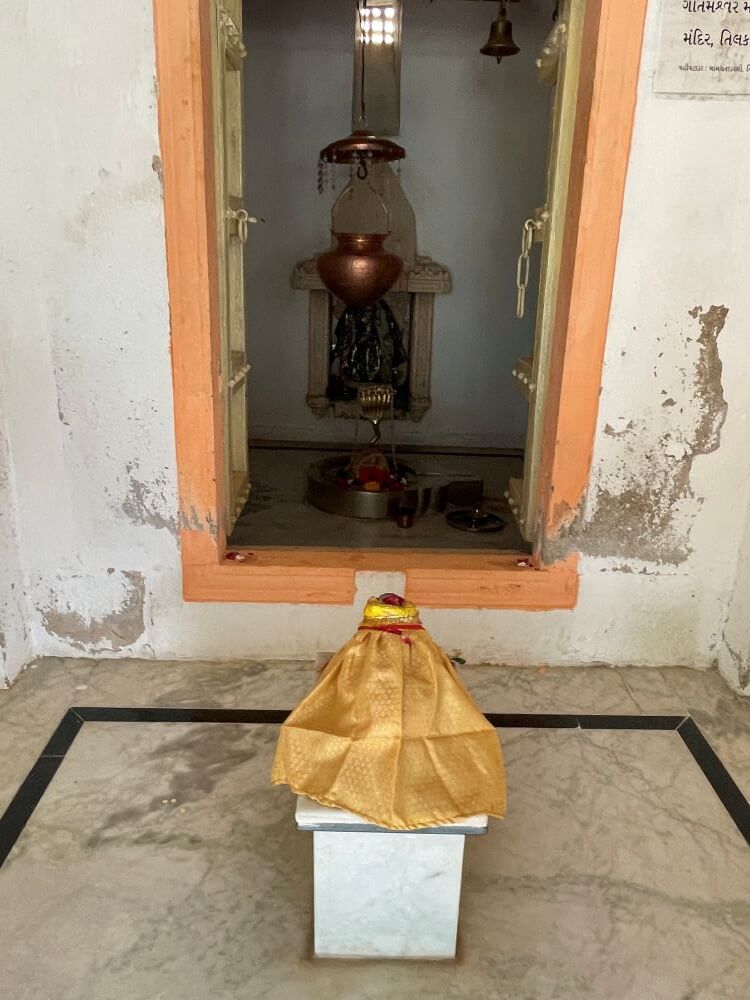 According to Chapter 74 of the Narmada Purana, Sage Gautama installed a Shiva Linga here. In the Satya Yuga, Sage Gautama lived in a forest hermitage with his wife Ahalya, the spiritual daughter (manaskanya) of Brahma. Initially given to Gautama for care, Brahma later gave Ahalya to him in marriage due to his virtue and restraint. However, Lord Indra, who was lustful towards Ahalya, assumed Gautama’s form while Gautama was away and deceived her.
When Gautama returned and discovered the truth, he cursed Indra with a thousand yonis (female marks) on his body and turned Ahalya into stone. Upon her pleas for forgiveness, Gautama told her that in the Treta Yuga, she would be redeemed by the touch of Lord Ram’s foot. Afterward, Gautama left and performed intense penance in the sacred land of Tilakwada to please Lord Shiva. During the same period Ahalya remained a stone, Gautama continued his penance. He eventually consecrated the Gautameshwar Mahadev here.
In the Treta Yuga, while searching for Seeta, Ram and Lakshman came to this place. Ram’s touch redeemed Ahalya, restoring her human form. She then requested Ram to bless her so that her husband would accept her again. Ram advised her to worship Shiva. Ahalya’s devotion pleased Lord Shiva, and she asked for Gautama’s acceptance as a boon.
 Then Brahma, Vishnu, and Mahesh (Shiva) took the forms of the Saptamatrikas—Brahmani, Vaishnavi, Maheshwari, Kaumari, Aindri, Lakshmi, and Varahi—and came to Gautama, advising him to accept Ahalya again. Gautama recognized their divine forms, bowed to them, and agreed. He requested them to reveal their true forms and remain at that place permanently. The goddesses accepted his wish. About 1,500 years ago, self-manifested idols of the Saptamatrikas were found in the Narmada riverbed and were installed near the ancient temple of Gautameshwar Mahadev. This is said to be the only Saptamatrika temple in Gujarat.
Located 60 km from Vadodara, Tilakwada was once a key revenue town under the Baroda State. The village is named after King Tilak, who also performed penance here to please Lord Shiva. The region is also known for its craftsmanship, especially clay pottery and handmade crafts, which are exported to various parts of India and even countries like Afghanistan.
In one peaceful corner of the village lies the Gautameshwar Mahadev and Saptamatrika Temple complex, which has been developed by the ‘Gujarat Pavitra Yatradham Vikas Board’.
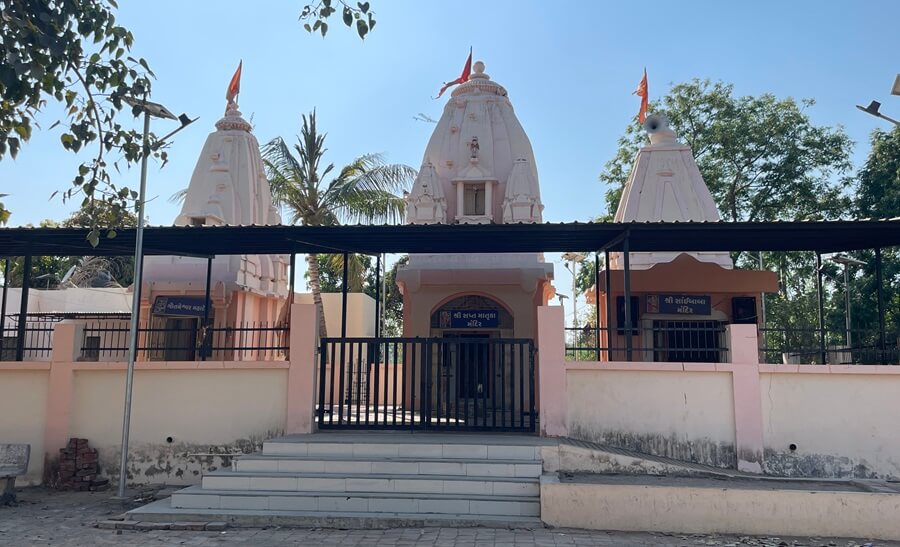
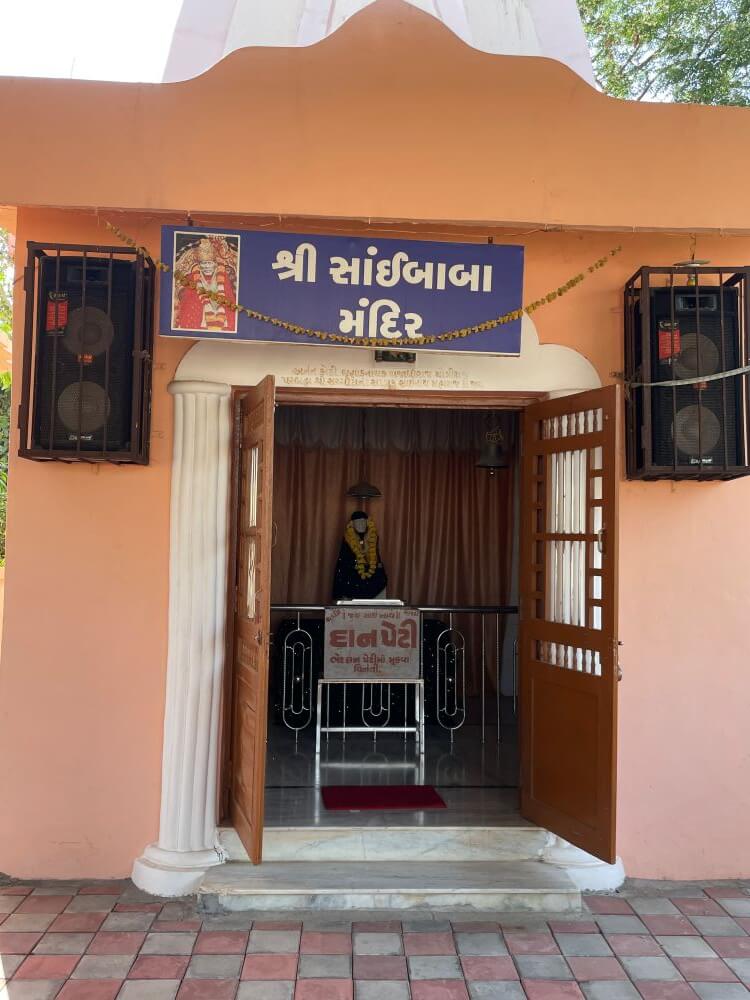
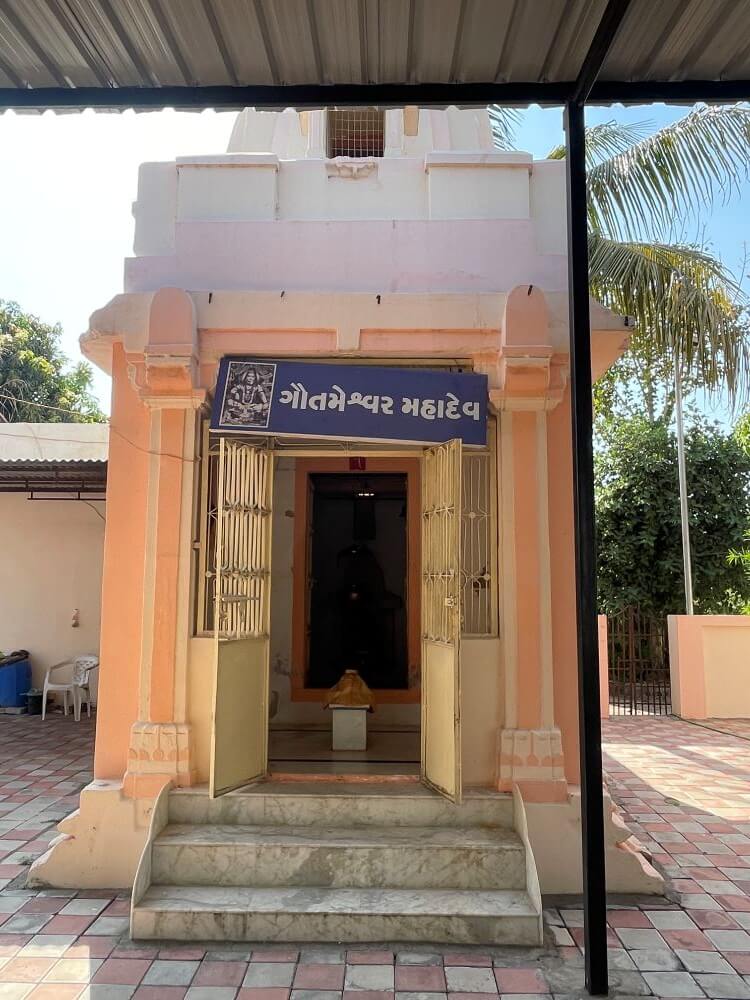
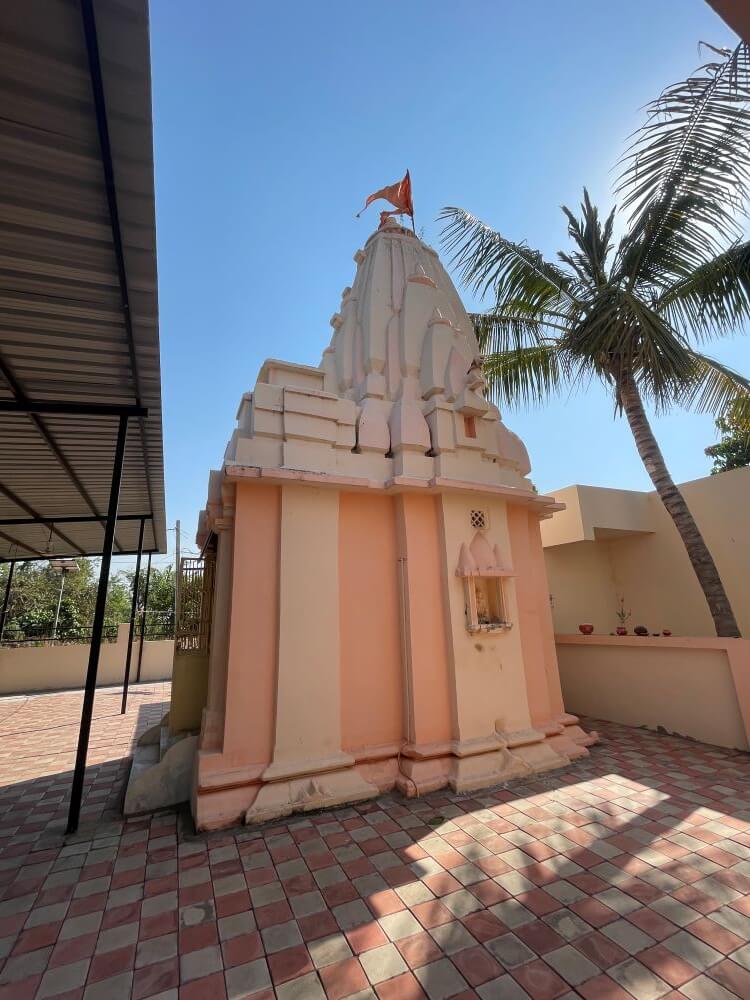
Five steps lead into the temple complex, which is enclosed by a boundary wall and paved with stone tiles. 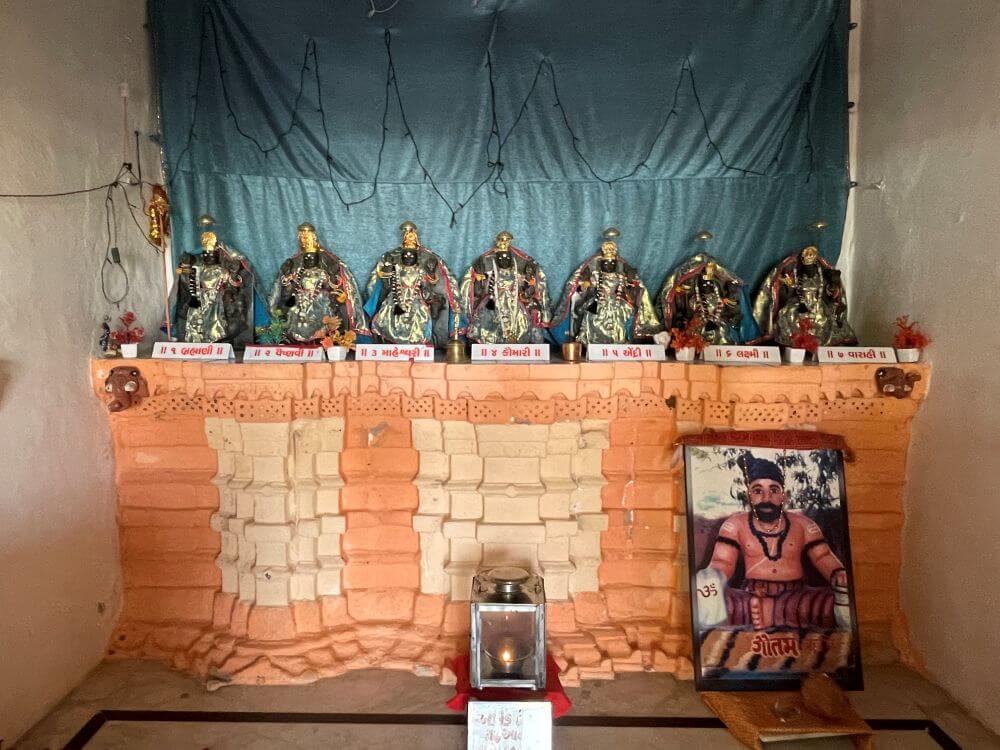 There are three temples within the premises. In the center is the Saptamatrika Temple, to the left of it is the Gautameshwar Mahadev Temple and to the right is the Sai Baba Temple.
A large metal canopy provides shade in front of the temples. All three temples share similar architecture, with the Saptamatrika Temple being the largest. It features a small entrance hall (mukhamandap) and a sanctum (garbhagriha). The temple spires (shikhara) follow the Urushringa style, where miniature spires are carved on the main spire. The central shikhara of the Saptamatrika Temple has two smaller spires on either side and a shrine in between. The top features a wheel-shaped amalaka with a kalasha (finial).
Inside the sanctum, black stone idols of the seven Saptamatrikas stand on a high stone base. Each goddess – Brahmani, Vaishnavi, Maheshwari, Kaumari, Aindri, Lakshmi, and Varahi – is depicted with her traditional vehicle, weapons, and ornaments. A large stone image of Sage Gautama is placed on a platform below this base. An eternal flame burns continuously in the temple, and a large sacrificial altar (homakund) lies in front.
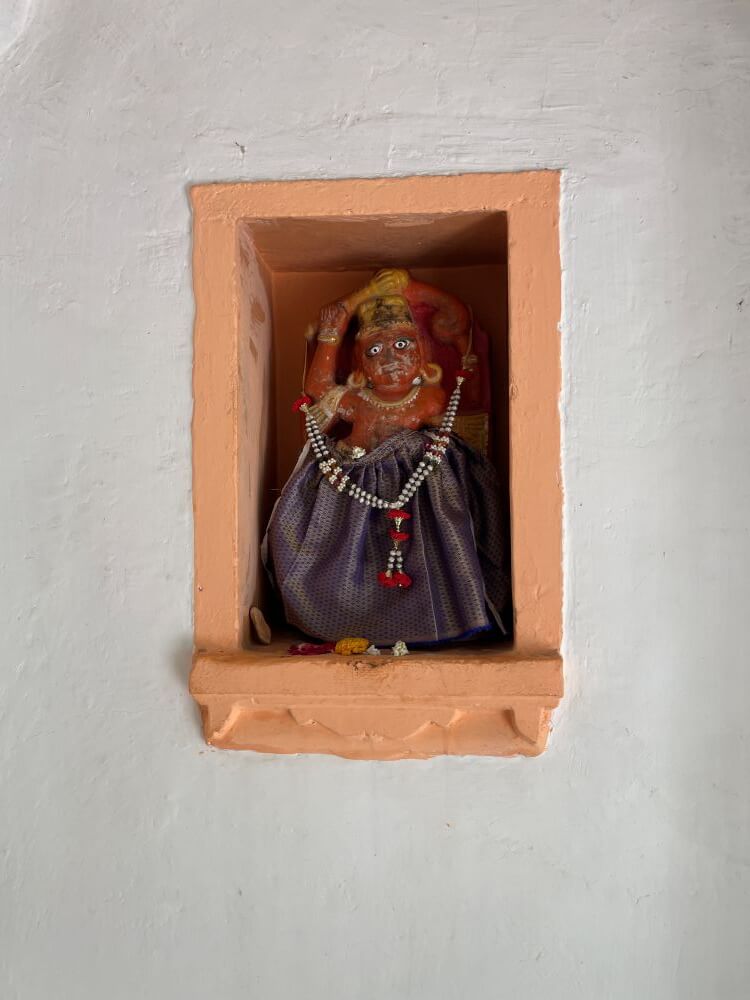
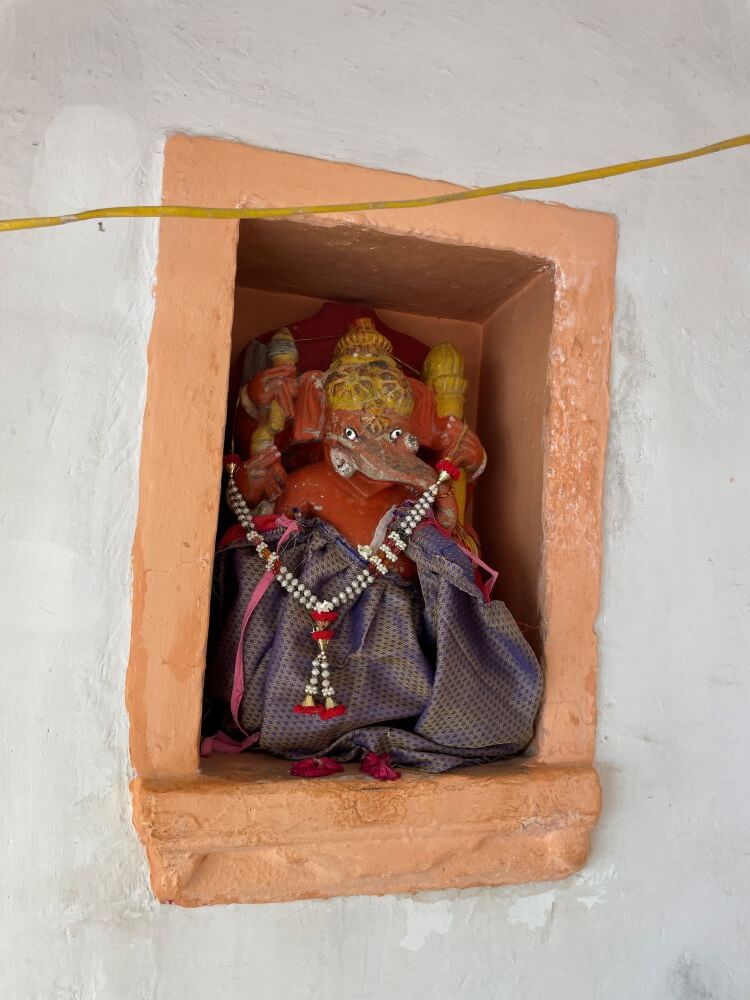
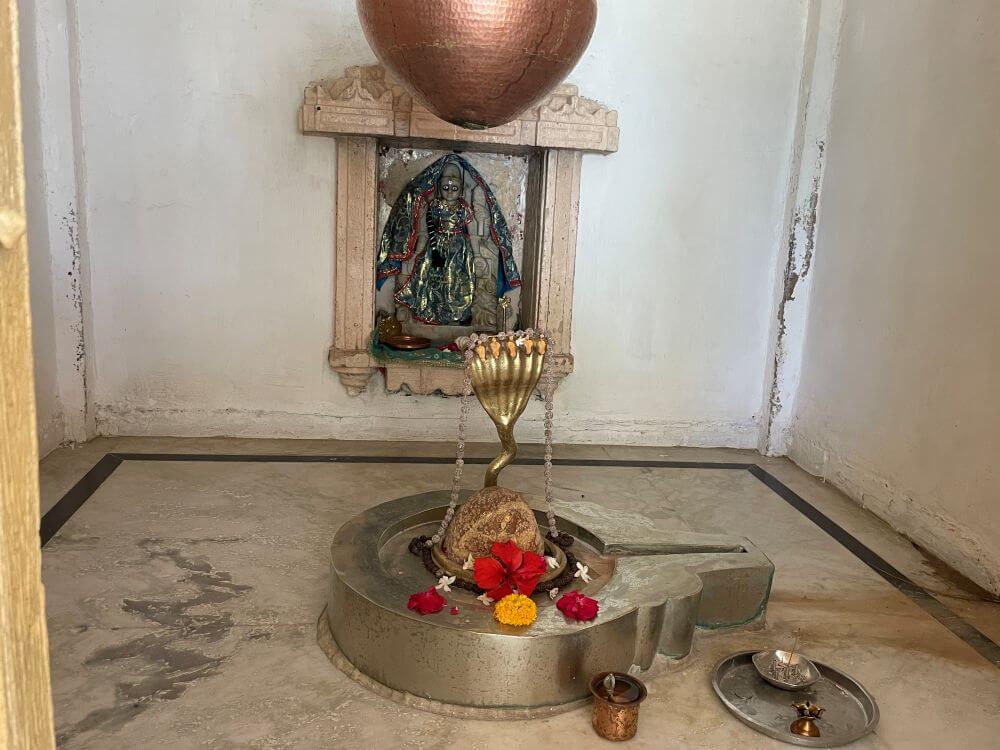
Next to it, the Gautameshwar Mahadev Temple houses a white marble Nandi statue on a pedestal, facing a tortoise, both in the entrance hall. On the left wall is a shrine of Ganesha, and on the right, a shrine of Hanuman, both clothed in garments. The sanctum entrance is simple with a small sculpture of Ganesha above it. In the center is a Shiva Lingam with a metal-clad base, topped by a serpent hood. Above it, an overhead channel continuously performs the abhishek (ritual bath). Behind the Lingam, a beautifully adorned marble idol of Goddess Parvati is enshrined.
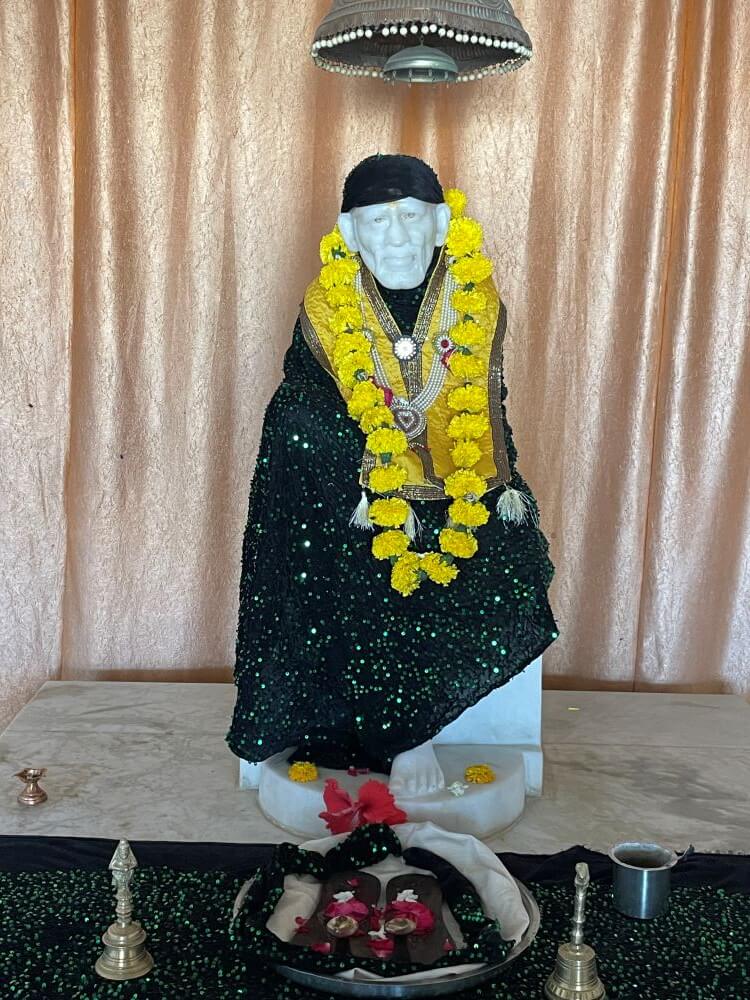
In the right-side temple, a white marble idol of Sai Baba is installed. Residences for priests are located within the temple complex. The Gautameshwar Mahadev and Saptamatrika Temple is an important pilgrimage site for those undertaking the Northward Narmada Parikrama. Thousands of pilgrims and devotees visit the temple every year.