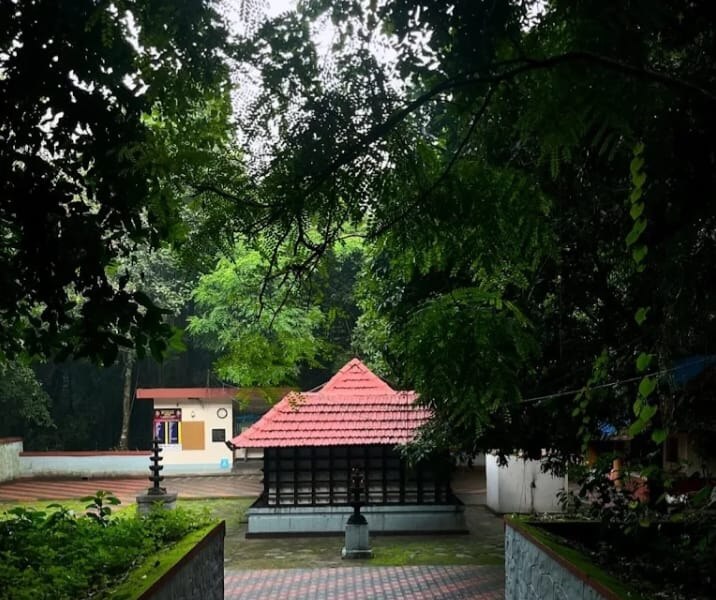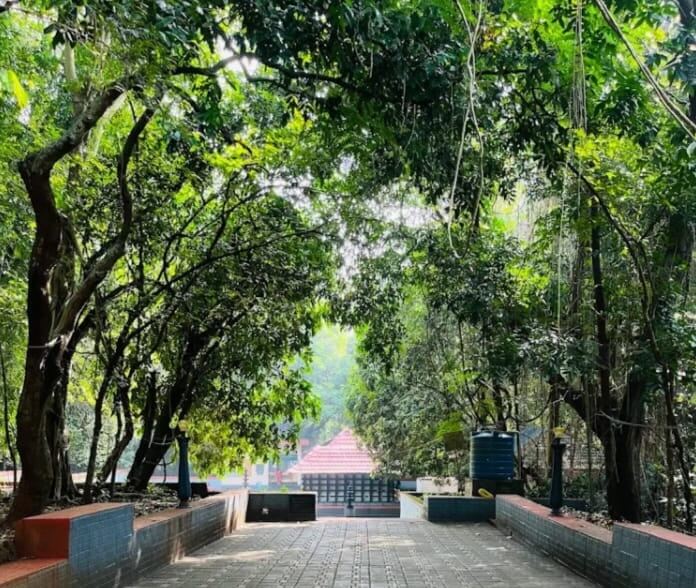
चंदनक्कावू भगवती मंदिर
कुरुंबथूर, जि. मलप्पुरम
Chandanakkavu Bhagavathy Temple
Kurumbathur, Dist. Malappuram
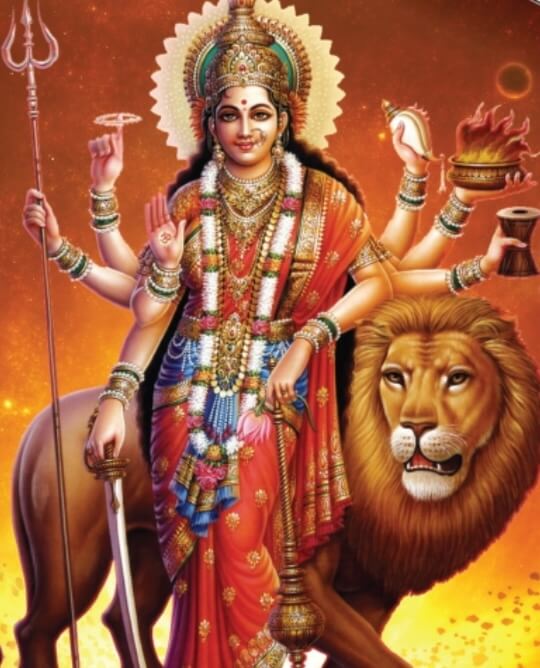 Located in Kurumbathur between Tirunavaya and Puthanathani in Tirur Taluk of Malap-puram district, the famous Chandanakkavu Bhagavathy Temple is a sacred grove shrine nestled amidst lush greenery and natural surroundings. Revered as one of the prominent sacred groves of Malabar, the temple is renowned for its rich traditions, legends, and spiritual significance.
It is believed that the place derived the name “Chandanakkavu” because the area was once filled with sandalwood trees. Spread across nearly ten acres, this sacred grove is dedicated mainly to Goddess Bhadrakali. The temple complex houses eighteen deities and is considered a unique spiritual centre. Devotees believe that along with Bhagavathy, the divine Shaiva-Shakti form known as Avaneeshan also resides on the same pedestal. Chandanakkavu is especially famous as a temple where devotees pray for safe childbirth and maternal well-being. Many married couples visit the shrine during pregnancy, believ-ing that a pregnant woman is a manifestation of the Divine Mother herself. The temple complex is also traditionally associated with the family of the great scholar Melpathur Narayana Bhattathiri, the composer of the sacred Narayaneeyam.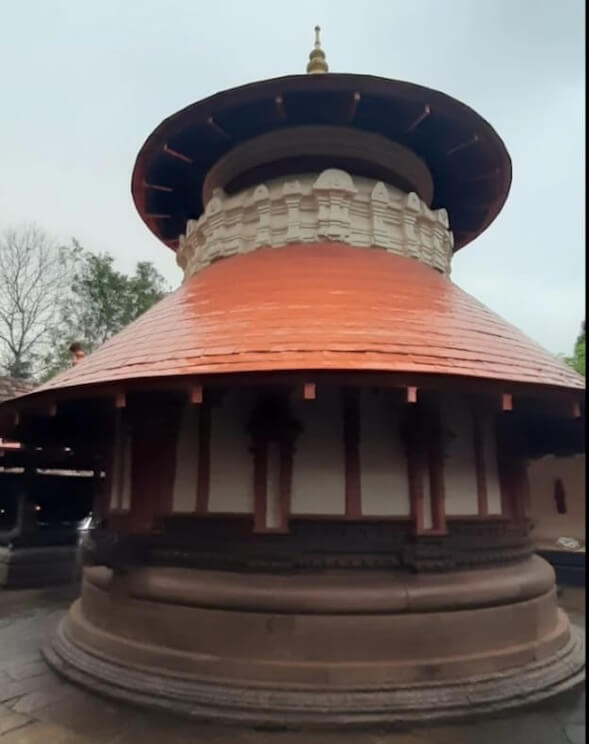
Within the forest-like surroundings of the temple are several important shrines, including Vanasastha with his consort, Vallikkavilamma amidst creeper-covered groves, Ganapathi and Vishnu worshipped by Melpathur Narayana Bhattathiri, Vettakkaran, and the God-dess of Keezhekkavu. Chandanakkavu Bhagavathy Temple is regarded as one of the most ancient sacred groves of Malabar. Traditional beliefs passed down through generations state that the grove and its sub-shrines are more than a thousand years old. Long before it became a major Bhadrakali worship centre, the place was also known as a renowned Vedic learning centre.
The temple is closely linked with the 16th-century scholar and saint Melpathur Narayana Bhattathiri. According to traditional belief, it was Bhattathiri who performed the present main consecration around 450 years ago. However, the site had already existed as a sacred grove and important place of worship long before that period. The temple complex, enriched with shrines dedicated to Vanasastha, Vallikkavilamma, Ganapathi, Vishnu, Vettakkaran, and Keezhekkavilamma, stands today as an important symbol of Malabar’s spiritual and cultural heritage.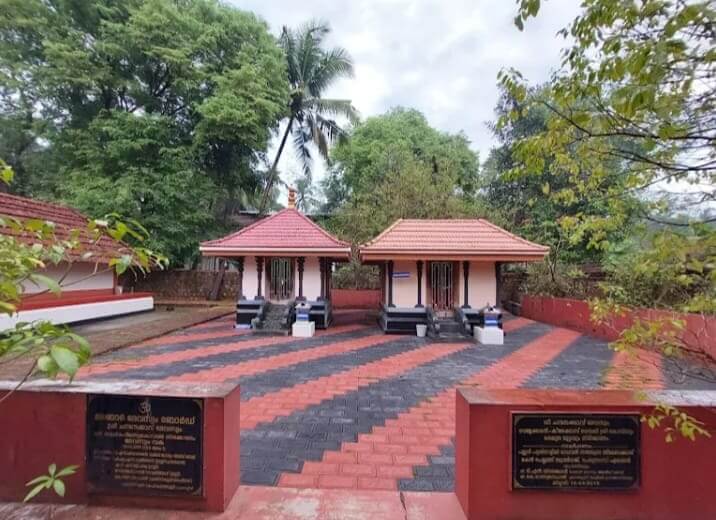
One of the most famous legends associated with the temple is connected to Melpathur Narayana Bhattathiri and the concept of “Eetillathamma.” According to tradition, Chan-danakkavu was the family temple of Bhattathiri. It is believed that he worshiped the Goddess with deep devotion in the “Machil,” the sacred prayer room of his ancestral house. Later, when he was afflicted with severe rheumatism, he decided to travel to Gu-ruvayur to seek relief through devotion to Lord Krishna and compose the Narayaneeyam. Before leaving for Guruvayur, Bhattathiri wished to consecrate his family deity in a sa-cred place worthy of worship. Thus, according to legend, he ceremonially installed the Goddess at the present Chandanakkavu shrine.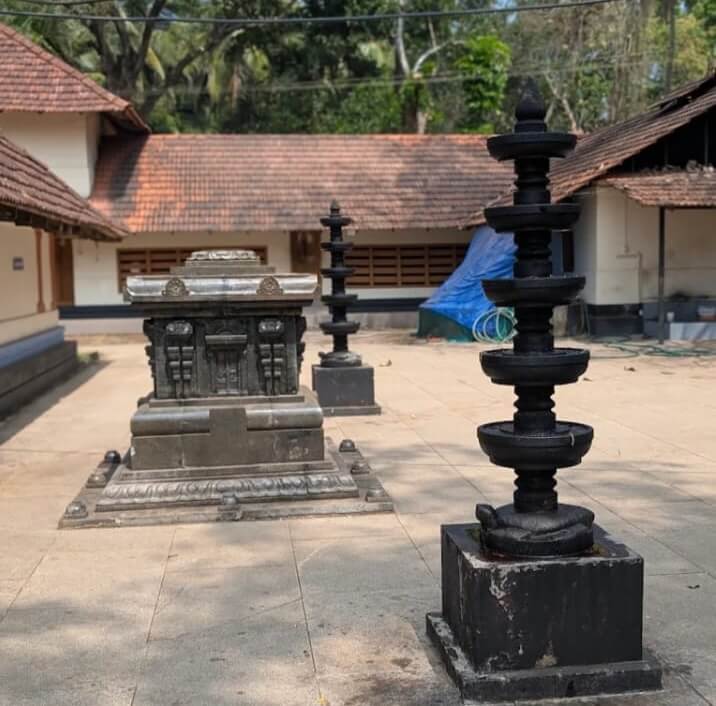
The Goddess of Chandanakkavu is also worshipped as “Eetillathamma,” meaning the Divine Midwife. A popular legend says that long ago, a poor pregnant woman in the area went into labor, but there was no one nearby to assist her. At that moment, an
elderly woman emerged from the forest, safely delivered the baby, and protected both mother and child. After the childbirth, the mysterious woman disappeared. People later realised that it was Bhagavathy herself who had come in the form of a midwife to help the devotee. Because of this belief, even today countless devotees visit the temple seeking blessings for safe childbirth. The ritual known as “Mankalam Kamazhthal,” where clay pots are ceremonially inverted and offered before the Goddess, is especially famous here.
Unlike ordinary temples, Chandanakkavu is known as a vast temple complex. Within a single compound wall stand four major shrines — Melekkavu, Keezhekkavu, the Ganap-athi Temple, and the Vishnu Temple — along with shrines for eighteen deities in total. 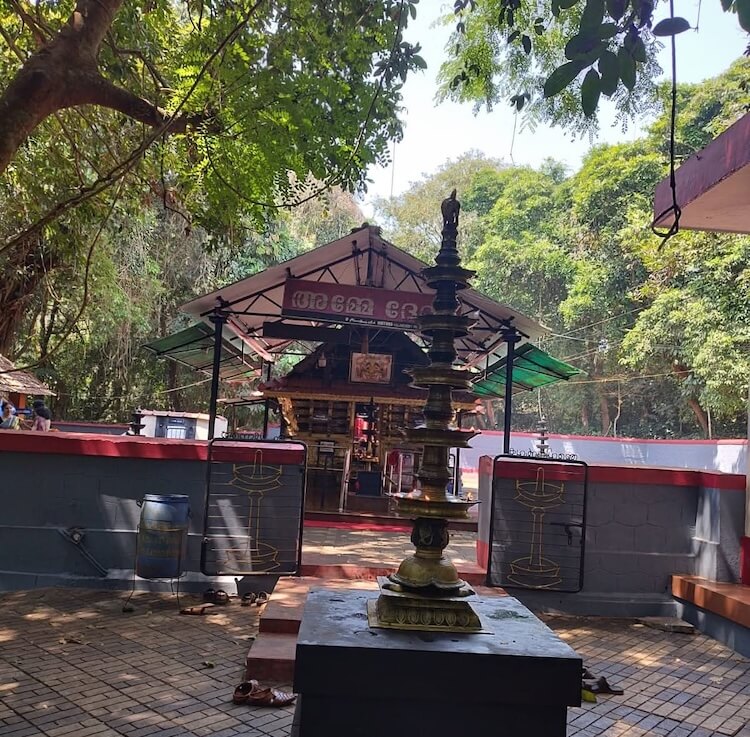 The temple follows the traditional sacred grove style of Kerala architecture, harmoniously blending spirituality with nature. Towering trees, thick creepers, and natural surround-ings create a serene and mystical atmosphere. The Vishnu Temple here is notable for its circular sanctum sanctorum, a rare and beautiful example of Kerala temple architecture. On the walls of this circular shrine are ancient murals believed to have been painted by Melpathur Narayana Bhattathiri himself, depicting Ganapathi and Lord Krishna seated on Garuda. These murals are revered with great devotion by devotees.
The Ganapathi Temple also has remarkable architectural uniqueness. Inside a single sanctum are consecrated five deities together — Brahma, Vishnu, Shiva in the form of a Shiva Lingam, Ganapathi, and Saraswathi represented through a mirror image. A special small window has been constructed for devotees to view Ganapathi and Saraswathi.
Throughout the year, Chandanakkavu celebrates numerous rituals and festivals with great devotion. The most important observance is the consecration day of Chandanakkavil-amma, celebrated on the Uthram star in the Malayalam month of Meenam. This day also marks the beginning of the famous Kalam Pattu rituals of the temple. 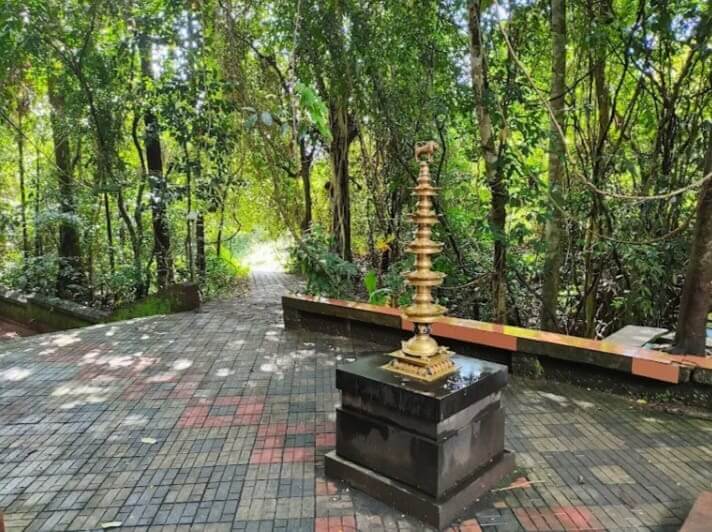 The Kalam Pattu ceremonies continue for more than six months and form one of the temple’s most important ritual traditions. The rituals begin only after ceremonial purification rites and Vellaripooja are conducted at the Melpathur ancestral house. Closely associated with Bhadrakali worship, these rituals are considered spiritually significant.
The renowned Thalappoli festival is celebrated during the concluding days of Kalam Pattu. Festivities begin with ceremonial temple drums and sacred sounds. On the fes-tival day, the ritual known as “Eruthukottu” takes place at dawn. In the evening, the temple comes alive with oracle processions, Poothan Kali performances, traditional ritual processions, and Thidambu processions. The ceremonies conclude at dawn the following day with the ritual ending known as “Kurava.”
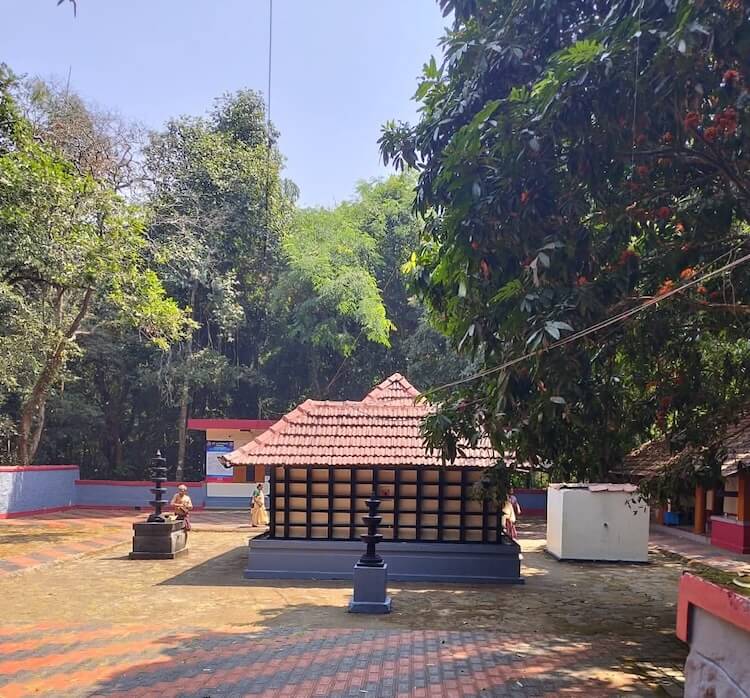 Special consecration days are also celebrated for the sub-deities. The Ganapathi Temple celebrates its consecration day on the Atham star in the Malayalam month of Edavam, while the Ayyappa Temple celebrates it on the Thiruvonam star of the same month. Shrines dedicated to Subrahmanya, Keezhekkavilamma, and Vettakkorumakan observe their consecration day on the Chithira star in the month of Medam. During the Malay-alam month of Karkidakam, special rituals such as Maha Ganapathi Homam and Lak-sharchana are conducted. Many devotees visit the sacred grove during this spiritually significant month to participate in prayers amidst the serene natural surroundings.
Navaratri is another major celebration at the temple. During the final days of the festival, Vidyarambham, the traditional initiation into learning for children, is conducted with great devotion. Families bring their children seeking the blessings of the Goddess of
wisdom and divine power.
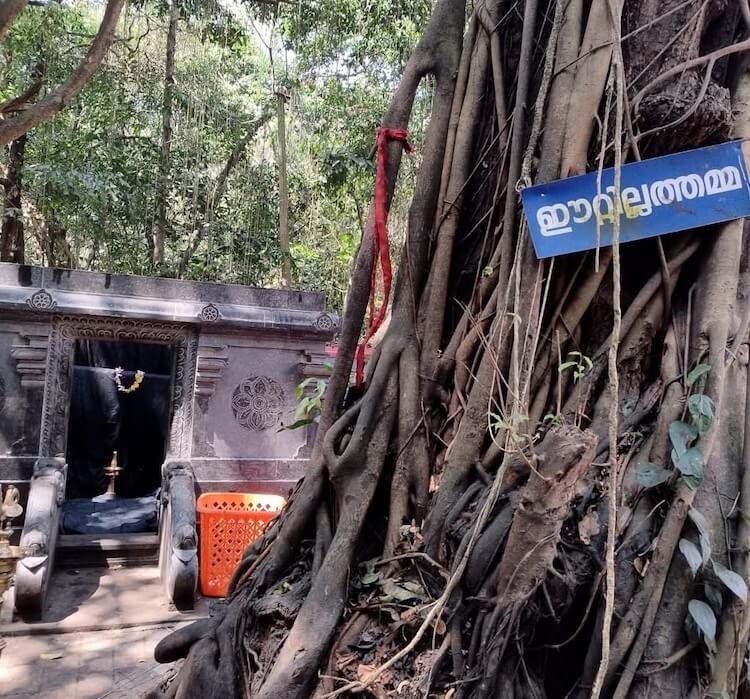 The temple is also known for its many offerings and devotional rituals. The most fa-mous among them is “Mankalam Kamazhthal,” performed by pregnant women before the eighth month of pregnancy for safe delivery and the well-being of both mother and child. Hundreds of inverted clay pots seen around the temple symbolize the faith of devotees. Another important offering is the dedication of miniature cradles by devotees praying for childbirth and the welfare of children. Kalam Pattu itself is considered one of the most sacred offerings to the Goddess. “Chantham Charthal,” where the deity is beautifully adorned with sandal paste and ornaments, is another important ritual. Of-ferings such as Raktha Pushpanjali, Kadumpayasam, and silk cloth dedication are also popular.
Special offerings are made to the sub-deities as well. In the Ganapathi Temple, Maha Ganapathi Homam, Appa Nivedyam, and Karuka Homam are significant rituals. 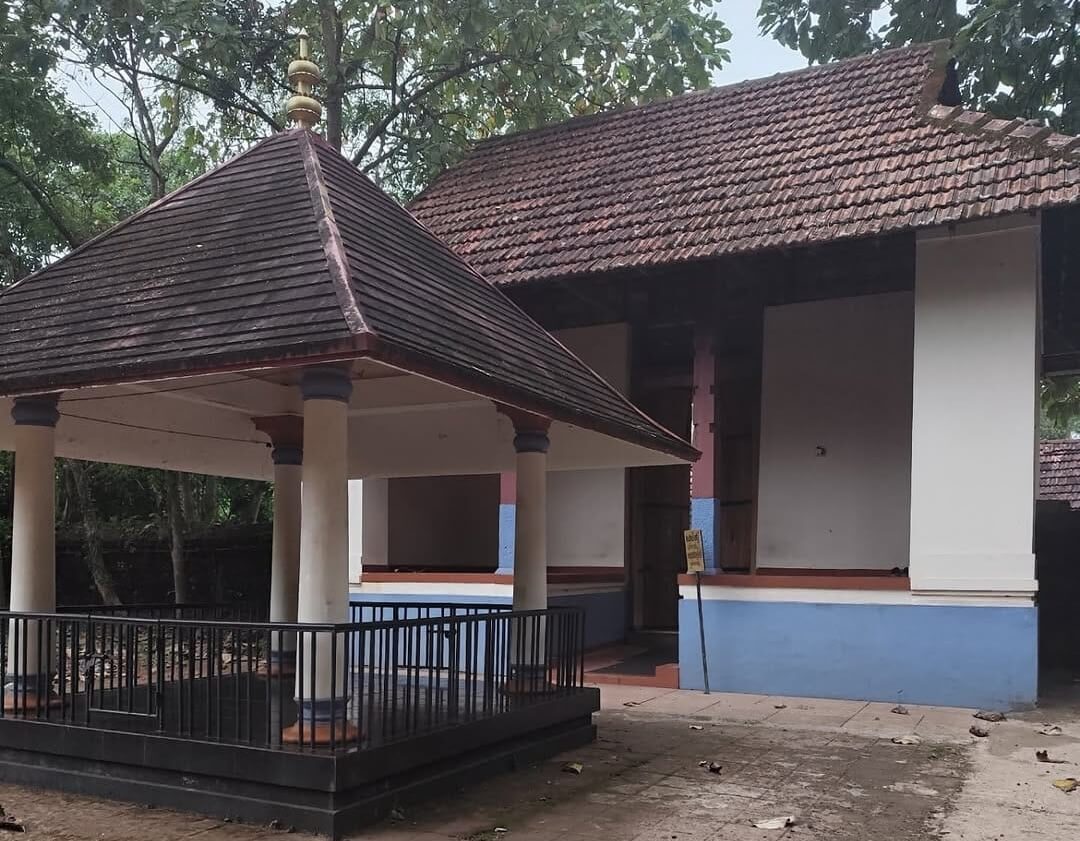 Devo-tees offer Palpayasam and Purusha Sukta Pushpanjali to Lord Vishnu in the circular sanc-tum. Offerings like Neyvilakku lighting and Ellu Payasam are important for Vanasastha (Ayyappa).
The temple follows traditional Tantric rituals and daily worship schedules. The tem-ple opens at around 5:00 AM with Nirmalya Darshanam and early morning rituals. Ushapooja is performed before sunrise, followed by Ethirthu Pooja and Pantheeradi Pooja around 8:00 AM. The main noon worship and offerings take place around 10:30 AM, after which the temple closes at approximately 11:00 AM. Most prayers and rituals related to safe childbirth are usually conducted during the morning hours.
The temple reopens at 5:00 PM for evening worship. Deeparadhana, the evening lamp worship performed around sunset, is considered especially sacred. Athazha Pooja with night offerings is conducted before the temple closes around 7:00 PM. During special occasions such as the Thalappoli festival, Kalam Pattu season, and Karkidakam rituals, the timings and ceremonies may vary, and the temple witnesses a large gathering of devotees.
Key highlight
- Located 5 km away from Tirunavaya town and 12 km away from Tirur town.
- 7 km away from Tirunavaya railway station and 12 km away from Tirur railway station.
- Spacious parking facilities are available for devotees.
- Accommodation and food facilities are available in nearby towns.
- Contact number 07947111593