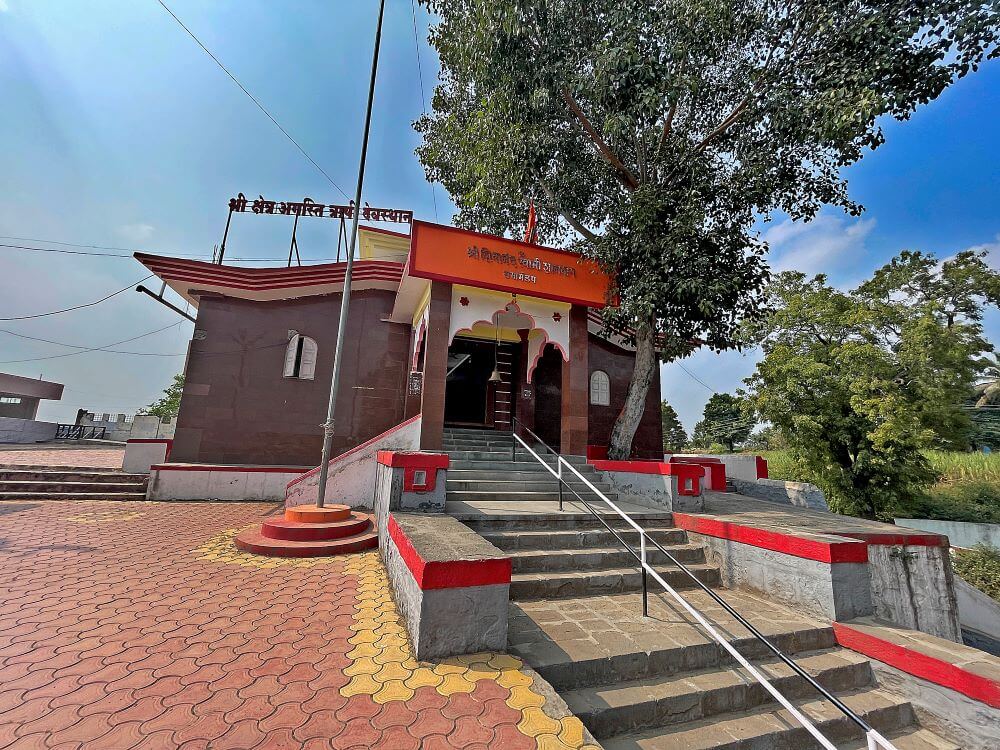
“It is said that Agasti Rishi, the foremost among the Saptarishis (Seven Sages) of the Ramayana era, resided and performed penance in many places across India.” Consequently, there are numerous temples dedicated to him throughout the country. In Maharashtra, his temples are found in Nashik, Ahilyanagar, and Nagpur. Among these, the Agasti Devasthan situated on the banks of the Pravara River in Akole, Ahilyanagar district, is renowned. It is believed that Agasti Rishi established the first human settlement in this part of Dandakaranya. After the victory over Lanka, as Shri Rama, Lakshmana, and Sita were returning to Ayodhya in the Pushpak Vimana, their celestial aircraft descended here for a darshan (sacred viewing) of Agasti Rishi.
According to the Skanda Purana, Agasti Rishi, honoring the request of the deities, came to Dandakaranya from Kashi. During his time in Dandakaranya, he resided in Nashik and Ahilyanagar. In the Treta Yuga, during their period of exile (Vanavasa), Shri Rama, Lakshmana, and Sita visited Agasti Rishi. At that time, Agasti Rishi resided at the present-day Ankai Fort in Yeola, Nashik district. Shri Rama stayed there for one day. It was then that Agasti Rishi imparted special initiation to Shri Rama and advised him to put an end to the atrocities committed by Ravana, the lord of Lanka, on this land. For this purpose, he bestowed upon Shri Rama divine weapons and a quiver of inexhaustible arrows. It is also said that after Sita’s abduction, Lord Mahadeva himself, along with Sati, resided here for four months to listen to the Ramayana from Agasti Rishi.
After his stay in Nashik, Agasti Rishi came to reside on the banks of the Pravara River, on the outskirts of the present-day Akole town. Here, he built an ashram and established the first settlement in Dandakaranya in this region. From ancient times, this area has been known as the Tapobhoomi (land of penance) of Agasti Rishi. This temple is very ancient, and it is believed that its construction might have taken place in the Treta Yuga. After periodic renovations, this sacred shrine has attained its present form.
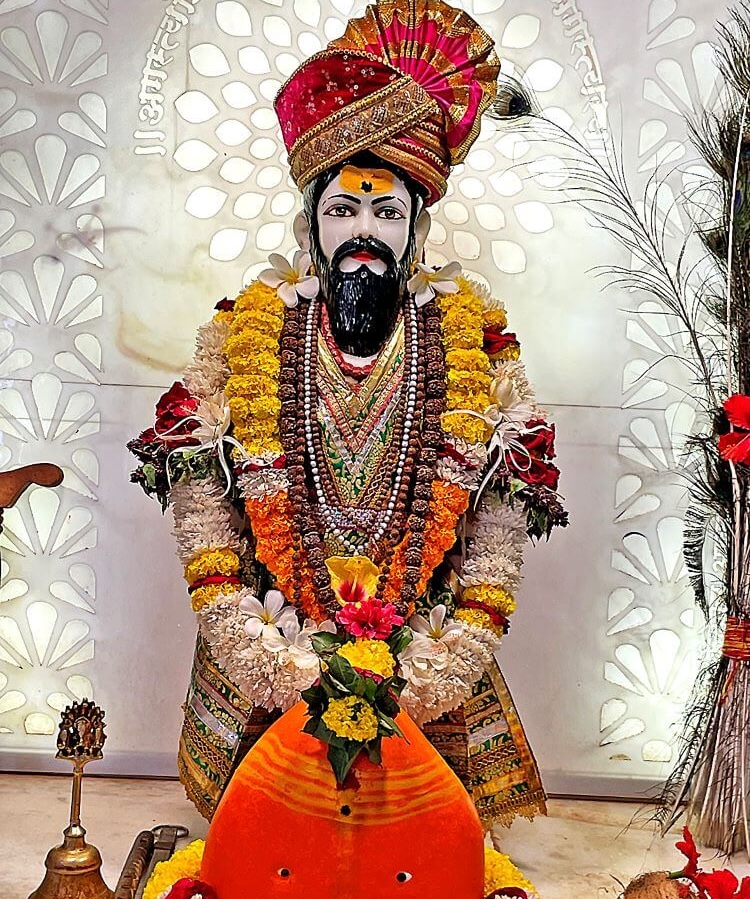
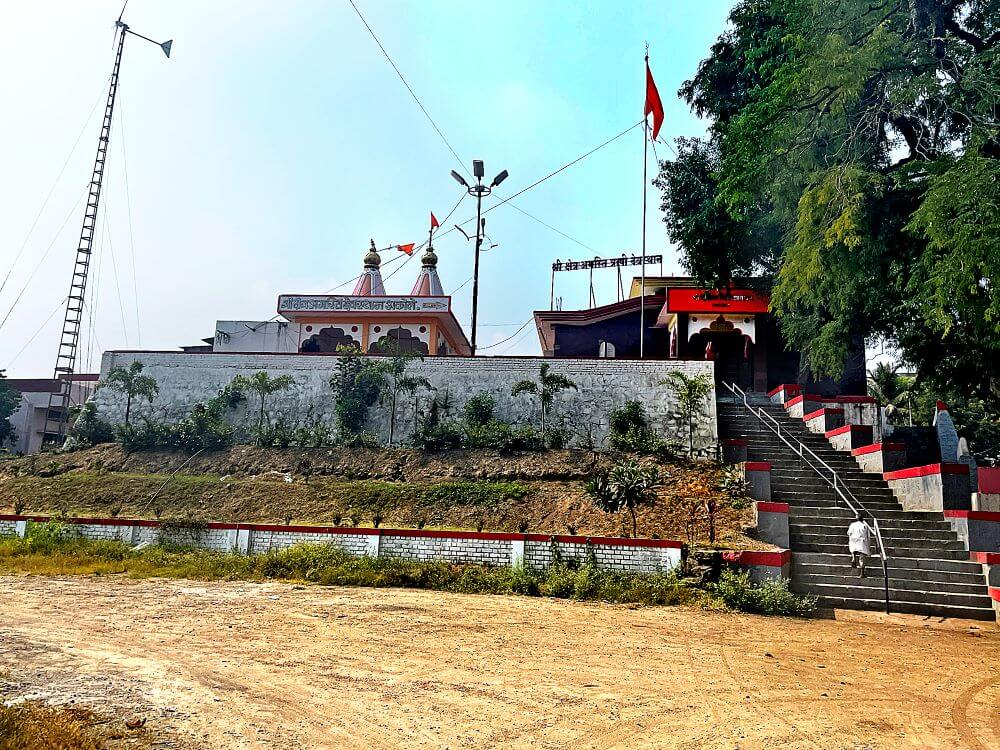
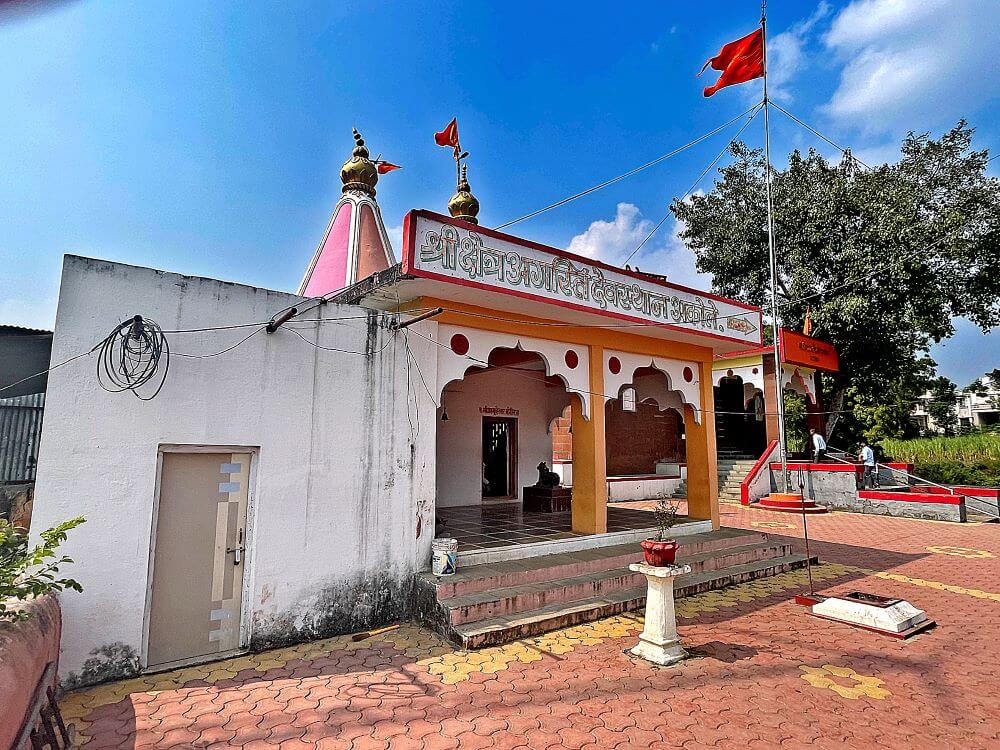
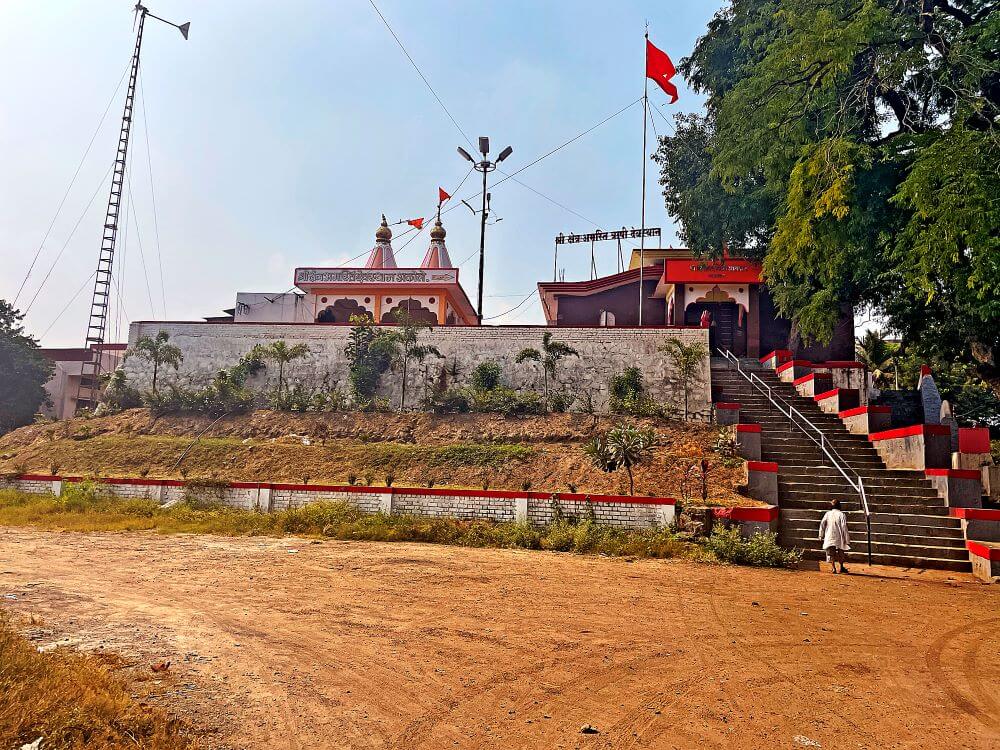
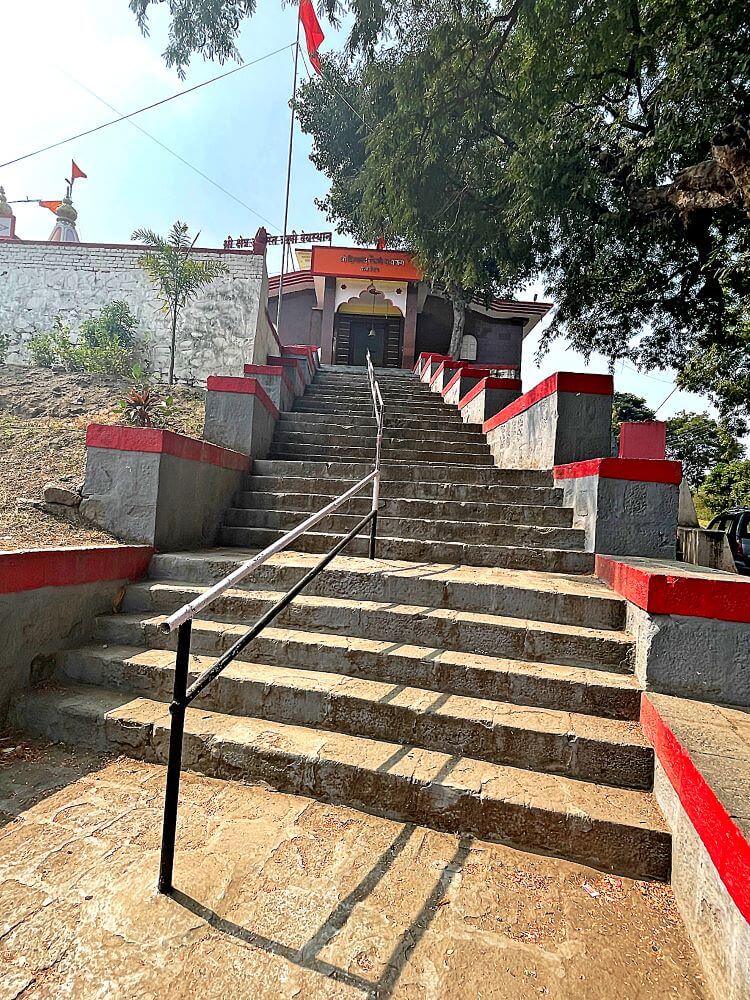
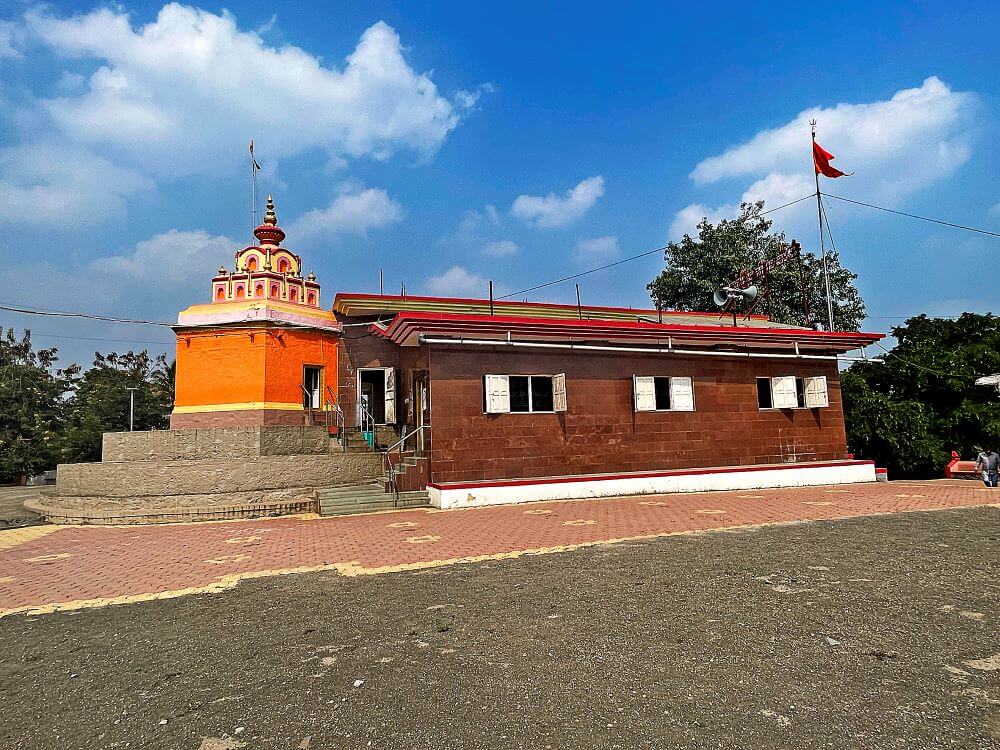
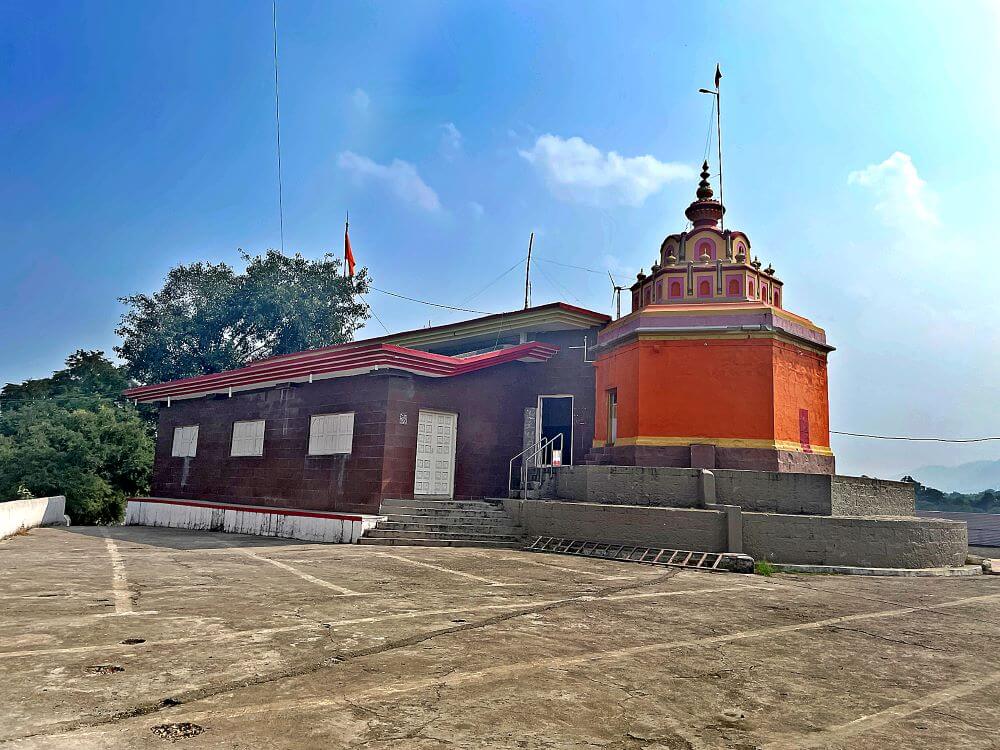
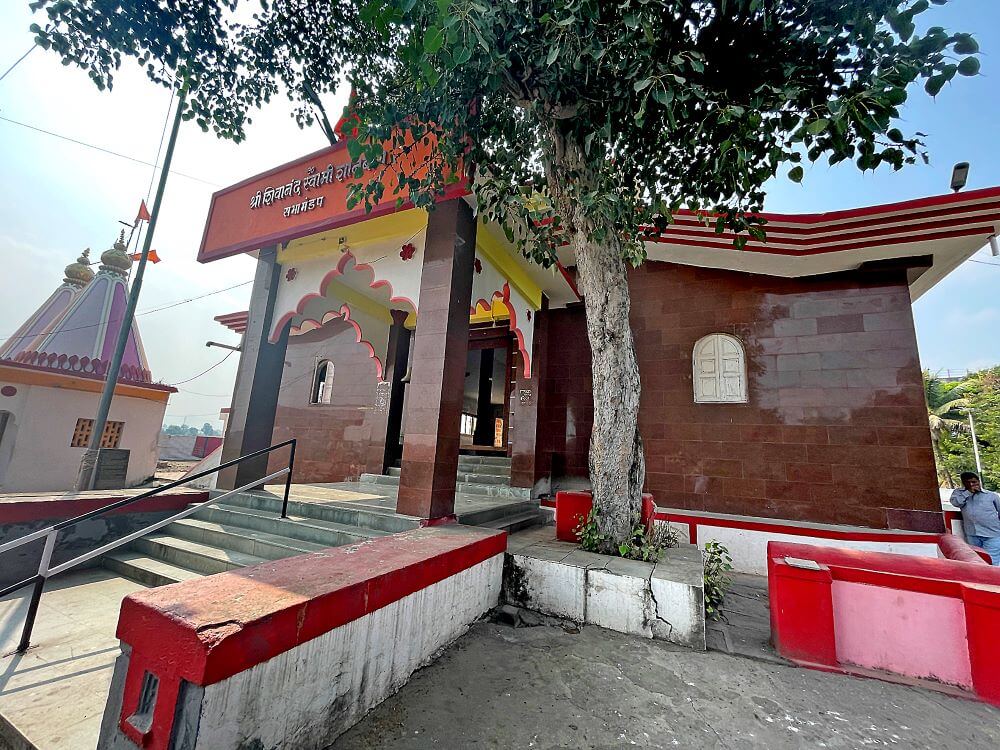
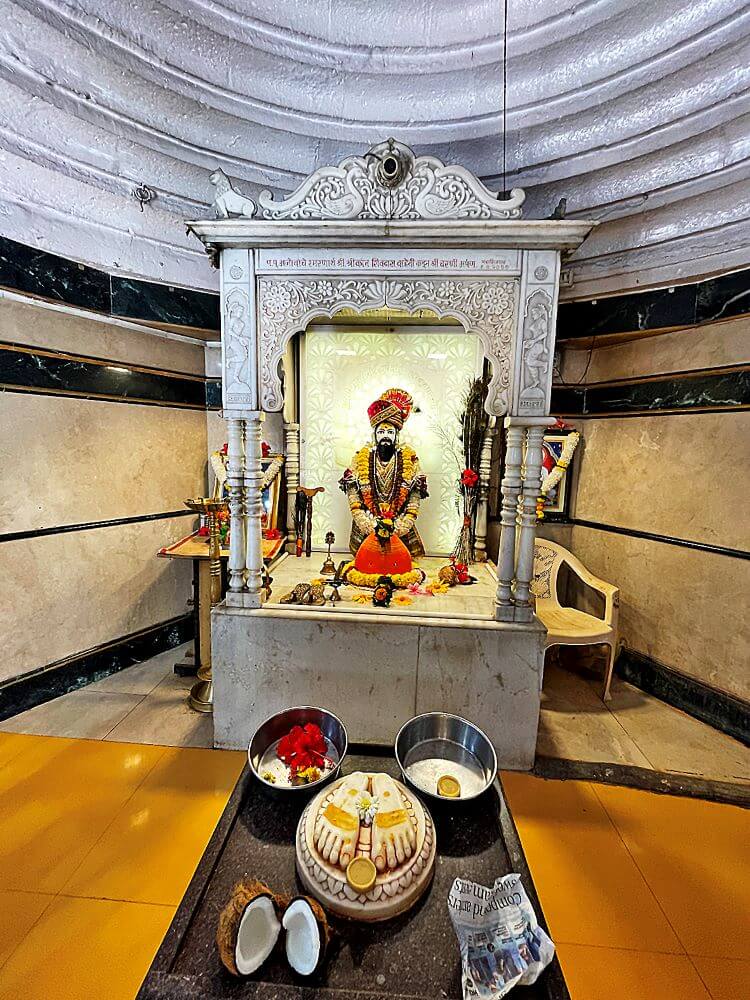
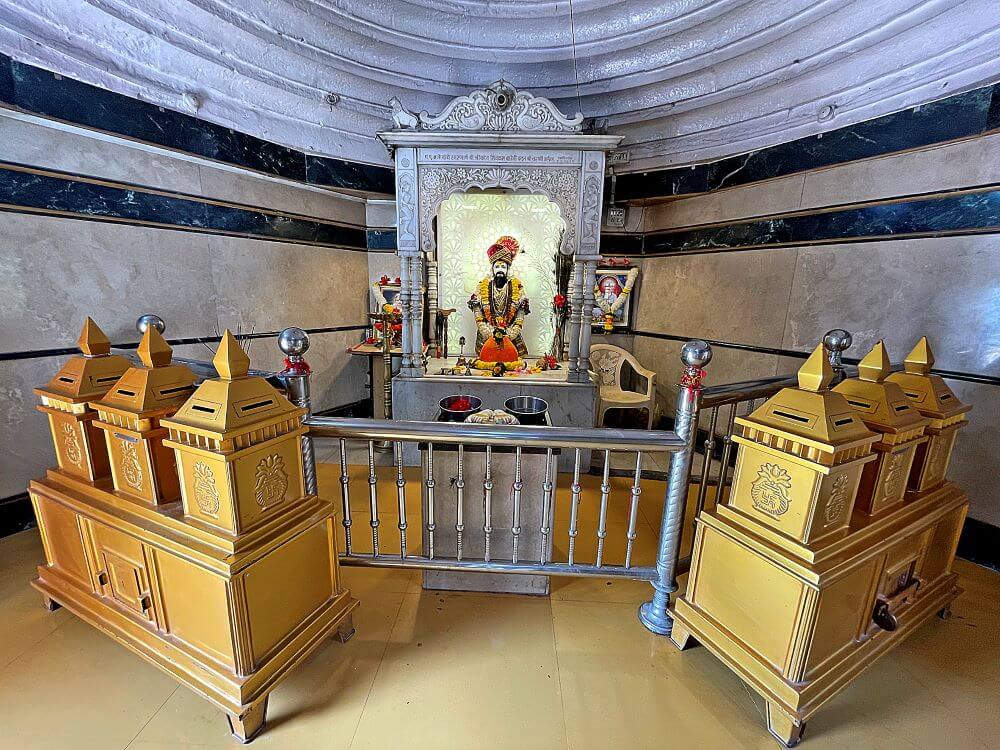
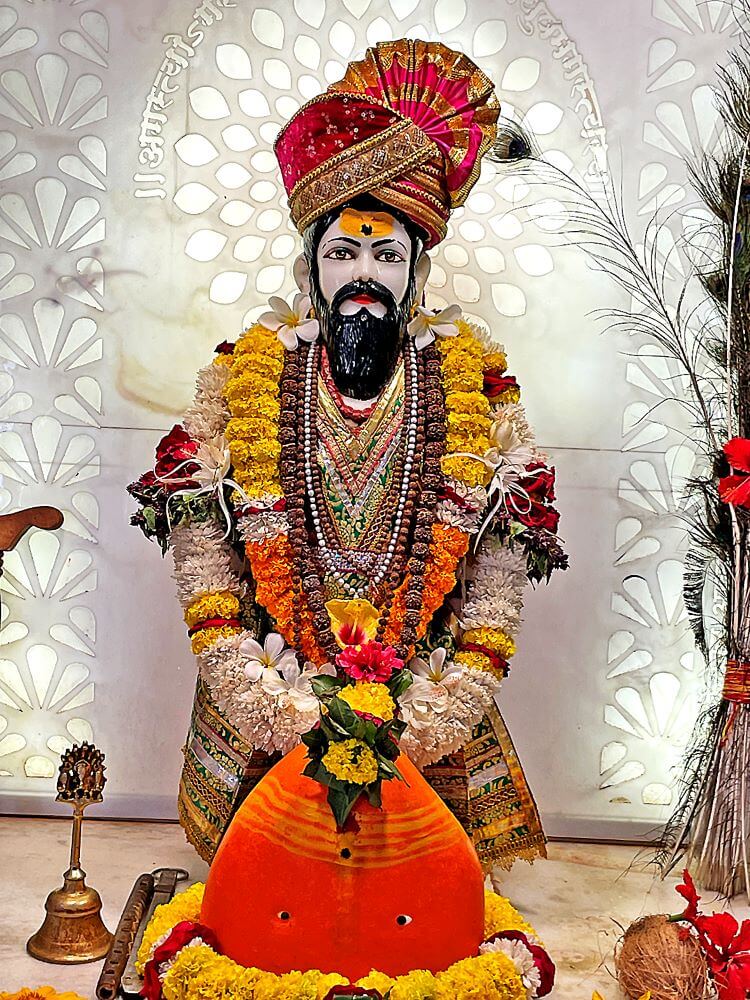
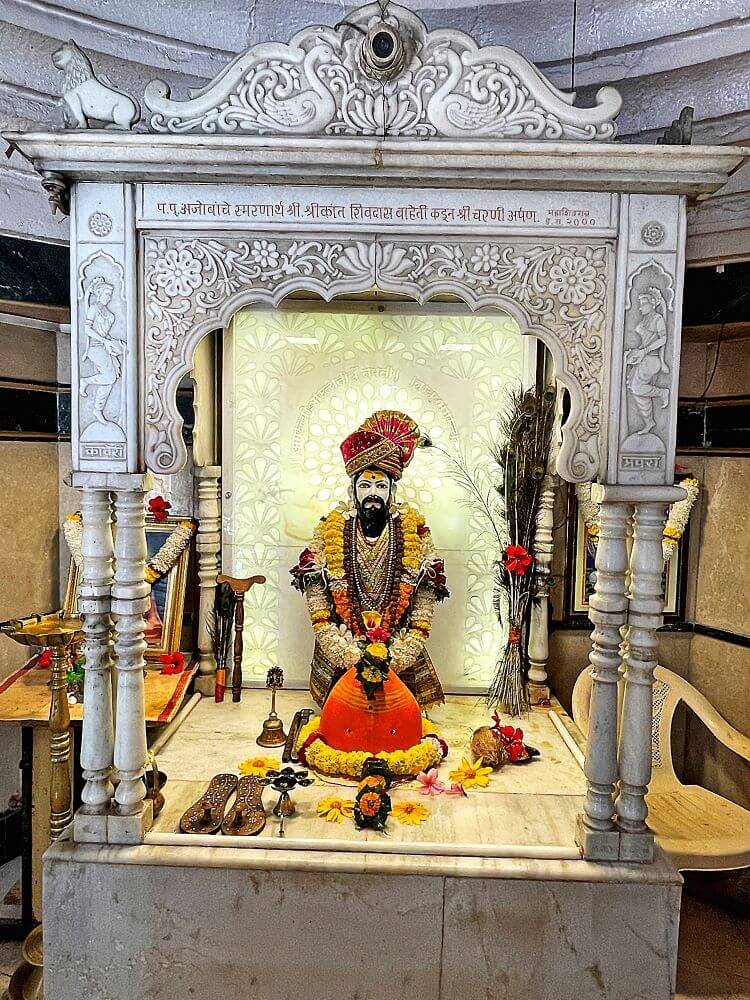
This temple, located on the outskirts of Akole town, is situated on a slight elevation. The temple is surrounded by a fortified wall, and after ascending approximately 25 to 30 steps, one enters the Darshan Mandap (viewing hall) of the temple. Beyond this is a spacious Sabhamandap (assembly hall), on the walls of which descriptions of Agasti Rishi from the Skanda Purana are displayed in the form of pictures and information. The Darshan Mandap and Sabhamandap were constructed in later periods. The original temple is situated about five feet higher than this Sabhamandap. Another five feet above this is the Garbhagriha (sanctum sanctorum), which houses a marble idol of Agasti Rishi within a distinctive makhar (ornate frame). Daily, this idol is adorned with specific types of garments, rudraksha malas around its neck, and a turban on its head, making the idol appear serene and radiant. In front of the idol are the sacred Padukas (footprints) of Agasti Rishi. As devotees are not permitted to approach the idol, they take darshan of these Padukas.
The temple courtyard is paved throughout, and the lush greenery of the trees makes the area appear picturesque and natural. Near the temple entrance, the trunk of a tree has naturally taken the shape of a Ganesha idol. Adjacent to the temple are other shrines dedicated to Vitthal-Rukmini, Gorobakaka, and Amriteshwar. There are two sacred ponds (kunds) in this vicinity. It is a popular legend that the northern pond was created by Shri Rama with an arrow. This pond is renowned as Iravati Teerth. (In Sanskrit, ‘Ira’ means water, and ‘Iravati’ signifies a place with abundant water.) Devotees believe that bathing in this pond bestows spiritual merit (punya). A spring that joins the Pravara River near the temple is known as Karpurnirjhar. The water from this spring has a faint camphor-like fragrance. It is said that Devi Sita bathed in this spring.
A grand Yatra (pilgrimage fair) is held here on the day of Mahashivaratri, attracting thousands of devotees from the surrounding areas for darshan. Additionally, festivals such as Shri Rama Janmotsav, Hanuman Jayanti, Tukaram Beej, Ashadhi Ekadashi, and Guru Purnima are celebrated here with great fervor. Hundreds of devotees undertake foot pilgrimages (palkhi yatras) from Agasti Devasthan, accompanying the palanquins bound for Pandharpur, Alandi, and Trimbakeshwar.
Useful Information:
2 km from Akole Bus Stand
120 km from Ahilyanagar
MSRTC (State Transport) bus service available to Akole from Pune, Ahilyanagar, Aurangabad
Private vehicles can reach the temple parking area.
अगस्ती ऋषि मंदिर
अकोले, तह. अकोले, जि. अहिल्यानगर
रामायण काल के सप्तऋषियों में से एक प्रमुख ऋषि अगस्ती थे। उन्होंने भारत के कई स्थानों पर निवास कर तपस्या की थी। इस कारण देश में उनके अनेक मंदिर हैं। महाराष्ट्र के नासिक, अहिल्यानगर और नागपुर में उनके मंदिर स्थित हैं। इनमें अहिल्यानगर जिले के अकोले में प्रवरा नदी के तट पर स्थित अगस्ती देवस्थान अत्यंत प्रसिद्ध है। कहा जाता है कि ऋषि अगस्ती ने दंडकारण्य के इस क्षेत्र में पहली बार मानव बस्ती बसाई थी। लंका विजय के पश्चात श्रीराम, लक्ष्मण और माता सीता पुष्पक विमान से अयोध्या लौट रहे थे। उस समय वे ऋषि अगस्ती के दर्शन के लिए यहाँ उतरे थे।
स्कंद पुराण के अनुसार, देवताओं ने ऋषि अगस्ती से प्रार्थना की थी। उनकी विनती मानकर वे काशी से दंडकारण्य आए। दंडकारण्य में निवास के दौरान वे नासिक और अहिल्यानगर क्षेत्रों में रहे। त्रेतायुग में श्रीराम, लक्ष्मण और सीता वनवास के समय ऋषि अगस्ती से मिलने गए थे। उस समय ऋषि अगस्ती का निवास नासिक जिले के येवला में स्थित वर्तमान अनकाई किले पर था। श्रीराम ने वहाँ एक दिन बिताया था। उस समय ऋषि अगस्ती ने श्रीराम को विशेष दीक्षा दी। उन्होंने लंकापति रावण द्वारा इस भूमि पर किए जा रहे अत्याचारों को समाप्त करने का सुझाव दिया। इसके लिए उन्होंने श्रीराम को दिव्य शस्त्रों के साथ अक्षय बाणों का भंडार प्रदान किया था। माता सीता के अपहरण के पश्चात स्वयं महादेव ने भी माता सती के साथ यहाँ चार महीने निवास किया था। वे यहाँ ऋषि अगस्ती से रामायण सुनने आए थे।
नासिक में निवास करने के पश्चात ऋषि अगस्ती वर्तमान अकोले शहर की सीमा पर आए। वे यहाँ प्रवरा नदी के किनारे रहने लगे। उन्होंने यहाँ अपना आश्रम बनाया। उन्होंने दंडकारण्य की पहली बस्ती इसी क्षेत्र में स्थापित की थी। प्राचीन काल से ही यह क्षेत्र ऋषि अगस्ती की तपोभूमि के रूप में विख्यात है। यह मंदिर अत्यंत प्राचीन है। कहा जाता है कि इसका निर्माण त्रेतायुग में हुआ था। समय-समय पर हुए जीर्णोद्धार के पश्चात इस देवस्थान को वर्तमान स्वरूप प्राप्त हुआ है।
अकोले शहर की सीमा पर स्थित यह मंदिर कुछ ऊँचाई पर बना है। मंदिर के चारों ओर एक सुरक्षा दीवार है। लगभग 25 से 30 सीढ़ियाँ चढ़ने के बाद दर्शनमंडप में प्रवेश होता है। वहाँ से आगे एक विशाल सभामंडप है। इसकी दीवारों पर स्कंद पुराण में वर्णित ऋषि अगस्ती के चित्रों और जानकारी को प्रदर्शित किया गया है। दर्शनमंडप और सभामंडप का निर्माण बाद के काल में किया गया है। इस सभामंडप से लगभग पाँच फुट की ऊँचाई पर मूल मंदिर स्थित है। यहाँ से पाँच फुट और ऊँचाई पर गर्भगृह है। गर्भगृह में ऋषि अगस्ती की संगमरमर के पाषाण की मूर्ति स्थापित है। इस मूर्ति को प्रतिदिन विशेष वस्त्र पहनाए जाते हैं। उनके गले में रुद्राक्ष की माला और सिर पर साफा पहनाया जाता है। इससे मूर्ति का स्वरूप अत्यंत तेजस्वी और प्रसन्न दिखाई देता है। मूर्ति के सम्मुख ऋषि अगस्ती की चरण-पादुकाएँ हैं। श्रद्धालुओं को मूर्ति के समीप जाने की अनुमति नहीं है। इसलिए वे इन पादुकाओं के दर्शन करते हैं।
मंदिर के प्रांगण में चारों ओर पत्थरों का फर्श बिछाया गया है। वृक्षों की अधिकता के कारण यह क्षेत्र प्राकृतिक रूप से अत्यंत रमणीय लगता है। मंदिर के प्रवेश द्वार के पास एक वृक्ष के तने पर गणपति की मूर्ति जैसा आकार उभरा हुआ है। मंदिर के समीप विठ्ठल-रुक्मिणी, गोरोबाकाका और अमृतेश्वर जैसे अन्य मंदिर भी स्थित हैं। इस क्षेत्र में दो कुंड बने हैं। ऐसी कथा है कि इनमें से उत्तरी कुंड का निर्माण श्रीराम ने बाण मारकर किया था। यह कुंड इरावती तीर्थ के नाम से प्रसिद्ध है। संस्कृत में ‘इरा’ का अर्थ जल होता है। इरावती का अर्थ प्रचुर जल वाला स्थान है। श्रद्धालुओं की ऐसी अटूट श्रद्धा है कि इस कुंड में स्नान करने से पुण्य प्राप्त होता है। मंदिर के पास प्रवरा नदी में मिलने वाले एक झरने को कर्पुरनिर्झर कहा जाता है। इस जल में कपूर की हल्की सुगंध आती है। माना जाता है कि इस झरने में माता सीता ने स्नान किया था।
महाशिवरात्रि के अवसर पर यहाँ विशाल मेले का आयोजन होता है। उस समय क्षेत्र के हजारों श्रद्धालु यहाँ दर्शन के लिए आते हैं। इसके अतिरिक्त श्रीराम जन्मोत्सव, हनुमान जयंती, तुकाराम बीज, आषाढ़ी एकादशी और गुरुपूर्णिमा जैसे उत्सव यहाँ बड़े उत्साह के साथ मनाए जाते हैं। अगस्ती देवस्थान से पंढरपुर, आलंदी और त्र्यंबकेश्वर जाने वाली पालकियों के साथ सैकड़ों श्रद्धालु पैदल यात्रा करते हैं।
प्रमुख विशेषताएँ
अकोले बस स्टैंड से 2 किमी की दूरी पर।
अहिल्यानगर से 120 किमी की दूरी पर।
पुणे, अहिल्यानगर और संभाजीनगर से अकोले के लिए राज्य परिवहन की बस सेवा उपलब्ध है।
निजी वाहन मंदिर के पार्किंग क्षेत्र तक पहुँच सकते हैं।