
श्री कन्नमपुझा भगवती मंदिर
चालकुडी, जि. त्रिशूर.
Sree Kannampuzha Bhagavathy Temple
Chalakudy, Dist. Thrissur.
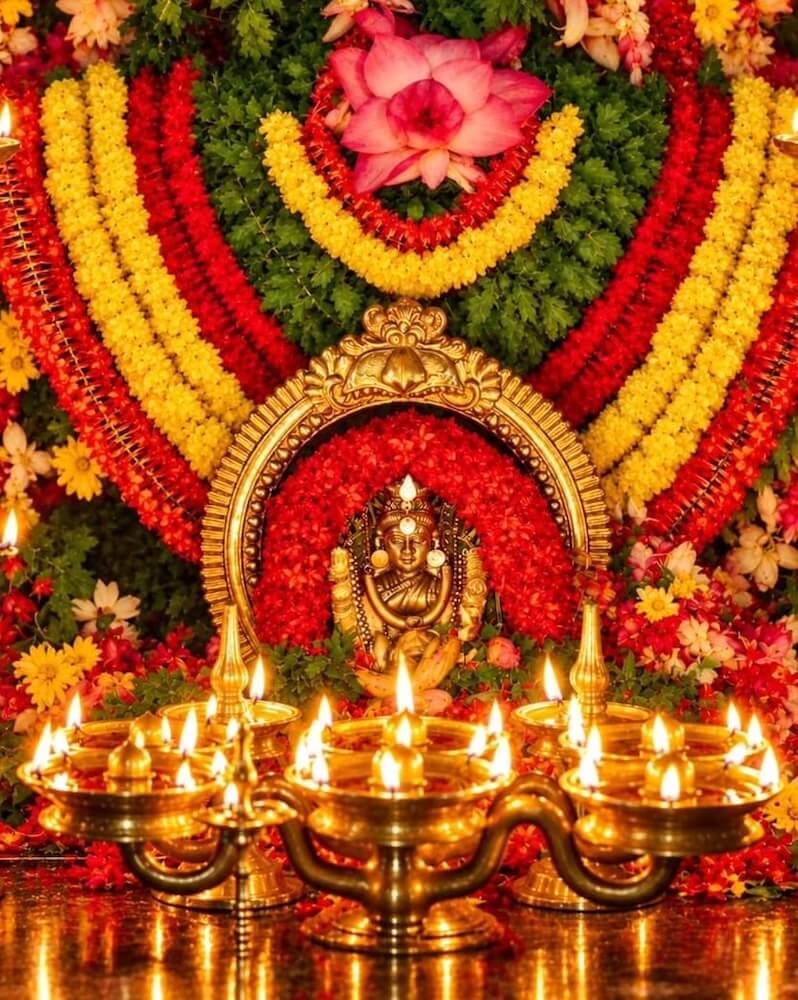 Sree Kannampuzha Bhagavathy Temple is a famous Hindu temple located on the banks of the Chalakudy River in Chalakudy, Thrissur district. The main deity, Bhagavathy, is worshipped in the form of Bhadrakali. The temple festival is known as the local national festival of Chalakudy. It is one of the important temples linked to the cultural heritage of Chalakudy and is visited by many people from different communities.
Although the exact year of construction is not recorded, the temple is several centuries old. In its early period, it was a Dravidian place of worship. Later, during the period of Brahmin dominance, the Namboothiris of Thekkedath Mana in Chalakudy led the conversion of the temple to the Kerala style of temple architecture and carried out various construction works. In the early period, it was known as Thekkedath Mullaykkal Bhagavathy Temple. After the Temple Entry Proclamation, the temple became more open to the public and came to be known as Kannampuzha Bhagavathy Temple, taking the name of the locality.
A major reconstruction of the temple was carried out in Kollavarsham 1096 (1920–21). During this period, the Nalambalam and Chuttambalam were built and a regular schedule of two daily pooja sessions was introduced.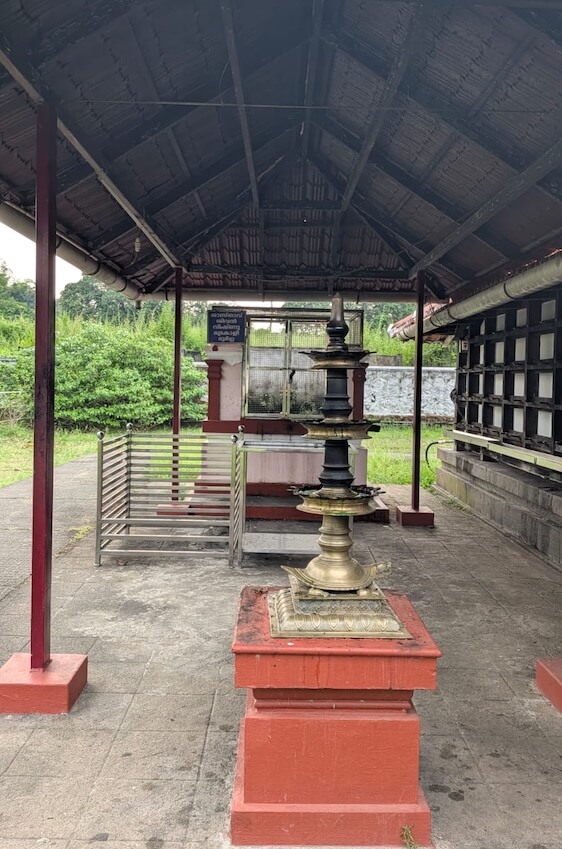 Later, extensive renovation works and Navikarana Kalasham ceremonies were carried out with local participation in Kollavarsham 1131 (1956), 1138 (1963) and 1171 (1996). In the early period, the temple was under the full management of the Thekkedath Mana family. As the temple became more open to the local community, its administration was later handed over to a local committee, also known as the Temple Protection Committee. At present, a committee of office-bearers elected from among the local residents manages the temple’s daily affairs and festival arrangements, subject to the rules and guidelines of the Cochin Devaswom Board.
According to legend, the area where the temple now stands was once a deserted place covered with thick forest and undergrowth. One day, a man named Kannan, who belonged to the Dravidian (Pulaya) community, came to the area to cut grass or collect firewood. He sharpened his sickle by rubbing it against a stone he found there. At that moment, he was frightened to see blood flowing from the stone. Kannan informed the local people and the Namboothiris of Thekkedath Mana about what had happened. A prasna was then conducted, through which the stone was identified as a self-manifested stone filled with the presence of Bhagavathy, the primordial form of the Goddess, rather than an ordinary stone. A small shrine was later built at the site and worship began. According to legend, the area and the temple came to be known as Kannampuzha because Kannan was the first person to discover the divine presence.
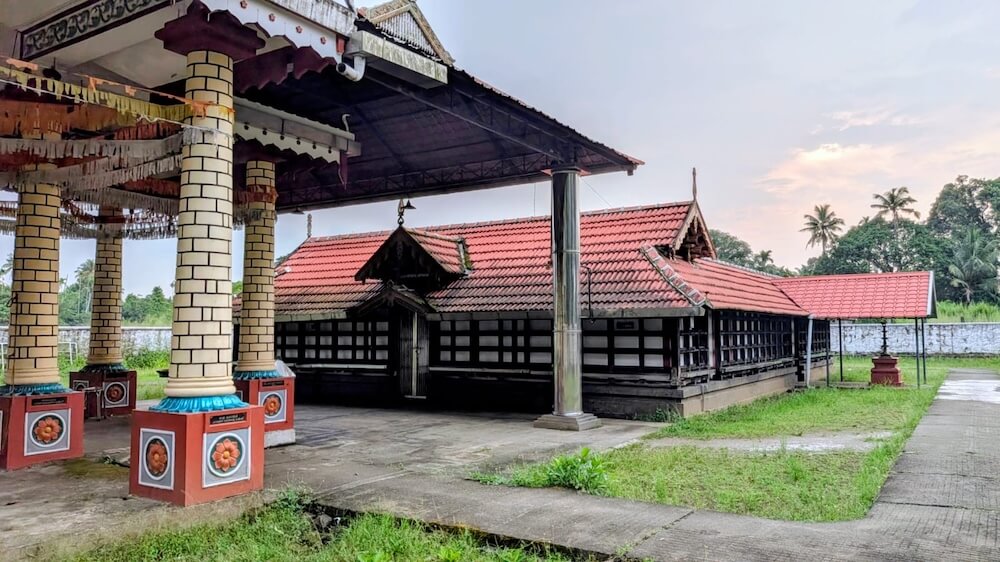
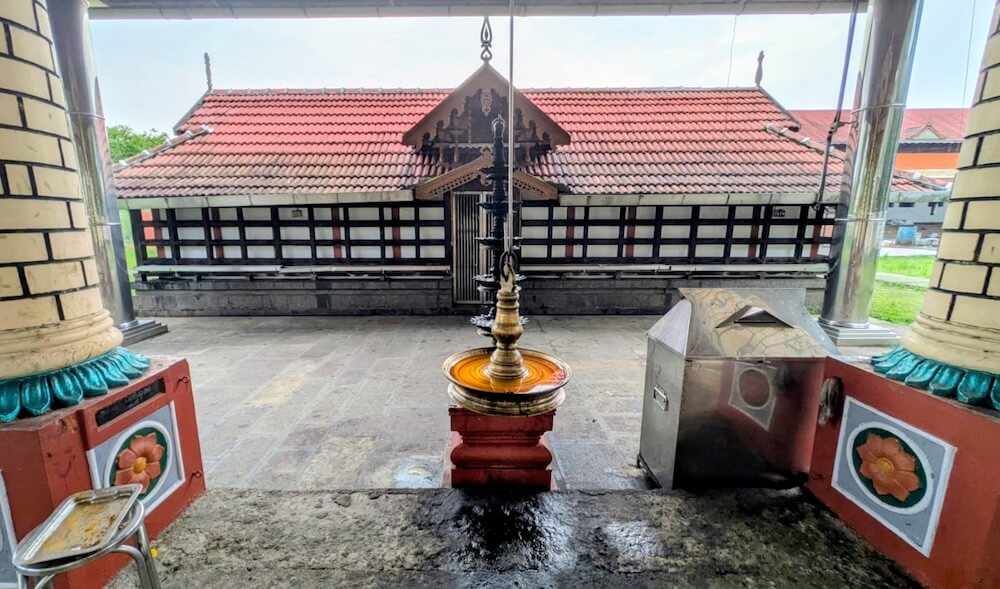
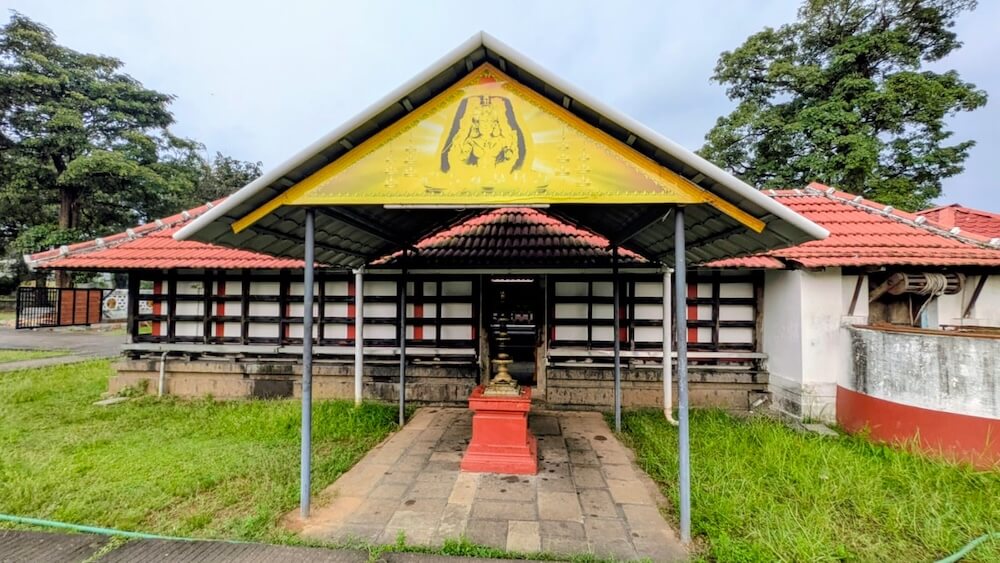
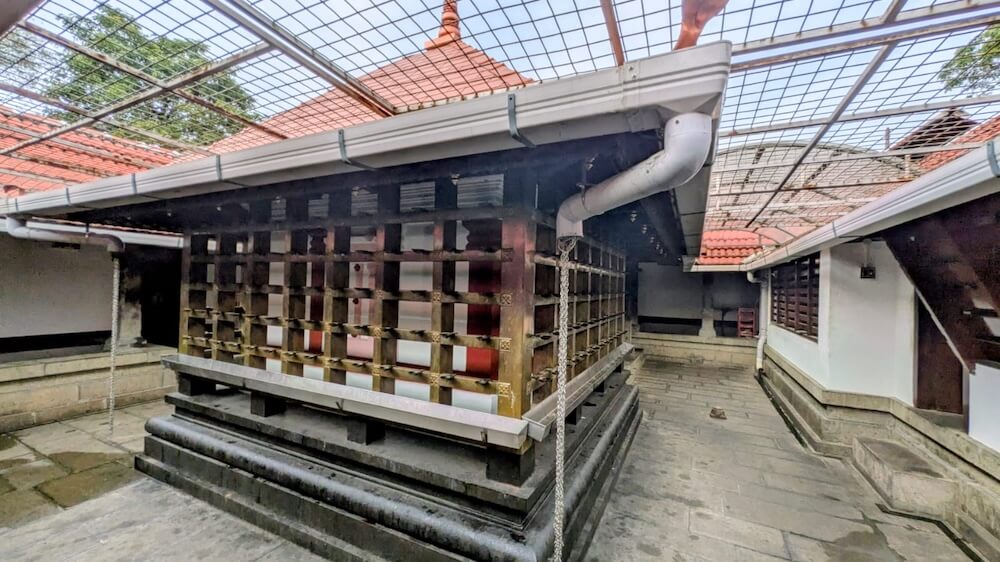
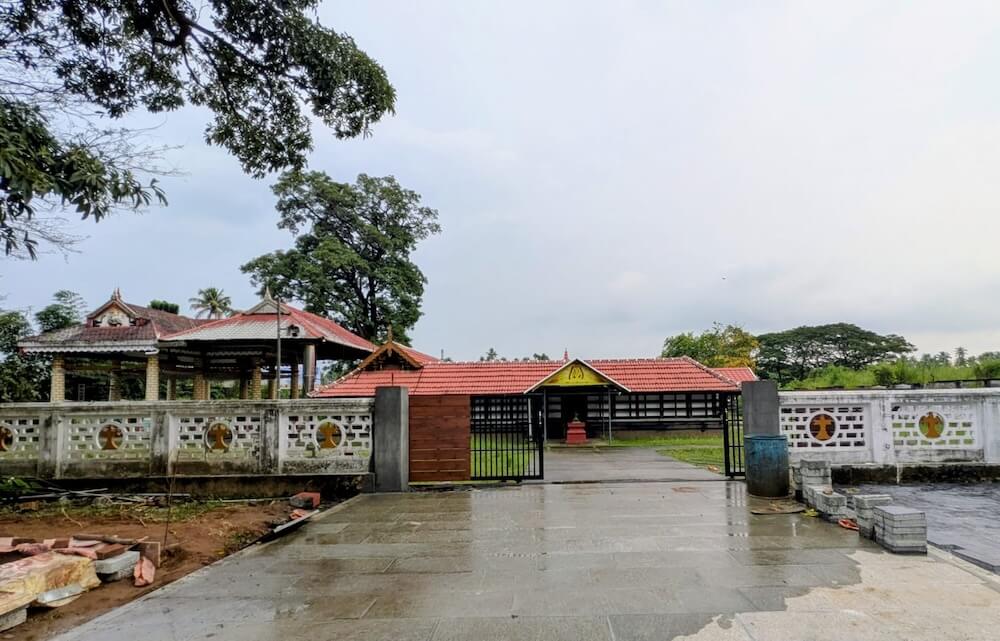 The temple is situated on the banks of the Chalakudy River. At the entrance from the road, there is a padippura gateway with carved details. Behind it are the Nalambalam and other temple structures, built in the traditional Kerala style with sloping tiled roofs. The temple has a simple layout without a gold-plated flagstaff or elaborate gopurams. A large banyan tree and an Althara can be seen beside the temple grounds. After passing through the main entrance and the Balikkalpura, an elephant shelter can be seen in the courtyard. It is used to keep elephants during festivals and provides space for devotees to stand. Rows of Vilakkumadams installed outside the stone walls of the Nalambalam are also notable.
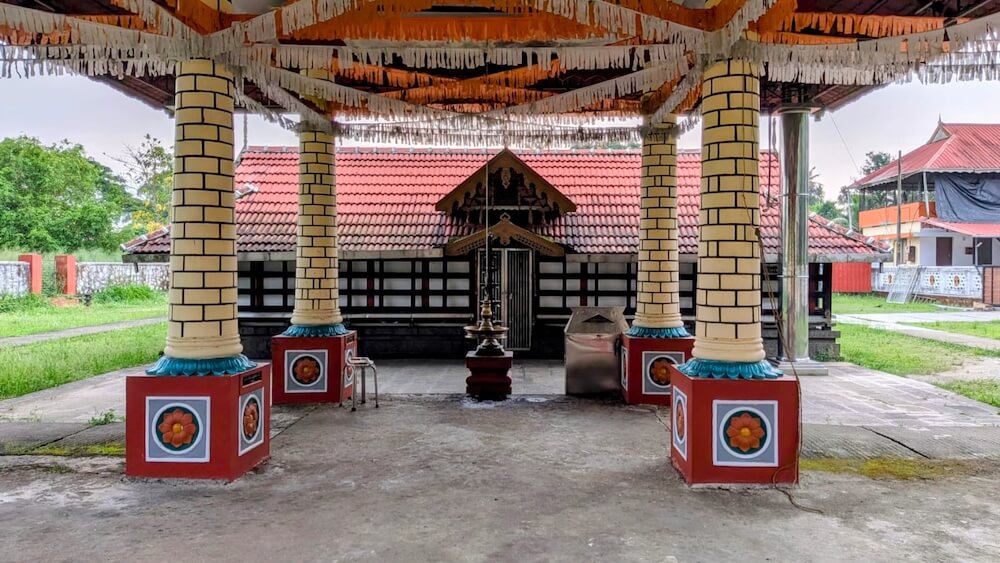
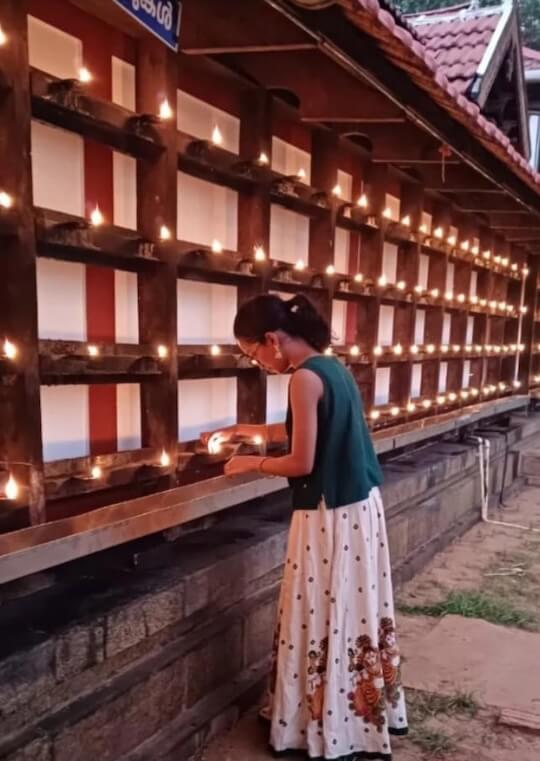 In front of the Sreekovil is a square Namaskara Mandapam, whose pillars and roof have simple wooden carvings.
The Sreekovil is built on a square granite base in the traditional Kerala style. Its sloping tiled roof is topped with a brass finial (Stupika). The granite steps leading to the Sreekovil have carved yali figures. The main Sreekovil faces east. The main deity is believed to be a self-manifested stone. Inside the Sreekovil, the idol is covered with a gold golaka and a prabhamandala. The main pooja is performed in the form of Durga Bhagavathy as Vishnu-roopini, representing her peaceful form.
At the Kannimoola corner of the main Sreekovil, there is a shrine for Ganapathy facing east. Inside the Nalambalam, separate shrines for Mahashiva and Mahavishnu are located near the Bhagavathy Sreekovil. Outside the Nalambalam, on the south-west side, there is a separate shrine for Dharmasastha or Ayyappan. Within the temple compound, on the southern side, there is also a sub-deity of Bhadrakali in her fierce form. The north-western side has a Sarpa-kavu with shrines for Naga-raja and Naga-yakshi. On the northern side of the temple complex, there is a shrine for Parappurathu Bhagavathy belonging to Thekkedath Mana. This shrine is not opened every day; it is opened for special poojas only on the first Tuesday and Friday of each Malayalam month.
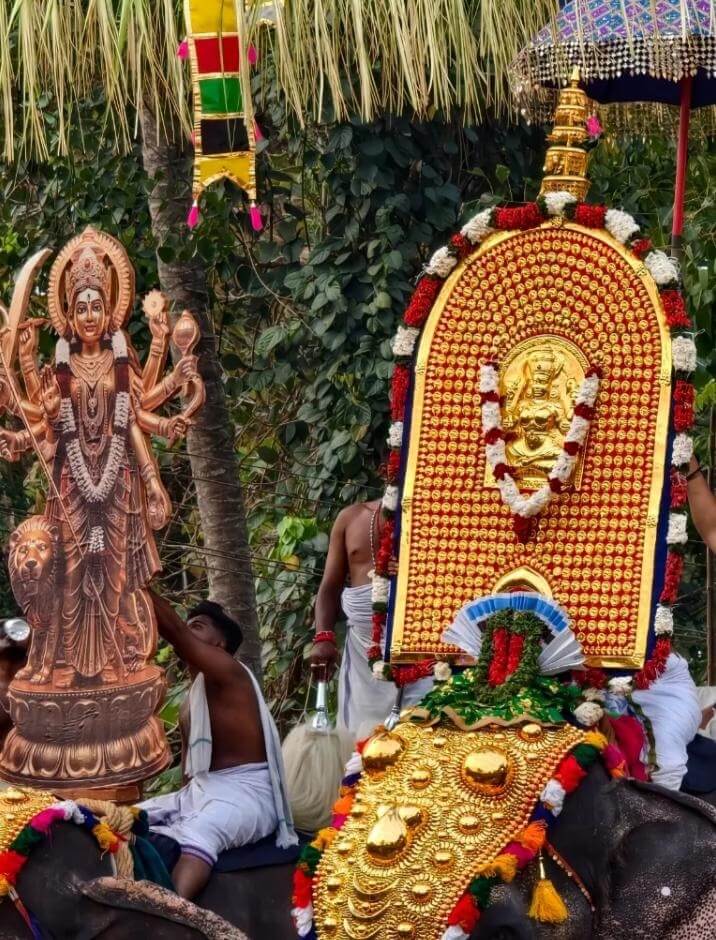 The main festival of the temple is the Thalappoli Mahotsavam, held during Kumbham (February–March), with the Aswathi star being the main day. Lasting between three and six days, it is known as the ‘local national festival’ of Chalakudy. Elephant decorations, Panchavadyam, melams, processions of women carrying thalams and the Pakalpooram are the main features of the festival. The Kathina Vedikkettu and Kashu Vedikkettu fireworks held towards the end of the festival are also well known. Special rituals and poojas are held at the courtyard of Thekkedath Mana, the former hereditary administrators of the temple, as part of the festival. The annual consecration ceremony is observed on the Atham star in Makaram (January–February), with Deeparadhana and special Kalasha Poojas. Other important observances include the nine-day Devi Bhagavatha Navaha Yajnam, Navaratri celebrations and Vidyarambham on Vijayadashami in Kanni and Karthika Vilakku on the Karthika star in Vrischikam. Makara Tuesday and Dhanwanthari Jayanthi are observed with special poojas on the first Tuesday of Makaram. During the Mandalam season, 41 days of special Chirappu rituals are held for the sub-deity Sastha, along with the Ayyappan Vilakku festival.
The main offerings at the temple include Chanthatam, Pattu Samarpanam, Thali Charthal, Raktha Pushpanjali, Chandanam Charthal, Neyvilakku and Kedu Vilakku.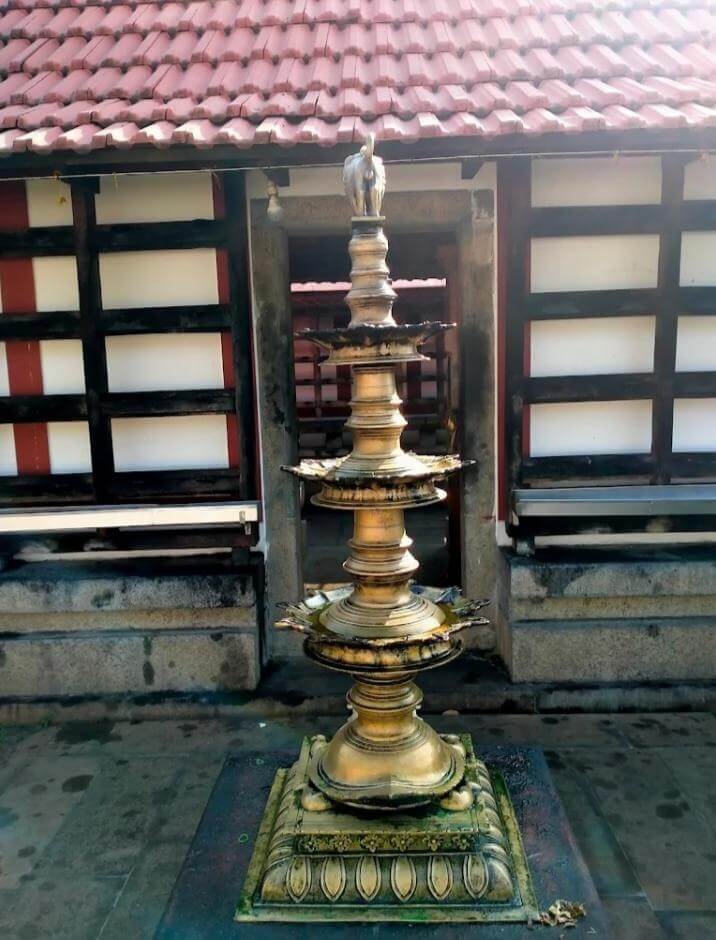 Chanthatam, in which a special mixture of medicinal ingredients and Kadumchembu is applied to the wooden idol of the goddess, is believed to be performed for the strength of the goddess, the long life of devotees and prosperity. Offering a red silk cloth and thali is performed for marriage and family prosperity, while Raktha Pushpanjali is offered for protection from enemies and the fulfilment of wishes. The offering of sandalwood paste over the entire idol is believed to bring peace of mind and relief from illness. Offering ghee at the Kedu Vilakku is performed to remove difficulties in the family and for the blessing of children. During the Thalappoli Mahotsavam in Kumbham, women carry thalams containing lamps, flowers and grains as a special offering. During the festival, Chakka Ada is also offered as part of the Uthram Paattu ritual. Other important offerings include Ganapathy Homam, lemon garlands and Mukkootti Pushpanjali for the sub-deities, Neeranjanam with sesame wicks for Sastha and Noorum Palum for Naga-raja and Naga-yakshi.
The temple is open for darshan from 5:30 AM to 9:00 AM and from 5:30 PM to 7:30 PM. The daily pooja rituals begin at 5:30 AM when the temple opens. This is followed by Nirmalya Darshan, when devotees can see the goddess with the previous day’s decorations. Water abhishekam is then performed, followed by Ganapathy Homam at the shrine of the sub-deity Ganapathy for the removal of obstacles. Before the morning session ends, offerings are made and Ushah Pooja is performed. In the evening, Deeparadhana is usually held between 6:15 PM and 6:45 PM, when the temple lamps are lit and special worship is offered to the goddess. Before the temple closes for the night, food offerings are made and Athazha Pooja is performed, completing the main daily rituals. Darshan and pooja timings may change on special days such as the Mandalam season, Navaratri and the Thalappoli festival.
Key highlight :-
- Located 17 km from Irinjalakkuda, 15 km from Angamaly and 30 km from Thrissur.
- About 4 km from Chalakudy railway station.
- KSRTC and local bus facilities are available to the temple.
- Private vehicles can be parked in the temple’s parking area.
- Accommodation and food facilities are available in the nearby towns.
श्री कन्नमपुझा भगवती मंदिर
चलाकुडी, जिला. त्रिशूर.
मंदिरे
Temples
मंदिर
મંદિરો
கோவில்கள்
దేవాలయాలు
ക്ഷേത്രങ്ങൾ
ದೇವಾಲಯಗಳು
মন্দিরসমূহ
ਮੰਦਿਰ
-
उदयमंगलम शिव मंदिर केथोली, कोडुंगल्लूर, त्रिशूर जिल्हा.
अधिक माहितीUdayamangalam Shiva Temple Keetholi, Kodungallur, Dist. Thrissur.
View Detailsउदयमंगलम शिव मंदिर कीथोली, कोडुंगल्लूर, त्रिशूर जिला।
विवरण देखेंUdayamangalam Shiva Temple Keetholi, Kodungallur, Dist. Thrissur.
વિગત જુઓUdayamangalam Shiva Temple Keetholi, Kodungallur, Dist. Thrissur.
விவரங்களைக் காண்கUdayamangalam Shiva Temple Keetholi, Kodungallur, Dist. Thrissur.
వివరాలను చూడండిUdayamangalam Shiva Temple Keetholi, Kodungallur, Dist. Thrissur.
വിശദാംശങ്ങൾ കാണുകUdayamangalam Shiva Temple Keetholi, Kodungallur, Dist. Thrissur.
ವಿವರಗಳನ್ನು ವೀಕ್ಷಿಸಿUdayamangalam Shiva Temple Keetholi, Kodungallur, Dist. Thrissur.
বিস্তারিত দেখুনUdayamangalam Shiva Temple Keetholi, Kodungallur, Dist. Thrissur.
ਵੇਰਵੇ ਦੇਖੋ -
श्री श्रीनिवास पेरुमल कुलशेघरा अलवर मंदिर त्रिकुलशेकरापुरम, कोडुंगल्लूर, जि. त्रिशूर.
अधिक माहितीSri Srinivasa Perumal Kulasheghara Alwar Temple Thrikulashekarapuram, Kodungallur, Dist. Thrissur.
View Detailsश्री श्रीनिवास पेरुमल कुलशेघरा अलवर मंदिर त्रिकुलशेखरपुरम, कोडुंगल्लूर, जिला। त्रिशूर.
विवरण देखेंSri Srinivasa Perumal Kulasheghara Alwar Temple Thrikulashekarapuram, Kodungallur, Dist. Thrissur.
વિગત જુઓSri Srinivasa Perumal Kulasheghara Alwar Temple Thrikulashekarapuram, Kodungallur, Dist. Thrissur.
விவரங்களைக் காண்கSri Srinivasa Perumal Kulasheghara Alwar Temple Thrikulashekarapuram, Kodungallur, Dist. Thrissur.
వివరాలను చూడండిSri Srinivasa Perumal Kulasheghara Alwar Temple Thrikulashekarapuram, Kodungallur, Dist. Thrissur.
വിശദാംശങ്ങൾ കാണുകSri Srinivasa Perumal Kulasheghara Alwar Temple Thrikulashekarapuram, Kodungallur, Dist. Thrissur.
ವಿವರಗಳನ್ನು ವೀಕ್ಷಿಸಿSri Srinivasa Perumal Kulasheghara Alwar Temple Thrikulashekarapuram, Kodungallur, Dist. Thrissur.
বিস্তারিত দেখুনSri Srinivasa Perumal Kulasheghara Alwar Temple Thrikulashekarapuram, Kodungallur, Dist. Thrissur.
ਵੇਰਵੇ ਦੇਖੋ -
श्रींगापुरम श्रीकृष्ण स्वामी मंदिर श्रींगापुरम, कोडुंगल्लूर, जि. त्रिशूर.
अधिक माहितीSringapuram Sree Krishna Swamy Temple Sringapuram, Kodungallur, Dist. Thrissur.
View Detailsश्रृंगापुरम श्री कृष्ण स्वामी मंदिर श्रींगापुरम, कोडुंगल्लूर, जिला। त्रिशूर.
विवरण देखेंSringapuram Sree Krishna Swamy Temple Sringapuram, Kodungallur, Dist. Thrissur.
વિગત જુઓSringapuram Sree Krishna Swamy Temple Sringapuram, Kodungallur, Dist. Thrissur.
விவரங்களைக் காண்கSringapuram Sree Krishna Swamy Temple Sringapuram, Kodungallur, Dist. Thrissur.
వివరాలను చూడండిSringapuram Sree Krishna Swamy Temple Sringapuram, Kodungallur, Dist. Thrissur.
വിശദാംശങ്ങൾ കാണുകSringapuram Sree Krishna Swamy Temple Sringapuram, Kodungallur, Dist. Thrissur.
ವಿವರಗಳನ್ನು ವೀಕ್ಷಿಸಿSringapuram Sree Krishna Swamy Temple Sringapuram, Kodungallur, Dist. Thrissur.
বিস্তারিত দেখুনSringapuram Sree Krishna Swamy Temple Sringapuram, Kodungallur, Dist. Thrissur.
ਵੇਰਵੇ ਦੇਖੋ