
चटुकुलम श्री महादेवाचे मंदिर
कडुंगल्लूर, अलुवा, जि. एर्नाकुलम.
Chattukulam Sree Mahadeva Temple
Kadungalloor, Aluva, Dist. Ernakulam.
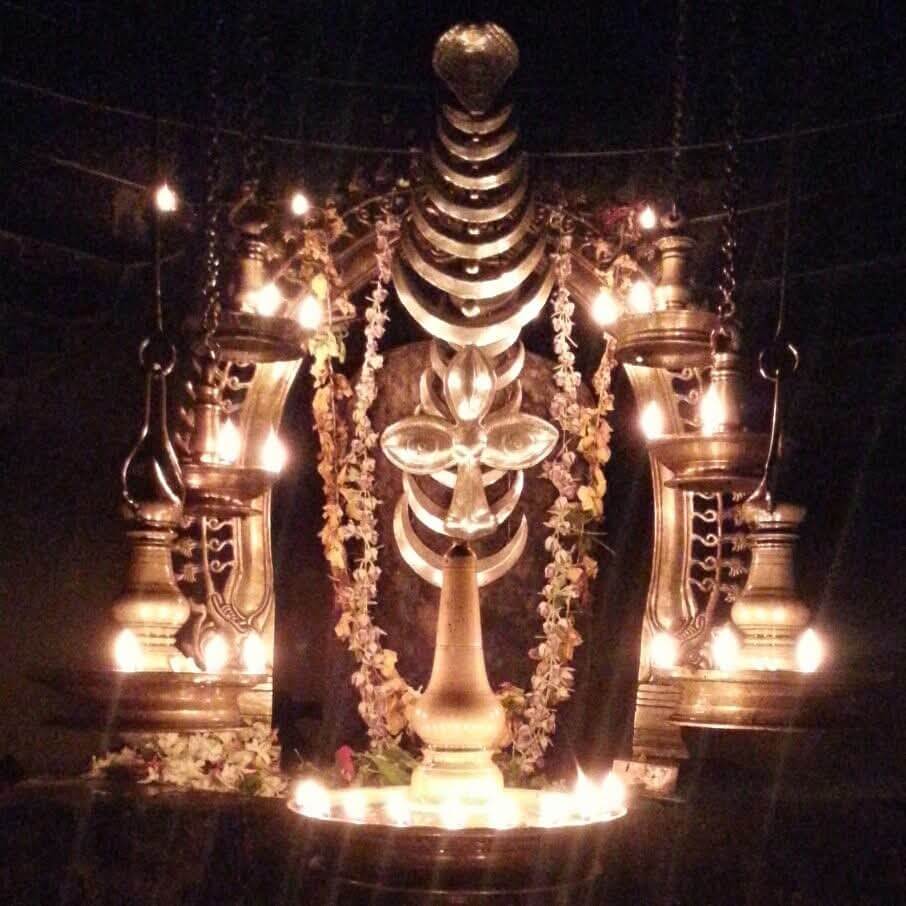 Chattukulam Sree Mahadeva Temple is a very old Shiva temple in Kadungalloor village, near Aluva in Ernakulam district, on the banks of the Periyar River. One of the important Shiva temples in Kerala, its main deity is Lord Shiva, worshipped here as ‘Kadungalloorappan’. The temple is part of the religious and cultural heritage of the Kadungalloor area and is associated with local temple customs and beliefs.
According to historical records and the views of local historians, Chattukulam Sree Mahadeva Temple is more than 2,000 years old. It is considered one of the early Shaiva worship centres that developed along the banks of the Periyar River in ancient times. Although there are no inscriptions that clearly identify the ruler who built the temple, historians link its origins to the cultural development of the Periyar region and the period of Chera rule. It is also believed to have been built with the support of local rulers who had their base in Kadungalloor. The temple surroundings were one of the main administrative and social centres of the ancient region known as ‘Kadungalloor Desam’ or ‘Kadungalloor Swaroopam’.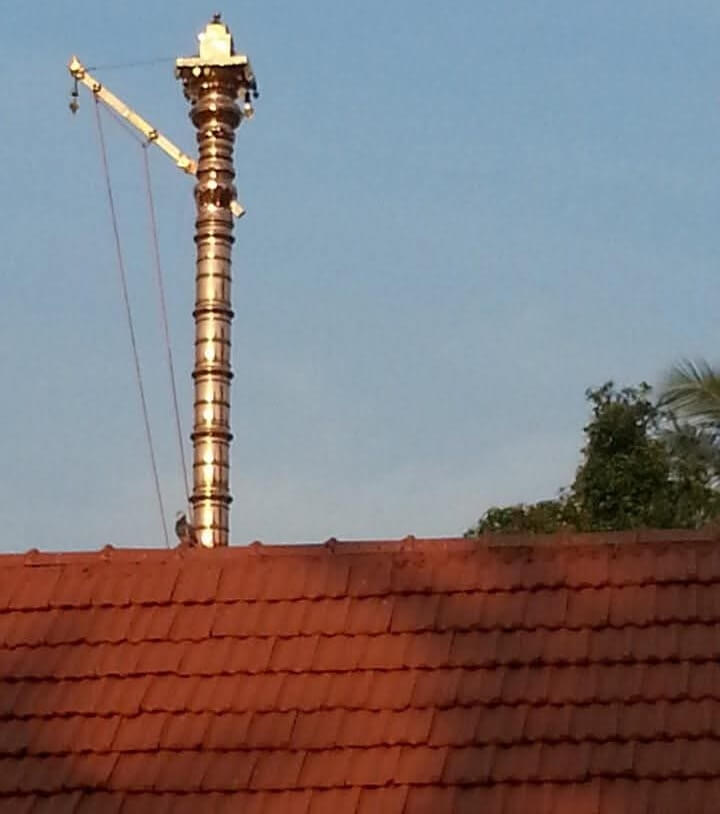 The temple also has a centuries-old connection with the famous Shivaratri celebrations at Aluva Manappuram. The ritual bathing of the festival idol takes place in the Periyar near Aluva Manappuram.
In earlier times, the temple was managed by prominent traditional Brahmin families of the area, including Mavalsseri Mana, Mullappilly Mana, Elappilly Mana and Mavelimana. These families managed the temple’s land and administrative affairs. After the medieval period, political instability and the decline of the traditional temple managers affected its upkeep. Over time, the temple fell into a poor condition, became overgrown and regular worship was disrupted. Towards the end of the 20th century, extensive renovation work was carried out under the leadership of local groups and devotees, restoring the temple and bringing it to its present form. At present, the temple’s daily affairs and administration are managed under the supervision of a locally formed devotees’ committee.
The significance of the temple is mainly linked to its offerings and local customs. One of the main offerings is 27 pradakshinas (circumambulations). Rather than being based on a specific legend, 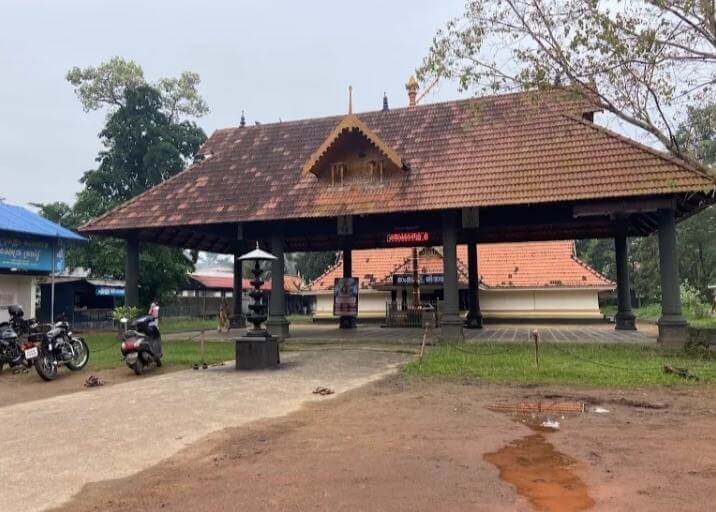 this practice is linked to astrological beliefs. The 27 circumambulations represent the 27 birth stars in astrology. Devotees believe that performing them helps to remove planetary difficulties and hardships linked to their birth star, through the blessings of Kadungalloorappan. The temple’s local importance is also linked to its historical heritage and the worship practices followed by devotees.
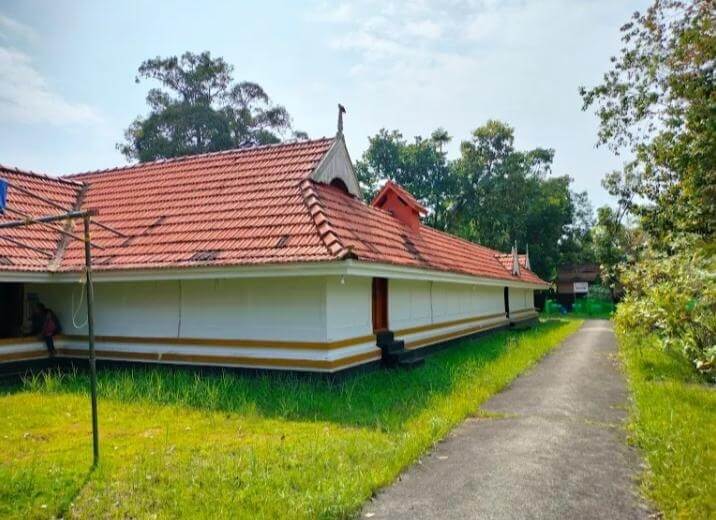
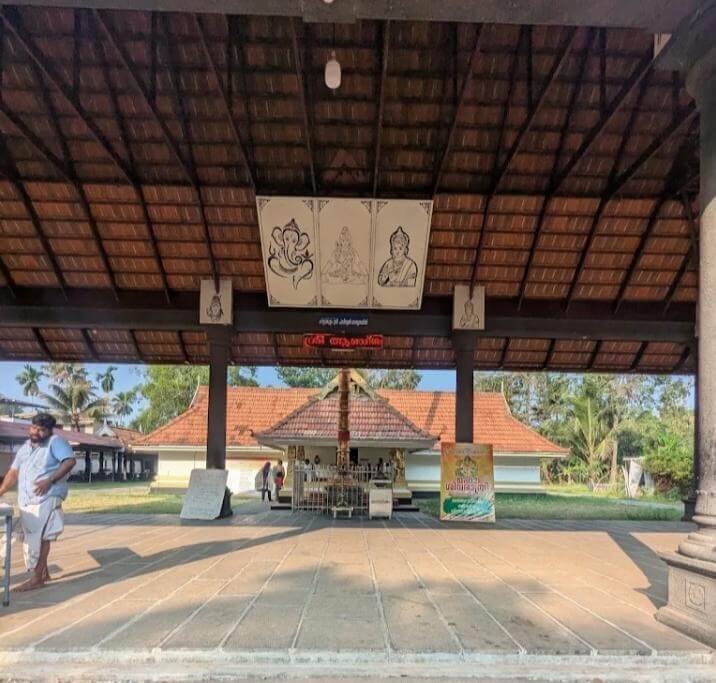
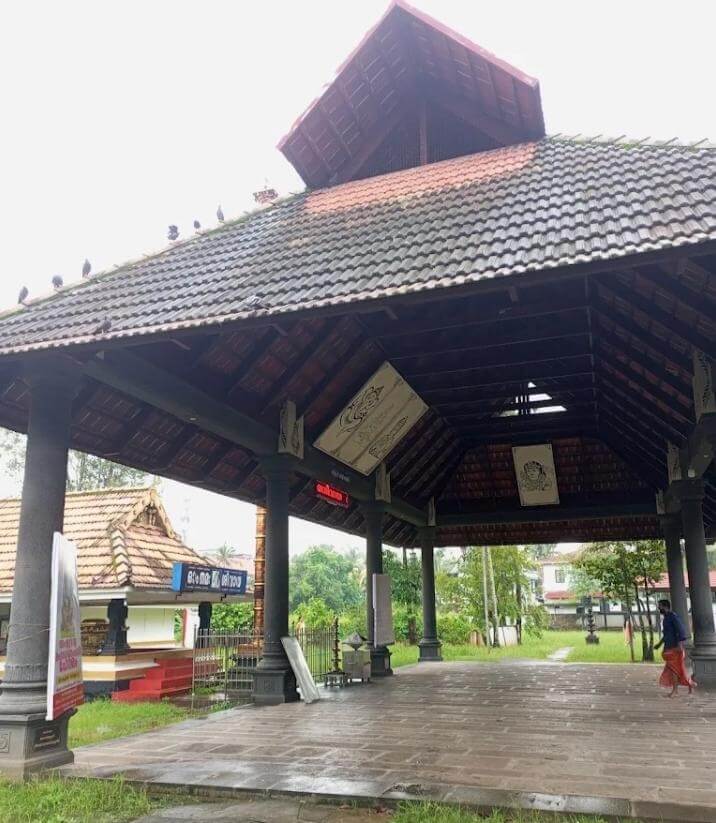
The main entrance is on the eastern side of the temple and has a small padippura (gateway) in the traditional Kerala style. A large shaded pavilion can be seen after passing through the gateway. During festivals, this area is used for ceremonial elephant processions and for performing various pooja rituals. 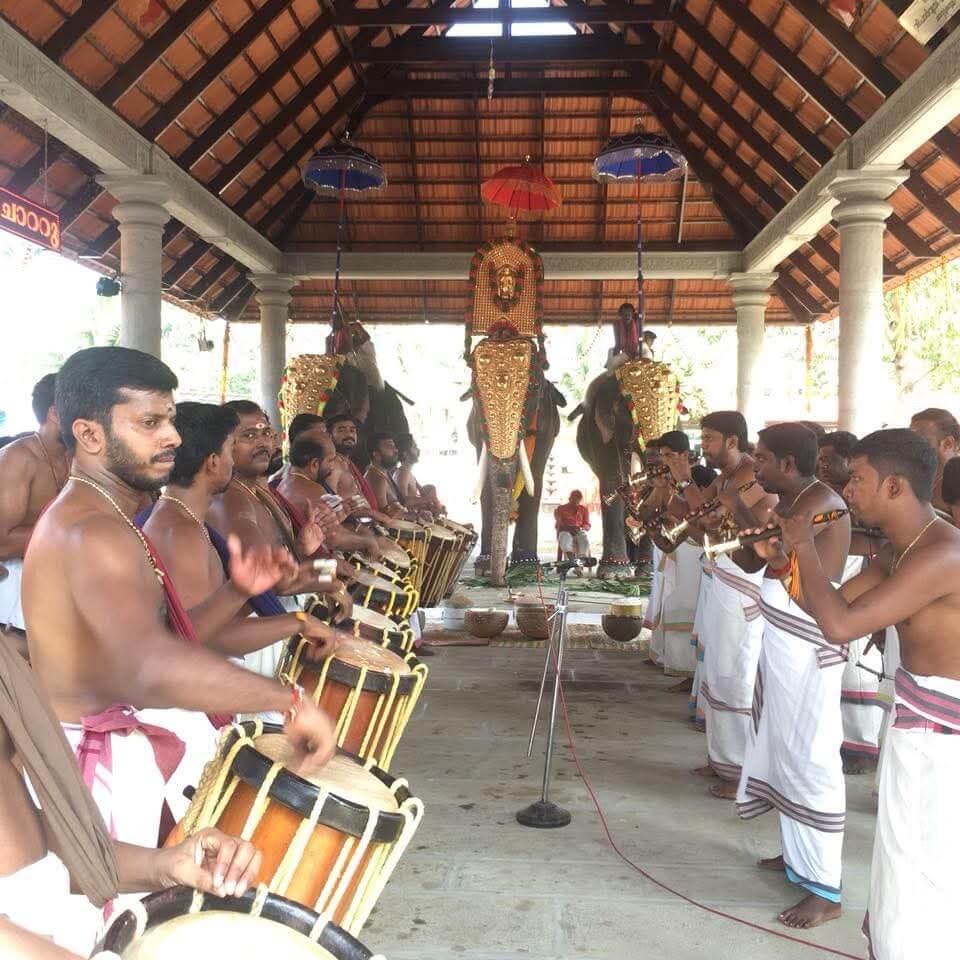 An ancient temple pond known as ‘Chattukulam’, from which the temple gets its name, is located outside the main temple complex. Before entering the chuttambalam, there is a covered balikkalpura protecting a large balikkallu (sacrificial stone). The temple complex is enclosed by an outer laterite stone wall. The chuttambalam or nalambalam, is a large square structure surrounding the main Sreekovil, with rows of pillars and spaces for lighting lamps along its walls. Directly in front of the Sreekovil is a small four-pillared namaskara mandapam, used for offering prayers and reciting Vedic chants. Its roof features traditional wooden carvings.
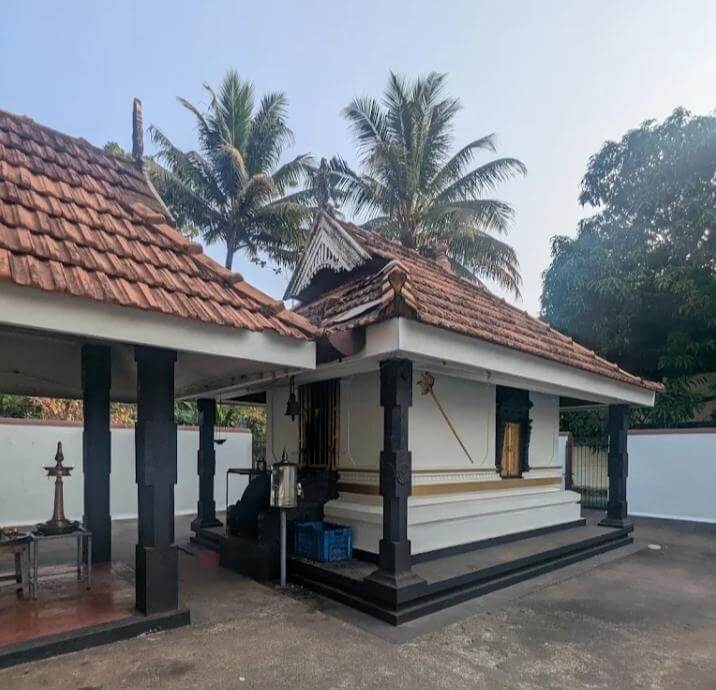
The temple has a single-tiered, square Sreekovil built in the traditional Kerala architectural style. Its foundation and walls are made of laterite stone, with a wooden roof covered with clay tiles. The Sreekovil faces east, following the traditional Thachu Shastra layout, with the first rays of the rising sun reaching the entrance of the sanctum. A stone staircase, known as the sopanam, leads to the entrance of the Sreekovil and is used only by the priests. A stone drainage outlet, known as an oovu or pravimargam, 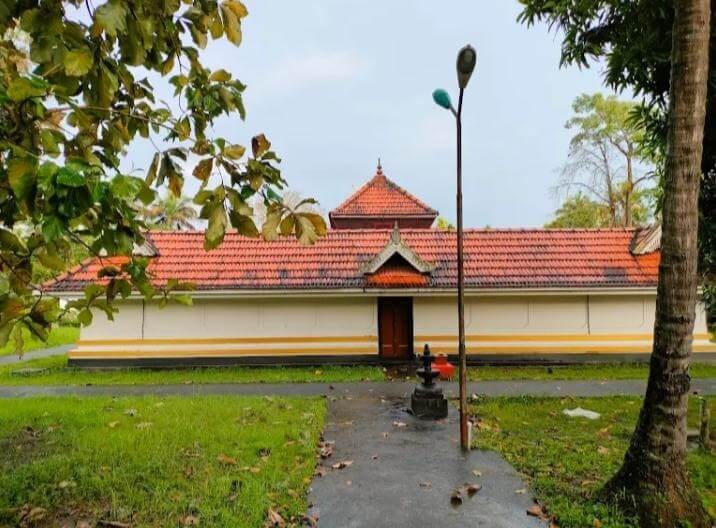 is provided along the northern side of the Sreekovil for the flow of abhishekam water. As this is a Shiva temple, devotees traditionally avoid crossing the oovu while performing pradakshina and turn back before reaching it. The main deity, Lord Shiva, is worshipped in the form of an ancient Shiva lingam carved from black stone.
The temple has several sub-deities, including Kannimoola Ganapathi, Bhagavathy, Naga deities and Rakshas. The shrine of Lord Ganapathi is located at the south-western corner, known as Kannimoola, inside the nalambalam. Bhagavathy is enshrined in the northern section of the nalambalam, facing north. Inside the outer wall, at the south-western corner, a naga thara houses the Naga deities Anantha and Vasuki. 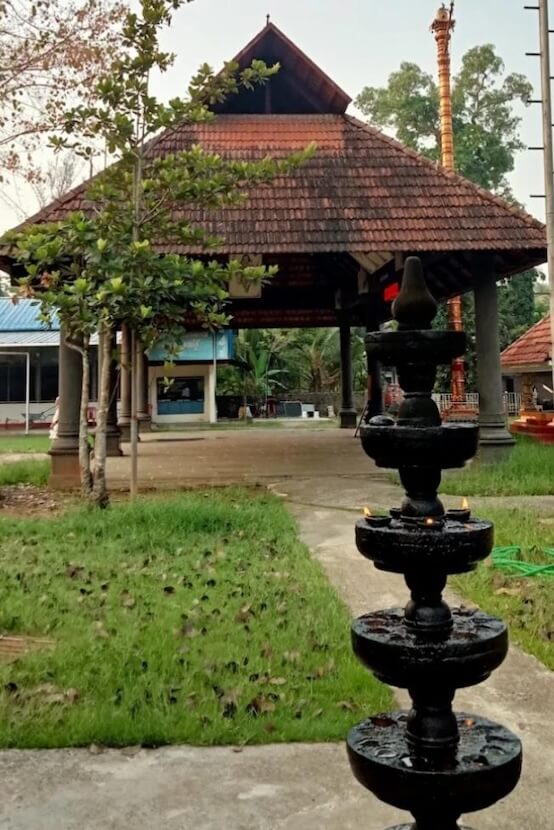 The naga thara is arranged in the style of a traditional sacred grove, blending with the surrounding natural setting. Outside the nalambalam but within the outer wall, a small stone platform dedicated to Rakshas is located in the south-western section.
The main annual festival of the temple is the Thiruvutsavam held in connection with the Thiruvathira star in the Malayalam month of Dhanu. The festival is usually celebrated for six or eight days during December–January. On the final day, the aarattu (ritual bathing) is held in the Periyar near Aluva Manappuram. A key ritual of the festival is the ceremonial procession of the festival idol of Kadungalloorappan on an elephant to the Periyar for the aarattu. Maha Shivaratri in the Malayalam month of Kumbham is another important occasion at the temple. The temple remains open throughout the night, with yama poojas and special abhishekams being performed. Muppattu Shanizaycha, the first Saturday of every Malayalam month, is also an important observance. Special poojas are conducted for Kadungalloorappan on Pradosham days, which occur twice every month. On these days, special evening poojas are followed by Pradosha sadya or kanji for devotees.
One of the main offerings at the temple is 27 pradakshinas (circumambulations), representing the 27 birth stars in astrology. Devotees perform this offering to remove difficulties related to their birth star, the effects of Shani dosha and obstacles in life. Dhara is another important offering at Shiva temples, in which water or milk is continuously poured over the deity while mantras are recited. It is performed for mental peace, relief from illness and marital harmony, according to local belief. Devotees also offer kuvalamala, a garland made of bilva leaves, to Kadungalloorappan for the fulfilment of wishes and relief from sins. Pinvilakku, a lamp lit behind the Sreekovil, is offered for prosperity and harmony in the family and to remove obstacles to marriage. Special offerings are also made to the sub-deities. Ganapathi Homam and Appam Moodal are offered to Kannimoola Ganapathi to remove obstacles; Kadumadhura Payasam and Pushpanjali are offered to Bhagavathy for marital blessings; Noorum Paalum is offered to the Naga deities for relief from Naga dosha; and Palpayasam is offered to Brahmarakshas at the outer shrine.
The daily pooja begins at 05:00 AM with the opening of the temple accompanied by the blowing of the conch and palliyunarthal, followed by nirmalya darshan after removing the previous day’s garlands. At 05:30 AM, the Shiva lingam is given a water abhishekam, followed by a flower offering. Ushah Pooja is performed at 06:30 AM, with white rice offering known as Ushah Payasam. From 07:30 AM onwards, offerings such as Dhara, Shankhabhishekam and Pushpanjali are performed. At 10:30 AM, Ucha Pooja is conducted with food offerings and the temple closes at 11:00 AM after the morning darshan. The temple reopens at 05:00 PM for evening darshan. Deeparadhana is performed at 06:30 PM, followed by Athazha Pooja at 07:00 PM. After the Athazha Pooja, Thrippuka is performed and the day’s rituals conclude with the closing of the temple at 07:30 PM.
Key highlight :-
- Located 4 km from Aluva and 15 km from Angamaly.
- The temple is 4 km from Aluva railway station and Aluva metro station.
- KSRTC and local bus facilities are available to the temple.
- Private vehicles can be parked in the temple’s parking area.
- Accommodation and food facilities are available in the nearby towns.
- Contact number +91 9946947115.
चट्टुकुलम श्री महादेव मंदिर
कडुंगल्लूर, अलुवा, जिला। एर्नाकुलम.
मंदिरे
Temples
मंदिर
મંદિરો
கோவில்கள்
దేవాలయాలు
ക്ഷേത്രങ്ങൾ
ದೇವಾಲಯಗಳು
মন্দিরসমূহ
ਮੰਦਿਰ
-
तिरुवरप्पेट्टी महादेवाचे मंदिर वरप्पेट्टी, कोठामंगलम, जि. एर्नाकुलम.
अधिक माहितीThiruvarappetty Mahadeva Temple Varappetty, Kothamangalam, Dist. Ernakulam.
View Detailsतिरुवरापेट्टी महादेव मंदिर वरापेट्टी, कोठमंगलम, जिला। एर्नाकुलम.
विवरण देखेंThiruvarappetty Mahadeva Temple Varappetty, Kothamangalam, Dist. Ernakulam.
વિગત જુઓThiruvarappetty Mahadeva Temple Varappetty, Kothamangalam, Dist. Ernakulam.
விவரங்களைக் காண்கThiruvarappetty Mahadeva Temple Varappetty, Kothamangalam, Dist. Ernakulam.
వివరాలను చూడండిThiruvarappetty Mahadeva Temple Varappetty, Kothamangalam, Dist. Ernakulam.
വിശദാംശങ്ങൾ കാണുകThiruvarappetty Mahadeva Temple Varappetty, Kothamangalam, Dist. Ernakulam.
ವಿವರಗಳನ್ನು ವೀಕ್ಷಿಸಿThiruvarappetty Mahadeva Temple Varappetty, Kothamangalam, Dist. Ernakulam.
বিস্তারিত দেখুনThiruvarappetty Mahadeva Temple Varappetty, Kothamangalam, Dist. Ernakulam.
ਵੇਰਵੇ ਦੇਖੋ -
पेरूवरम महादेवाचे मंदिर उत्तर परावूर, जि. एर्नाकुलम.
अधिक माहितीPeruvaram Mahadeva Temple North Paravur, Dist. Ernakulam.
View Detailsपेरुवरम महादेव मंदिर उत्तर परवूर, जिला। एर्नाकुलम.
विवरण देखेंPeruvaram Mahadeva Temple North Paravur, Dist. Ernakulam.
વિગત જુઓPeruvaram Mahadeva Temple North Paravur, Dist. Ernakulam.
விவரங்களைக் காண்கPeruvaram Mahadeva Temple North Paravur, Dist. Ernakulam.
వివరాలను చూడండిPeruvaram Mahadeva Temple North Paravur, Dist. Ernakulam.
വിശദാംശങ്ങൾ കാണുകPeruvaram Mahadeva Temple North Paravur, Dist. Ernakulam.
ವಿವರಗಳನ್ನು ವೀಕ್ಷಿಸಿPeruvaram Mahadeva Temple North Paravur, Dist. Ernakulam.
বিস্তারিত দেখুনPeruvaram Mahadeva Temple North Paravur, Dist. Ernakulam.
ਵੇਰਵੇ ਦੇਖੋ -
परावुर कन्ननकुलंगारा श्रीकृष्ण मंदिर उत्तर परावूर, जि. एर्नाकुलम.
अधिक माहितीParavur Kannankulangara Sree Krishna Temple North Paravur, Dist. Ernakulam.
View Detailsपरवूर कन्ननकुलंगरा श्री कृष्ण मंदिर उत्तर परवूर, जिला। एर्नाकुलम.
विवरण देखेंParavur Kannankulangara Sree Krishna Temple North Paravur, Dist. Ernakulam.
વિગત જુઓParavur Kannankulangara Sree Krishna Temple North Paravur, Dist. Ernakulam.
விவரங்களைக் காண்கParavur Kannankulangara Sree Krishna Temple North Paravur, Dist. Ernakulam.
వివరాలను చూడండిParavur Kannankulangara Sree Krishna Temple North Paravur, Dist. Ernakulam.
വിശദാംശങ്ങൾ കാണുകParavur Kannankulangara Sree Krishna Temple North Paravur, Dist. Ernakulam.
ವಿವರಗಳನ್ನು ವೀಕ್ಷಿಸಿParavur Kannankulangara Sree Krishna Temple North Paravur, Dist. Ernakulam.
বিস্তারিত দেখুনParavur Kannankulangara Sree Krishna Temple North Paravur, Dist. Ernakulam.
ਵੇਰਵੇ ਦੇਖੋ