
पल्लीचल वेंबन्नूर श्रीकंदन षष्ठ मंदिर
वेदीवाचनकोइल, जि. तिरुवनंतपुरम.
Pallichal Vembannoor Sreekandan Shastha Temple
Vedivachancoil, Dist. Thiruvananthapuram.
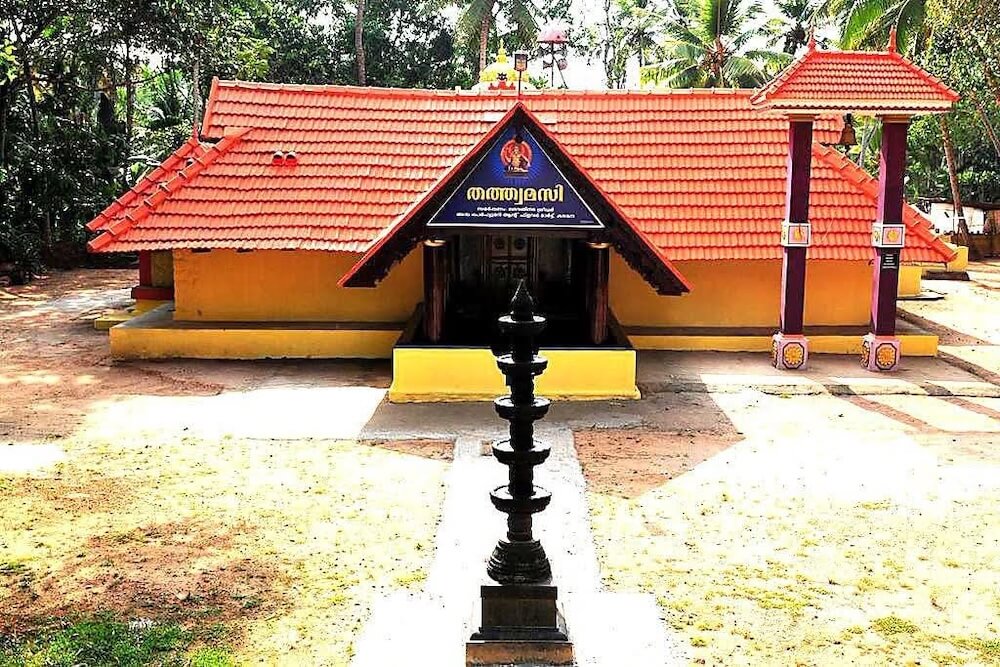
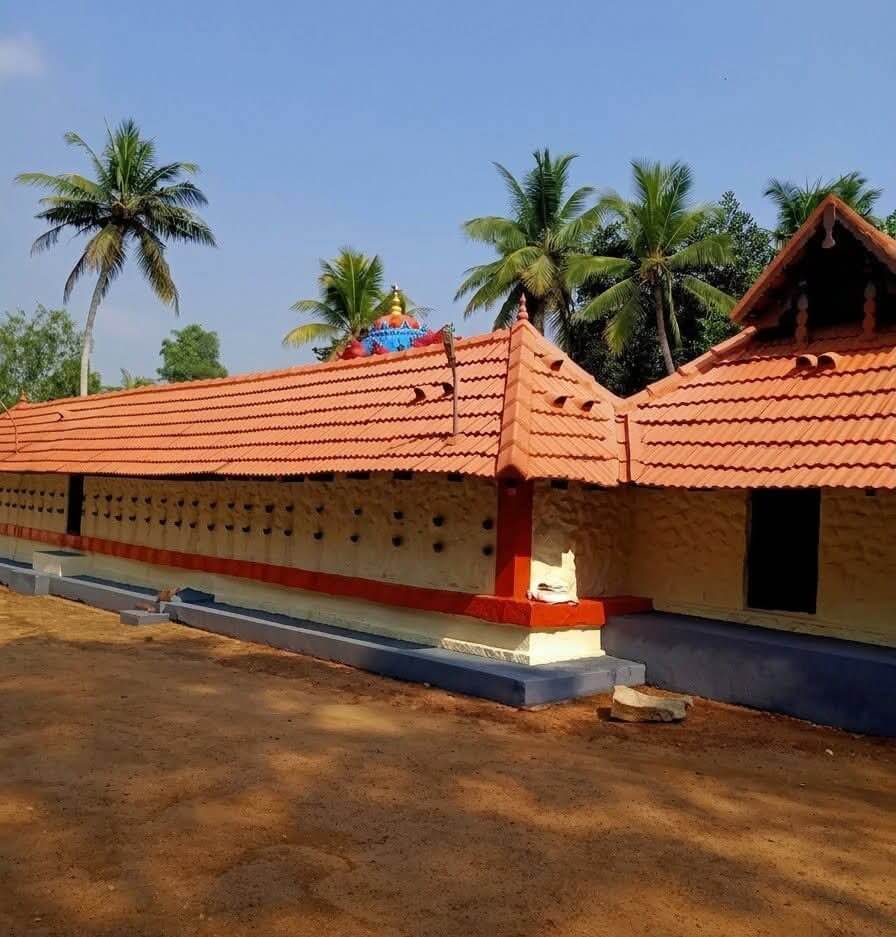
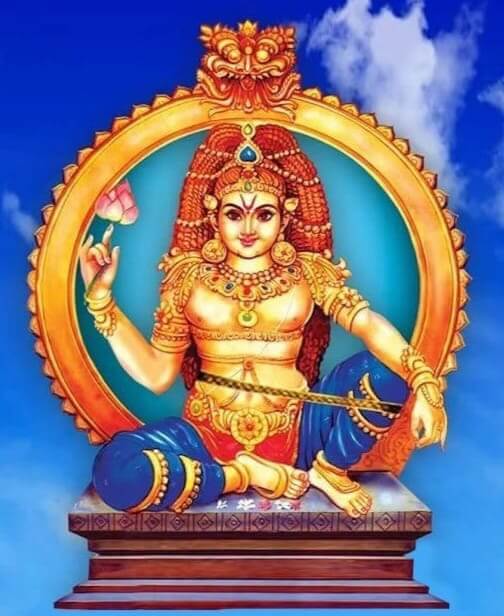 Sree Kandam Sastha Temple, located at Vembannoor near Pallichal in Thiruvananthapuram district, is an important Hindu temple dedicated to Lord Sastha (Ayyappa) as the main deity. It is one of the well-known places of worship in the area and is visited by devotees throughout the year.
According to historians and based on the decline of Buddhism and the growth of Sastha worship in Kerala, the origins of Sree Kandam Sastha Temple are believed to date back to between the 8th and 10th centuries AD (800–1000). The temple is thought to have developed into its present form during the rule of the Ay Dynasty, which governed the ancient Venad region that included Pallichal, or later under the rulers of Venad and Travancore. Local tradition and historical evidence suggest that the temple site was originally a Buddhist monastery. According to the historical records of the Pallichal Grama Panchayat, the name “Pallichal” is derived from the Buddhist pallis (monasteries) that once existed in the area. Historical studies also suggest that, as Buddhism declined in Kerala, many Buddhist monasteries were converted into Sastha temples and that the Buddhist concept of Dharma became associated with Dharma Sastha. As this area was once home to guard posts and kalaris under the Venad rulers, 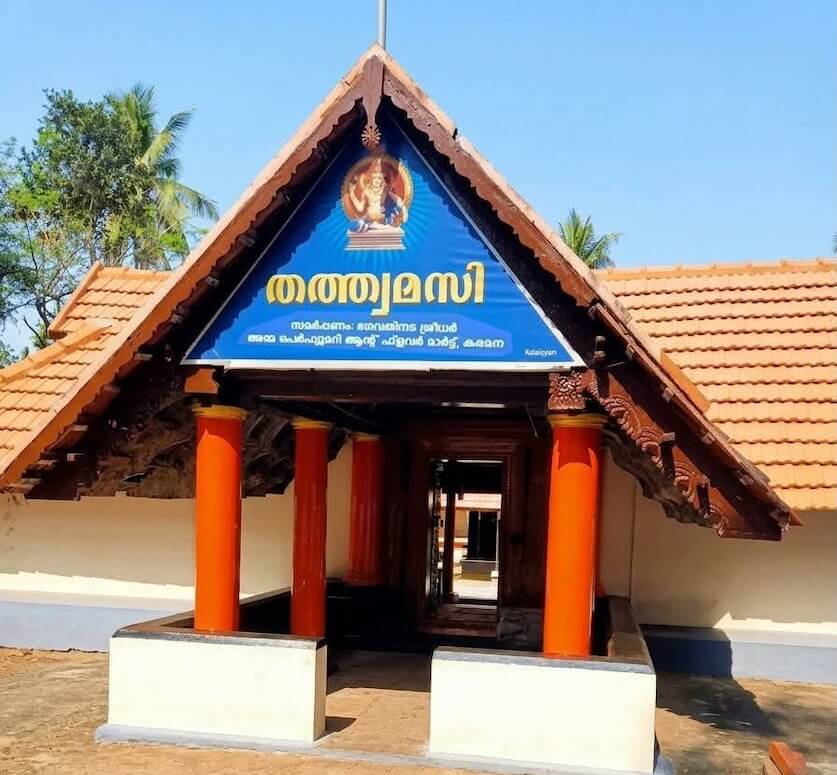 Sastha was also worshipped here as a guardian deity and warrior.
In 1811 (Malayalam Era 987, Kanni), as part of the administrative reforms introduced by Colonel John Munro, the British Resident and Diwan, with the approval of Rani Gowri Lakshmi Bayi, the temple was taken over by the government. It later came under the administration of the Travancore Devaswom Board. Over the years, the temple has undergone repairs and renovation works in several phases. At present, it is administered by the Travancore Devaswom Board.
The area that includes Pallichal was once an important centre of Buddhist monks. Records indicate that the site of the present-day Vembannoor Sastha Temple was an ancient Buddhist monastery and that Buddhist monasteries were known as pallis. The historical records of the Pallichal Grama Panchayat state that the place name “Pallichal” originated from these pallis. 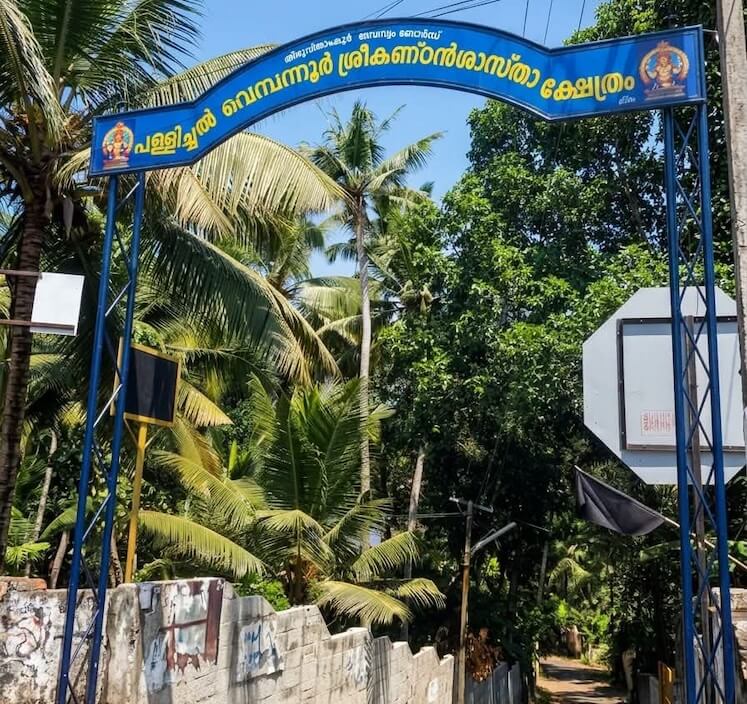 A local legend connected with this historical background says that Buddhist monks in Kerala taught spirituality, martial arts and traditional healing practices to the people. As Buddhism declined, this tradition of worship is believed to have gradually shifted to Dharma Sastha, who is regarded as a yogi and the master of martial arts.
Sree Kandam Sastha Temple is built in the traditional Kerala style of temple architecture. As you enter the temple from the main road, the first structure you see is the entrance gateway with a padippura. Inside the gateway is a spacious temple courtyard and an elephant shelter, where elephants are kept during festival processions. Nearby are the flagstaff and the lamp pillar. Passing through the main entrance of the tiled outer enclosure, you will see the Valiyabalikkal (main sacrificial stone) dedicated to the guardian deities. In front of it is the square Namaskara Mandapam with its supporting pillars, from where devotees have darshan of Lord Sastha in the Sreekovil. The temple is mainly constructed using timber, stone and clay roof tiles.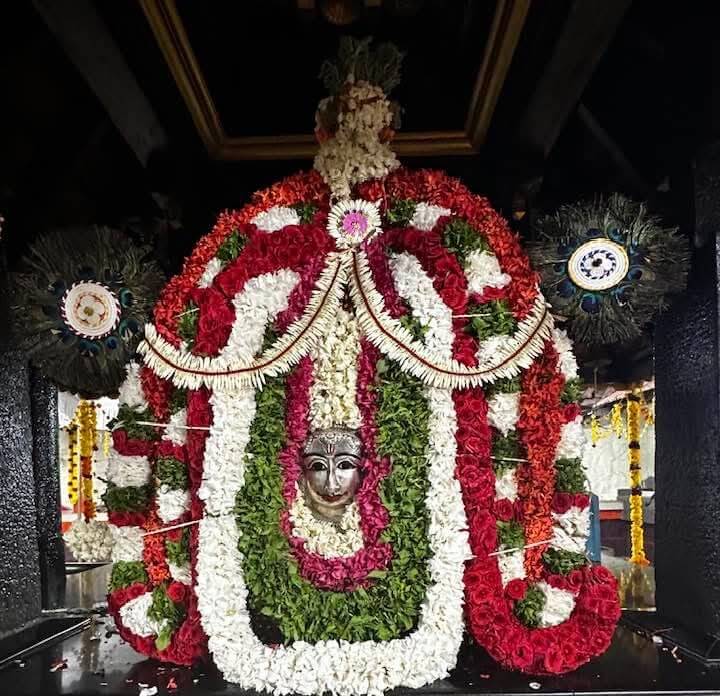
Passing through the outer enclosure, you will reach the single-tiered, square Sreekovil. In front of the Sreekovil is the Sopanam, which is used by the priests to enter for the daily rituals. The sanctum sanctorum houses the main deity, Dharma Sastha. The idol is in a meditative posture similar to that of the deity at Sabarimala. The right hand is shown in Chinmudra (gesture of knowledge) or Abhaya Mudra (gesture of protection), while the left hand rests on the left knee. The deity is worshipped here in the form of Sreekandan Sastha.
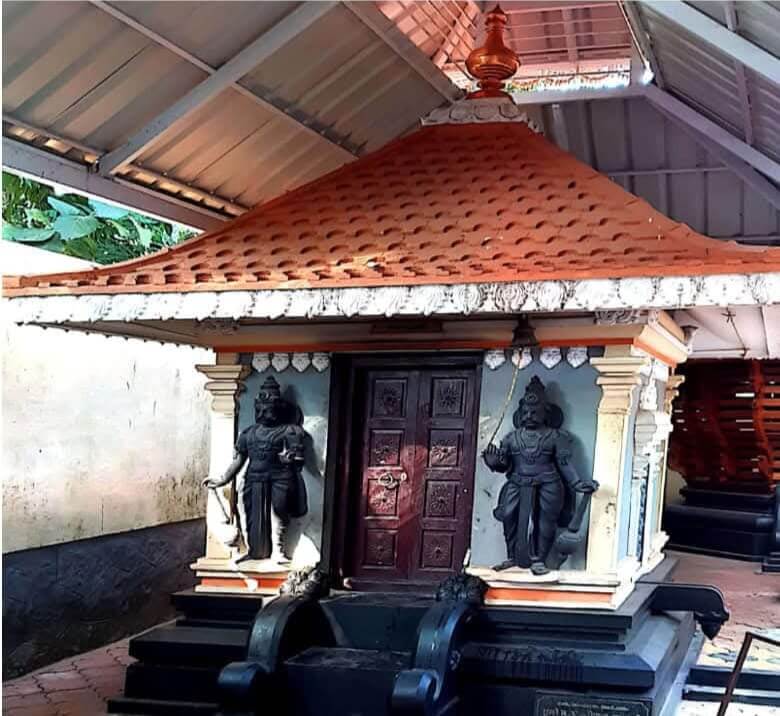
In addition to the main deity, the temple has shrines for Lord Ganesha, Nagaraja, Nagayakshi, Madan Thampuran, Yakshiyamma and the Navagrahas. The shrine of Lord Ganesha is located in the south-west corner (Kannimoola), facing east. The idols of Nagaraja and Nagayakshi are installed at the Nagathara within the temple premises. Madan Thampuran and Yakshiyamma, the guardian deities of the temple, are worshipped at separate platforms. 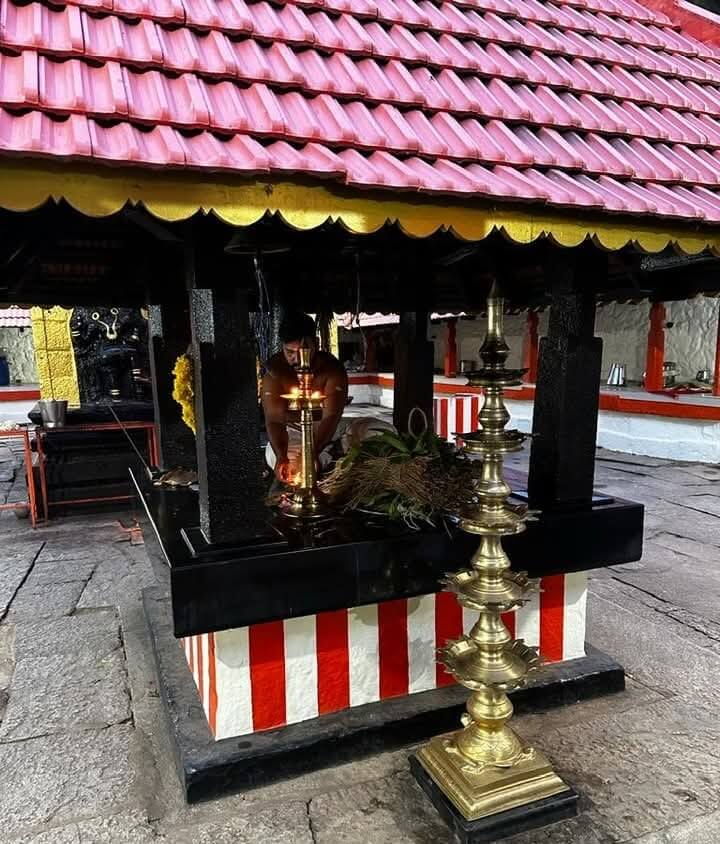 The Navagraha shrine is housed in a separate pavilion within the temple courtyard.
The main festival of the temple is the Painkuni Uthram Mahotsavam, celebrated on the Uthram star in the Malayalam month of Meenam (March–April). The festival begins with the flag hoisting ceremony and includes special poojas, traditional percussion performances, devotional music programmes, Kathakali, Thiruvathira and a ceremonial procession on the concluding days. Mandala Kalam and Makaravilakku, observed during the Malayalam months of Vrischikam and Dhanu, are also major festivals of the temple. During this period, special poojas, Mandala Pooja and Annadanam (community feast) are conducted. Saturdays are considered especially important for the worship of Lord Sastha. In addition, special poojas and Sarpabali are performed for Nagaraja on the Ayilyam star day every month.
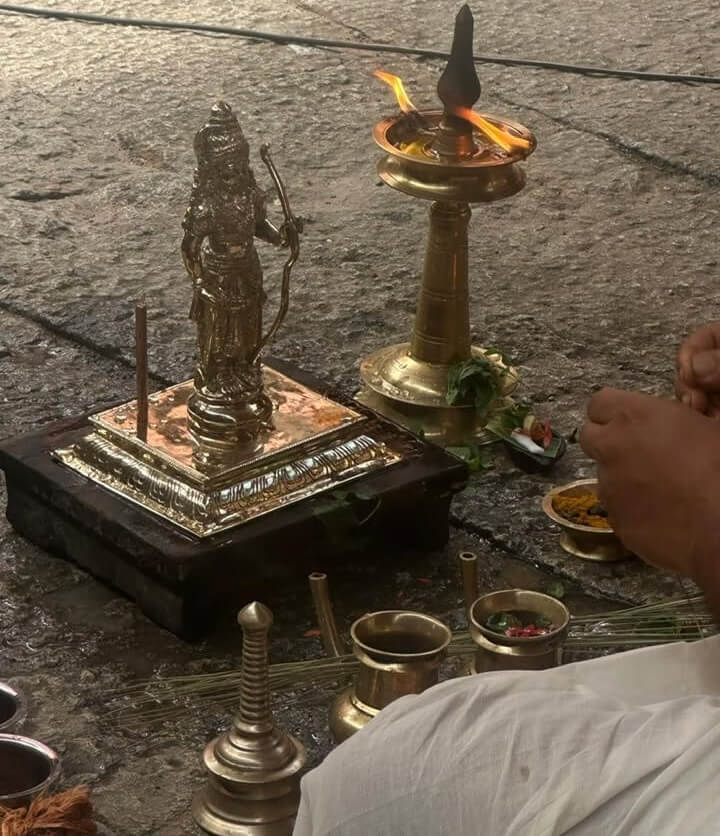
The main offerings at the temple include Neeranjanam, Neyyabhishekam, Ellu Payasam, Aravana, Ganapathi Homam, Karuka Homam, Sarpabali and Noorum Palum. Devotees mainly offer Neeranjanam for relief from the effects of Saturn (Shani Dosha) and to remove obstacles in life.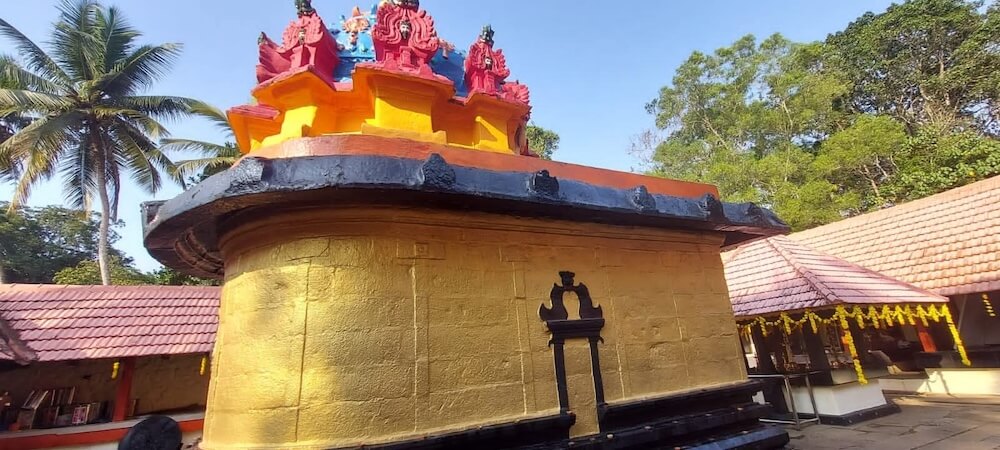 Neyyabhishekam is performed for prosperity and the fulfilment of wishes. Ellu Payasam and Aravana are offered as acts of devotion and for peace of mind. Ganapathi Homam and Karuka Homam are performed for Lord Ganesha to remove obstacles and ensure success in new beginnings. Sarpabali and Noorum Palum are offered to Nagaraja and Nagayakshi for relief from Sarpa Dosha, for the blessing of children and for the well-being of the family.
The temple opens daily at 5:00 am. This is followed by Nirmalya Darshan, Abhishekam at 5:30 am, Usha Pooja at 6:30 am and Ucha Pooja at 10:00 am. The temple closes at 10:30 am. It reopens at 5:00 pm, followed by Deeparadhana at 6:30 pm and Athazha Pooja at 7:30 pm. The temple closes at 8:00 pm after the recitation of Harivarasanam. On special occasions such as Mandala Kalam, Makaravilakku and Painkuni Uthram, the temple may remain open for longer, depending on the number of devotees.
Key highlight :-
- Located 15 km from Thiruvananthapuram and 9 km from Neyyattinkara.
- Nearest railway station is Thiruvananthapuram Central Railway Station, about 13 km away.
- KSRTC and local buses are available from Thiruvananthapuram Central to Vedivachancoil.
- Private vehicles can be parked in the temple parking area.
- Accommodation and food facilities are available in the nearby town.
पल्लीचल वेम्बन्नूर श्रीकंदन शास्ता मंदिर
वेदिवाचनकोइल, जिला. तिरुवनंतपुरम.
मंदिरे
Temples
मंदिर
-
रामवरमंचिरा श्रीकृष्ण स्वामी मंदिर काराकोणम, जि. तिरुवनंतपुरम.
अधिक माहितीRamavarmanchira Sree Krishna Swamy Temple Karakonam, Dist. Thiruvananthapuram.
View Detailsरामवर्मनचिरा श्री कृष्ण स्वामी मंदिर काराकोणम, जिला. तिरुवनंतपुरम.
विवरण देखें -
वेंबिल मनालयम शिव मंदिर कुरुपुझा, एलावट्टम, जि. तिरुवनंतपुरम.
अधिक माहितीVembil Manalayam Siva Temple Kurupuzha, Elavattom, Dist. Thiruvananthapuram.
View Detailsवेम्बिल मनलायम शिव मंदिर कुरुपुझा, इलावत्टोम, जिला। तिरुवनंतपुरम.
विवरण देखें -
श्री वराहम लक्ष्मी वराह मंदिर श्रीवरहम, मुत्तथारा, जि. तिरुवनंतपुरम.
अधिक माहितीSree Varaham Lakshmi Varaha Temple Sreevaraham, Muttathara, Dist. Thiruvananthapuram.
View Detailsश्री वराहम् लक्ष्मी वराह मंदिर श्रीवाराहम, मुत्ताथरा, जिला। तिरुवनंतपुरम.
विवरण देखें