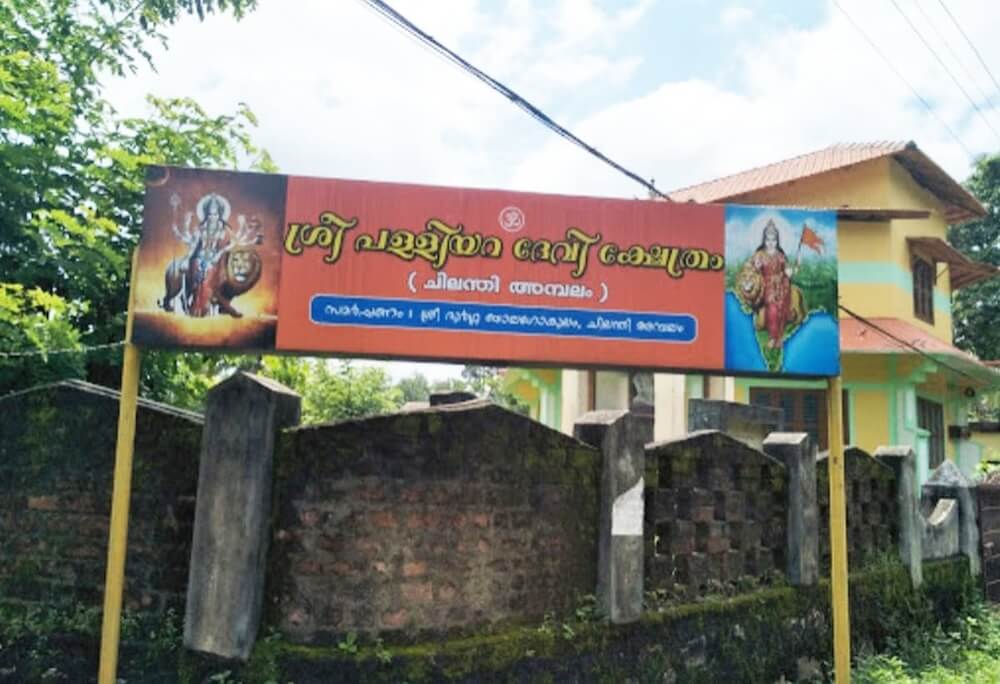
पल्लियारा देवी मंदिर
चिलांथी अंबालम कोडुमोन, अदूर, जि. पठाणमथिट्टा.
Palliyara Devi Temple Chilanthi Ambalam
Kodumon, Adoor, Dist. Pathanamthitta.
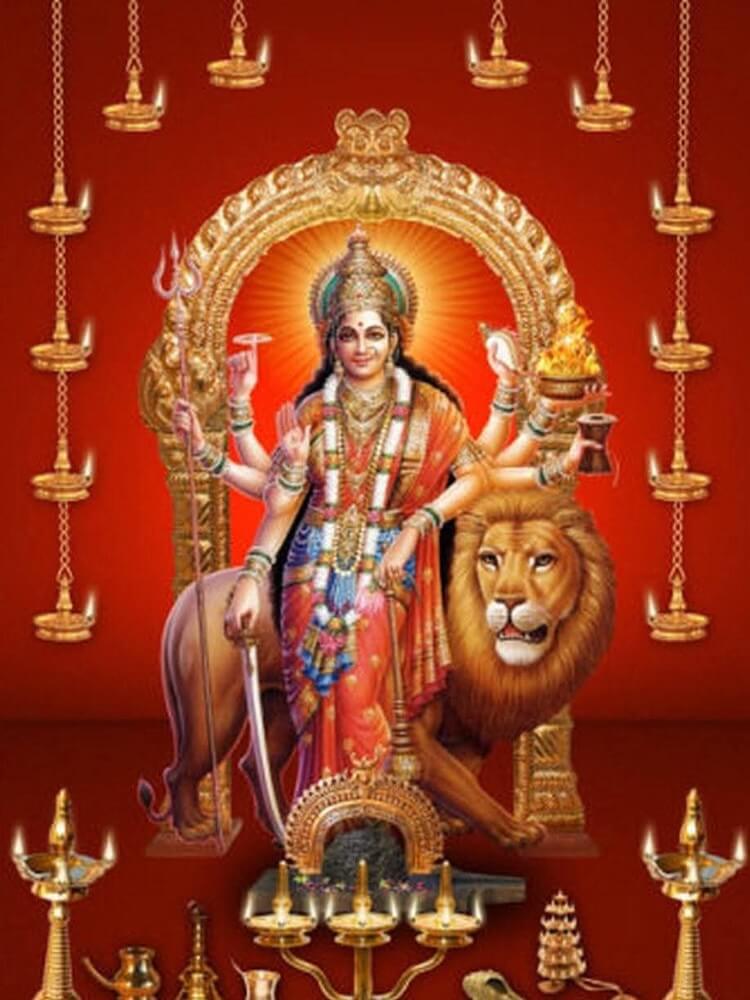 The Pallyara Devi Temple, popularly known as “Chilanthiambalam”, is situated in Kodumon village in Pathanamthitta district, Kerala and is one of the rare temples in India where a spider is worshipped as a manifestation of Goddess Durga. The principal deity is Vanadurga, worshipped in the form of a forest goddess surrounded by the aura of the wilderness. This unique mode of worship and its associated beliefs make the temple distinct among Hindu shrines. Devotees suffering from venomous bites and various skin ailments regularly visit the temple seeking divine healing and relief. There is also a traditional belief that the water from the well adjoining the temple possesses medicinal properties that help alleviate certain skin diseases. At present, the temple is administered by the Travancore Devaswom Board.
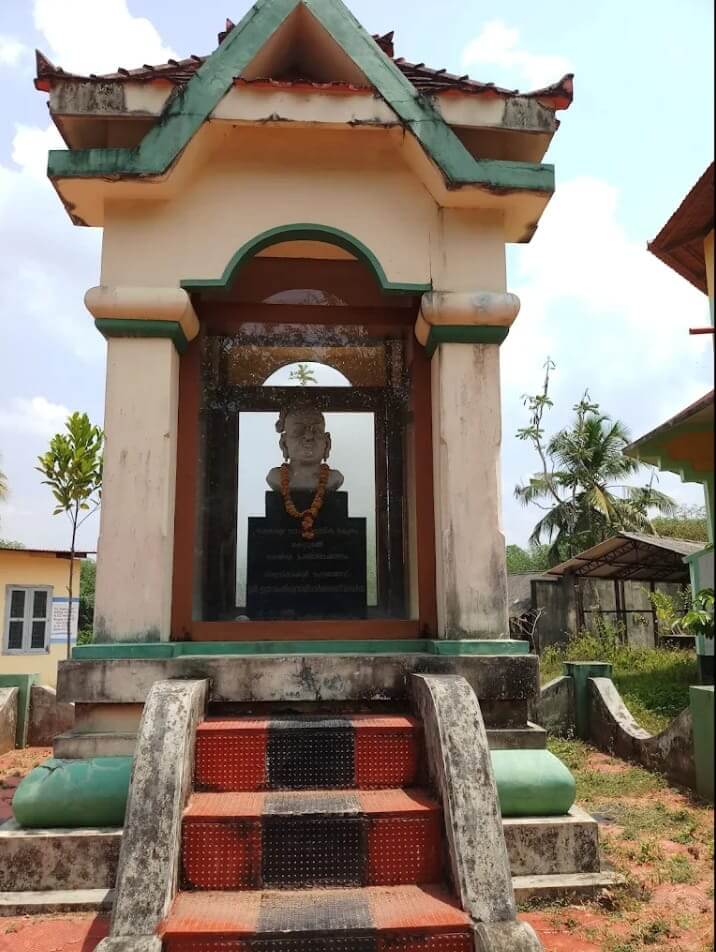
The history of Kodumon Chilanthiambalam is closely associated with the Shaktibhadra dynasty, which was known as the Chenneerkara Swaroopam. Believed to be over 1,200 years old, the temple is historically considered to have been built in the 8th century in the Pallava architectural style. Its construction is attributed to the later rulers of the Chenneerkara Swaroopam. Kodumon was also the birthplace of the great poet Shaktibhadra, the author of Aascharyachoodamani, regarded as the first complete Sanskrit drama of South India and served as the principal seat of his royal lineage. The Pallyara Devi Temple was revered as the family deity shrine of Shaktibhadra. The nearby Koyikkal Palace functioned as the royal residence of the Chenneerkara Swaroopam. Following the extinction of the royal lineage, the remaining female members of the family were adopted into the Vakkavanjippuzha Mutt at Adoor, after which the administration of the temple came under the control of the Mutt. In later years, the temple was transferred to the administration of the Travancore Devaswom Board, under whose management it continues to function today.
According to a popular legend associated with the origin of Kodumon Chilanthiambalam, the temple’s story is closely linked to Ravindra Vikraman Thampuran, a ruler of the Chenneerkara Swaroopam. He was renowned as a scholar and an expert practitioner of Ayurveda and traditional venom treatment and it is said that his palace housed many rare medicinal herbs and remedies. Wishing to prevent this valuable knowledge from falling into the wrong hands after his death, the king ordered large pits to be dug around the palace and deposited his precious medicinal substances in them. Devotees believe that the spring which later emerged through the soil enriched by these medicines became the present-day Chilanthi Well of the temple. Following the king’s death, a series of tragedies befell the royal family. His eldest daughter died of smallpox and the second daughter, overcome by grief, took her own life. The youngest princess then renounced worldly life and entered the palace pallyara (meditation chamber), where she devoted herself to intense penance and meditation upon Goddess Vanadurga.
According to the legend, many years later, when the successors of the Vakkavanjippuzha Mutt opened the pallyara, they found the princess’s body completely covered in spider webs, with hundreds of spiders standing guard around it. Devotees believe that, through this divine manifestation, the spiritual presence of Goddess Vanadurga revealed itself in the form of a spider and that the princess had merged with the Goddess, becoming “Chilanthiyamma”. Following this extraordinary event, the pallyara was transformed into a temple and the deity began to be worshipped as both Pallyara Devi and Chilanthiyamma. In remembrance of the spiders that protected the princess’s body, it is believed that those who pray here seeking relief from spider bites and other forms of venomous afflictions receive healing and recovery through the blessings of the Goddess.
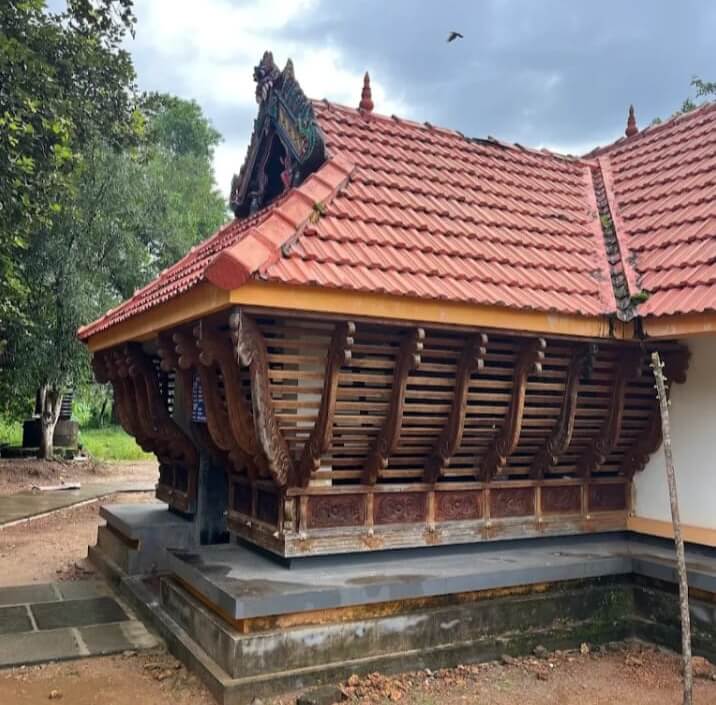
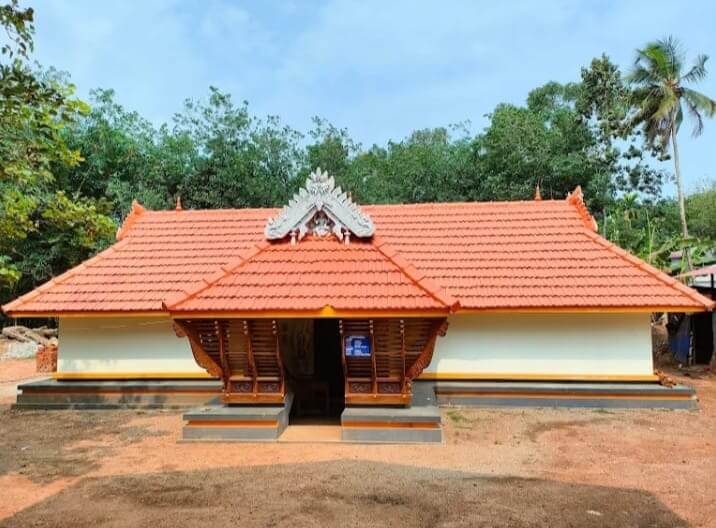
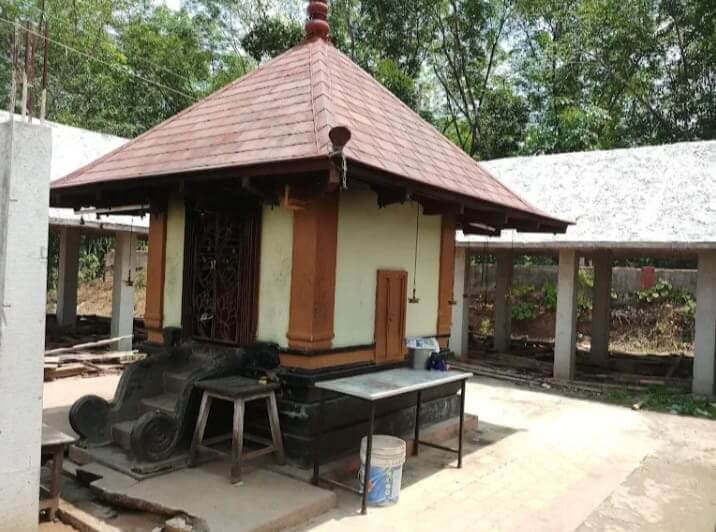
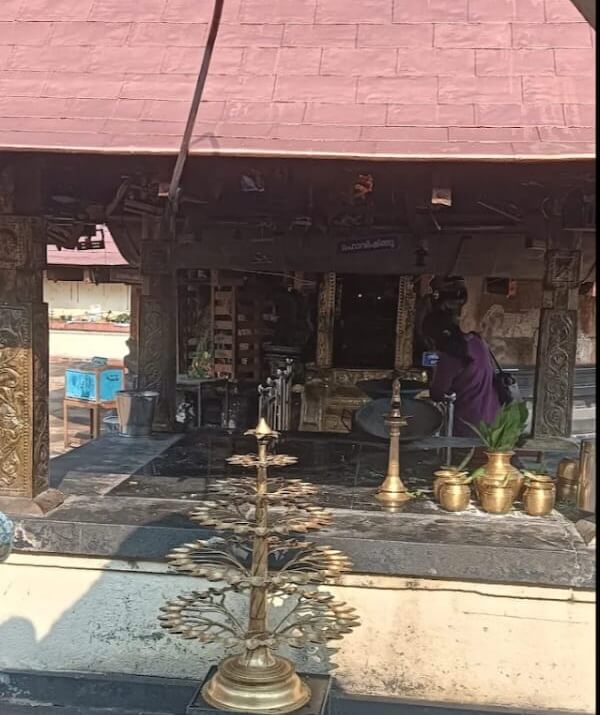
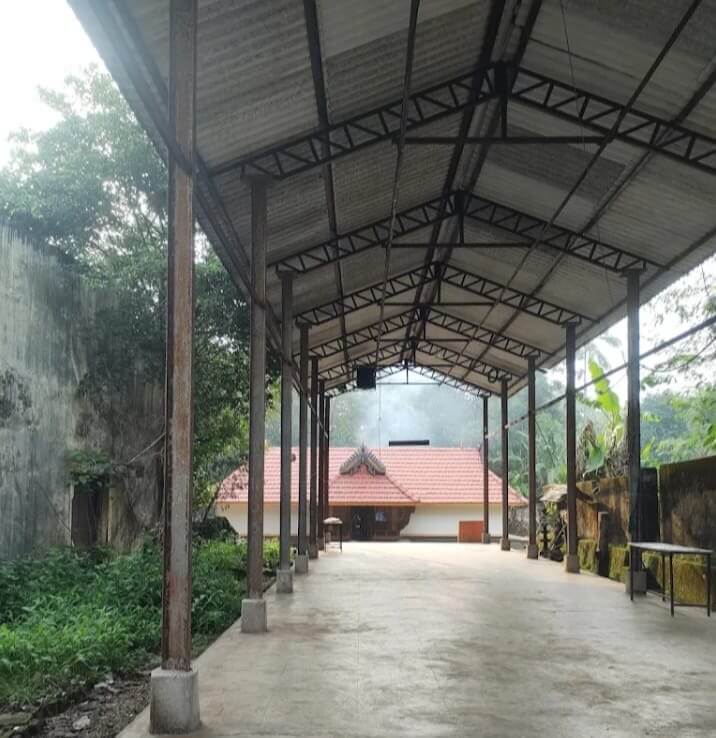
While most temples in Kerala are built in the traditional Kerala architectural style, Chilanthiambalam is a rare temple that reflects the influence of Pallava architecture. Constructed using a combination of granite and timber, the temple is surrounded by a traditional boundary wall and features a charming Kerala-style entrance gateway with a tiled roof. Beyond the gateway lies a spacious temple courtyard, along with the sacred banyan platform, the lamp pillar and the legendary Chilanthi Well. Passing the bali stone and the covered walkway, devotees enter the nalambalam, where the main sanctum is located. Unlike conventional temple sanctums, the sanctum here was created by preserving and converting the pallyara (private chamber) of an ancient royal palace, giving it the appearance of a historic palace room. In keeping with the concept of Vanadurga, the upper portion of the sanctum is partially open, allowing natural light and air to enter. Within the sanctum, devotees can behold the divine presence of Chilanthiyamma, Goddess Vanadurga, believed to be self-manifested amidst sacred spider webs.
In addition to the principal deity, Goddess Vanadurga, Chilanthiambalam is home to several other deities. A shrine dedicated to Lord Ganesha is situated in the south-western corner of the nalambalam. Mahalakshmi, who is worshipped with significance equal to that of Vanadurga, is also revered near the main sanctum. Furthermore, sacred Naga shrines dedicated to Nagaraja and Nagayakshi are located in the north-western section of the temple complex, where devotees offer prayers for relief from sarpa dosha and to seek the blessings of nature’s divine forces.
The principal festivals of Chilanthiambalam include the annual festival celebrated on the Karthika star in the Malayalam month of Vrischikam and the renowned Chandra Pongala observed on the full moon day of the month of Makaram. The Vrischika Karthika festival is marked by special rituals, Thalappoli processions and ceremonial temple processions, attracting devotees from far and wide. During Chandra Pongala, hundreds of women gather in the temple courtyard to prepare and offer Pongala to Chilanthiyamma, seeking the Goddess’s blessings and grace. Sundays are regarded as the most significant days for worship at the temple, with large numbers of devotees visiting to pray for relief from venomous afflictions and skin ailments. As a Devi temple, Tuesdays and Fridays also witness special pujas and a notable influx of devotees.
The principal offerings at Kodumon Chilanthiambalam are closely associated with prayers for relief from venomous afflictions and skin ailments. Among these, Malar Nivedyam (offering of puffed rice) is regarded as the most important. Devotees seeking protection from spider bites and other forms of poisoning offer this ritual and pray for the blessings of the Goddess. The sacred ash (bhasmam) distributed after the rituals is also held in high esteem and devotees believe that applying it to the affected parts of the body aids healing. Partaking of the holy water from the legendary Chilanthi Well is another significant offering associated with the temple. Offering kadali bananas to the Goddess is likewise considered a special ritual for seeking recovery from ailments. The famous Chandra Pongala, observed on the full moon day of the Malayalam month of Makaram, is one of the foremost devotional offerings performed by women. In addition, devotees regularly offer traditional forms of worship such as Archana, Pushpanjali and Ney Vilakku (ghee lamp offering) to seek the blessings of the Goddess.
The temple is open for worship and darshan daily from 5:30 a.m. to 10:30 a.m. and from 5:00 p.m. to 7:30 p.m. The day’s rituals commence with Nirmalya Darshanam immediately after the opening of the sanctum, followed by Ganapathi Homam and Usha Puja. Before the temple closes in the morning, Uchcha Puja and the offering of naivedyam are performed. In the evening, Deeparadhana is the principal ritual conducted after the reopening of the sanctum. This is followed by Athazha Puja and other evening rituals, after which the sanctum is closed at around 7:30 p.m. for the day.
Key highlight :-
- Located about 9 km from Adoor and 11 km from Pathanamthitta.
- The nearest railway station is Chengannur Railway Station, located about 25 km away.
- KSRTC and private bus services are available to Kodumon from Adoor, Pathanamthitta and nearby towns.
- Private vehicles can be parked near the temple premises.
- Accommodation and dining facilities are available in nearby towns.